Hands-On China Food, Craft & Living Culture Tours at a Glance
| Theme | Hands-On China Food, Craft & Living Culture Tours |
|---|---|
| Best for | Travelers who prefer workshops, markets, food traditions and community-scale cultural encounters |
| Customization | Private routes can be adjusted before confirmation; fixed small-group departures follow their available schedule. |
Regional Food Experiences Across China
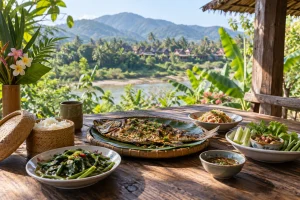
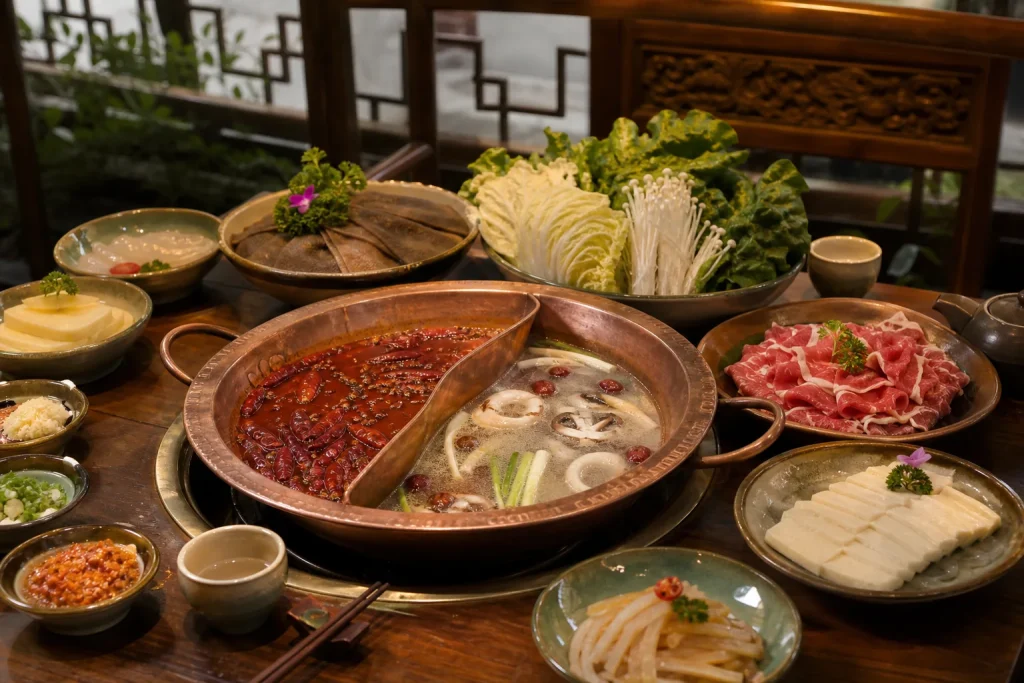
Chinese food changes dramatically from one region to another. These examples show why a useful food tour should connect a dish with its place, ingredients and local dining culture instead of treating “Chinese cuisine” as one fixed menu.
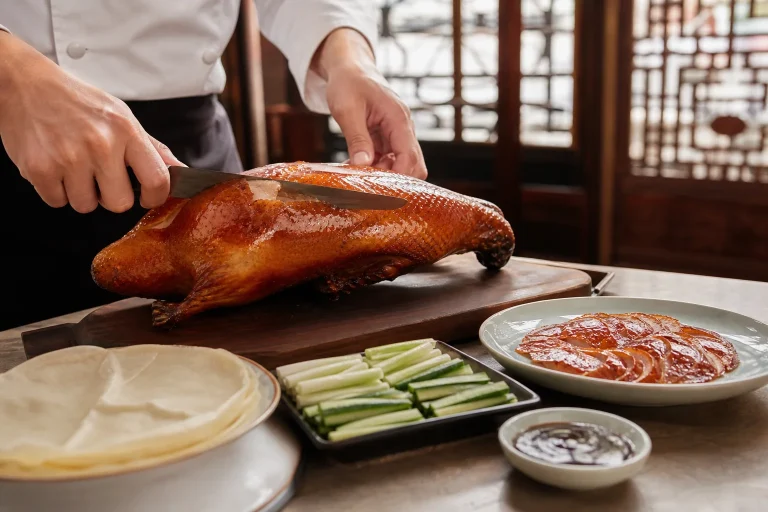
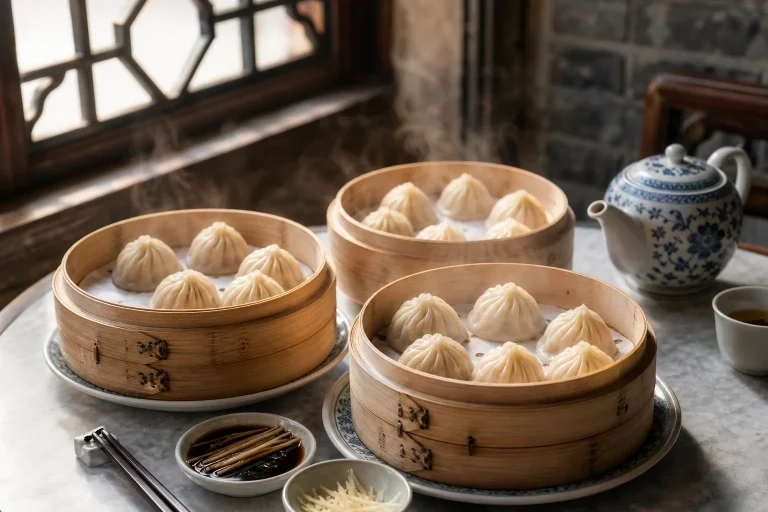
Featured Hands-On Food, Craft & Living Culture Tours
How to Choose a China Food and Culture Tour
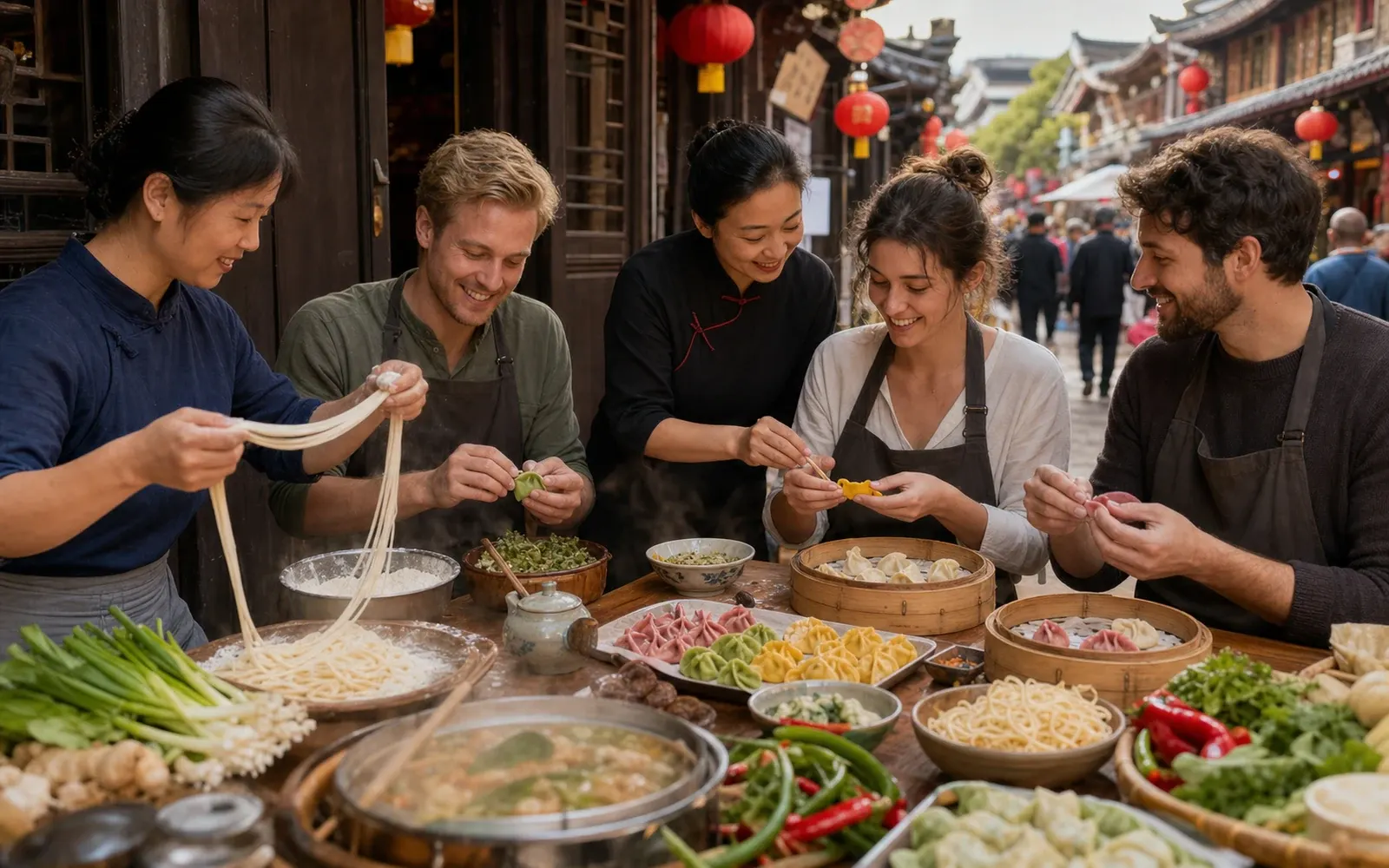
Choose by region and by the way you want to experience food. A market walk reveals ingredients and daily life; a cooking session is more hands-on; a producer visit gives deeper context but usually needs more travel time.
- First-time route: combine two or three regions with clearly different cuisines.
- Deep regional trip: stay longer in one area for markets, home-style dishes and specialist hosts.
- Food-plus-culture: balance meals with neighborhoods, crafts, heritage and unhurried walking.
What to Confirm Before Booking
Share allergies, intolerances, religious restrictions and foods you avoid before the itinerary is designed. The planner should distinguish a preference from a medically serious allergy and explain when shared kitchens or street-food environments cannot confirm separation. The written plan should show which meals, tastings and workshops are included, whether market purchases are extra, and how much walking or standing each experience involves. Producer visits and family-run workshops are confirmed around opening hours and host availability, without forcing a purchase.
When Is the Best Time for This Theme?
These journeys operate year-round, but outdoor markets, harvest activities, festival access and workshop schedules vary by date and region. Public holidays can tighten transport and ticket inventory, so the operating check is more useful than a generic month label.
Who These Food Journeys Suit
They suit curious eaters, couples, families and repeat visitors who want local life to shape the route. Travelers with complex allergies can still enquire, but the safest itinerary may favor controlled restaurant or cooking environments over spontaneous street tasting.
Related Destinations
- Beijing travel guide
- Xi’an travel guide
- Shanghai travel guide
- Suzhou travel guide
- Hangzhou travel guide
- Chengdu travel guide
- Jingdezhen travel guide
Related China Travel Guides
How to Choose the Right China food and cultural experience tours
Start with the outcome your group wants, then compare routes by operating season, daily pace, transport time and the experience that makes this theme distinctive. Do not choose only by the number of places in a title. A shorter route with enough time for the main activity can be more useful than a long itinerary that treats every stop as a photo break. Next, read the individual itinerary and write down what is confirmed, what is optional and what still depends on date-specific availability. Compare hotel changes, early starts, physical demands, guide or instructor support and any permit, equipment, dietary or weather requirement. Share these priorities in the first enquiry so the planner can recommend a suitable published route or explain why a custom version is the safer choice.
Compare All Hands-On China Food, Craft & Living Culture Tours Options
Every published itinerary currently matched to this theme is listed below. Open the individual tour for its day-by-day route, inclusions and planning notes; then compare dates, pace and operating conditions before requesting a quote.
- 1-Day Beijing Hutong, Folk Crafts & Traditional Dessert Tour — Route: Beijing
- 1-Day Beijing Tanzhe Temple, Coloured Glaze & Palace Pastry Tour — Route: Beijing
- 1-Day Beijing Temple of Heaven, Cloisonne & Peking Food Tour — Route: Beijing
- 1-Day Chengdu Bashu Chinese Medicine and Herbal Market Tour — Route: Chengdu
- 1-Day Chengdu Old Town Slow Life, Sichuan Food & Opera Tour — Route: Chengdu
- 1-Day Chongqing Mountain City Old Alley & Hot Pot Workshop Tour — Route: Chongqing
- 1-Day Ciqikou Ancient Town Folk Craft & Jialing River Tour — Route: Chongqing
- 1-Day Dali Bai Ethnic Culture, Tie-Dye & Erhai Tour — Route: Dali
- 1-Day Dongli Ancient Village Rural Guilin & Oil Tea Tour — Route: Guilin
- 1-Day Guilin Jingjiang Palace, Rice Noodle & Night Cruise Tour — Route: Guilin
- 1-Day Hangzhou Lingyin Temple Zen, Vegetarian Food & Incense Tour — Route: Hangzhou
- 1-Day Hangzhou Longjing Tea, West Lake & Local Cooking Tour — Route: Hangzhou
- 1-Day Hangzhou Oil-Paper Umbrella, TCM Museum & Food Tour — Route: Hangzhou
- 1-Day Hangzhou Song Dynasty Photoshoot & Culture Tour — Route: Hangzhou
- 1-Day Hangzhou TCM Culture & Herbal Craft Tour — Route: Hangzhou
- 1-Day Harbin China-Russia Culture & Northeast Food Tour — Route: Harbin
- 1-Day Harbin Volga Manor Russian-Style Culture Tour — Route: Harbin-Volga Manor-Harbin
- 1-Day Jingdezhen Imperial Kiln, Porcelain Painting & Food Tour — Route: Jingdezhen
- 1-Day Jingdezhen Sanbao Pottery, Natural Glaze & Village Tour — Route: Jingdezhen
- 1-Day Lijiang Naxi Culture, Dongba Paper & Old Town Tour — Route: Lijiang
- 1-Day Pengzhen Old Teahouse & Chengdu Countryside Food Tour — Route: Chengdu
- 1-Day Shanghai Garden, Aromatherapy & Eight-Treasure Rice Tour — Route: Shanghai
- 1-Day Shanghai Heritage Crafts, Guangfulin, Yu Garden & Bund Tour — Route: Shanghai
- 1-Day Shanghai Shikumen, Crafts, Pastry & Huangpu River Tour — Route: Shanghai
- 1-Day Shaolin Temple Kung Fu & Vegetarian Food Tour — Route: Dengfeng
- 1-Day Suzhou Garden, Embroidery, Museum & Pingtan Tour — Route: Suzhou
- 1-Day Suzhou Mudu Ancient Town Crafts & Hanshan Temple Tour — Route: Suzhou
- 1-Day Suzhou Tea Picking, Biluochun & Mooncake Workshop Tour — Route: Suzhou
- 1-Day Suzhou Wu Medicine Heritage and Herbal Craft Tour — Route: Suzhou
- 1-Day Turpan Silk Road, Karez, Vineyard & Uyghur Food Tour — Route: Urumqi-Turpan
- 1-Day Urumqi Grand Bazaar, Uyghur Crafts & Food Tour — Route: Urumqi
- 1-Day Wuzhen Indigo Dye, Local Food & Night Canal Tour — Route: Wuzhen
- 1-Day Wuzhen Shadow Puppet, Braised Duck & Old Post Office Tour — Route: Wuzhen
- 1-Day Wuzhen Woodcarving, Green Rice Cake & Fishing Tour — Route: Wuzhen
- 1-Day Xi’an Muslim Quarter, Folk Craft & Tang Culture Tour — Route: Xi’an
- 1-Day Xitang Ancient Town Hanfu, Craft & Boat Tour from Shanghai — Route: Shanghai-Xitang-Shanghai
- 2-Day Hangzhou West Lake, Oil-Paper Umbrella & Longjing Tea Tour — Route: Shanghai-Hangzhou-Shanghai
- 2-Day Huangshan Qimen Xin’an Medicine and Herbal Craft Retreat — Route: Huangshan – Qimen – Huangshan
- 2-Day Private Shanghai Heritage Crafts, Bund & River Tour — Route: Shanghai
- 2-Day Suzhou Gardens, Xitang Overnight & Mudu Craft Tour — Route: Shanghai-Suzhou-Xitang-Mudu-Shanghai
- 2-Day Suzhou Slow Life, Xitang Stay & Hu Brush Craft Tour — Route: Shanghai-Suzhou-Jiaxing-Shanghai
- 4-Day Chongqing: Light Rail, Hongya Cave & Hot Pot — Route: Chongqing
- 5-Day Lingnan Culture & Food Group Tour — Route: hong-kong-macau-zhuhai-foshan-guangzhou
- Half-Day Xi’an Tang Dynasty Hanfu & Everbright City Tour — Route: Xi’an
When to Plan China food and cultural experience tours
Food markets, harvest activities, tea picking, craft studios and festivals do not operate on one universal schedule. Ask what is date-specific, what works year-round and what substitute is offered if a maker, market or harvest activity is unavailable.
What to Confirm Before Booking
- Name the regional dish, craft technique or workshop rather than promising a generic cultural experience.
- Confirm hands-on time, group size, instructor language and materials.
- Record allergies, halal, vegetarian and cross-contact needs before venue selection.
- Explain whether a finished craft can be fired, dried, shipped or carried home.
- Keep enough unscheduled time for markets and local neighborhoods.
Related Destinations for Hands-On China Food, Craft & Living Culture Tours
Use these destination guides to compare weather, access and local planning before choosing the final route.
- Beijing Travel Guide
- Chengdu Travel Guide
- Chongqing Travel Guide
- Dali Travel Guide
- Dengfeng Travel Guide
- Foshan Travel Guide
- Guangzhou Travel Guide
- Guilin Travel Guide
- Hangzhou Travel Guide
- Harbin Travel Guide
- Hong Kong Travel Guide
- Huangshan Travel Guide
- Jiaxing Travel Guide
- Jingdezhen Travel Guide
- Lijiang Travel Guide
- Macau Travel Guide
- Shanghai Travel Guide
- Suzhou Travel Guide
- Tongxiang Travel Guide
- Turpan Travel Guide
- Urumqi Travel Guide
- Xi’an Travel Guide
- Zhuhai Travel Guide
Longer journeys with local food and culture
These broader itineraries include cultural visits, village time or food stops alongside other sightseeing. Open each route to check the daily programme; hands-on workshops and host visits are confirmed individually.
- 5-Day Lijiang Naxi Villages & Foothills Tour
- 7-Day Lijiang & Lugu Lake Village Tour
- 10-Day Lijiang & Shangri-La Slow Highland Journey
- 2-Day Xizhou & Zhoucheng Bai Craft Tour
- 4-Day Dali & Erhai Food Tour
- 5-Day Dali Family Tour: Villages, Crafts & Erhai
- 7-Day Dali & Shaxi Artisan Tour
- 10-Day Slow Yunnan Heritage: Dali, Shaxi & Lijiang
- 1-Day Pu’er Coffee & Tea Tasting Tour
- 4-Day Pu’er & Ning’er Tea Heritage Tour
- 5-Day Pu’er Coffee Farms & Tasting Tour
- 6-Day Tengchong Autumn & Ginkgo Photography Tour
- 4-Day Heshun Courtyards & Local Culture Tour
- 5-Day Tengchong Hot Springs & Heshun Slow Tour
- 7-Day Tengchong & Mangshi Culture and Nature Tour
- 10-Day Dali to Tengchong Coffee & Heritage Journey
- 8-Day Luoping & Yuanyang Seasonal Photography Tour
- 2-Day Yuanyang Sunrise & Village Tour
- 4-Day Yuanyang Slow Terrace Tour from Mengzi
- 5-Day Yuanyang Photography Tour from Kunming
- 7-Day Jianshui & Yuanyang Culture Tour
- 10-Day Honghe Heritage & Yuanyang Terrace Journey
- 2-Day Jingmai Overnight Tea Escape from Lancang
- 4-Day Jingmai Slow Village Tour from Lancang
- 5-Day Jingmai Tea Villages Tour from Jinghong
- 7-Day Pu’er & Jingmai Tea and Coffee Tour
- 10-Day Pu’er, Jingmai & Xishuangbanna Tea Journey
- 1-Day Shangri-La Culture, Pudacuo & Tibetan Family Tour
- 2-Day Shangri-La Culture & Pudacuo Private Tour
- 3-Day Shangri-La Private Tour from Shanghai
- 1-Day Songzanlin Monastery, Nixi Pottery & Dukezong Tour
- 2-Day Shangri-La to Meili Snow Mountain Cultural Tour
- 10-Day Leisure Beijing, Shanghai and Chengdu Tour
- 13-Day Chengdu and Yunnan Private Tour
- 8-Day Central Plains Tour: Henan's Four Ancient Capitals
- 6-Day Chengdu, Jiuzhaigou & Huanglong Small Group Tour
- 8-Day Classic Yunnan Small Group Tour: Kunming, Dali, Shangri-La & Lijiang
Frequently Asked Questions About China food and cultural experience tours
Can dietary restrictions be accommodated?
Often, but they must be shared before restaurants and classes are chosen. Include allergies, cross-contact severity, halal requirements and ingredients to avoid; the planner should identify any activity that cannot meet the request safely.
Are all meals included on a food tour?
Not necessarily. The itinerary should distinguish tastings, full meals, cooking-class food and independent meals, and explain whether drinks, market purchases or premium ingredients cost extra.
Are street-food and market visits suitable for everyone?
They can involve crowds, standing, heat and unfamiliar hygiene conditions. Travelers with mobility, allergy or stomach concerns may prefer a shorter market visit and a seated tasting at a selected venue.
Can beginners join craft and cooking workshops?
Most introductory sessions can be arranged for beginners. Ask about age limits, tools, heat, stairs, language support and how much work the traveler completes personally.
Will I receive the object I make?
That depends on drying, firing and finishing time. The workshop should explain collection or shipping, packaging, breakage risk and any extra charge before the session is booked.
Can these experiences join a classic China route?
Yes. One focused half-day often adds more value than several rushed demonstrations. Share the main cities and interests so the workshop fits the transport plan instead of creating a separate detour.
Plan a Route That Fits Your Dates
Send your travel dates, group size, preferred pace, must-see experiences, accommodation level and any dietary, mobility or equipment needs through Plan My Trip. We will check the matching itineraries, current access and supplier availability before preparing a written proposal. Continue comparing the full Theme Tours collection or browse all China Tours.