Quick answer: Sichuan hiking tours range from lower-altitude cultural walks on the Ancient Shu Road to multi-day Western Sichuan trekking and guided 5,000-metre summit attempts at Mount Siguniang. Choose by actual walking hours, ascent and descent, highest sleeping point, trail surface and accommodation—not by the mountain name alone. Before booking, confirm the exact route, current access, guide qualifications, luggage plan, emergency procedure and what happens if weather closes a trail or summit.
Which Sichuan Hiking Tour Fits You?
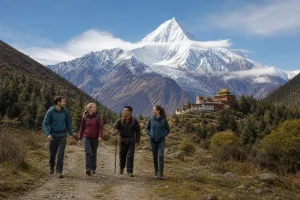
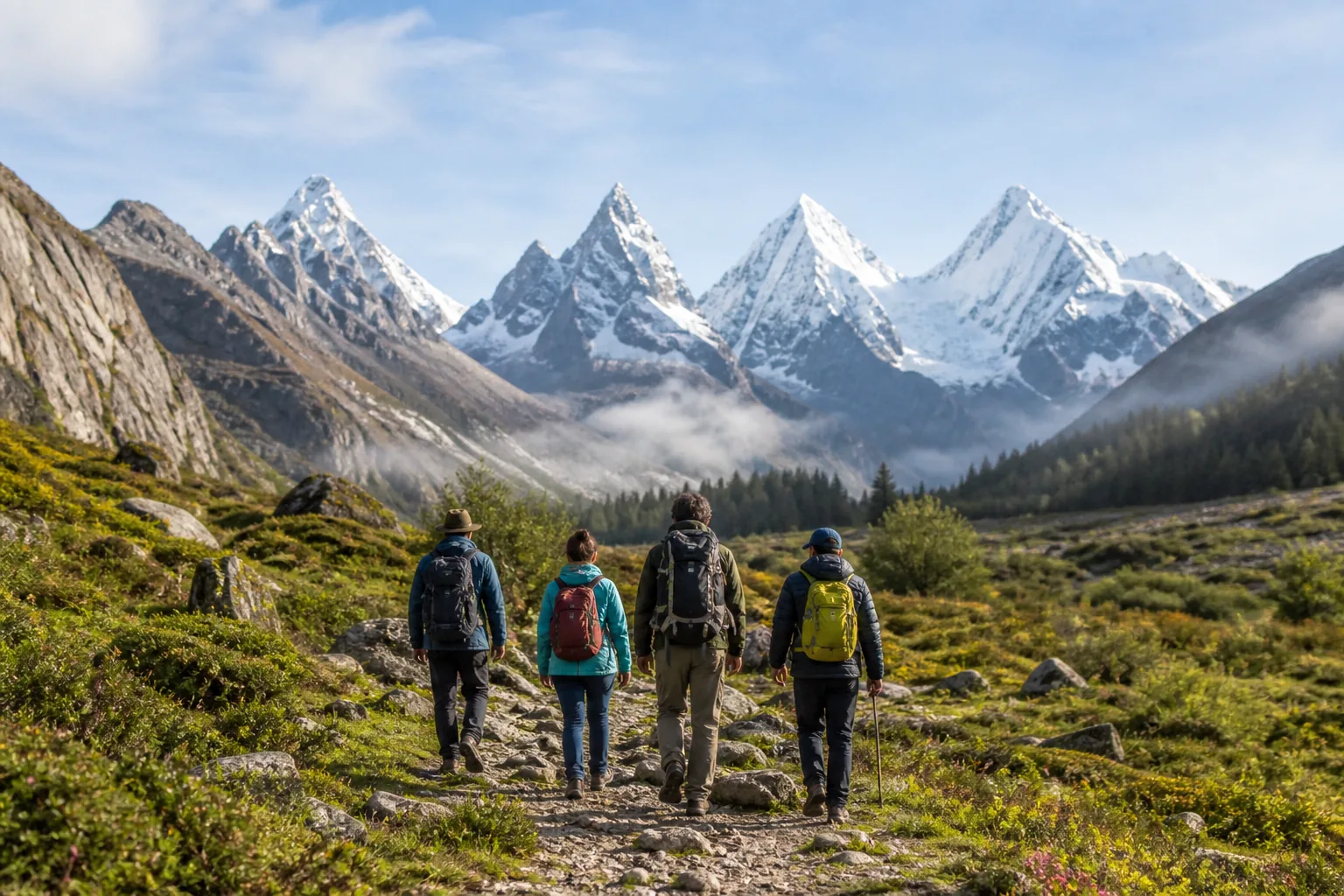
A useful Sichuan hiking itinerary begins with the type of walking you actually want. Mount Siguniang valley routes can provide alpine scenery without a summit, while Dafeng and Erfeng involve base-camp nights, very early starts and much greater altitude exposure. Western Sichuan light trekking combines mountain trails with villages and road transfers. The Ancient Shu Road is a cultural hiking route where hotels and vehicle support are easier to arrange.
| Route type | Trip pattern | Good fit | Main issue to confirm |
|---|---|---|---|
| Mount Siguniang valley hiking | Day hikes from a fixed base or a short trekking route | Active travelers wanting high-mountain scenery without a summit attempt | Which valley, walking distance, altitude and vehicle or shuttle access |
| Dafeng or Erfeng summit tour | Base camp plus a pre-dawn guided summit attempt | Fit hikers with prior mountain experience and realistic expectations | Acclimatization, snow or ice, equipment, turnaround rule and weather |
| Western Sichuan light trek | Short hikes combined with Danba and Mount Siguniang road sectors | Travelers who want alpine lakes, villages and private pacing | Daily transfer time, trail surface, luggage and current access |
| Ancient Shu Road trek | Several supported walking sections with hotel nights | History-focused walkers who prefer lower altitude | Exact trailheads, summer heat, transfers and restored versus original sections |
| Jiuzhaigou or Huanglong scenic walking | Boardwalks, steps and park transport | Travelers seeking scenery rather than a continuous trek | Park access, walking load, crowds and altitude—not trekking logistics |
Mount Siguniang Hiking and Trekking
Mount Siguniang is the main base for several Sichuan trekking experiences. A valley hike and a summit program are not interchangeable. Shuangqiao Valley is commonly approached as a scenic visit with park transport; Changping and Haizi valley routes can involve more sustained walking. The itinerary must name the valley, start and finish, planned hours, elevation profile and whether horses, shuttles or support vehicles are available on that route. The 4-Day Mount Siguniang Chazigou Col Trek is a private active route through the Mount Siguniang highlands, Muluozi and the Chazigou area. Travelers should request the day-by-day walking profile, camping or lodging basis and the current route decision. A “four-day trek” does not mean four equal walking days because the Chengdu transfers, acclimatization and trail access also use time.
Dafeng and Erfeng Summit Tours
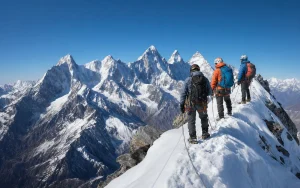
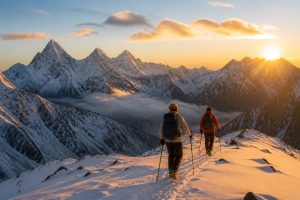
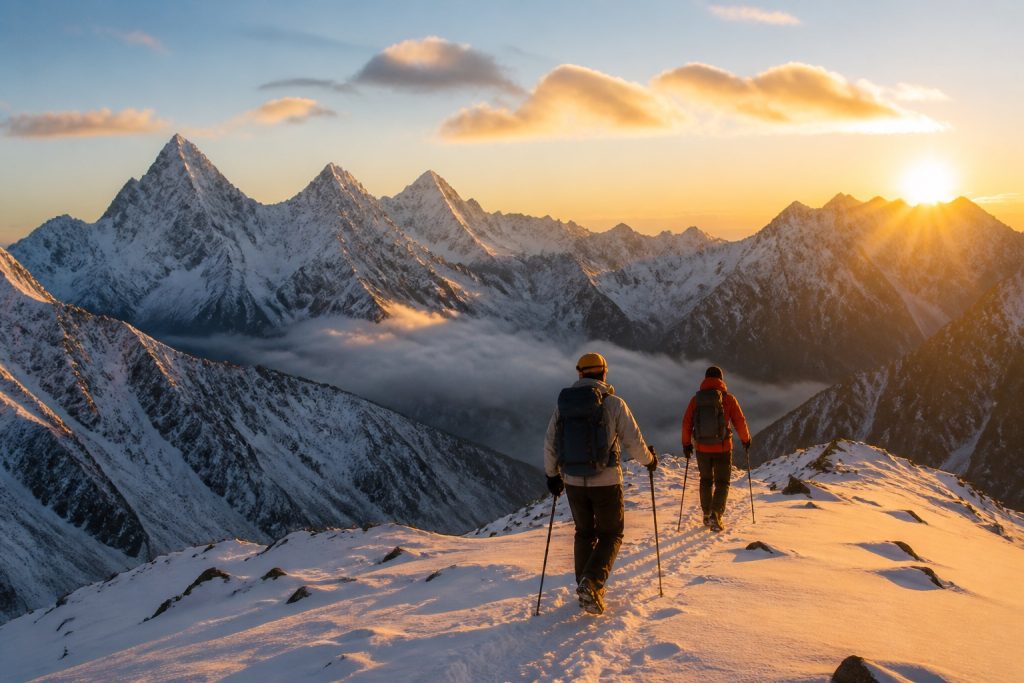
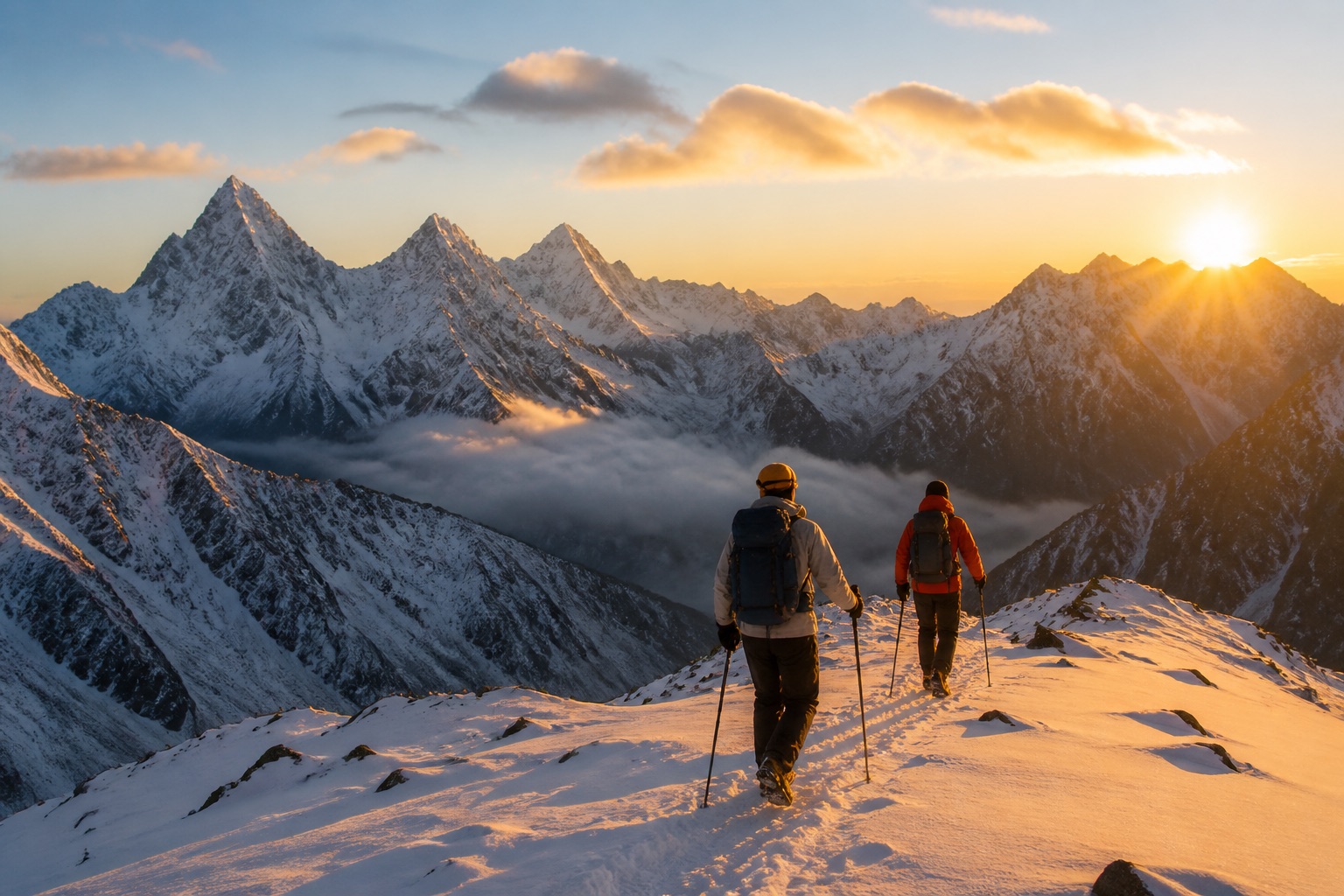
The 3-Day Mount Siguniang Dafeng or Erfeng Summit Group Tour lets the traveler choose one guided objective: Dafeng at 5,025 metres or the higher Erfeng at 5,276 metres. The 4-Day Dafeng and Erfeng Twin Summit Group Tour attempts both peaks on consecutive mountain days. Neither should be described as an ordinary sightseeing hike. Ask which days are reserved for acclimatization, where the group sleeps, how equipment is checked and who makes the final weather and turnaround decision. Reaching a summit can never be confirmed. A responsible plan treats returning safely as the priority and explains what services remain available if wind, snow, ice, illness or slow progress changes the objective.
Western Sichuan Light Trekking
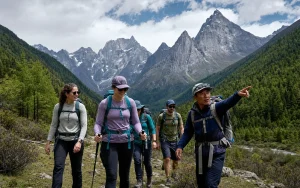
The 4-Day Western Sichuan Alpine Lakes Light Trek combines Zhonglu Tibetan Village, the Hulu Lake area and Mount Siguniang. “Light trekking” is relative: uneven paths, altitude, rain and several active days can still be demanding. Request walking hours and ascent rather than relying on the label.
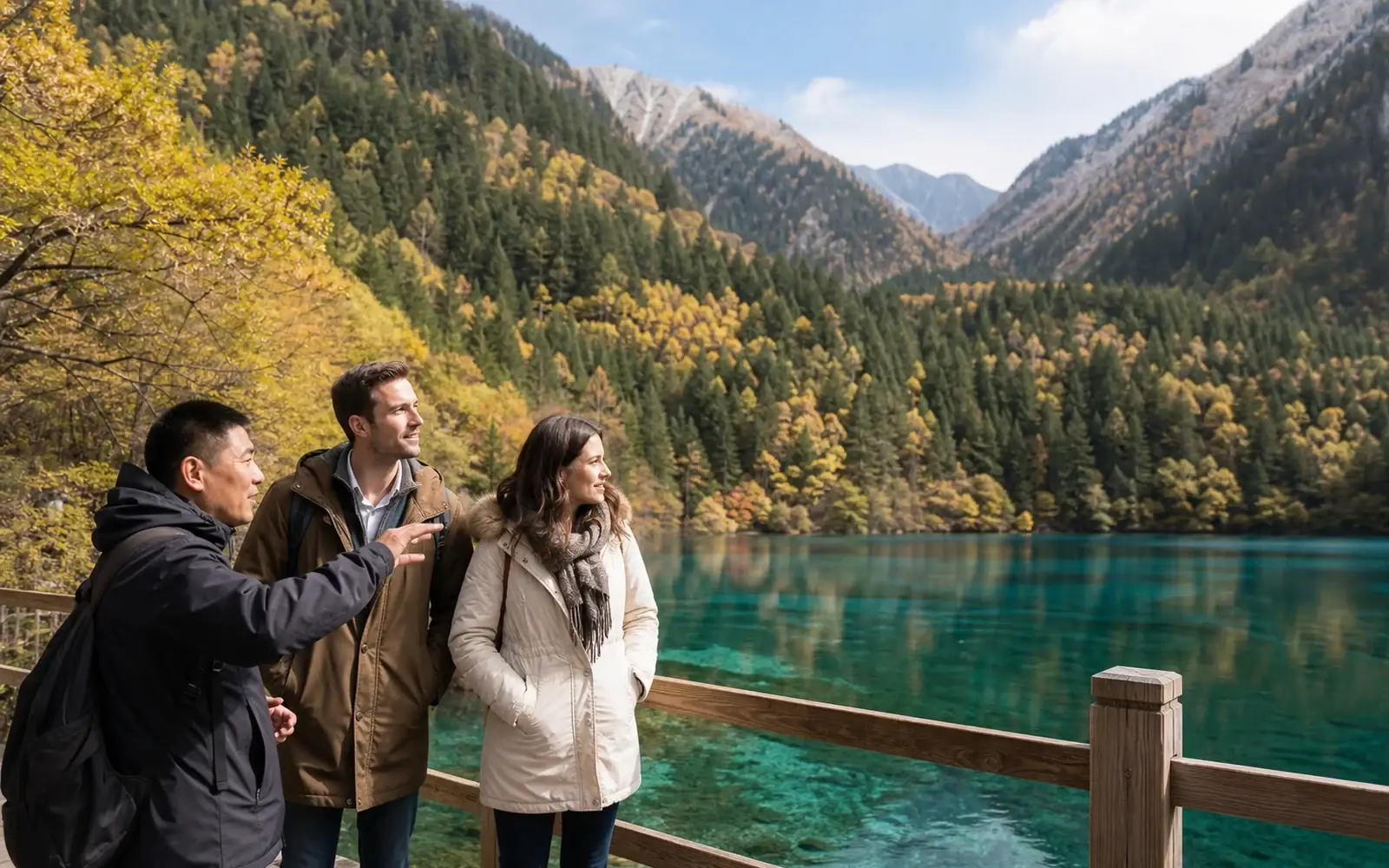
For travelers who want mountain scenery with shorter walks, the 6-Day Western Sichuan Highland Private Tour is a road-based alternative through Mount Siguniang, Danba and Xinduqiao. It should not be presented as a full trek, but it can work for mixed-ability companions when daily walking options are confirmed separately.
Ancient Shu Road Hiking
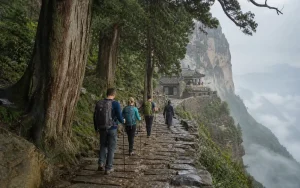
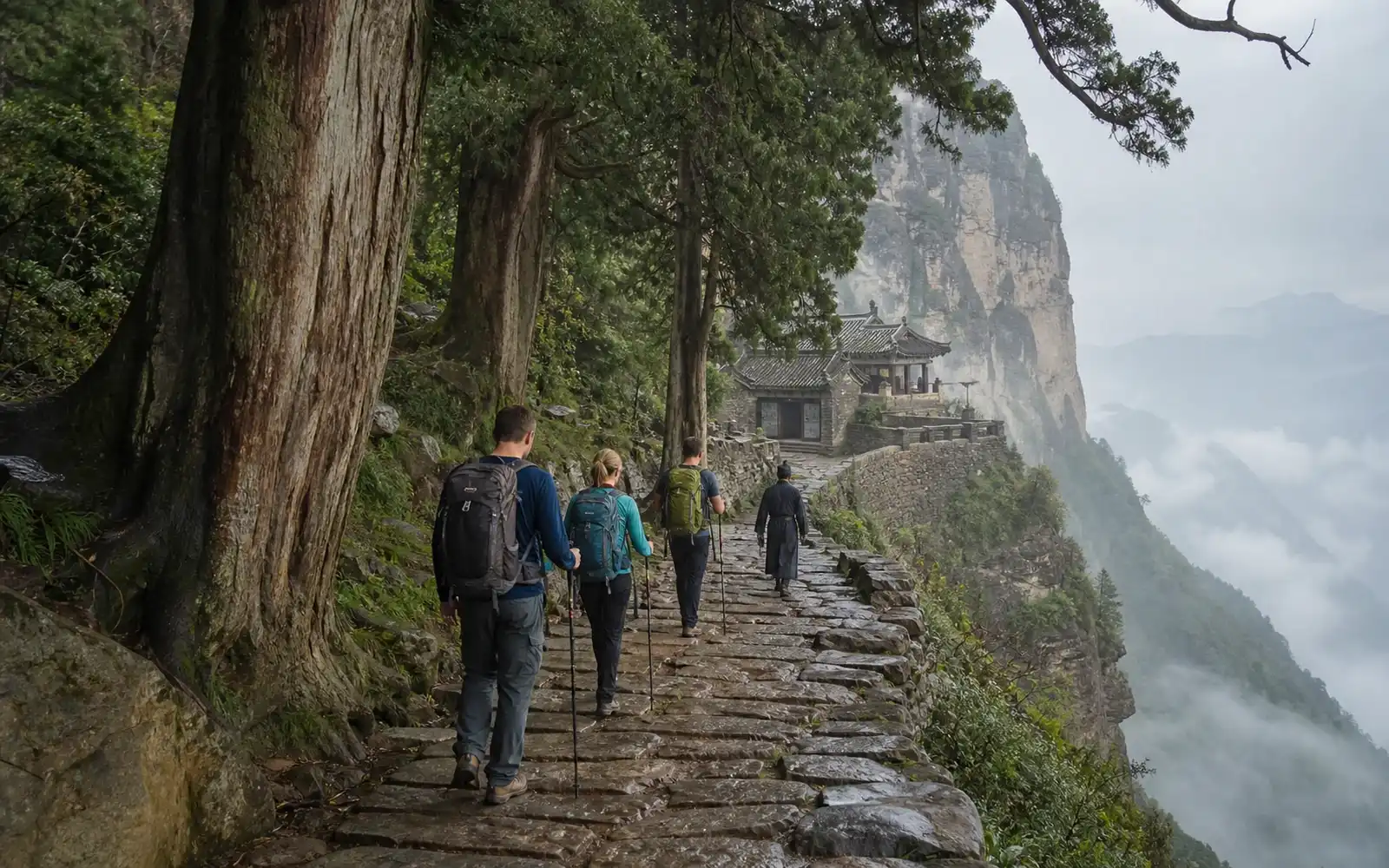
The 5-Day Ancient Shu Road Trek focuses on the Cuiyun Corridor, Jianmen Pass, the Bird Path and supported trail sections around Guangyuan. It is a strong option for walkers interested in history, old cypress roads and Sichuan culture without sleeping at extreme altitude. Modern roads and rebuilt settlements interrupt parts of the historical route, so the trip uses transfers between walkable sections. Ask which sections are original or restored, how many kilometres are planned, whether Jianmen’s steeper paths are included and where the vehicle meets the group. Summer heat can be as important as mountain cold; water, shade and an early start may affect the day.
How to Judge Difficulty Before Booking
Distance is only one part of difficulty. Ask for the expected hours on foot, total ascent and descent, highest point, highest sleeping altitude, trail surface, exposed or steep sections and the longest day. A short summit day above 4,000 metres may be harder than a longer cultural walk at lower elevation. Tell the planner about recent hiking experience, knee or balance issues, previous altitude symptoms and the pace of the slowest traveler. Prepare with consecutive walking days and hills or stairs. Break in footwear before departure. A private guide can adjust pace and rest stops, but cannot remove every climb or confirm a vehicle on a mountain trail.
Altitude, Acclimatization and Health
Western Sichuan rises quickly from Chengdu. A late arrival followed by a hard first hike leaves little time to understand how the traveler responds. Keep the first high-altitude day lighter, hydrate normally, avoid racing the group and tell the guide about worsening headache, nausea, dizziness, unusual fatigue or breathing difficulty. No website can decide whether a 5,000-metre objective is safe for an individual. Travelers with heart, lung or other relevant conditions should obtain personal medical advice before choosing a summit itinerary. The guide needs accurate information about medication, allergies and previous altitude problems, and the booking should state the emergency contact and evacuation approach.
Guides, Access and Weather Changes
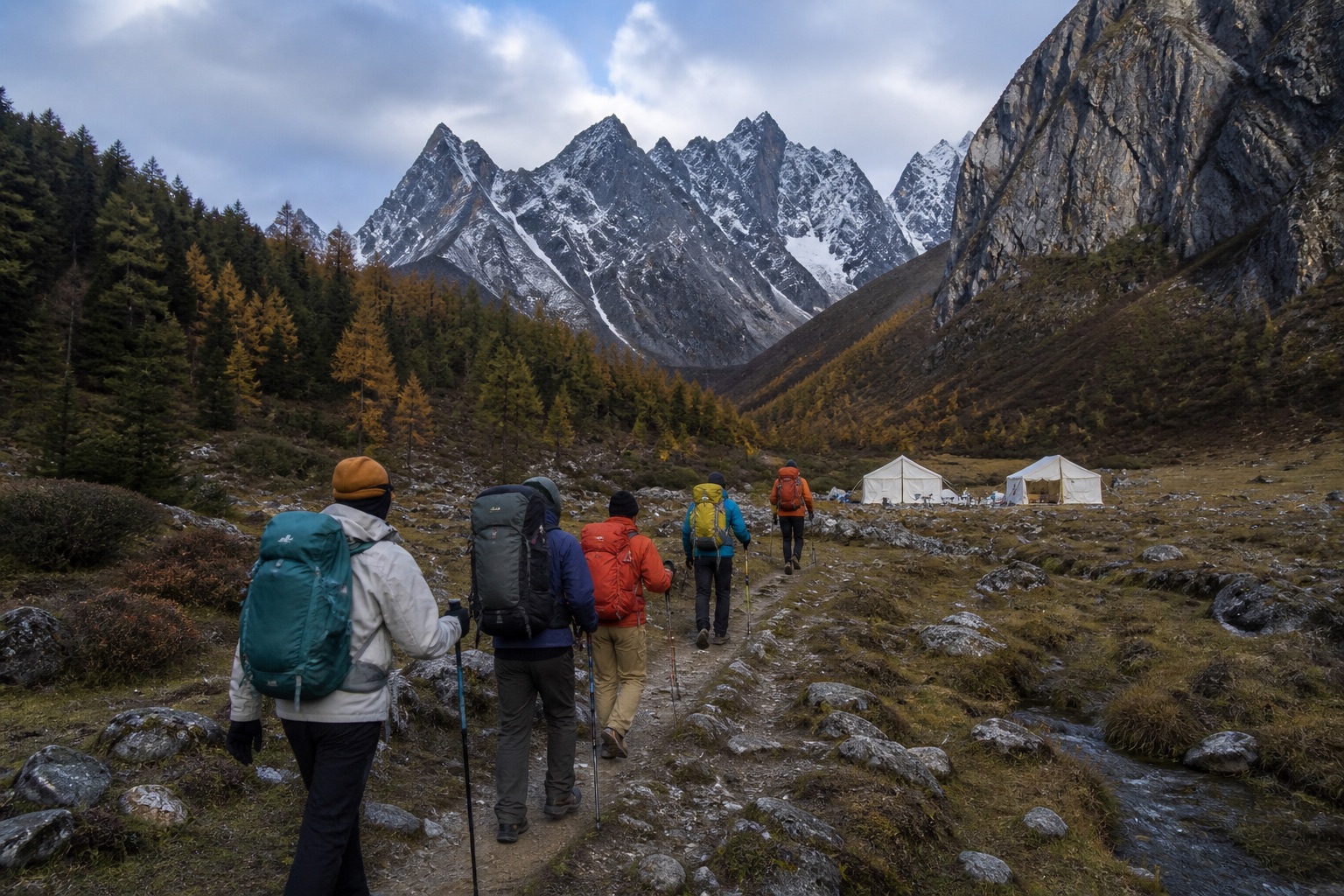
Trail access, park rules, snow conditions and local transport can change. The final itinerary should identify the guiding team, meeting point, group size, planned route, communication method and turnaround authority. Ask when the operator performs the final weather and access check and how a closed trail changes the booking. A safe alternative may be a valley hike, a lower section of the route, an additional cultural day or a changed departure date. It is not always another summit. Confirm in writing which unused services may be moved, substituted or refunded, because weather decisions are often made close to departure.
Accommodation, Toilets and Luggage
Chengdu and town hotels differ greatly from mountain camps or simple trail lodging. Ask about room type, heating, bedding, private or shared bathrooms, hot water, charging and meals. On a summit program, confirm what the base camp provides and what the traveler must carry or rent.
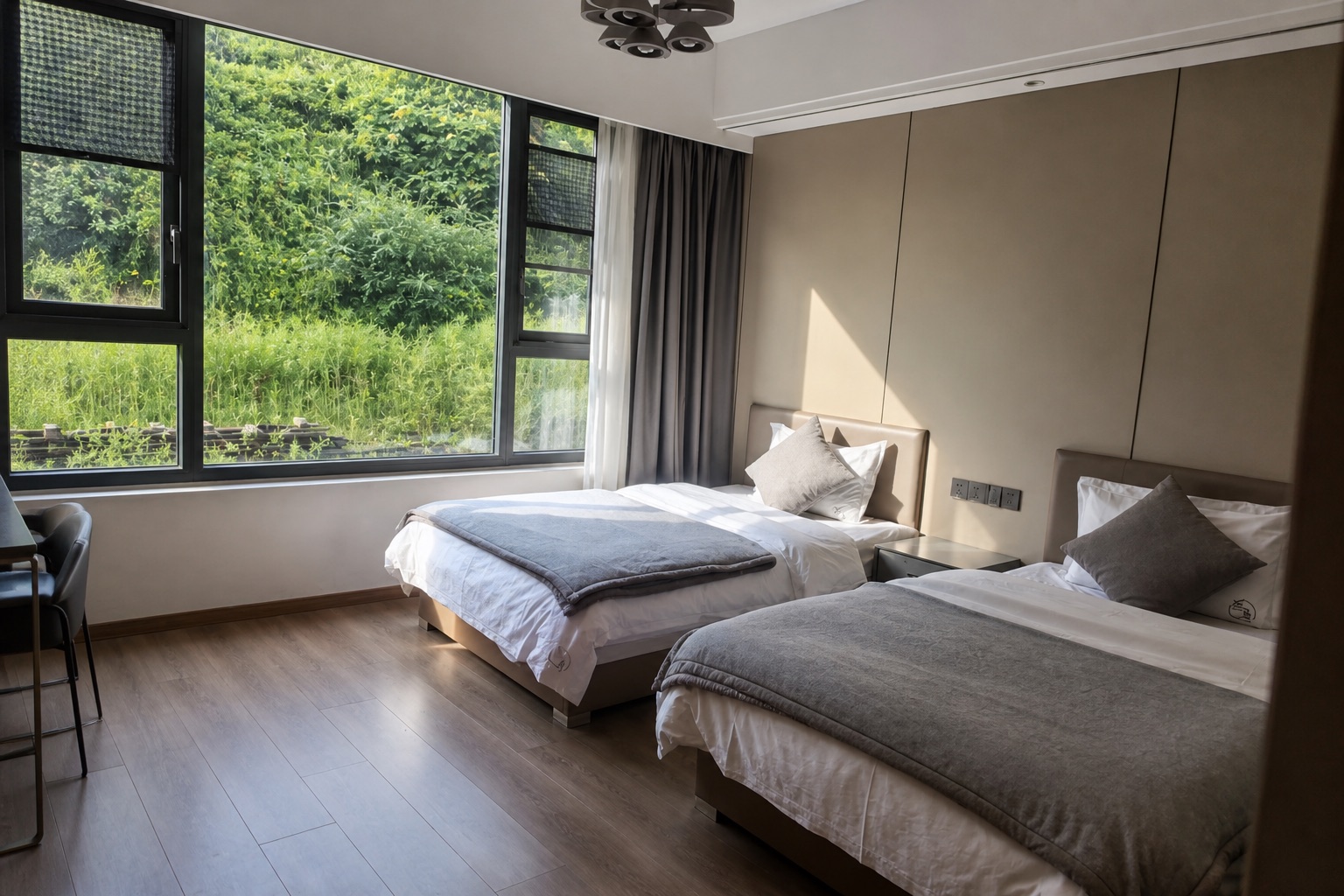
Large suitcases should normally remain at a hotel or move with a support vehicle. The itinerary must say when they rejoin the group. Keep essential medicine, documents, valuables, water, rain protection and warm layers in the daypack. Porters or horses, where available, do not remove the need to carry personal essentials.
What to Pack for a Sichuan Trek
- Broken-in hiking footwear with grip appropriate to the confirmed trail.
- Layered clothing, waterproof outerwear, sun protection and warm accessories.
- A comfortable daypack, water containers, personal medication and a power bank.
- Trekking poles if they help on long descents or uneven ground.
- Only the technical equipment specified by the guide for the date and route.
Do not buy crampons, ice tools or other climbing equipment from a generic packing list. Snow and summit requirements depend on current conditions and the chosen objective. Request a date-specific equipment check and confirm what is supplied, rented or personally fitted.
Frequently Asked Questions About Sichuan Hiking Tours
Which Sichuan hike is best for a first-time visitor?
An Ancient Shu Road trek or a carefully selected Mount Siguniang valley hike is usually easier to evaluate than a 5,000-metre summit. Compare the actual walking profile and altitude with your recent experience.
Is Mount Siguniang hiking the same as climbing Dafeng or Erfeng?
No. Valley hiking can use established trails and park transport, while Dafeng and Erfeng programs involve base camp, pre-dawn starts, higher altitude and date-specific mountain conditions.
Can a beginner climb Dafeng?
A fit beginner may be considered by an operator, but the decision depends on acclimatization, hiking background, health and current conditions. A tour listing cannot confirm suitability or a summit.
What is the difference between the three-day and four-day summit tours?
The three-day tour selects Dafeng or Erfeng as one objective. The four-day twin-summit route attempts Dafeng and then Erfeng on consecutive mountain days, creating a greater recovery and altitude demand.
When is the best time for Western Sichuan trekking?
Conditions vary by route and elevation. Instead of relying on a general “best month,” ask about snow, rain, trail access, temperature and equipment for the exact dates shortly before departure.
Do I need a guide for Mount Siguniang?
A guided plan is strongly appropriate for summit routes and useful for multi-day treks where access, weather and logistics can change. Confirm the guide’s role, group size and emergency procedure.
Can my suitcase go to base camp?
Do not assume so. Ask where the main luggage is stored, whether support animals or porters are used and how much personal equipment each traveler must carry.
What happens if weather prevents the summit?
The guide should follow the safety and turnaround decision. Before booking, agree on the likely valley or cultural alternative and the change or refund rules for services that cannot operate.
Is the Ancient Shu Road a continuous five-day trail?
Not normally. Walkable historical sections are separated by modern roads and settlements, so the itinerary uses transfers and hotel nights between selected sections around Guangyuan and Jianmen.
Are Jiuzhaigou and Huanglong hiking tours?
Most standard visits use park transport, boardwalks and steps. They can involve substantial walking and altitude, but should be described as scenic walking unless a separate permitted trekking route is specifically confirmed.
Do I need travel insurance?
Check that the policy covers the named activity, maximum elevation, medical treatment and evacuation conditions. Ask the insurer directly about trekking, mountaineering and altitude exclusions.
Plan a Date-Specific Sichuan Hiking Tour
Use Plan My Trip and send your dates, recent hiking experience, longest comfortable walking day, previous altitude experience, accommodation expectations and preferred route. We will compare Mount Siguniang hiking, Western Sichuan trekking and the Ancient Shu Road, then prepare a plan based on current access rather than a generic mountain promise.