
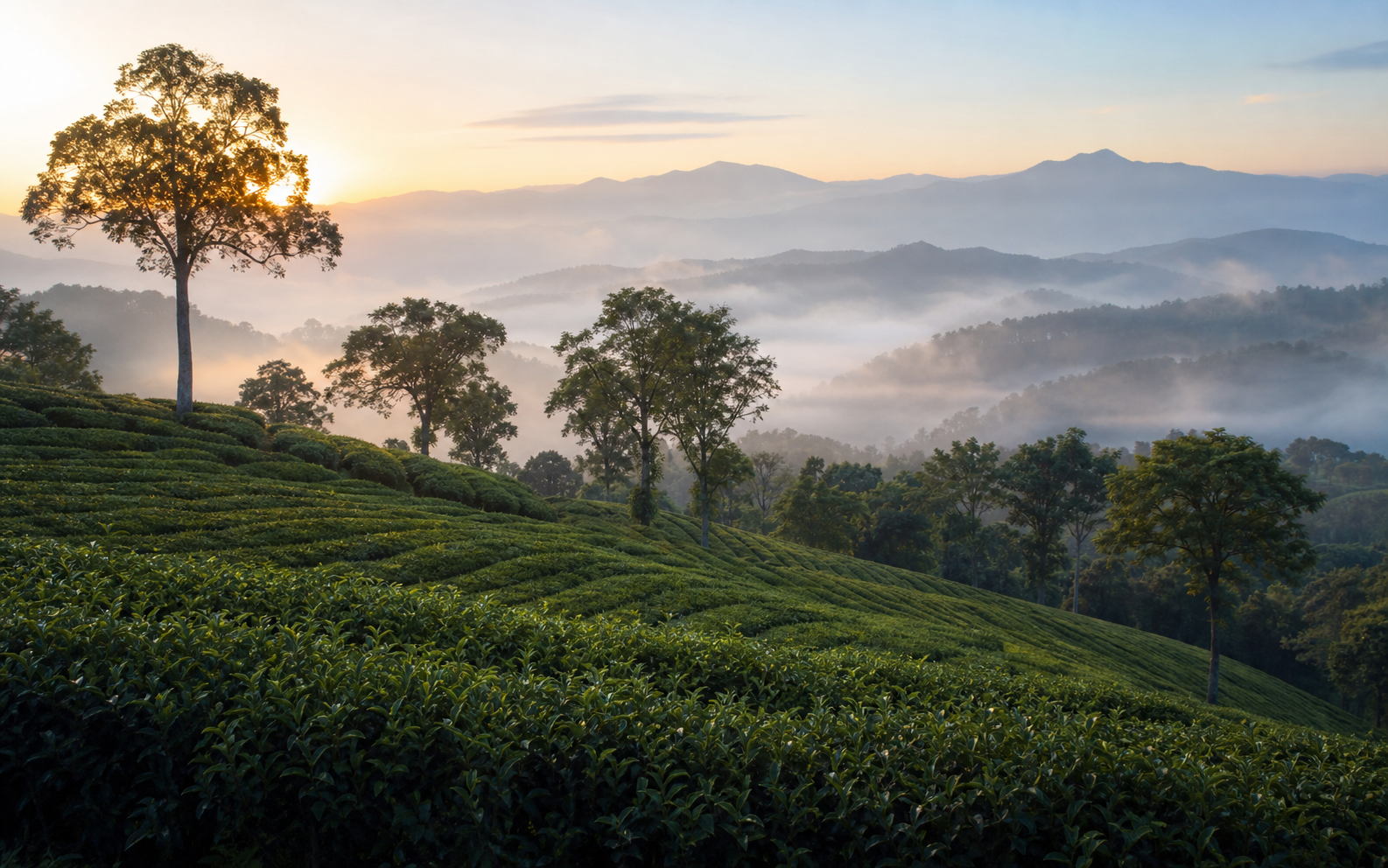
Lincang
Tea Travel with Private Transport
Lincang Airport and Yunxian Railway Station can both be used for a Fengqing trip, but road-transfer time differs substantially. The arrival point and train or flight time should be confirmed before the hotel and vehicle are booked.
What to Expect
A practical short tour emphasizes tea gardens, controlled black tea processing, museum context and comparative tasting rather than a long list of distant mountain villages.
How Long to Spend in Lincang
Two nights allow a more useful introduction to the region’s tea landscapes and local transport. A one-night stop can work when Lincang is a planned connection, but it leaves little room for an estate or village visit.
When to Visit
Conditions vary across this large southwest Yunnan area. Tea activity, rural road access and weather are seasonal, so the exact producer visit and travel sequence should be checked shortly before departure.
Getting There and Route Planning
Lincang is best planned with private transport as part of a route toward Fengqing, Jingmai, Pu’er or another southern Yunnan destination. Keep arrival and departure days realistic rather than adding several far-apart tea stops at once.
Frequently Asked Questions
Is Lincang mainly for tea travellers?
Tea is a strong reason to visit, but the value comes from seeing how landscape, farming and local transport shape a slower regional route. It suits travellers who want more than a short tasting in a city.
Can I combine Lincang with Jingmai Mountain?
Yes, but it needs a route built around road time and overnight stops. Confirm the driving sequence and village accommodation before treating the two places as adjacent.
What should be confirmed before booking?
Confirm the producer or host, tea activity for your dates, hotel location, private transport and the amount of walking involved at rural sites.