For a first Guizhou trip, use three days for a focused Guiyang-based break, five days for a moving Huangguoshu–Libo–Xijiang circuit, or seven days when you want a separate village stage or more room around transfers. Decide whether you want to return to Guiyang each night before adding attractions. A fast train between stations does not remove the journeys from your hotel to the station and from the destination station to the scenic entrance.
Guizhou’s main visitor areas are spread across different parts of the province. Huangguoshu is reached through the Anshun side, Xiaoqikong is in Libo, Xijiang is in southeastern Guizhou, and Xingyi forms a different southwestern journey. Maotai and Chishui belong to a northern route. Trying to combine all those directions in a short trip creates a driving programme rather than a relaxed first visit.
Updated 21 October 2026
Three, five or seven days: choose the shape first
| Time available | A useful trip shape | Main trade-off |
|---|---|---|
| 3 days | Guiyang plus one or two selected scenic days, with city time fitted around arrival and departure | Choose fewer sites if the first or last day is shortened by a flight |
| 4–5 days | Huangguoshu, Libo and Xijiang in a moving circuit, or a more selective city-based trip | Hotel changes save some backtracking but add packing and final walks |
| 6–7 days | A classic circuit with additional village time, or a dedicated southwestern landscape route | Pick one extension rather than adding every region |
| Longer | Add a separate northern or southwestern stage with its own nights | More calendar days only help if they create usable touring time |
Count arrival and departure days honestly. A five-day trip with three touring days is different from a five-day trip with four touring days and a late final return. Compare the daily visits, overnight bases and transfer legs, not the headline duration alone.
Use three days for a focused break
A Guiyang base works when you want a city hotel, manageable packing and the option of returning to familiar surroundings after an excursion. Choose a main scenic priority first. Huangguoshu or Xiaoqikong can each form a substantial outing once the station or road transfers, park transport, walking and return are included.
If you have three genuinely usable days, you can arrange a city day around one or two excursions. If the first day is a late arrival or the final day has an early departure, reduce the sightseeing rather than treating those days as full outings. A midday park arrival may suit a deliberately shortened visit; it does not establish that a complete park route will fit.
A private vehicle is useful when your party wants an agreed pickup, luggage carried through the road stages and flexibility over stops. A rail-based outing can suit independent travellers who are comfortable booking tickets and arranging the final transfer. Neither option automatically includes attraction tickets, park buses, a guide or English interpretation.
Use five days for the classic moving circuit
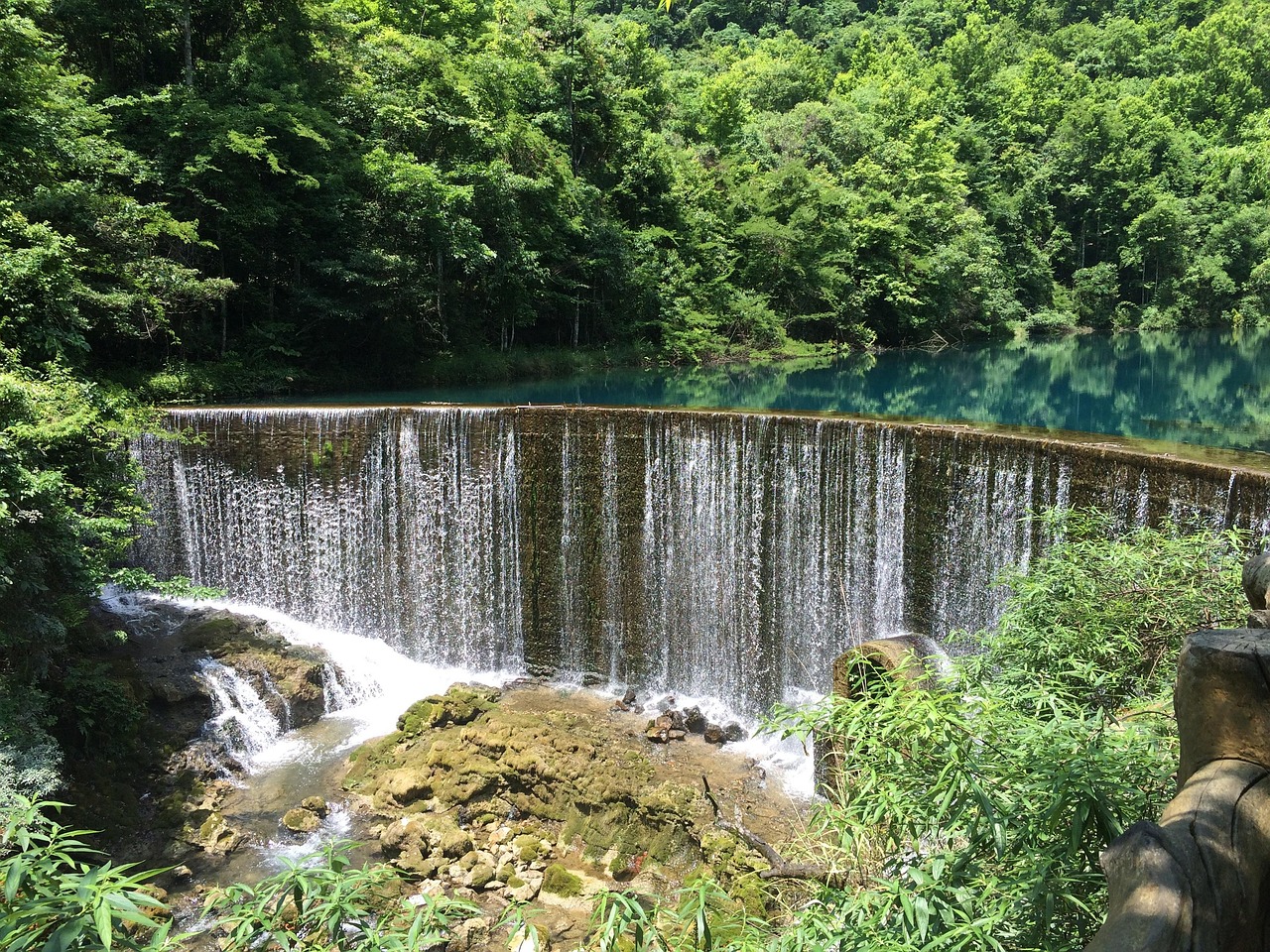
The classic route combines Huangguoshu’s waterfall areas, Xiaoqikong’s pools and forest paths, and a Xijiang village stay. Moving between overnight bases can reduce repeated returns to Guiyang, but the touring days still include significant road stages.
The five-day Huangguoshu, Libo and Xijiang programme is a starting point for comparing this shape. Read its hotel sequence and service scope before deciding whether to adapt it. Adding Zhijin Cave and Grand Canyon produces a busier programme: the caves-and-waterfalls five-day version has four touring days and no final Guiyang hotel night.
For a first trip with children, older relatives or limited walking stamina, an extra night can be more useful than another attraction. Put it where it removes a rushed transfer, allows a second village morning or gives space before the final flight. Do not add the night automatically at the start if the demanding stage is near the end.
Choose a seven-day extension by interest
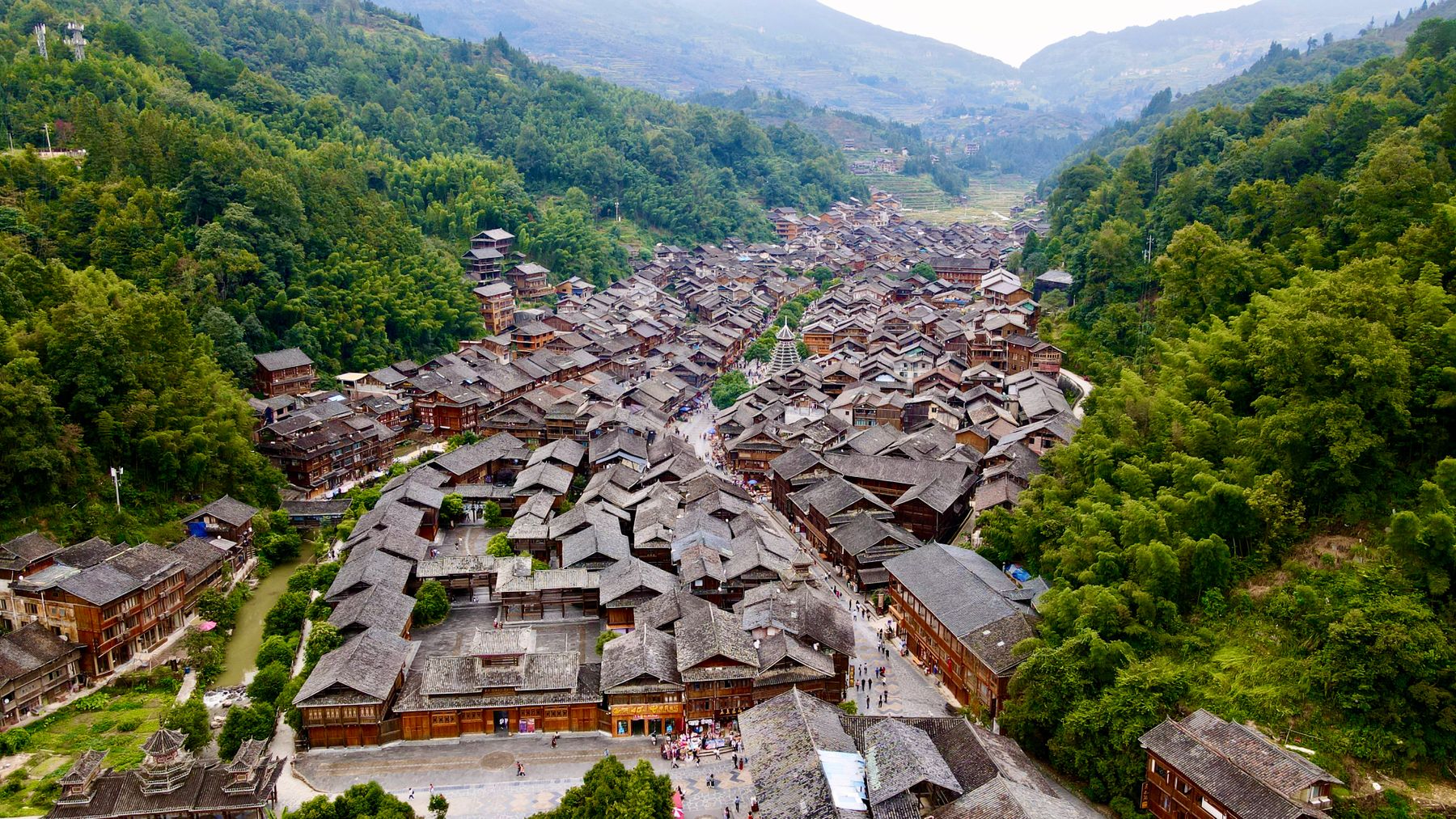
Use the extra days to deepen one part of the province. A village-focused extension can add Basha and Zhaoxing to the nature circuit. It creates different cultural settings and accommodation nights, rather than only more time at Xijiang. The seven-day nature and Miao–Dong village route shows one such sequence.
A southwestern route instead focuses on Zhijin Cave, Wumeng Grassland, Wanfenglin and Malinghe Gorge, with Huangguoshu fitted into the selected programme. Compare the southwestern grassland and karst circuit if those landscapes matter more than Libo and Xijiang. It is a different geographical choice, not a small detour from the eastern village route.
Maotai and Chishui form another direction. The two-day Maotai and Chishui route is useful for comparing the northern stage. If you want it as well as the classic circuit, allow its own transfer and overnight time. A town visit does not imply factory access or a private tasting.
Guiyang base or changing hotels?
| Arrangement | Choose it when | Check the practical detail |
|---|---|---|
| Return to Guiyang | A city hotel, fewer check-ins and independent city evenings matter most | Hotel–station or road pickup, final scenic transfer and the last return service |
| Move through Libo and Xijiang | The classic circuit and a village night matter more than keeping one room | Daily road stage, luggage storage, room location and the final walk |
| Stay longer in one scenic area | Slow photography, children’s breaks or walking limits need more space | Actual hotel location and what can be reached without another long transfer |
At Xijiang, an address inside the visitor area does not mean a car can stop at the guesthouse door. Discuss the scenic-transport stop, steps, slope and baggage assistance. Carry a small overnight bag if larger cases can be stored securely by prior arrangement. An impressive balcony photograph does not answer those questions.
At Libo, choose accommodation around the entrance and onward journey you will actually use. The station, town and scenic gates are different places. Tell the driver or hotel the exact meeting point, not only “Libo” or “Xiaoqikong”.
Fit the walking route to the day
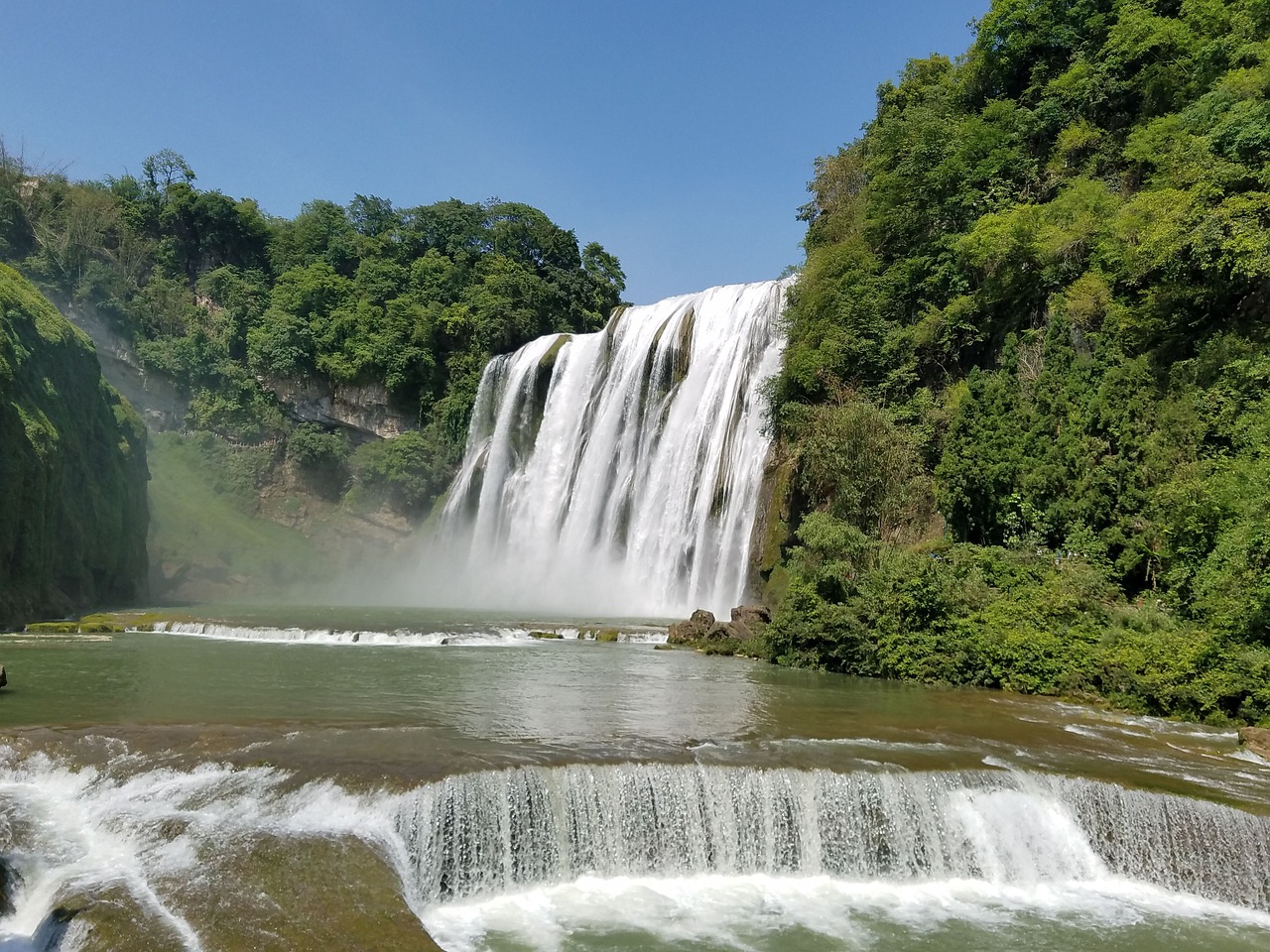
Huangguoshu’s main waterfall, Doupotang and Tianxingqiao are separate visitor areas connected by scenic transport. A plan that skips a long Tianxingqiao walk is different from a full walking programme. An escalator or shuttle reduces a particular stage; it does not establish step-free access throughout the scenic area.
Water Curtain Cave needs its own booking and safe operating access. The scenic operator’s reservation notice directs visitors to Anlvtong and separates the cave time slot from a main ticket bought through another channel. Treat a main park ticket and a cave reservation as two checks, and have an outdoor-view alternative if the cave cannot be visited.
At Xiaoqikong, select the open paths and operating scenic-transport connections around your entrance, exit and onward journey. Boats and extra activities should have their own allowance. The operator’s published safety notice explains that access can change with weather and safety inspections; its July reopening concessions are historical, not current discounts.
Rail tickets and foreign-passport planning
China Railway’s official English FAQ accepts eligible foreign passports and requires the original document used to buy the ticket for travel. Use the exact passenger details and station name on the booking. Guiyang, Guiyang North and Guiyang East are not interchangeable pickup labels.
Before buying a return train, work backwards from the scenic exit: local transfer, road traffic, the station entrance, security and boarding. A traveller’s old fare, timetable or teacher discount is not evidence for your date or overseas documents. Check the actual service and applicable ticket category in the official booking channel.
For hotels and attractions, arrange the booking with the travel document you will carry. If a form only accepts a Chinese identity-card number, ask the operator which passport booking or staffed entry procedure applies. Do not enter a fabricated document number or assume a domestic discount applies to an overseas credential.
Build a budget from separate parts
| Cost to compare | What the proposal should say | Common assumption to avoid |
|---|---|---|
| Road and guiding | Vehicle days, pickup/drop-off, luggage capacity, driver and guide language | Private car means English guide |
| Accommodation | Exact nights, room occupancy, breakfast and final access to the property | A child seat in the car includes a child bed |
| Visits | Main admission, scenic buses, lifts, boats and separate reservations | Every internal ride is included with the main ticket |
| Meals and personal needs | Included breakfasts, other meals, allergies, halal requests and prayer breaks | A normal hotel breakfast is halal-certified |
Tell the planner about food preferences and a no-smoking room or dining preference before properties and meal stops are chosen. Do not build the day around a restaurant’s social-media queue or a promised smoke-free environment that the venue has not confirmed. A simple alternative meal stop can matter more than another distant attraction.
If rain, closures or a tight connection changes the plan
Keep a lower-effort alternative within the area where you are staying. An operating closure is not solved by using a different entrance or an old path from a social post. Ask which visits remain available, how the transport and admission costs change, and whether the party prefers to shorten the day or move the visit.
Keep the final night and departure in the same planning conversation. A late return from Xijiang, Chishui or Xingyi should not be matched to an early flight simply because both places are in Guizhou. If the departure is fixed, reduce the preceding visit or add a Guiyang night.
Turn the choice into a workable enquiry
Start with three decisions: how many usable touring days you have, whether you want a Guiyang base or moving hotels, and which one extension matters most. Then send dates, arrival/departure services, party size, children’s ages, room preferences, luggage, walking limits, language and meal requirements through Plan My Trip.
Use the Guiyang destination page for the gateway, compare actual service scopes in the Guizhou private tour collection and browse scenic journeys or cultural routes according to the part of the trip you value most.
Private itinerary options
- 3-Day Zhijin, Wumeng and Xingyi Private Tour — compare the actual start point, day sequence and included services.
- 5-Day Zhijin, Chishui and Wujiang Private Tour — compare the actual start point, day sequence and included services.
- 5-Day Jiabang Terraces, Miao and Dong Village Tour — compare the actual start point, day sequence and included services.
Compare private Guizhou circuits
- 3-Day Huangguoshu, Xiaoqikong and Xijiang Private Tour — three full touring days with Libo and Xijiang nights; an intensive option.
- 7-Day Guizhou Caves, Villages and Museum Private Tour — a separate Guiyang museum day after the cave, waterfall and village circuit.
For the terrace stay itself, the Jiabang Rice Terraces transport and overnight guide compares a day visit with one or two nights and explains the separate road, scenic-transport and guesthouse connections.
For a different mountain-focused route in western Guizhou, see the Wumeng road-trip guide. It separates the six-day mountain core from an eight-day wider loop, distinguishes the Jiucaiping scenic areas, and explains the dated vehicle and internal-transport notices.