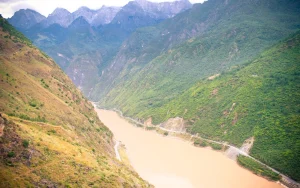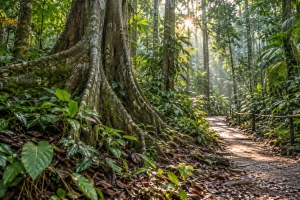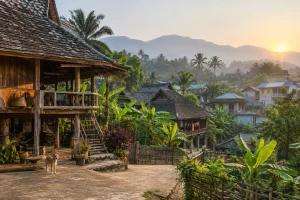

Good Lijiang travel begins by understanding that the historic area extends beyond Dayan Old Town. It also includes Baisha and Shuhe, each with a different relationship to Naxi history, trade and everyday life. Treating all three as interchangeable photo stops misses the destination’s real character.

Choose the right Lijiang day
| Interest | Best area | Recommended time |
|---|---|---|
| Historic lanes and water system | Dayan | Early morning |
| Naxi history and murals | Baisha | Half day with a guide |
| Gentler old-town atmosphere | Shuhe | Late afternoon |
| Alpine scenery | Jade Dragon Snow Mountain area | Weather-dependent full day |
| Active adventure | Tiger Leaping Gorge | Two days for a meaningful hike |
A three-day cultural route
Day one: walk Dayan before the shops fully open, trace the canal network and visit Black Dragon Pool. Day two: continue to Baisha with time for mural interpretation and a locally run lunch. Day three: select one mountain experience; do not combine a high-elevation cableway, Baisha and a long evening programme simply because they fit on a map. Lijiang sits at roughly 2,400 metres. Most visitors manage ordinary sightseeing, but the sun is strong and exertion can feel different. Build in water, sun protection and a calm first afternoon. Travellers continuing to Shangri-La should ascend gradually.
How to travel respectfully
- Ask before photographing residents, ceremonies or religious objects.
- Buy crafts from makers who can explain materials and process.
- Avoid describing Naxi culture as a performance created for visitors.
- Use refillable water bottles where practical and keep noise low in residential lanes.
Best Time to Visit and Seasonal Weather
Our recommendation: April to May and mid-October to November are the most reliable periods for Lijiang travel: comfortable daytime walking, relatively good mountain visibility and fewer heavy-rain interruptions. June to September is greener but wetter. December to February is dry and bright, with cold mornings and busy domestic-holiday dates. The table below is a planning guide, not a live forecast. Yunnan’s elevation changes create large local differences, so check each overnight stop shortly before departure.
| Season or route | Typical conditions | Who it suits |
|---|---|---|
| Spring (Mar–May) | Bright sun, dry air and cool nights; flowers increase from April | Excellent for Baisha and village walks |
| Summer (Jun–Aug) | Mild rather than hot, but rainy with cloud around the mountains | Good for green scenery; mountain views are less predictable |
| Autumn (Sep–Nov) | Rain decreases; clear mornings; nights become cold | Mid-October to November is our preferred window |
| Winter (Dec–Feb) | Dry, sunny and cold at night | Good photography light; pack insulation |
Where to Go and What Is Actually Worth Your Time
Dayan Old Town
Arrive around sunrise, follow the historic canal system and continue to Black Dragon Pool before commercial activity peaks.
Baisha
Allow a half day for the murals, Naxi history and a village lunch. It is the best place to slow down rather than collect another old-town photo.
Shuhe
Use it as a late-afternoon stop or a quieter accommodation base; confirm vehicle access for luggage.
Jade Dragon Snow Mountain
Book the appropriate cableway and shuttle in advance when required. Weather, altitude and capacity controls affect the experience.
Tiger Leaping Gorge
For hikers, a two-day route is more rewarding than a rushed viewpoint stop. Trail conditions must be checked after heavy rain.
What to Eat: Local Dishes Worth Planning Around
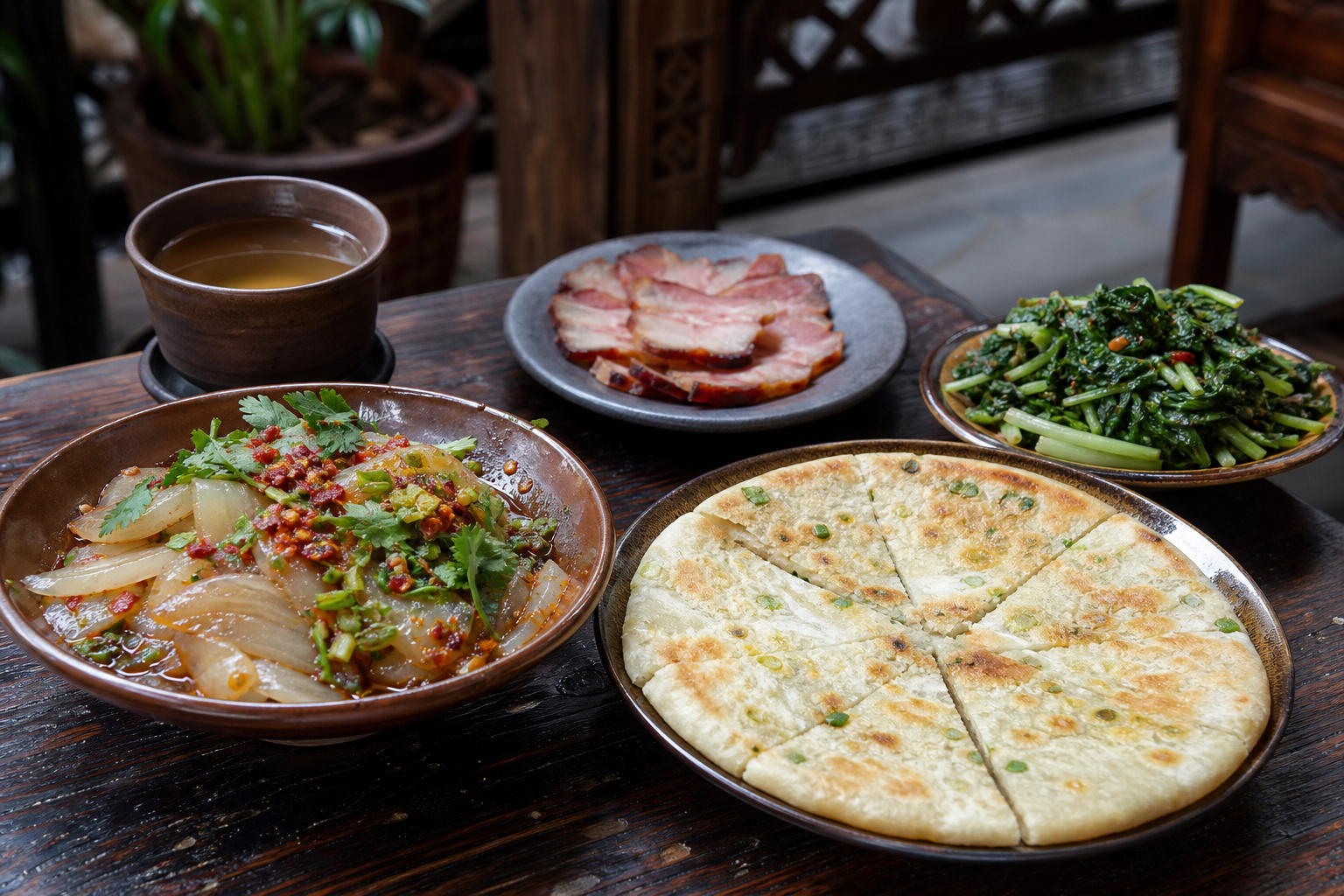
Chicken-bean jelly
A Lijiang staple with a springy texture, commonly seasoned with chilli oil, vinegar, garlic and herbs.
Lijiang baba
A layered round flatbread that can be savoury or sweet; best eaten freshly cooked.
Naxi cured pork
Rich and salty, usually shared with vegetables rather than ordered as a full plate for one person.
Naxi hotpot
A practical evening meal in colder months; ask the restaurant to explain the local ingredients rather than ordering a generic hotpot.
Our Recommended VeroTrip Route
2-Day Tiger Leaping Gorge Hiking Tour from Lijiang
We recommend this route to active travellers who want Lijiang to be more than an old-town stay. It adds a genuine landscape experience while keeping the trail, accommodation and transfer logistics under local coordination. See the itinerary and ask about dates, pacing or hotel options →
Sources
Old Town of Lijiang listing explains the three component settlements, functioning water system and cultural interchange that shaped the town. Conditions at mountain attractions and trails can change; verify locally before departure.
Local Planner Notes
Lijiang becomes more meaningful when the route moves beyond the busiest commercial lanes. Use quieter hours for the old town, then add a Naxi village, music, food or Dongba cultural context with a knowledgeable local guide.
Frequently Asked Questions
How many nights should I spend in Lijiang?
Two nights suits a focused old-town and Baisha visit. Three nights is better when you want a weather-sensitive mountain day, a slower pace or time in Shuhe and the surrounding villages without changing hotels.
Should I stay in Lijiang Old Town, Shuhe or Baisha?
Old Town is convenient for evening atmosphere but can involve cobbled lanes and luggage handling. Shuhe is quieter, while Baisha suits travellers who prefer village access and a calmer base. Choose around walking tolerance and the rest of the route.
Can I combine Jade Dragon Snow Mountain and Tiger Leaping Gorge?
Not comfortably as a single day. Each needs its own planning around transport, weather, altitude and walking. Choose the one that best matches your interests, or add a night if both are priorities.
Does Jade Dragon Snow Mountain require altitude preparation?
The mountain visit reaches a high-elevation setting, even though Lijiang itself is lower. Keep the schedule light, follow local advice and tell your guide if you feel unwell. Weather and cable-car operations should be checked near the date.
How does Lijiang connect with the rest of Yunnan?
It connects well by rail with Kunming and Dali, while Shaxi, Tiger Leaping Gorge and Shangri-La usually involve road travel. Allow proper transfer time instead of treating Lijiang as a quick overnight stop.
Related Planning
Turn the Idea Into a Workable Route
Share your dates, arrival and departure cities, preferred pace and the experience that matters most through Plan My Trip. VeroTrip can compare the practical route options and prepare a written proposal with confirmed inclusions and limitations.
Continue Planning Your Yunnan Trip
Use these Yunnan resources to compare route length, season, transport, budget and private travel options before fixing the daily sequence.