Menghai
Tea Beyond the Tasting Room
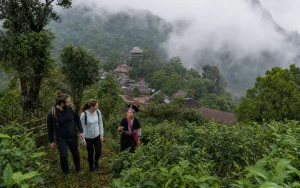
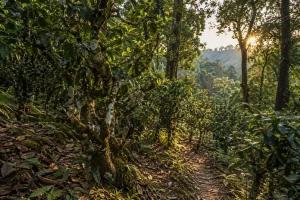
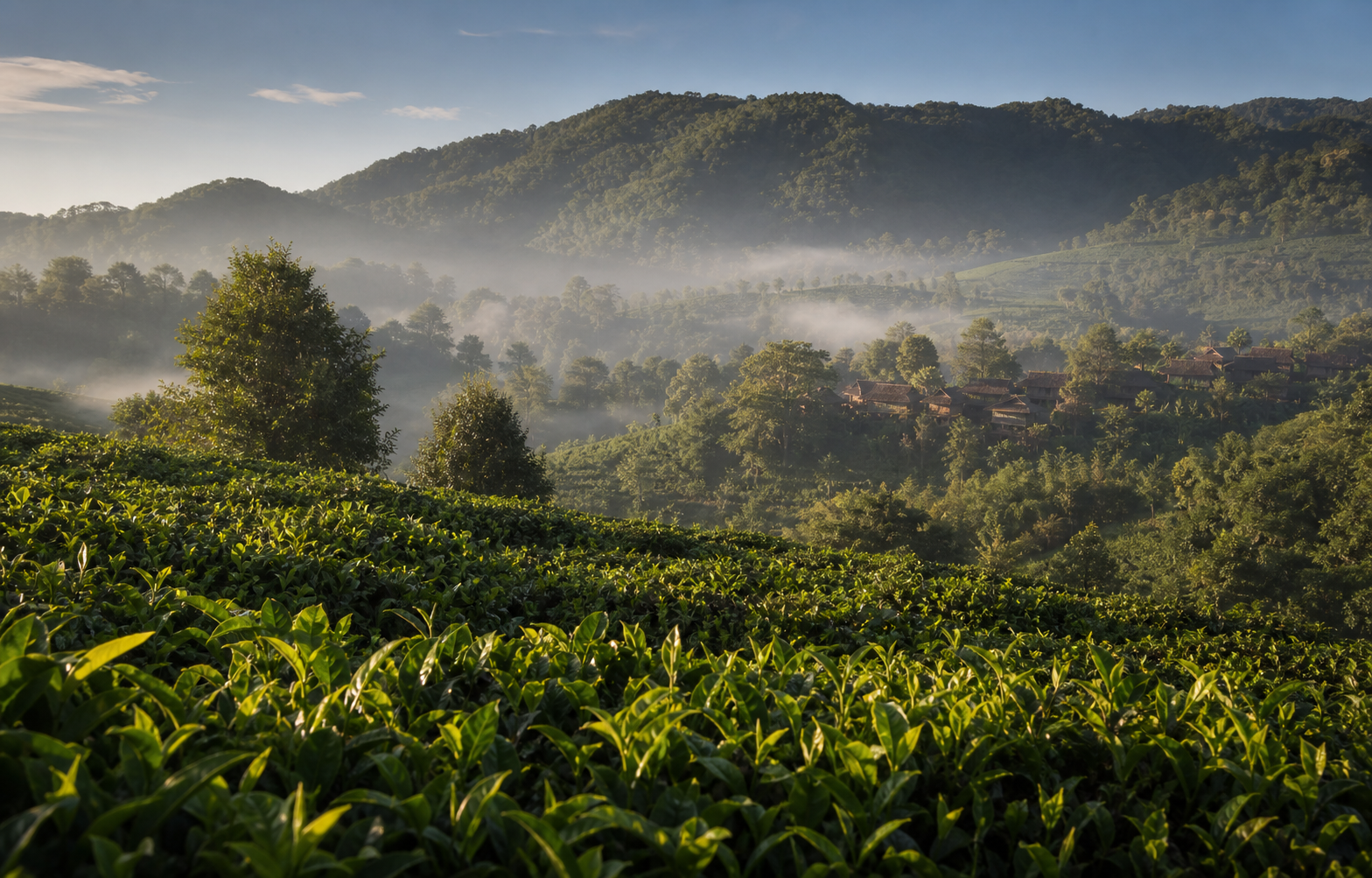
A well-designed Menghai trip combines a garden walk, a confirmed tea-making demonstration and village craft such as Manzhao handmade paper. Private factories and warehouses are visited only by prior appointment.
Season and Access
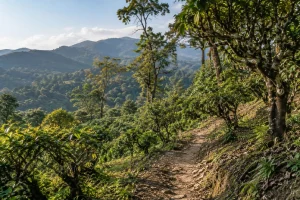
Tea picking is seasonal, and mountain trails can be slippery during rain. The itinerary should always allow the host to substitute a processing demonstration or comparative tasting when fresh leaves are unavailable.
How Long to Spend in Menghai
One to two nights are usually enough for a focused tea and village-craft extension. Use more time only when Menghai is part of a wider Xishuangbanna or southern Yunnan route rather than a single tasting stop.
When to Visit
Tea work, rainfall and access to mountain gardens change through the year. Arrange the producer or workshop in advance, but keep the order of outdoor visits flexible for weather and local conditions.
Getting There and Route Planning
Menghai is most naturally linked with Jinghong and nearby tea areas by private vehicle. Do not schedule a long arrival drive, a mountain garden and a village workshop as if they were one short day.
Frequently Asked Questions
Can I visit a tea workshop in Menghai?
Yes, when a host is available and the activity matches the season. A tasting and explanation of processing can often be arranged even when fresh-leaf work is not underway.
Is Menghai suitable for travellers who do not drink tea?
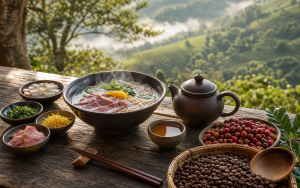
Yes, if the route also includes village craft, food or landscape time. The visit is stronger when it explains local life and production rather than relying only on a tasting.
Can it be combined with Jingmai Mountain?
It can, but the route needs enough nights and realistic road planning. Your planner should set the sequence around current access and the activities that matter most.
How much walking is involved in Menghai?
Expect short walks at tea workshops, village lanes and mountain gardens, with uneven ground possible outside town. Tell your planner about mobility needs, preferred pace or the need for regular rest breaks so the route uses suitable hosts and vehicle access.