7-Day Pu’er & Jingmai Tea and Coffee Tour
Overview
Spend a week comparing Pu’er coffee with Jingmai’s forest-grown tea, using two comfortable bases and time with local hosts. Three full mountain days keep village visits and walking unhurried.
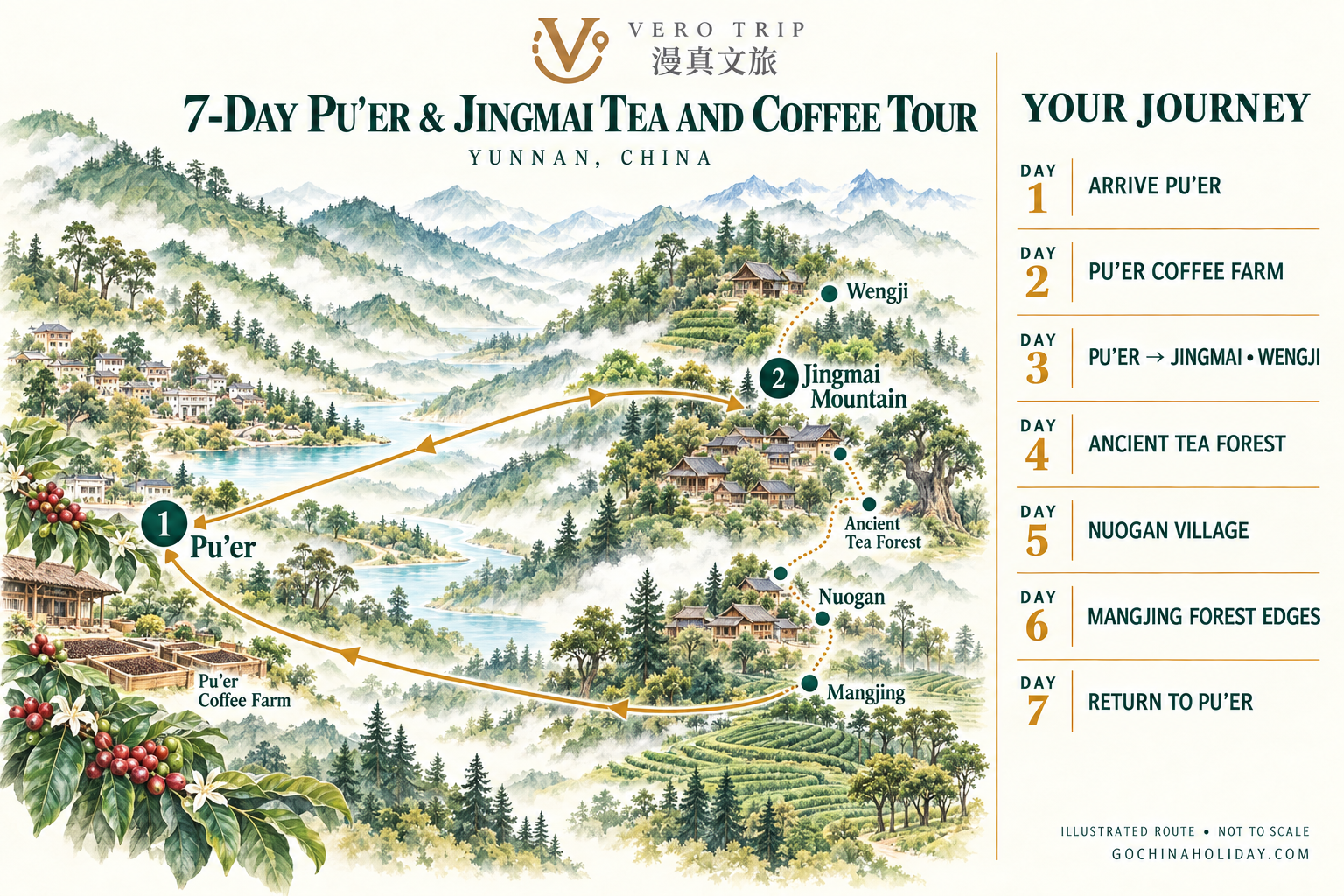
Your Route Map
Is this trip right for you?
Travellers who enjoy flavour, photography and slow mornings more than a long list of attractions.
Route: Pu’er → Jingmai Mountain → Pu’er
Overnight plan: 2 nights in Pu’er, 4 nights in Jingmai Mountain. The final day is departure.
When to travel
Choose the drier months for easier paths, or spring for the possibility of seeing tea work. Farm activities and cloud views depend on local conditions.
How your private trip works
The day plan leaves room for meals, comfort stops and the pace of your party. Road times are planning estimates and may lengthen in rain or holiday traffic. Your final proposal confirms the meeting point, hotels, private vehicle, guiding language, included admissions and any booked workshops before payment. Domestic flights and trains are included only when itemised in that proposal. Travel insurance, personal purchases and meals not specified remain separate.
Tell us your dates, number of travellers, ages of children, walking preferences and preferred room arrangement. We can shorten walks and adjust departure times while keeping the overnight route practical. Hosted visits depend on the host’s availability; no shopping purchase is required.
Plan the details
- How to Get to Jingmai Mountain: Lancang, Pu’er or Jinghong?
- Wengji or Nuogan? Where to Stay on Jingmai Mountain
Explore more Jingmai tours and travel advice.
Daily Itinerary
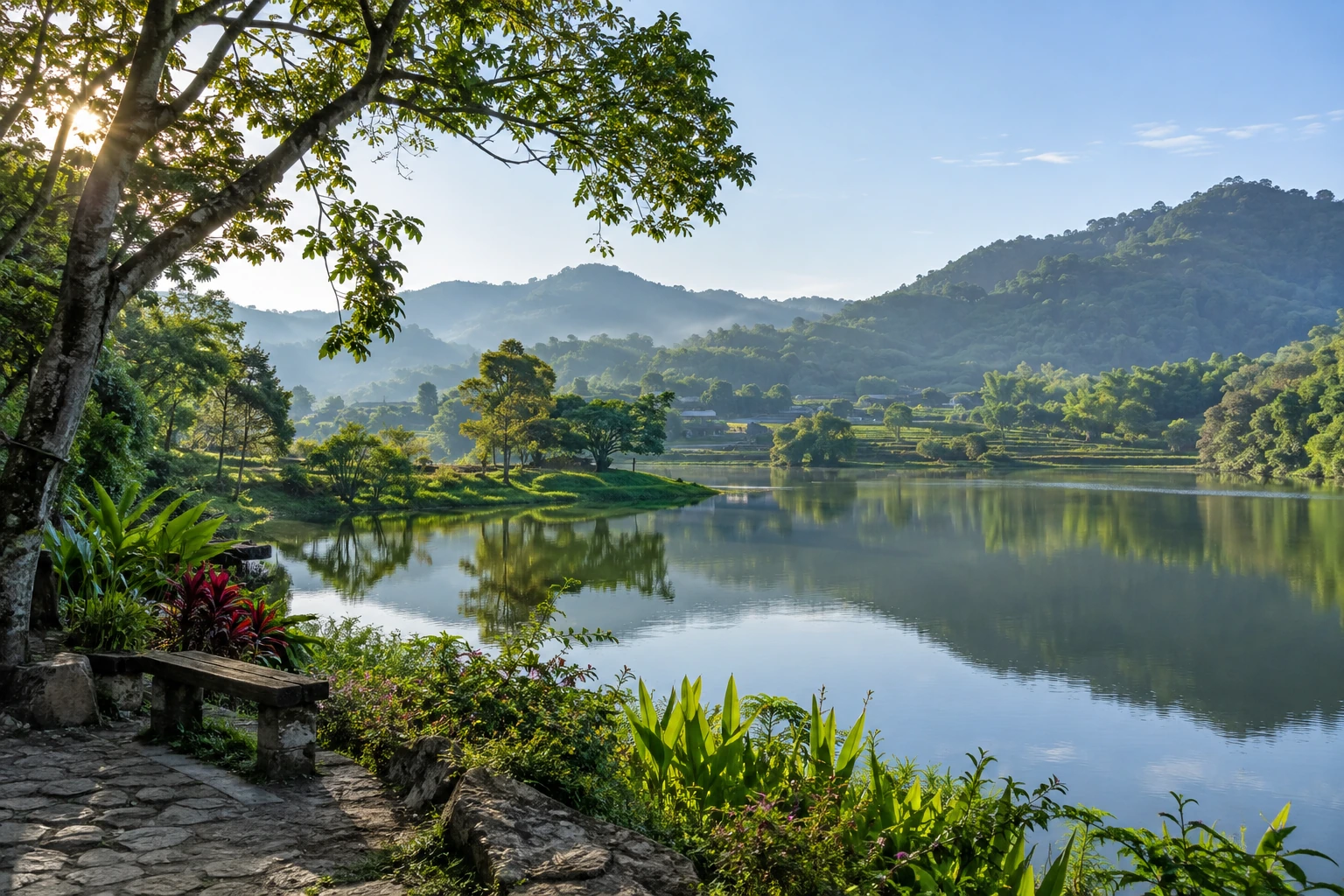
Meet your driver at Pu’er railway station or the airport and transfer to your hotel. Keep the first afternoon light: a short lakeside walk and a simple introduction to local rice noodles work well after a flight or train. Your guide discusses tea preferences and confirms the farm appointment for tomorrow. Late arrivals go straight to the hotel; no essential visit depends on arriving before lunch.
Overnight: Pu’er. Travel and walking: Local transfers, usually 30–60 minutes according to arrival point.
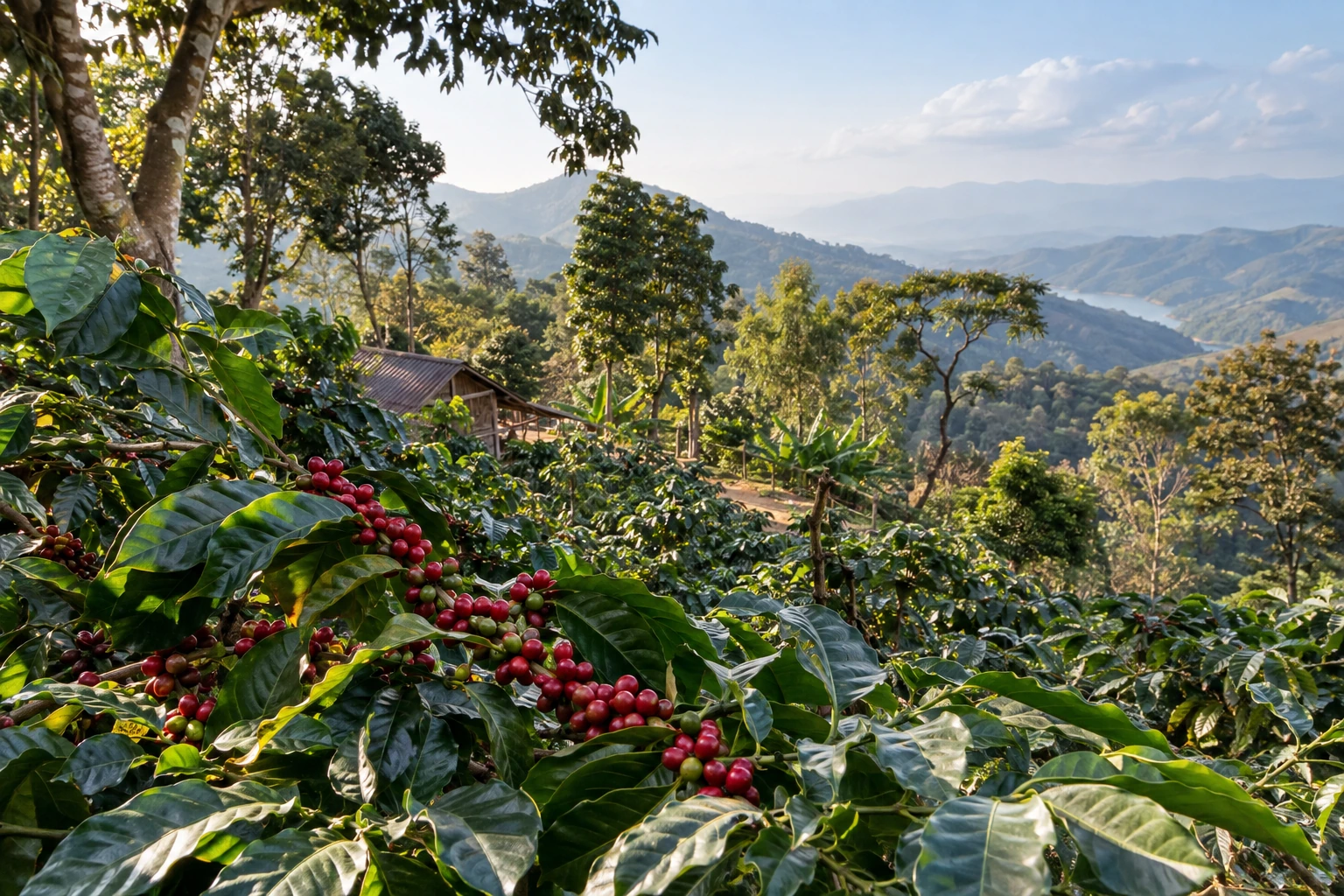
Spend the morning at a small coffee farm outside Simao, arranged with a host in advance. Walk a manageable section between shade trees, then compare a locally roasted cup with the raw agricultural product. Harvesting and processing are seasonal, so the visit centres on what is actually happening that week. Return after lunch, leaving the late afternoon free for a cafe or a rest before the mountain journey.
Overnight: Pu’er. Travel and walking: Allow 1–2 hours of road travel in total; easy farm walking.
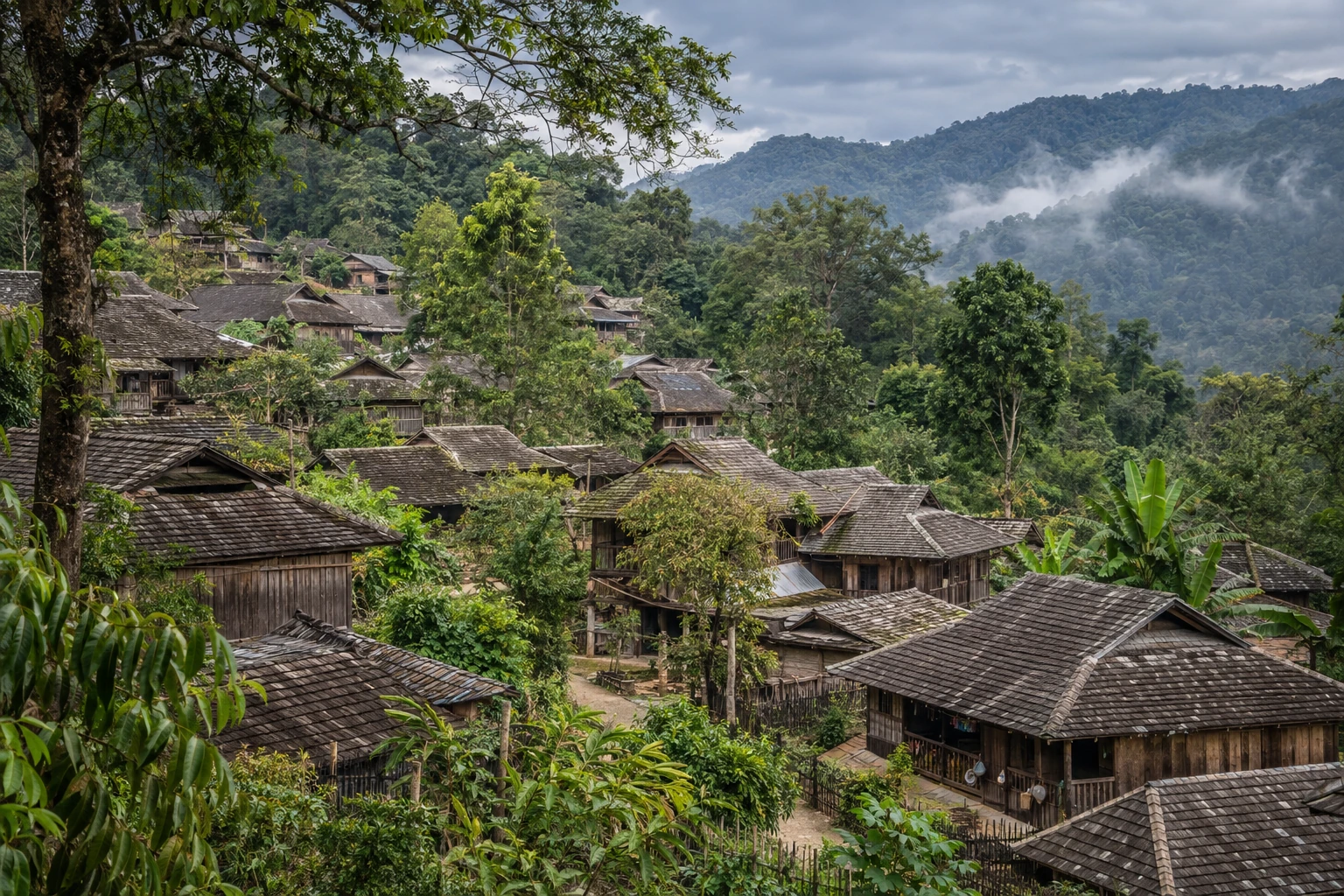
Leave Pu’er after breakfast and allow most of the morning and early afternoon for the road to Jingmai Mountain, with a lunch and comfort stop. Settle into a village guesthouse before exploring Wengji on foot. Notice how timber homes fit between mature trees and tea gardens. Keep the walk short on this transfer day, and ask before entering homes or photographing residents.
Overnight: Jingmai Mountain. Travel and walking: Pu’er to the mountain villages: roughly 4–5 hours including sensible stops.
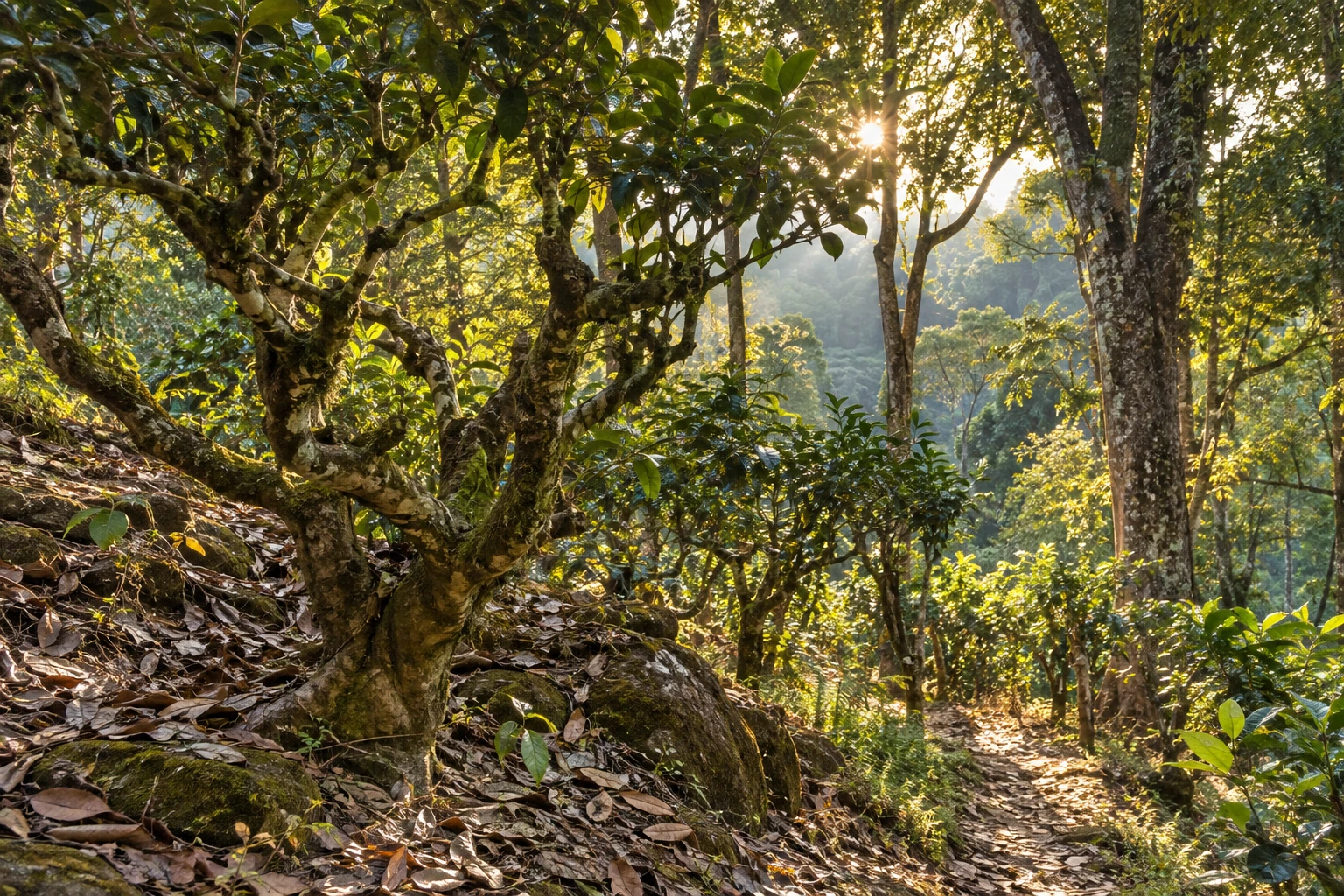
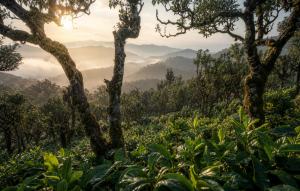
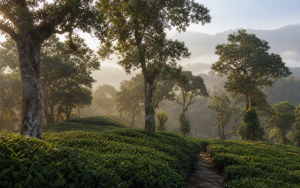
Walk with a local guide along an established path through the old tea forest. The interest lies beneath the high canopy: scattered tea trees, leaf litter and the relationship between forest shade and cultivation. Plan about two hours with pauses, with a shorter option when paths are wet. After lunch, enjoy a hosted tea tasting; picking is added only during a suitable harvest period and with the grower’s agreement.
Overnight: Jingmai Mountain. Travel and walking: Short village drives; approximately 2–4 km of uneven forest walking, adjustable.
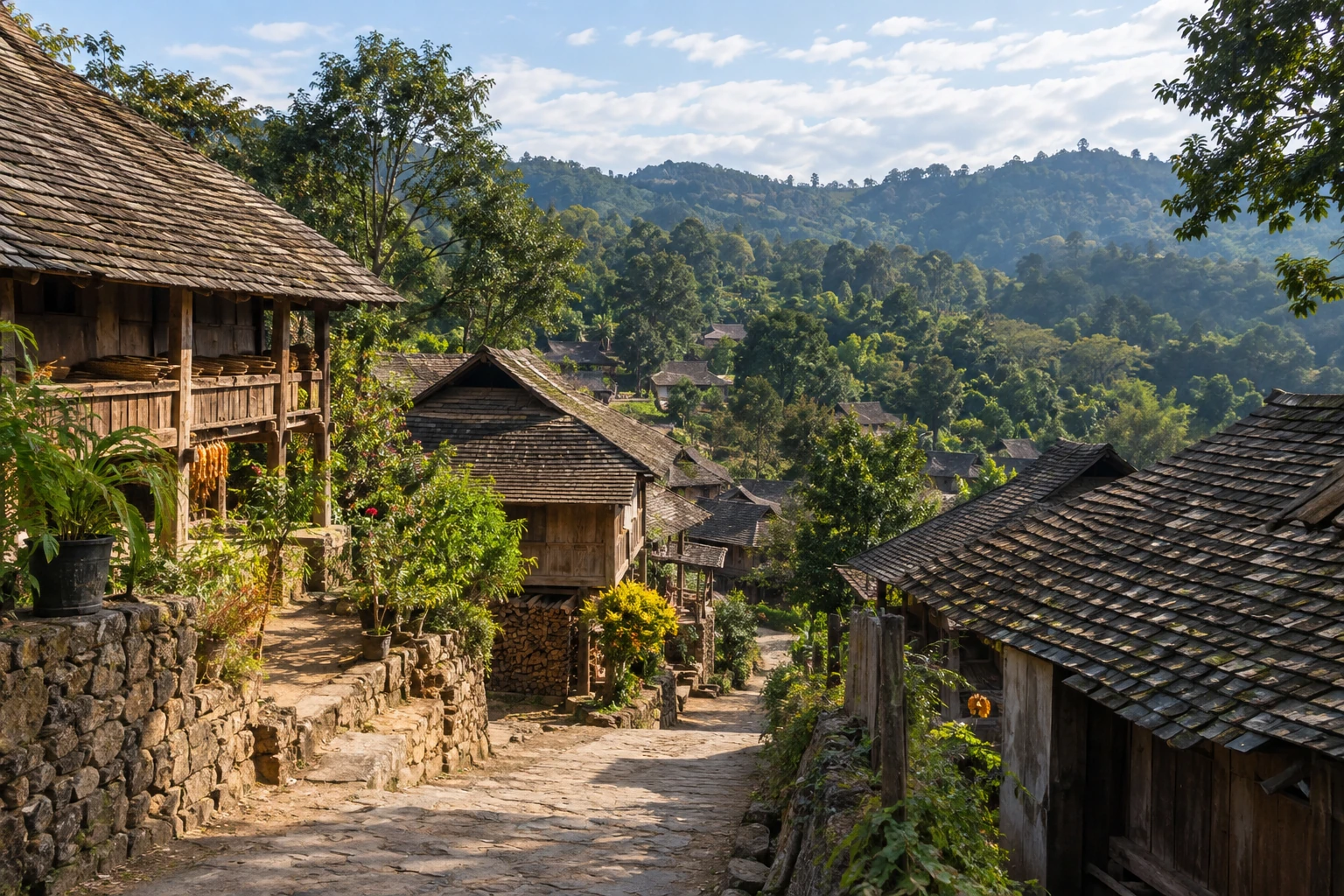
Take a relaxed morning in Nuogan, following lanes between timber houses rather than rushing from viewpoint to viewpoint. A guide can explain differences between nearby Dai and Blang communities without treating daily life as a performance. Spend the afternoon over tea with a willing host or read on the guesthouse veranda. Allow time for photographs in changing light, keeping cameras away from private interiors unless invited.
Overnight: Jingmai Mountain. Travel and walking: Short mountain-road transfers, generally under 1 hour each way.
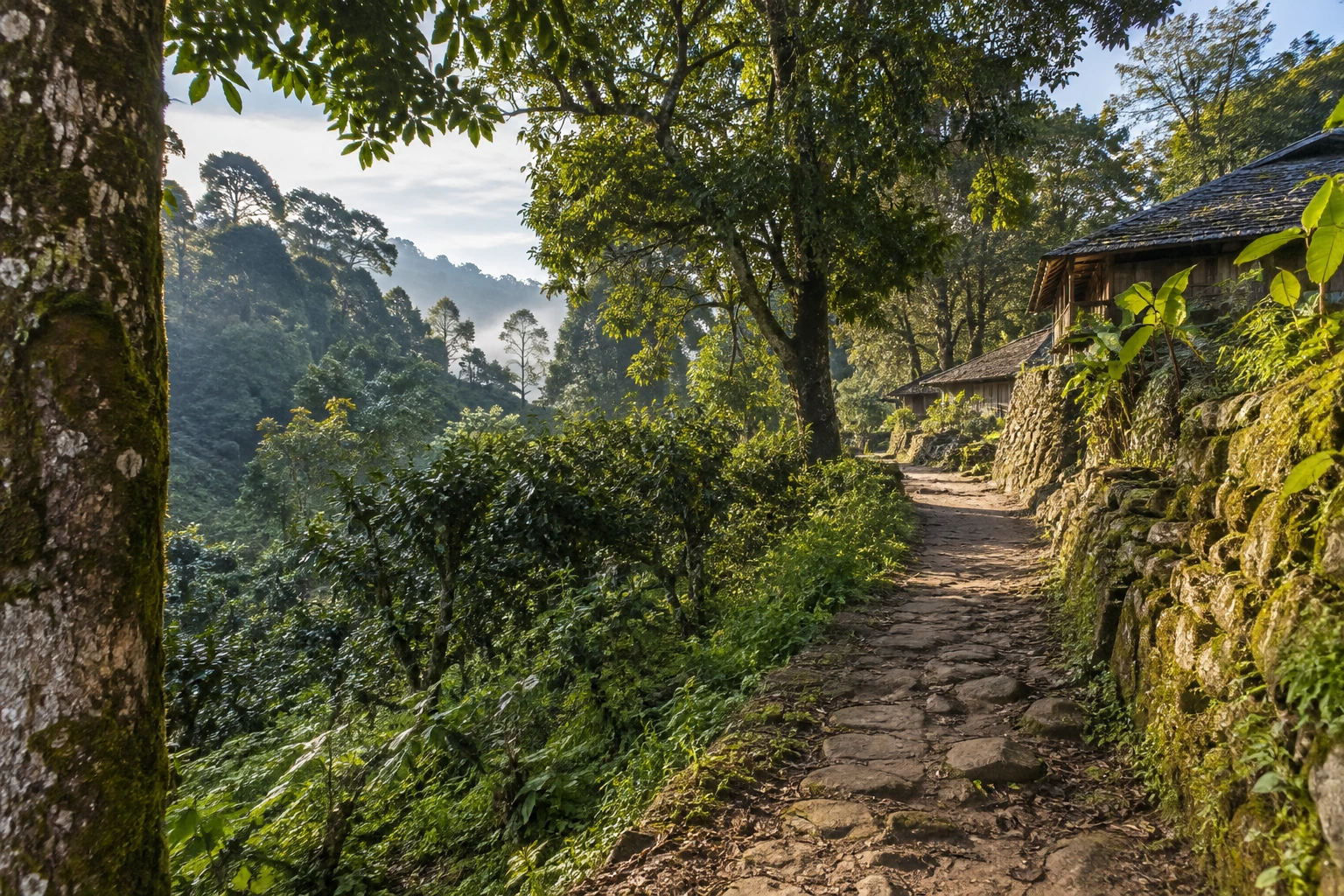
Explore a village-edge route around Mangjing with a local guide, choosing the path according to the weather and residents’ advice. Look at the transition between homes, tea trees and taller woodland. Return for a leisurely lunch, then leave the afternoon open for another tasting or a missed viewpoint. Sacred areas and private plots stay outside the walk unless the community explicitly welcomes visitors.
Overnight: Jingmai Mountain. Travel and walking: Short drives between villages; around 1–2 hours of optional walking.
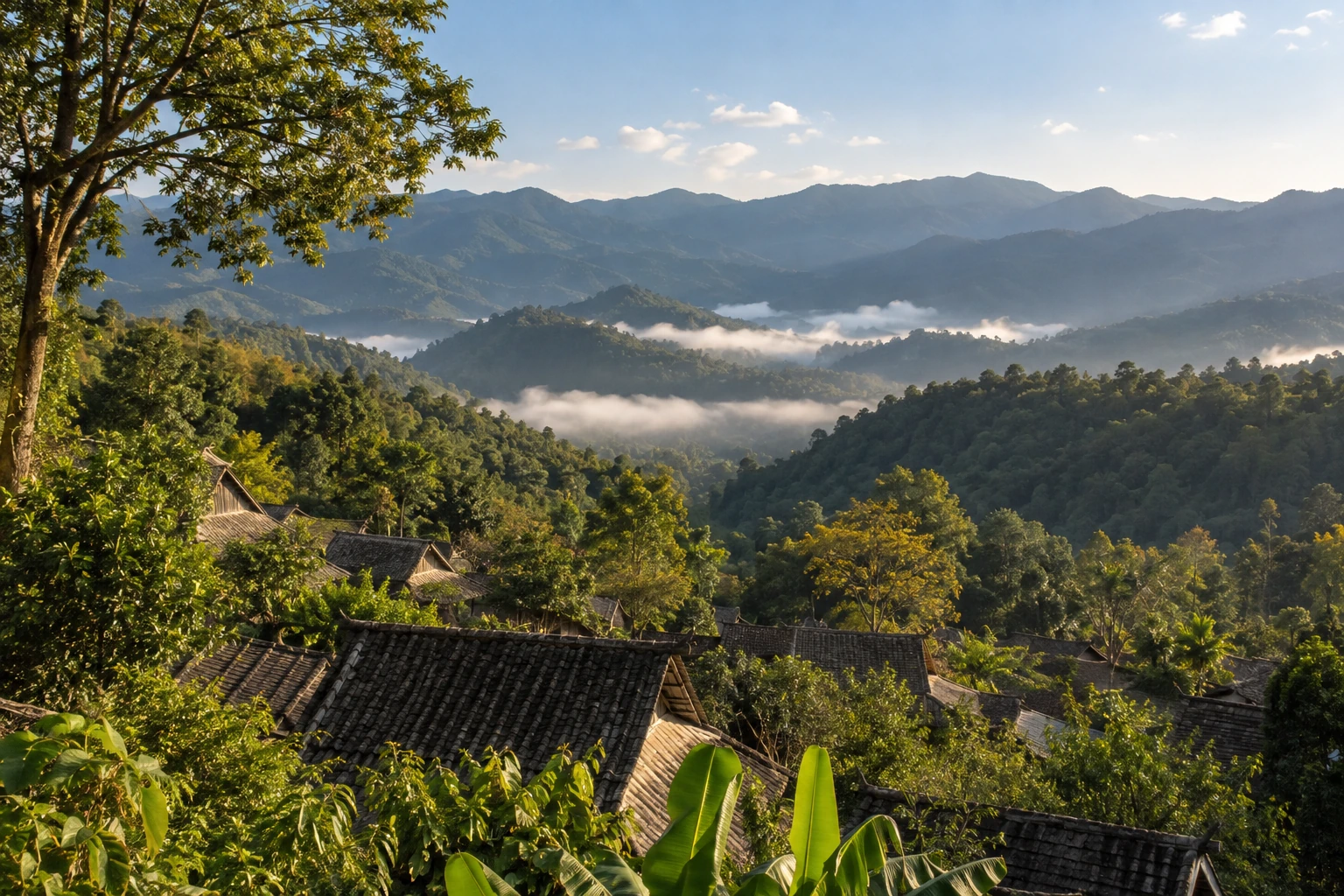
Enjoy an early breakfast before returning to Pu’er by road. Take a comfort stop on the way and finish at your city hotel or agreed station. The journey takes priority over extra sightseeing today. For an onward train, choose a late departure only after checking the driver’s current road estimate; otherwise add a night in Simao and leave the following morning.
Overnight: Departure. Travel and walking: Allow 4–5 hours with breaks; onward departure buffer is additional.