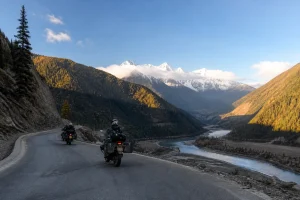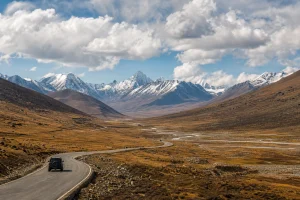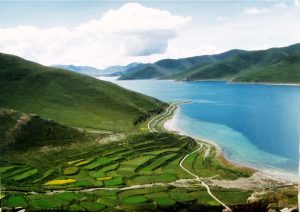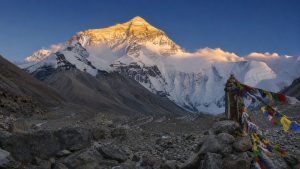
Featured Tibet Everest, Kailash & Overland Journeys
Three Distinct Journey Styles
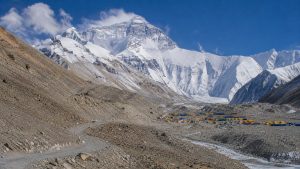
- Everest routes link Lhasa and Shigatse with long road days and very high sleeping elevations.
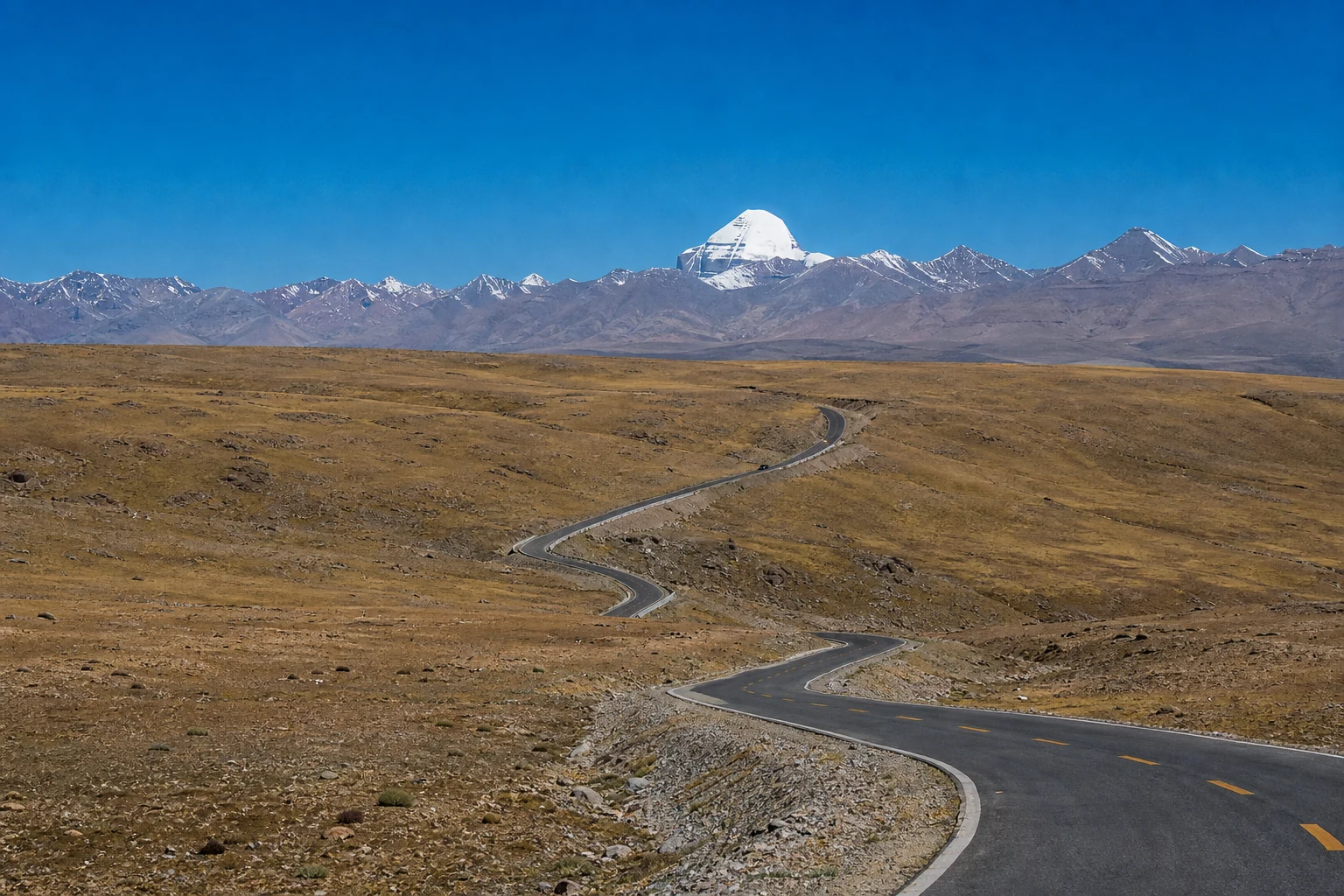
- Mount Kailash journeys require more time, conservative pacing and clear expectations for pilgrimage conditions.
- Lhasa–Kathmandu overland routes depend on current border operations, permits and the confirmed direction of travel.
Altitude and Acclimatization
High altitude is the central planning constraint. The route should show sleeping elevations, acclimatization days, daily road hours and what happens if a traveler should not continue higher. No itinerary can confirm a person’s response to altitude.
Permits, Borders and Operating Conditions
Tibet permits, passport and visa rules, attraction access and border procedures must be confirmed for the traveler’s nationality and dates. Weather, road controls and local regulations can change the order or feasibility of remote sections.
Respectful Travel
Mount Kailash and monastery routes carry religious meaning. Travelers should follow local guidance, avoid intrusive photography and treat pilgrimage practices as living traditions rather than staged attractions.
Who This Theme Suits
These journeys suit experienced travelers who accept long transfers, basic conditions in remote areas and limited flexibility after permits are issued. Short first-time visitors may be better served by a lower and slower Lhasa-centered route.
Plan a High-Altitude Journey
Share nationality, passport status, dates, previous altitude experience and preferred route through Plan My Trip. Feasibility must be checked before international connections are fixed.
How to Choose the Right Tibet tours to Lhasa, Everest and Kailash
Start with the outcome your group wants, then compare routes by operating season, daily pace, transport time and the experience that makes this theme distinctive. Do not choose only by the number of places in a title. A shorter route with enough time for the main activity can be more useful than a long itinerary that treats every stop as a photo break. Next, read the individual itinerary and write down what is confirmed, what is optional and what still depends on date-specific availability. Compare hotel changes, early starts, physical demands, guide or instructor support and any permit, equipment, dietary or weather requirement. Share these priorities in the first enquiry so the planner can recommend a suitable published route or explain why a custom version is the safer choice.
Compare All Tibet Everest, Kailash & Overland Journeys Options
Every published itinerary currently matched to this theme is listed below. Open the individual tour for its day-by-day route, inclusions and planning notes; then compare dates, pace and operating conditions before requesting a quote.
- 7-Day Lhasa to Kathmandu Overland Group Tour — Route: lhasa-shigatse-everest-base-camp-gyirong-kathmandu
- 8-Day Kathmandu to Lhasa Overland Group Tour with Everest — Route: kathmandu-gyirong-everest-base-camp-shigatse-gyantse-yamdrok-lhasa
- 8-Day Lhasa to Everest Base Camp Group Tour — Route: lhasa-yamdrok-gyantse-shigatse-everest-base-camp
- 8-Day Nyingchi, Pomi, Lhasa & Shigatse Group Tour — Route: nyingchi-pomi-lhasa-yamdrok-gyantse-shigatse
- 10-Day G318 Sichuan-Tibet Small Group Overland Tour — Route: Chengdu-Kangding-Qamdo-Nyingchi-Lhasa
- 10-Day Lhasa, Everest Base Camp & Namtso Group Tour — Route: lhasa-yamdrok-gyantse-shigatse-everest-base-camp-namtso
- 10-Day Nyingchi, Pomi, Lhasa & Everest Base Camp Group Tour — Route: nyingchi-pomi-lhasa-yamdrok-gyantse-shigatse-everest-base-camp
- 12-Day Chengdu to Lhasa G318 Overland Group Tour via Daocheng Yading — Route: Chengdu-Siguniang Mountain-Danba-Xinduqiao-Daocheng Yading-Xiangcheng-Markam-Basu-Ranwu Lake-Bomi-Nyingchi-Basumtso-Lhasa
- 12-Day Kunming to Lhasa Yunnan-Tibet Motorcycle Group Tour — Route: Kunming-Dali-Lijiang-Tiger Leaping Gorge-Shangri-La-Deqin-Markam-Zogang-Ranwu Lake-Bomi-Nyingchi-Basumtso-Lhasa
- 12-Day Sichuan-Tibet Highway Private Tour to Lhasa — Route: Chengdu-Kangding-Daocheng Yading-Qamdo-Nyingchi-Lhasa
- 13-Day China Group Tour from Shanghai with Holy Tibet Discovery — Route: Shanghai → Lhasa → Gyantse → Shigatse → Mount Everest → Shigatse → Lhasa → Xi’an → Beijing
- 13-Day Mount Kailash, Kyirong & Kathmandu Group Tour — Route: lhasa-shigatse-saga-manasarovar-mount-kailash-kyirong-kathmandu
- 15-Day Classic China, Panda & Holy Tibet Small Group Tour — Route: Beijing → Xi’an → Chengdu → Lhasa → Gyantse → Shigatse → Mount Everest → Lhasa → Shanghai
- 15-Day Mount Kailash Pilgrimage Group Tour — Route: lhasa-shigatse-saga-manasarovar-mount-kailash
- 15-Day Sichuan-Tibet Group Tour with Daocheng Yading & Shigatse — Route: Chengdu-Kangding-Daocheng Yading-Qamdo-Nyingchi-Lhasa-Shigatse-Lhasa
- 17-Day Mount Kailash, Manasarovar & Guge Group Tour — Route: lhasa-shigatse-saga-manasarovar-mount-kailash-guge
When to Plan Tibet tours to Lhasa, Everest and Kailash
High-altitude weather, road conditions and access can change quickly. Everest, Kailash, Namtso and long overland routes have different practical seasons. The operator must reconfirm permits, roads, border status and accommodation near departure.
What to Confirm Before Booking
- Provide passport and visa information by the operator’s deadline.
- List arrival altitude, highest sleeping altitude and acclimatization days.
- State daily road hours, basic-accommodation nights and toilet or heating limitations.
- Check travel insurance for altitude, evacuation and trekking if relevant.
- Write the alternative if a pass, border, lake or mountain area closes.
Related Destinations for Tibet Everest, Kailash & Overland Journeys
Use these destination guides to compare weather, access and local planning before choosing the final route.
- Beijing Travel Guide
- Chengdu Travel Guide
- Dali Travel Guide
- Kangding Travel Guide
- Kunming Travel Guide
- Lhasa Travel Guide
- Lijiang Travel Guide
- Nyingchi Travel Guide
- Qamdo Travel Guide
- Shanghai Travel Guide
- Shangri-La Travel Guide
- Shigatse Travel Guide
- Xi’an Travel Guide
Frequently Asked Questions About Tibet tours to Lhasa, Everest and Kailash
Can international travelers visit Tibet independently?
Travel arrangements and permits for international visitors must be handled through an appropriately licensed operator. Do not book transport around an assumed independent itinerary before the permit plan is confirmed.
How many acclimatization days do I need?
The answer depends on arrival method, sleeping altitude, health and route. A slower start in Lhasa or a gradual road approach is generally more sensible than moving immediately to a much higher overnight stop.
Is Everest Base Camp the same as climbing Everest?
No. Touring the accessible base-camp area is a high-altitude road journey; mountaineering is a separate expedition activity with different permits, skills and risks.
How difficult is the Mount Kailash kora?
It is a demanding multi-day high-altitude walk with basic conditions and weather exposure. Fitness, acclimatization, insurance and the guide’s safety judgment matter; transport support does not remove the altitude risk.
Can I travel overland between Lhasa and Kathmandu?
Only when the border route, permits, group-visa process and operating conditions allow. These can change, so flights and onward plans should not depend on an unconfirmed crossing.
What happens if a permit or road is not available?
The booking terms should explain postponement, alternative route and non-refundable costs. A responsible operator does not confirm access before the relevant confirmation is issued.
Plan a Route That Fits Your Dates
Send your travel dates, group size, preferred pace, must-see experiences, accommodation level and any dietary, mobility or equipment needs through Plan My Trip. We will check the matching itineraries, current access and supplier availability before preparing a written proposal. Continue comparing the full Theme Tours collection or browse all China Tours.