Lhasa deserves a plan that separates arriving from visiting. Four days can give a first visit a clear shape: settle into the hotel, understand the old city, make one main booked visit at a time and leave enough room to change pace. The right order follows your reservations, permitted programme and condition rather than a rigid morning-to-night checklist.
First decide whether four days includes your flights
Four calendar days with arrival on the first and departure on the fourth are usually only two full days in the city. Four full sightseeing days require additional arrival and departure nights. Put the actual train or flight times alongside the hotel nights before comparing a quotation. A late arrival should not be paired with a non-refundable early visit the next morning simply to make the list fit.
For foreign-passport visitors, Tibet travel requires arrangements through a specialist Chinese travel agency and an organised programme. Settle the documents, guide, hotel and visits before entering Tibet. A domestic traveller’s spontaneous hostel stay or last-minute group excursion is useful as an experience report, not a model for your access arrangements.
| Day in a four-calendar-day visit | Main purpose | Flexible part of the day |
|---|---|---|
| 1: arrival | Transfer, check-in, a simple meal and rest | A short nearby outing only if appropriate |
| 2: first full day | A gentle cultural introduction with your guide | Seated tea, museum or hotel rest as arranged |
| 3: main reserved visit | Potala or another priority, according to confirmed booking | A separate short old-city visit if you feel well |
| 4: departure | Packing, breakfast and the agreed transfer | No essential visit dependent on a perfect connection |
This is a planning framework, not a promise that Potala should always fall on day three. If the only available reservation conflicts with your health or arrival, discuss changing the trip dates or omitting the visit. An admission booking does not make a climb suitable.
Day one: protect the hotel-to-bed part of arrival
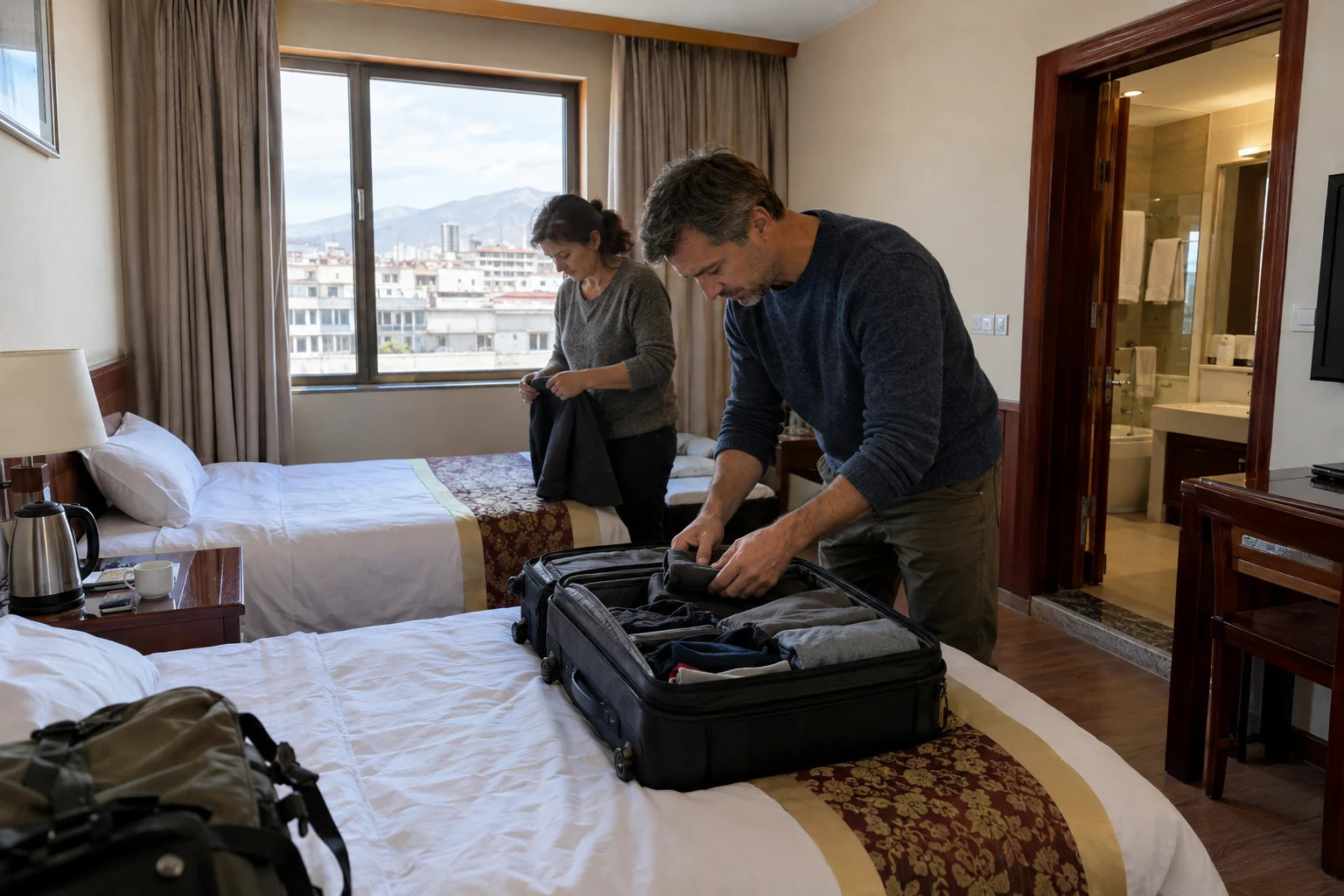
Arrival involves more than leaving the terminal. You need to meet the correct transfer, reach the hotel, complete registration and get into the actual room. Confirm the meeting instructions in advance and keep the hotel address available offline. If you arrive before check-in, agree whether a room is available or where you can wait comfortably. Do not assume luggage storage provides a place to lie down.
Have the first meal nearby, with familiar food available alongside any local choice. Avoid making a famous tea shop across town the compulsory first stop. If someone feels unwell, tell the guide promptly and adjust the plan. A short level outing near the hotel is easier to end than a walk that leaves you on the far side of an attraction or waiting for an unfamiliar bus.
One recent domestic diary described turning an arrival afternoon into a very long photo walk and missing a planned viewpoint. The planning lesson is to save the optional photograph for later. It is not evidence that other visitors should reproduce the distance or climb.
Day two: learn to read the old city
Begin with an explanation rather than another long transfer. Ask your guide to distinguish the Jokhang visit, the Barkhor circuit and the neighbouring commercial lanes. They overlap geographically but involve different activities: temple entry, a living religious circuit and ordinary shopping or eating. A short route can be rewarding when you understand those differences.
Decide in advance where the walk ends and where a vehicle can meet you. Lanes shown beside a hotel on a map may not accept vehicle access to the door. Keep a proper seated break, with a quiet alternative if the first tea room is crowded or smoky. Travelling with an older relative may call for a very different meal environment from a solo traveller’s favourite busy hall.
If an indoor cultural visit is arranged, choose one main question to explore. A museum can introduce objects and historical periods that make a later temple explanation easier to follow. Check passport admission, the relevant opening day and the current exhibition before setting out. An indoor building is still at Lhasa’s altitude and may involve substantial walking.
Day three: give the main reservation room to work
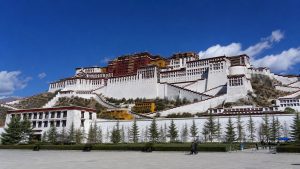
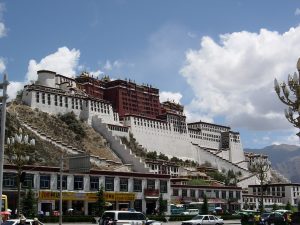
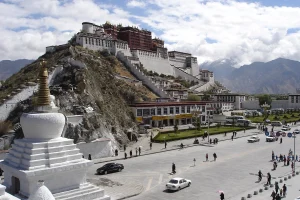
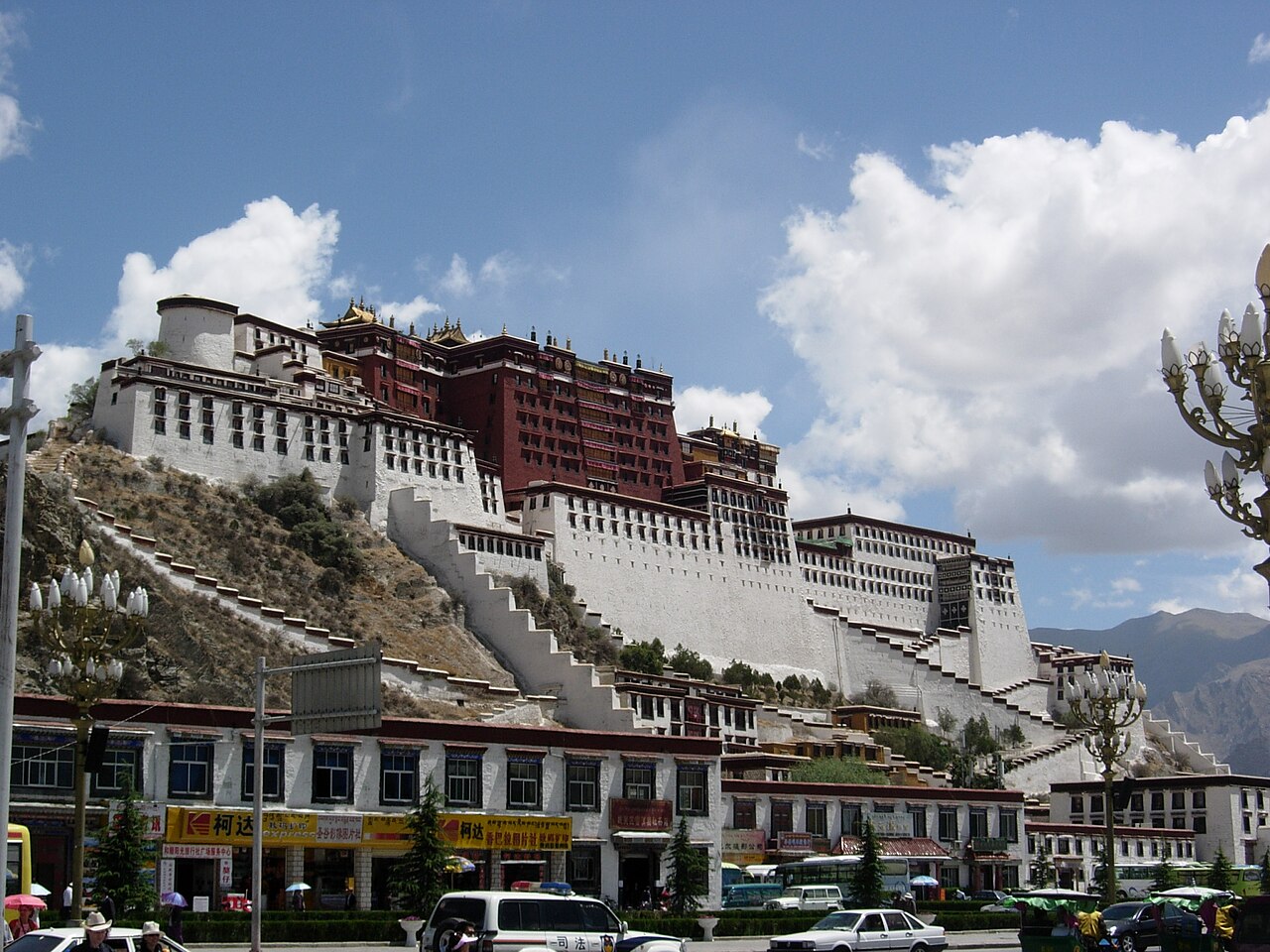
Potala is both an architectural visit and a climb. The Lhasa government’s 28 September 2026 guidance recommends planning its real-name reservation ten days ahead; it separately describes next-day booking for Jokhang. Those general instructions do not establish the foreign-passport booking procedure. Have your Tibet organiser confirm the actual reservation, identity requirements, entry point and meeting time.
Keep the period before entry simple. Allow breakfast, transport, checks and a toilet stop without turning punctuality into a rush uphill. Ask what can be carried inside and how prohibited items or larger bags will be handled. Comfortable shoes and an accessible layer are more useful than elaborate photo clothing.
Inside, let the guide select a few features to explain: the relationship of the White and Red Palaces, wall materials, a courtyard or a change in building use. Follow current instructions on photography and religious behaviour. After the visit, include time to sit and eat before deciding whether another short activity remains sensible.
If you have four full days, add depth within Lhasa
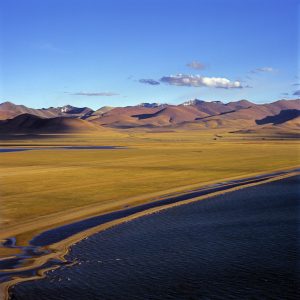
Use an additional day for a different cultural setting already approved in your programme: a monastery visit, a museum or a more focused architecture walk. Do not automatically spend it on another distant lake. Ask whether the activity involves slopes, stairs, long standing periods or a return walk before judging it by the word “city”.
An architecture-focused visit can start with everyday observations: the weight of a wall, the arrangement of windows, sunlight across a courtyard and how contemporary shops use an older street. Avoid wandering into private residential courtyards to find a photograph. Ask your guide which spaces welcome visitors and whether photographs of people are acceptable.
Keep meals, rooms and walking in the same conversation
| If this matters to you | Ask for this detail | Practical adjustment |
|---|---|---|
| Quiet rest | Room position, heating, stairs and nearby construction | Prefer the suitable room over an impressive view |
| Limited walking | Entrance-to-vehicle distance and a shorter visit option | Reserve energy for the priority site |
| Food familiarity | Breakfast time, simple hot dishes and a quiet restaurant | Try new tastes in small portions later |
| Photography | Legal public viewpoints and realistic light windows | Accept clouds rather than add a rushed transfer |
| A companion with different interests | Agreed pauses and a shared meeting point | Shorten the route within the authorised arrangements |
When the planned day needs to change
Headache, nausea or unusual exhaustion should be discussed early, not hidden because a ticket is booked. Do not ascend to a higher sleeping place with altitude symptoms; worsening symptoms or severe signs require medical help and an appropriate descent response. Your guide’s logistics support and any hotel oxygen do not replace medical assessment.
A changed city day can still preserve the trip’s purpose. Ask which booking can move, which visit can be shortened and what refunds or extra costs apply. If the best decision is rest, do not replace every cancelled walk with a long vehicle excursion. Keep the approved programme realistic for the person who is actually travelling that day.
What to agree before booking
Request the real number of full Lhasa days, the reserved visits, guide language, arrival and departure transfers, hotel and room category, meals and walking expectations. If a four-day package is your starting point, compare its actual daily sequence with this slower framework. An extra night or a different reservation order may suit you better. The useful outcome is a visit with time to understand Lhasa and enough flexibility to respond to altitude and reservations.
Continue planning this journey
Use our Tibet route-planning guide to place this topic within the whole trip. The railway, Samye and Namtso planning guide explains how arrival and separate outings fit together.
Compare 4-day Lhasa city tour. These are existing route descriptions, not confirmation of a departure, present access or every optional stop discussed above. Ask for the exact permitted programme, accommodation, guiding language and itemised services for your dates.
Sources and research notes
Reviewed 29 October 2026. Practical perspectives were compared with original Xiaohongshu note bodies and initially visible comments: 519元,冬游西藏第一天; 如果你想冬天去西藏; 西藏8天7晚|拉萨+林芝,真的太适合去放空了. These individual experiences mainly concern domestic travellers; they are not evidence of foreign-visitor eligibility, present prices or medical safety.
China regional risks: Tibet; CDC Yellow Book: High-Altitude Travel and Altitude Illness; Lhasa government museum and monument reservation guidance, 28 September 2026; UNESCO: Historic Ensemble of the Potala Palace, Lhasa. Confirm operating notices and passport arrangements for the actual travel date.