Choose a Yunnan tea tour by the experience you want to spend time on: a first tasting, a living tea-forest landscape, a village stay or a conversation about processing. Pu’er city, Jingmai Mountain and Nannuo are different route choices. A clear base and a confirmed host are more useful than collecting famous tea names across the province.
Which tea region belongs in your journey?
Pu’er can describe the tea, the city or a much larger administrative region. Jingmai Mountain lies in Lancang County within that wider region, rather than beside Simao’s city hotels. A train arrival in Pu’er therefore does not complete the journey to a tea village. Build the hotel and transfer sequence around the actual meeting place.
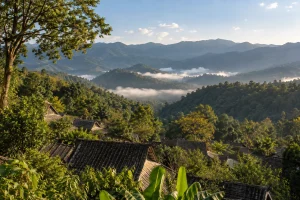
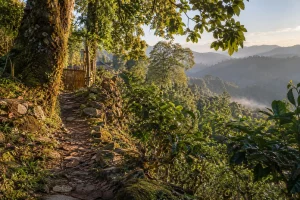
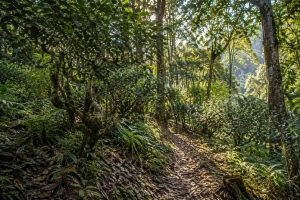
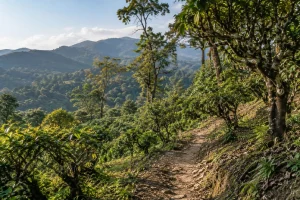
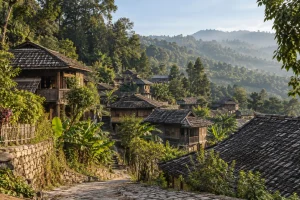
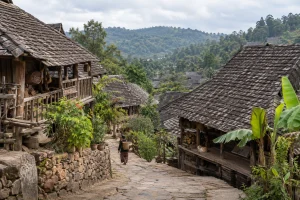
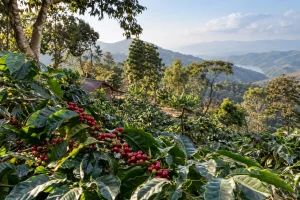
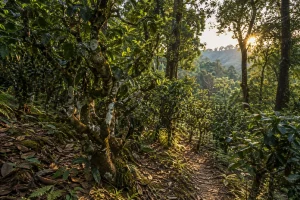
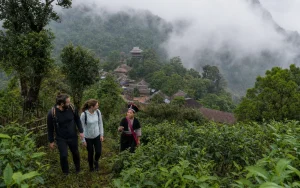
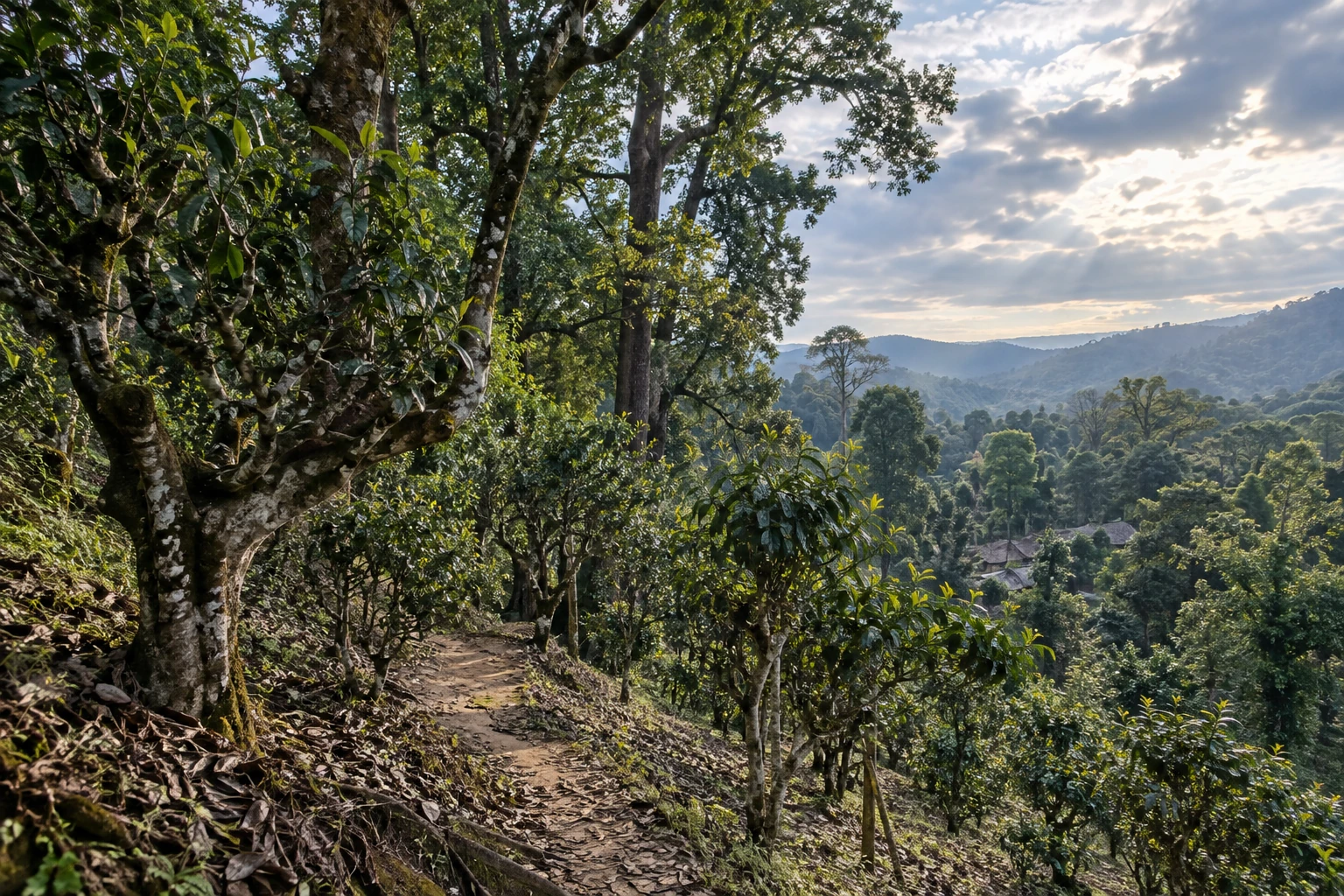
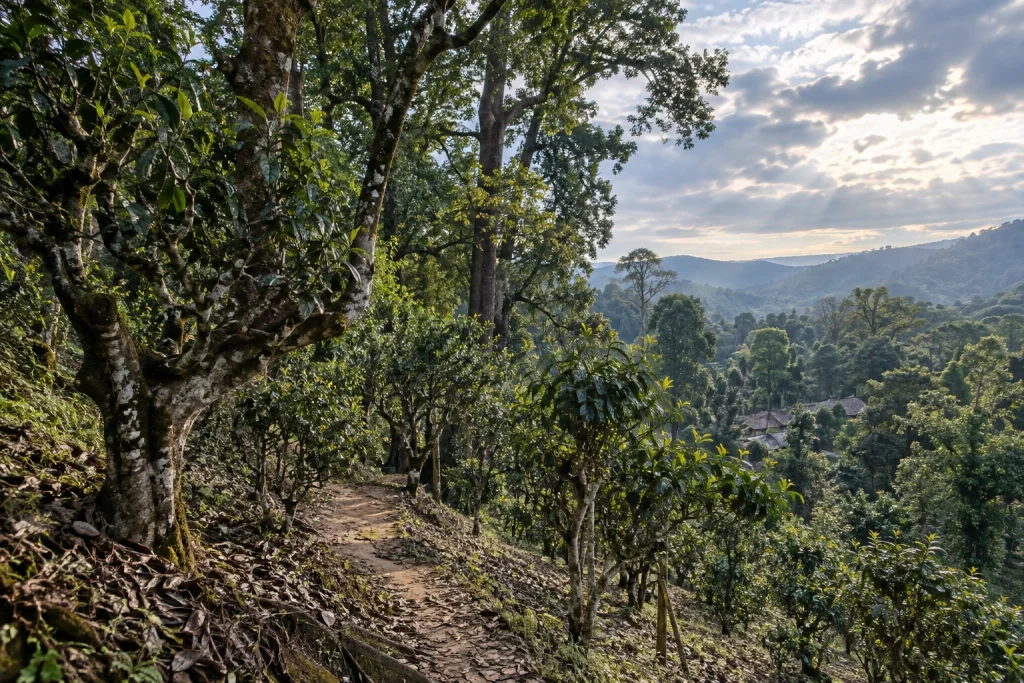
Jingmai’s UNESCO-listed interest is its relationship between old tea forests, villages and the Blang and Dai communities who maintain the landscape. Tea grows within a forest setting; this is a different experience from an ornamental plantation or a shop tasting. A host can help explain that relationship on an agreed visitor route.
| Base or region | A good reason to choose it | Time to protect |
|---|---|---|
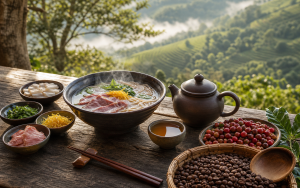
| Pu’er / Simao | A first hosted tasting, city food and a selected local tea or coffee visit. | Full appointment time between the arrival and onward connection. |
| Ning’er / Nakeli | Tea-caravan heritage and a village stop within an agreed regional route. | The complete road stage and a meaningful visit rather than a hurried photograph. |
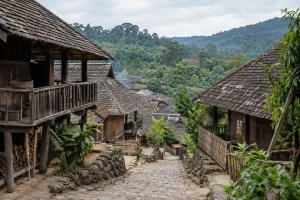
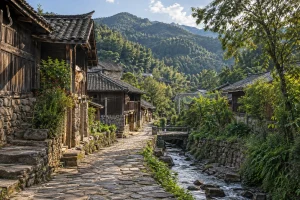
| Jingmai Mountain | Tea-forest paths, village architecture and time with a willing host. | Mountain nights and daylight to settle into the actual property. |
| Nannuo / Menghai from Jinghong | Tea-growing context alongside a Xishuangbanna stay. | The named host, permitted path, tasting and return to the chosen base. |
| Fengqing / Lincang region | A different journey for Dianhong black-tea interests. | Its own road corridor and local stay; it is not a short addition to every Pu’er trip. |
Book the actual tea experience
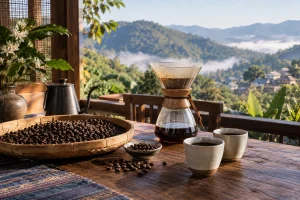
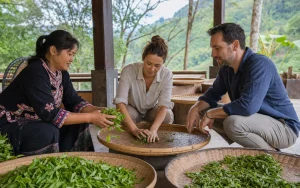
A tasting is a conversation around the samples the host serves. Ask what origins or processing styles you will compare and which language will be used. A smaller, well-explained selection can be easier to remember than many cups served while the group is preparing to leave.
A production demonstration, a practical session and leaf picking need different arrangements. The grower decides which plot can receive visitors and what work is possible that week. A booked tasting does not establish permission to enter another family’s trees, handle drying leaves or join production. Prepared material can support a useful explanation when fresh leaves are unavailable.
Tell the host whether you want an introductory visit or a technical discussion. A driver, general guide and specialist tea educator have different roles. Interpretation should leave time for questions; it is not enough to add an English-speaking guide to a route that has no appointment. Product purchases and shipping are separate choices to agree directly and clearly.
A four-day, three-night Jingmai planning example
Choose this structure when the mountain landscape is the main purpose. All three nights use one agreed mountain base. The approach from the actual gateway and the departure transfer belong in the four days; late arrivals may require a gateway night and a longer total trip.
| Day | Purpose | Night and limit |
|---|---|---|
| 1 | Arrive at the agreed gateway and transfer to the property when daylight and the connection allow. | Jingmai base, night 1. Keep only a short orientation visit. |
| 2 | One permitted tea-forest route and a hosted tasting, with a seated meal and rest. | Same base, night 2. Match the walk to footing and the party. |
| 3 | Another selected village or a separately arranged tea or craft session. | Same base, night 3. Keep the afternoon flexible for weather or a longer conversation. |
| 4 | Transfer to the exact airport, station or onward hotel specified. | Departure. No extra night or distant stop assumed. |
Rooms, luggage and village access
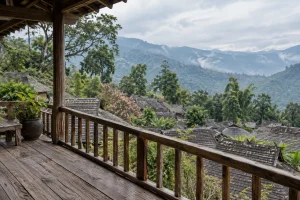
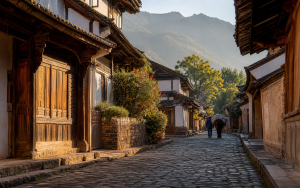
Wengji and Nuogan are useful places to compare for a mountain stay, but the actual guesthouse matters more than the village name alone. Ask about the last vehicle stop, luggage assistance, steps, bathroom and meals. Choose a room suitable for your party before treating a picturesque building as comfortable accommodation.
Confirm the current visitor and vehicle arrangements with the receiving team before leaving the gateway. The booked room, the vehicle reservation and visitor registration are different pieces of the plan. Give the organiser the document type and party details needed for the current process through the appropriate booking channel.
A shorter forest walk, a seated session and unhurried village time can make the visit worthwhile for companions with different interests. Share mobility and dietary needs early. Do not turn a family holiday into consecutive lengthy tastings or require every person to participate in a practical activity.
Start with a published tea itinerary
The three-day Jingmai route is one starting point for a focused mountain journey. Compare it with the two-day overnight from Lancang and four-day slow village route by their exact gateways and nights.
For a different base, read the Nannuo and Menghai tea-culture itinerary. A longer Pu’er and Jingmai tea-and-coffee route combines city appointments with mountain time; it should not be reduced to the short mountain example above.
Develop the local details with Jingmai days and nights, Pu’er city versus Jingmai and the tea-and-coffee planning guide. Read UNESCO’s Jingmai description for the heritage context. Gallery scenes include illustrations and do not establish a named host, current production activity or confirmed property.
Questions before choosing
Can I visit outside the picking period?
Yes, a permitted landscape visit and hosted tasting can have value on their own. The appointment must describe what will actually happen without promising fresh-leaf work.
Can I see Pu’er and Jingmai in one short local day?
Map the actual starting point and complete return first. If the mountain visit is the reason for travelling, a mountain stay usually offers more usable time than compressing both places.
Is buying tea required?
Ask the host to state the visit or tasting fee and whether purchases are optional before accepting the appointment. Do not use a low transport figure as proof of the complete experience.
Can tea and coffee share a holiday?
They can share a well-planned route. Use the separate coffee collection to choose the actual host and activity, and give each appointment adequate time.
Plan your journey with Vero Trip
Send your dates, actual arrival and departure, party size, room needs and tea interests, walking comfort and whether you prefer a city or mountain stay through Plan My Trip. The written proposal identifies the selected visits, transport, language support, meals, admissions and activities, together with the arrangements for changes. Published routes are starting points for an enquiry; date-specific availability needs confirmation.