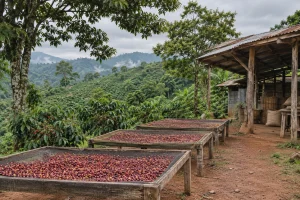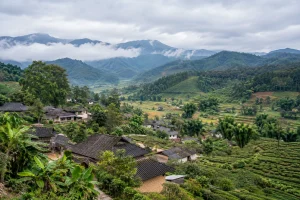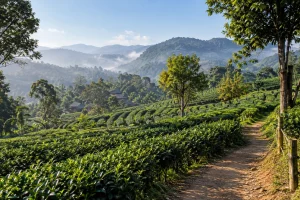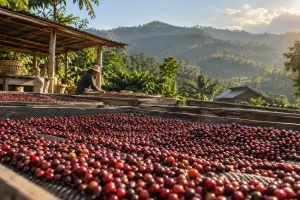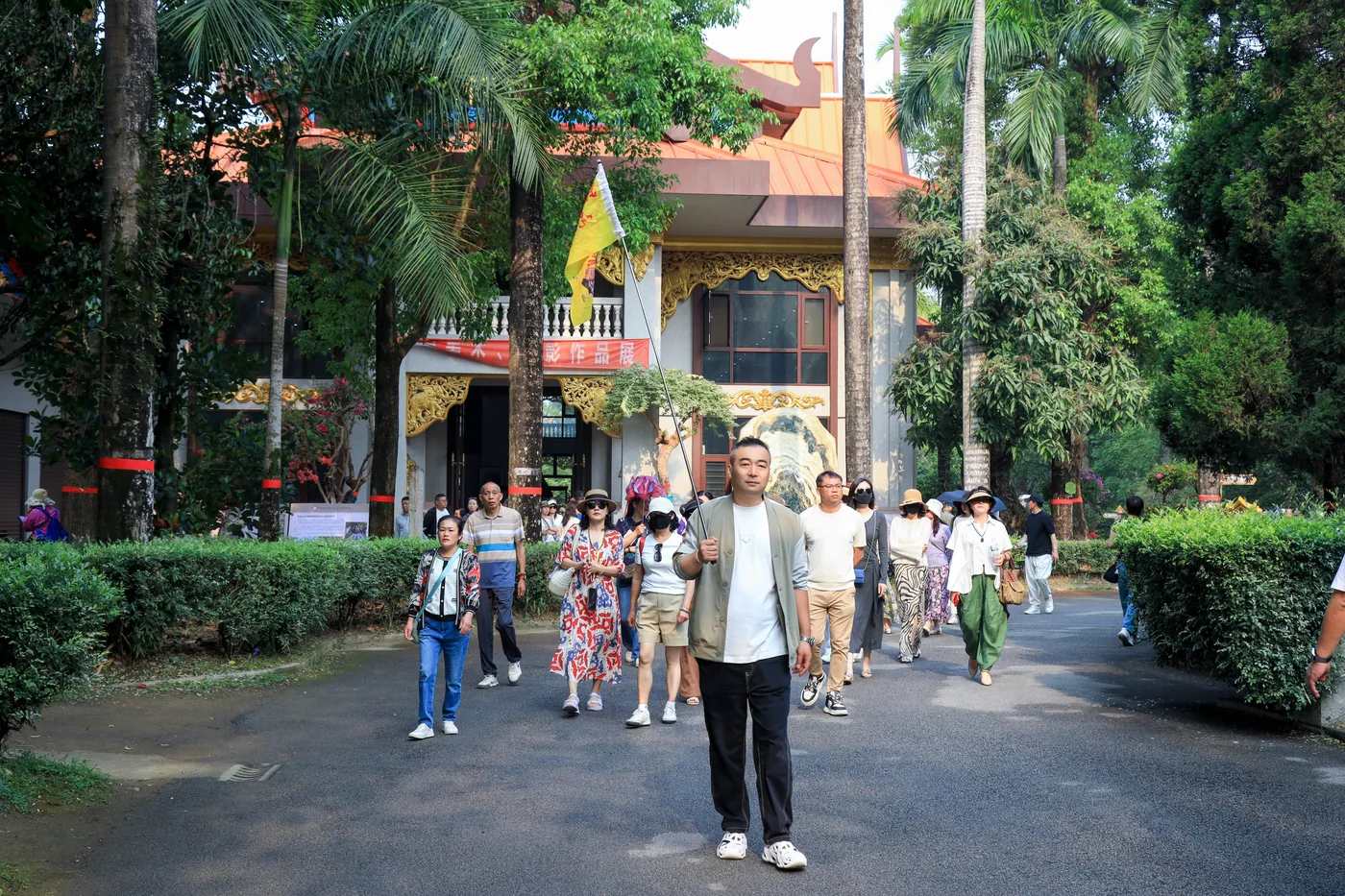
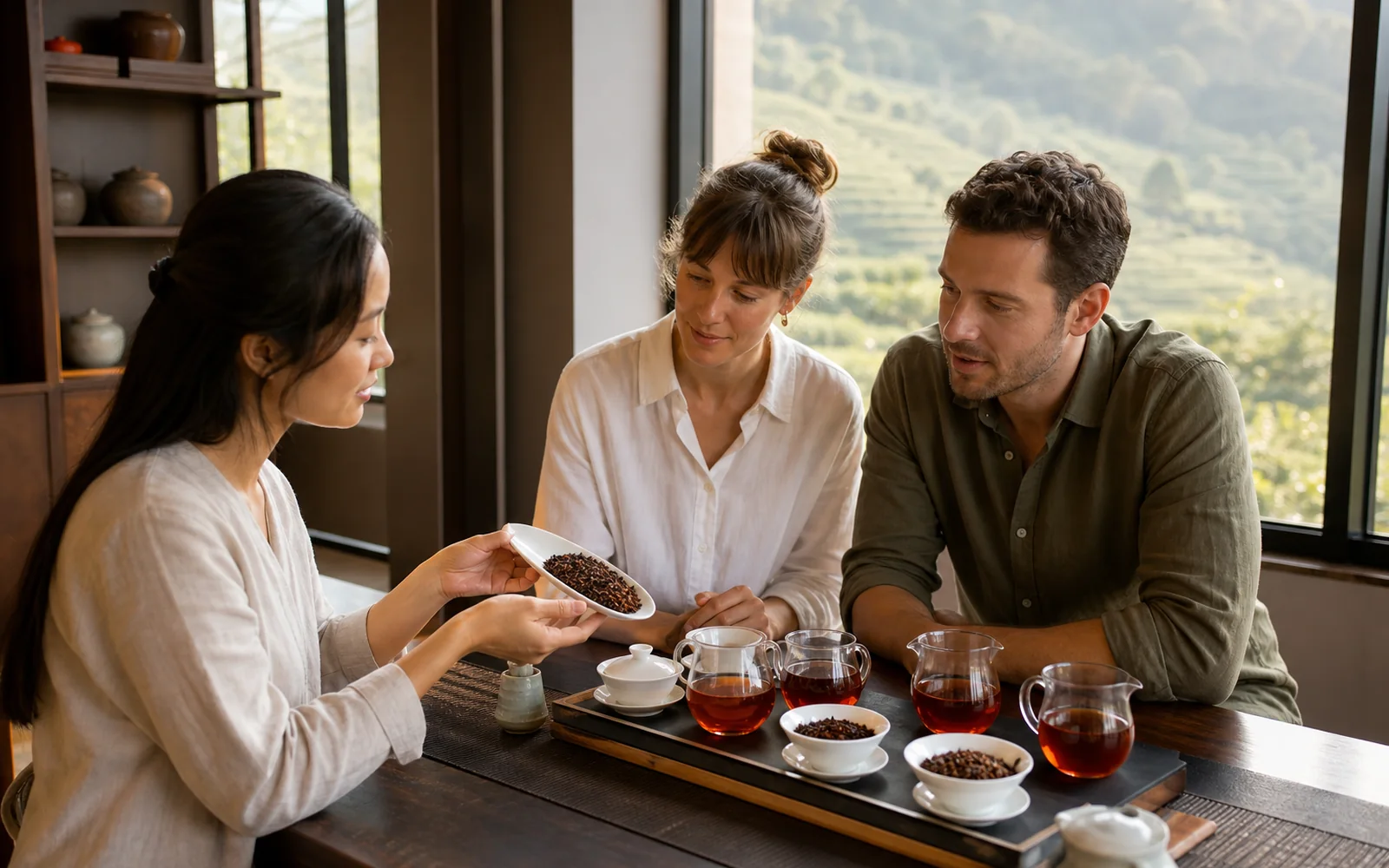
Updated 7 October 2026. Cover and tea-travel scenes are illustrations.
Give Fengqing a full local day for Dianhong black tea. A village visit in Anshi, museum or exhibition, old factory and working-producer appointment explain different parts of the story. Select the ones you want and arrange their access separately.
What kind of tea visit do you want?
| Visit type | Useful for | Confirm first |
|---|---|---|
| Anshi-area visit | Tea-village context and local history | The actual host, meeting point and activity |
| Museum or exhibition | An introduction before tasting | Current opening and English explanation |
| Old factory site | Industrial heritage and buildings | Which public areas are open |
| Producer appointment | Processing questions and samples | Whether production is active and visitors are accepted |
Respect locked production rooms and each venue’s access rules. Heritage buildings, exhibitions and working spaces may open differently. Arrange a named meeting point and a tea-room alternative when learning matters more than a particular interior; an old report does not establish current entry.
Build one good local day
| Part of the day | Plan | Keep flexible |
|---|---|---|
| Morning | An agreed garden, Anshi-area host or cultural venue | Walking length and current access |
| Lunch | A proper meal and rest | Dietary needs and where to eat |
| Afternoon | A guided Dianhong tasting or booked demonstration | Live production depends on the host |
| Evening | Return to the same Fengqing base | Optional shopping, with no obligation |
When practical, arrive in Fengqing the previous evening. Lincang airport and Yunxian station still leave a road journey, so an afternoon arrival may not support a full local programme. Protect a next-morning departure rather than making it carry an essential factory or garden visit.
Understand the processing without expecting a full cycle
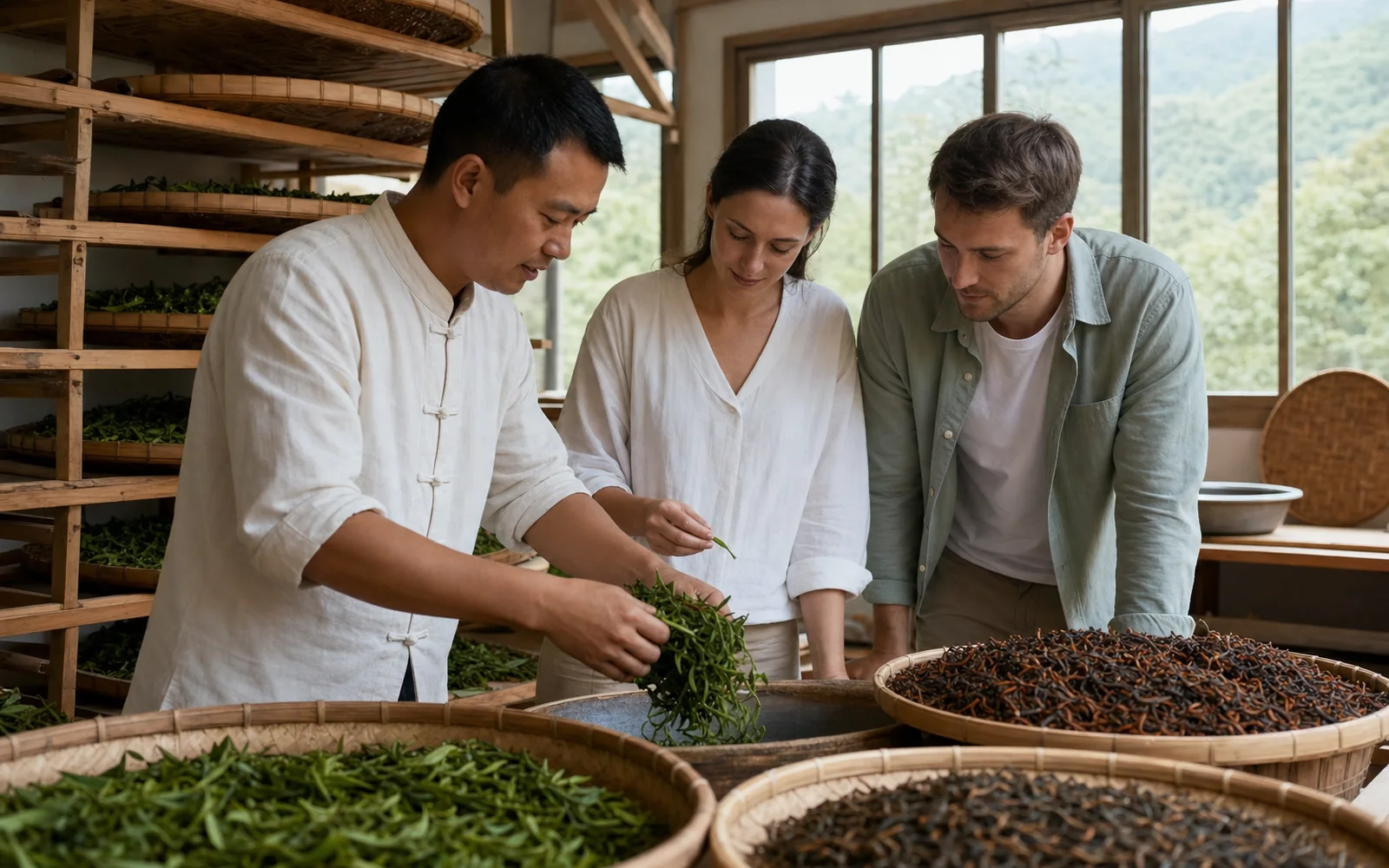
Follow withering, rolling, oxidation and drying through the host’s explanation of Dianhong, Yunnan black tea. The day’s materials and equipment decide what you can observe. A short demonstration does not turn freshly picked leaves into a finished product ready to pack.
Ask whether you will use fresh leaf, prepared material or finished samples, and whether the session is observation or supervised practical work. Picking depends on suitable leaf and permission. Children can learn by observing while staying clear of machinery and repeated caffeinated samples.

Make the tasting useful even if you are a beginner
Compare a small set of teas with the host’s product information. Note sample name, place, supplied harvest details and brewing method. Similar cups and brewing conditions can help an informal tasting, without turning it into a laboratory assessment.
| Before buying | Reason |
|---|---|
| Ask the net weight and full price | A small sample and a gift box are different purchases |
| Keep the product label and receipt | Helps you identify the tea later |
| State your budget politely | A hosted visit does not require an expensive purchase |
| Request brewing advice | The tea may taste different with your water and equipment |
Should you add Lushi?
Add Lushi for tea-caravan heritage and old streets when those interests justify another road stage and overnight. Check current roads and lodging, and give it time beyond a full tea day. Private courtyards still need an invitation, however familiar they look online.
For a short visit, keep a Fengqing base. A longer route can add Lushi, a return Fengqing night and a separate gateway transfer. If road conditions prevent the extension, use a local heritage and tasting day rather than pressing on to complete a list.
Rooms, meals and language
Ask the hotel about stairs, bathroom facilities, breakfast and the vehicle drop-off point. Send dietary needs before the tea day; tasting venues are not necessarily restaurants. Specify whether English support is required throughout or only for the producer visit. Technical tea discussion needs a different level of preparation from a simple transfer.
Before paying for a producer appointment, use the Lincang and Fengqing transport and hotel guide to connect your arrival hub, Fengqing room and meeting point. If a late arrival leaves no usable local time, keep the tea visit for the following day; confirm the onward pickup separately.
Build your route with Verotrip
Send your arrival hub, number of nights, interest in history or production, language needs and whether you want to include Lushi. Send your dates and preferences. We can shape a written proposal around available hosts and transport. The quotation lists the services, dates, booking terms and alternatives you accept before payment.
Further reading
Fengqing: Anshi and Dianhong culture
Matching routes
5-Day Fengqing Tea and Lushi Heritage Tour · 6-Day Fengqing and Mengku Tea Comparison Tour · 4-Day Lincang Coffee and Fengqing Black Tea Tour
Frequently asked questions
Where should I stay to make the daily journeys easier?
Before paying for a producer appointment, use the Lincang and Fengqing transport and hotel guide to connect your arrival hub, Fengqing room and meeting point. If a late arrival leaves no usable local time, keep the tea visit for the following day; confirm the onward pickup separately.
How should I plan meals and dietary requirements?
Send dietary needs before the tea day; tasting venues are not necessarily restaurants. Specify whether English support is required throughout or only for the producer visit. Technical tea discussion needs a different level of preparation from a simple transfer.
How do I arrange the main activity rather than just a sightseeing stop?
Ask the host to introduce a small number of available teas and explain the differences they can support with product information. Record the sample name, place, harvest information if supplied, and brewing method. Use the same cups and comparable brewing conditions when practical, but do not mistake a casual tasting for a laboratory comparison.