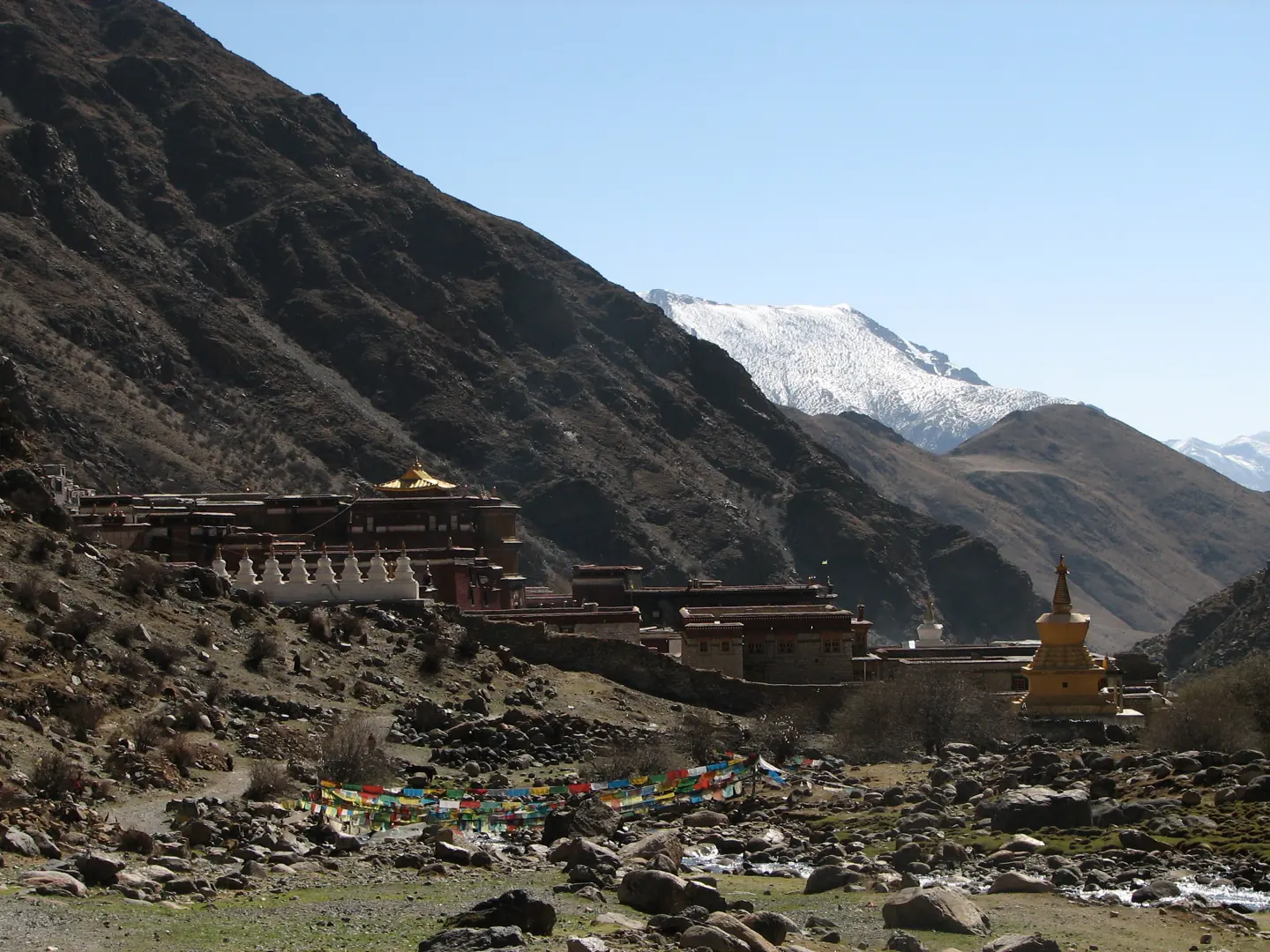
Lhasa, Tibet
Photo: McKay Savage from London, UK / Wikimedia Commons, CC BY 2.0. Resized and converted to WebP.
Lhasa, Tibet Travel Guide
Give Lhasa time to unfold through its old-city streets, religious spaces and major cultural visits. Arrival and rest are part of the itinerary, especially before more walking or a wider Tibet journey. Choose the visits you most want to understand, then arrange reservations and travel around them.
What to see · What to eat · Where to stay · Choose your itinerary
Browse Lhasa itineraries (32) →
What to See and Do in Lhasa
Give Lhasa’s city culture several distinct visiting periods before a longer road circuit. Monumental architecture, the Barkhor setting and a named collection each introduce a different part of its religious and historical identity. Follow the visitor arrangements for each place: public streets and worship spaces have different roles. Meals and rest between cultural visits leave time to appreciate the city.
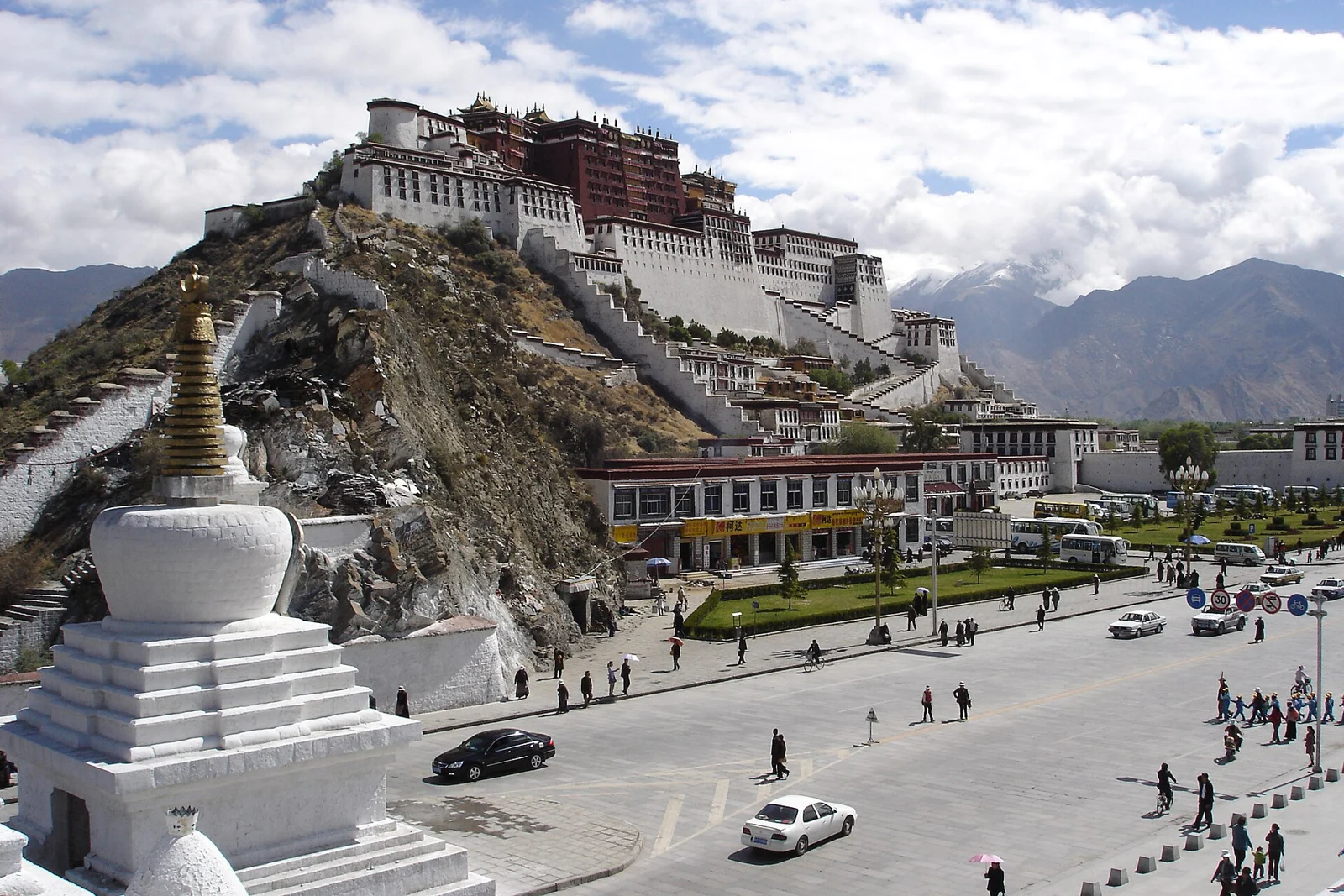
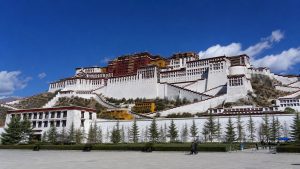
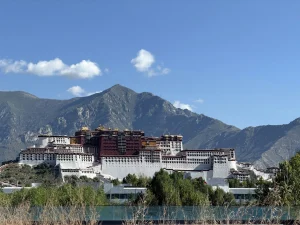
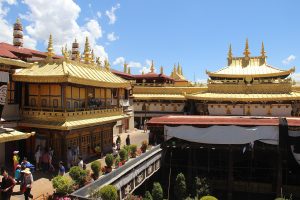
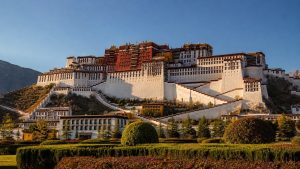
The Potala cultural setting
Choose the actual accepted visitor programme and walking requirements rather than assuming unrestricted access to every interior.
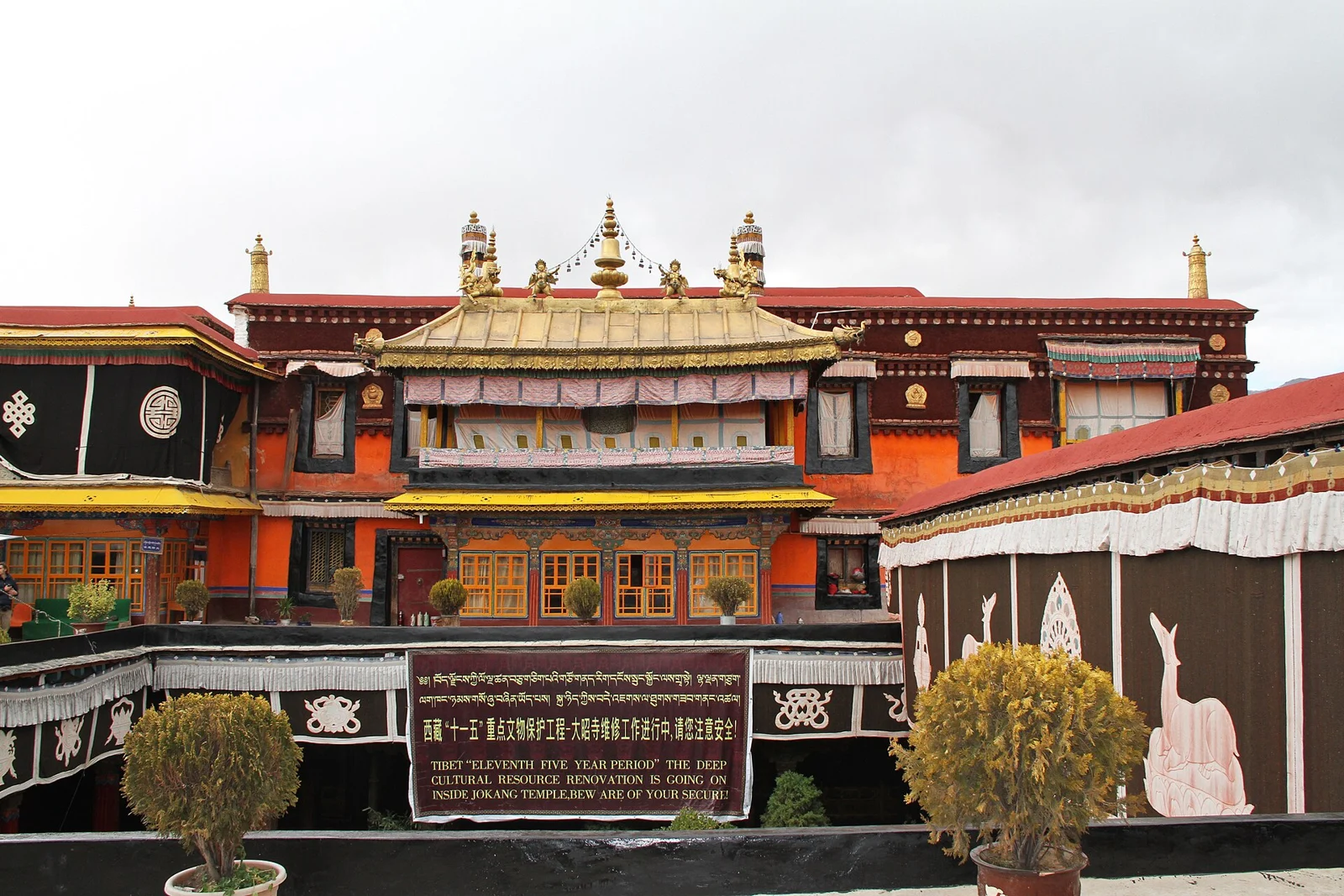
Jokhang and Barkhor
A respectful public-area and cultural visit needs distinction between streets, worship spaces and private activity.
A named museum or town period
A more contained cultural interest can balance larger monumental visits.
The regional government’s June 2025 international-agent visit also included Barkhor and Jibengang Art Centre. It demonstrates distinct cultural interests, not a promise that every interior or exhibition is available now. Ask for the actual foreign-passport reservation, opening day, permitted photography and entrance-to-vehicle distance. Respect worship, private courtyards and instructions on photographing people.
The UNESCO description distinguishes Potala’s White and Red Palaces, Jokhang’s religious complex and Norbulingka’s garden setting. Choose by interest: palace architecture and climbing, a guided explanation of the living old-city religious landscape, or a different garden-and-palace environment. Their joint heritage listing does not provide a combined admission or a daily operating schedule.
Local Food to Try in Lhasa
Try Tibetan-style tea and barley foods alongside the wider choice of city meals. Butter tea has a rich, salty taste; a sweet-tea break offers another introduction. Keep proper cooked meals between cultural visits, with time to sit down and rest.
| Food or drink | What to try and how to plan it |
|---|---|
| Sweet or butter tea | Different introductions to local dairy-based drinks, best enjoyed as a seated break. |
| Barley foods | A regional staple interest, with the actual preparation explained. |
| Cooked meat, noodles and vegetables | Choose a balanced meal at the receiving kitchen rather than assuming one standard Tibetan menu. |
Choose a proper seated meal alongside any snack tastings. Tell the restaurant about allergies and dietary requirements before preparation, including sauces, stock and shared cooking. A dish described as local does not establish a verified halal, vegetarian or allergy-safe kitchen.
Where to stay in Lhasa
| Area or base | Best suited to | The trade-off |
|---|---|---|
| Accepted central Lhasa property | Useful for city cultural interests and meals | Steps, room facilities and the actual vehicle entrance matter. |
| A quieter named city-edge property | Useful for a more restful hotel focus | It adds transfers to central cultural areas. |
| A separately accepted onward town | Useful within an established wider programme | It is a different road and overnight decision. |
Choose the area first, then compare the actual property and room. Confirm passport registration, beds, bathroom, heating or cooling, and the final approach with luggage. The named base in the itinerary matters more than a broad regional address or an attractive room photograph.
How to combine Lhasa with your itinerary
Give arrival a modest local period and room to rest. A city stay with separate cultural days is more useful than an immediate long circuit. The responsible receiving arrangement must establish the actual travellers, visits and route before a Tibet journey is treated as confirmed.
| Existing itinerary | Whole trip | Local visit in the daily plan |
|---|---|---|
| 4-Day Tibet Lhasa City Group Tour | 4 Days | Arrive in Lhasa; Lhasa City Sightseeing |
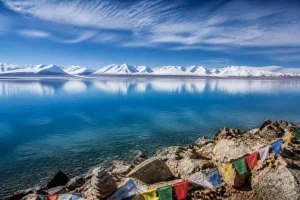
| 5-Day Tibet Lhasa & Namtso Lake Group Tour | 5 Days | Arrive in Lhasa; Lhasa City Sightseeing |
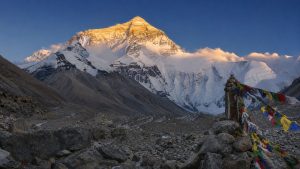
| 10-Day Tibet Lhasa, Everest Base Camp & Namtso Group Tour | 10 Days | Arrive in Lhasa; Lhasa City Sightseeing |
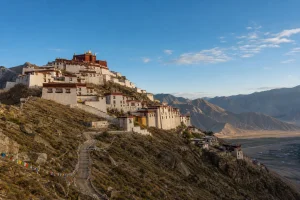
| 5-Day Tibet Lhasa & Ganden Monastery Group Tour | 5 Days | Arrive in Lhasa; Lhasa City Sightseeing |
| 5-Day Tibet Lhasa & Yamdrok Lake Group Tour | 5 Days | Arrive in Lhasa; Lhasa City Sightseeing |
| 6-Day Tibet Lhasa & Shigatse Group Tour | 6 Days | Arrive in Lhasa; Lhasa City Sightseeing |
| 7-Day Tibet Lhasa to Kathmandu Overland Group Tour | 7 Days | Arrive in Lhasa; Lhasa City Sightseeing |
| 8-Day Lhasa, Everest Base Camp and Namtso Tour | 8 Days | Arrive in Lhasa; Potala Palace, Jokhang Temple and Barkhor |
The duration is for the complete trip, including its other destinations. Read the full itinerary for the actual nights in Lhasa, arrival and departure cities, hotel sequence and service description. A sightseeing interest discussed here is included only when it appears in the accepted programme.
Browse all 32 routes visiting Lhasa
These include wider regional or connecting routes. A local visit or overnight is included only when the full daily programme names it.
Getting there, season and practical planning
For foreign-passport visitors, Tibet requires an organised programme and applicable permissions through a specialist Chinese travel agency. The UK’s regional advice explains that access can change. A China visa or visa exemption does not itself settle Tibet arrangements. Have the receiving agency confirm the dated programme before committing to transport.
Allow a gentle start at altitude and discuss individual suitability with a clinician where relevant. If unwell, tell the guide and revise the day rather than forcing a booked climb. Use the altitude-arrival guide for the wider decisions. For poor weather, a confirmed museum or shorter cultural visit may suit the day; indoor visits still involve altitude and walking. Do not substitute a long higher excursion for a cancelled city walk.
| Decision | Starting point |
|---|---|
| Best time | April to October |
| Typical access | Arrive by flight or train under a licensed Tibet travel arrangement. |
Build each day from the actual arrival point through the visits and lunch to the final hotel or onward connection. Include bag storage or collection, the last walking section and the complete return. In rain, snow, heat or poor visibility, shorten exposed visits and use only an alternative that is actually operating and suitable for the party.
Useful reading before you book
Plan your Lhasa trip with Verotrip
Share your dates, arrival and departure cities, party size, preferred hotel area, food interests and walking needs with a Verotrip travel consultant. Price on request. Your written proposal sets out the actual admissions, transport and waiting, complete return, guiding language, meals and accommodation; this guide does not confirm a departure or an unlisted service.
Explore Related Travel Themes
Lhasa Itineraries
Find a route that fits your time and interests. Trip lengths cover the full itinerary, including other destinations; open a route to check its stops and overnight stays.
Showing 8 of 32 routes

No routes match these filters. Try another word or choose a different trip length.