Plan altitude around the actual traveller and the sequence of sleeping places. Lhasa is already high, and some popular excursions rise substantially higher. Fitness, a smooth road, a good hotel or an oxygen-equipped train does not remove altitude risk. A useful travel plan makes it easy to report symptoms, stop ascending and obtain help without arguing about the next booked attraction.
Begin with your sleeping sequence
Write down each overnight settlement and its elevation, the preceding journey and any high daytime excursion. Give that to your clinician before travel if you have medical conditions, take regular medication or need individual advice. Ask the organiser to explain the route in those terms, rather than describing it only as a number of kilometres and famous places.
CDC’s Yellow Book guidance emphasises acclimatisation and rate of ascent. Its principles should not be converted into a personalised prescription by a travel website. A suitable programme depends on your starting point, previous acclimatisation, symptoms and medical circumstances. Extra hotel oxygen or an extra calendar day does not automatically make a particular ascent safe.
| Itinerary detail | What to establish | Why a destination list is insufficient |
|---|---|---|
| First high overnight | Actual settlement, elevation and route of arrival | A flight and a long road approach create different travel demands |
| Following nights | Sleeping elevations in order | A higher daytime view differs from sleeping there |
| Early excursions | Highest stops, effort and return plan | “Day trip” can still mean prolonged high exposure |
| Remote section | Medical access and evacuation arrangements | Vehicle support is not a hospital |
| Alternative | Feasible shorter or lower option where authorised | Changes must work logistically as well as on paper |
Protect the initial period after arrival
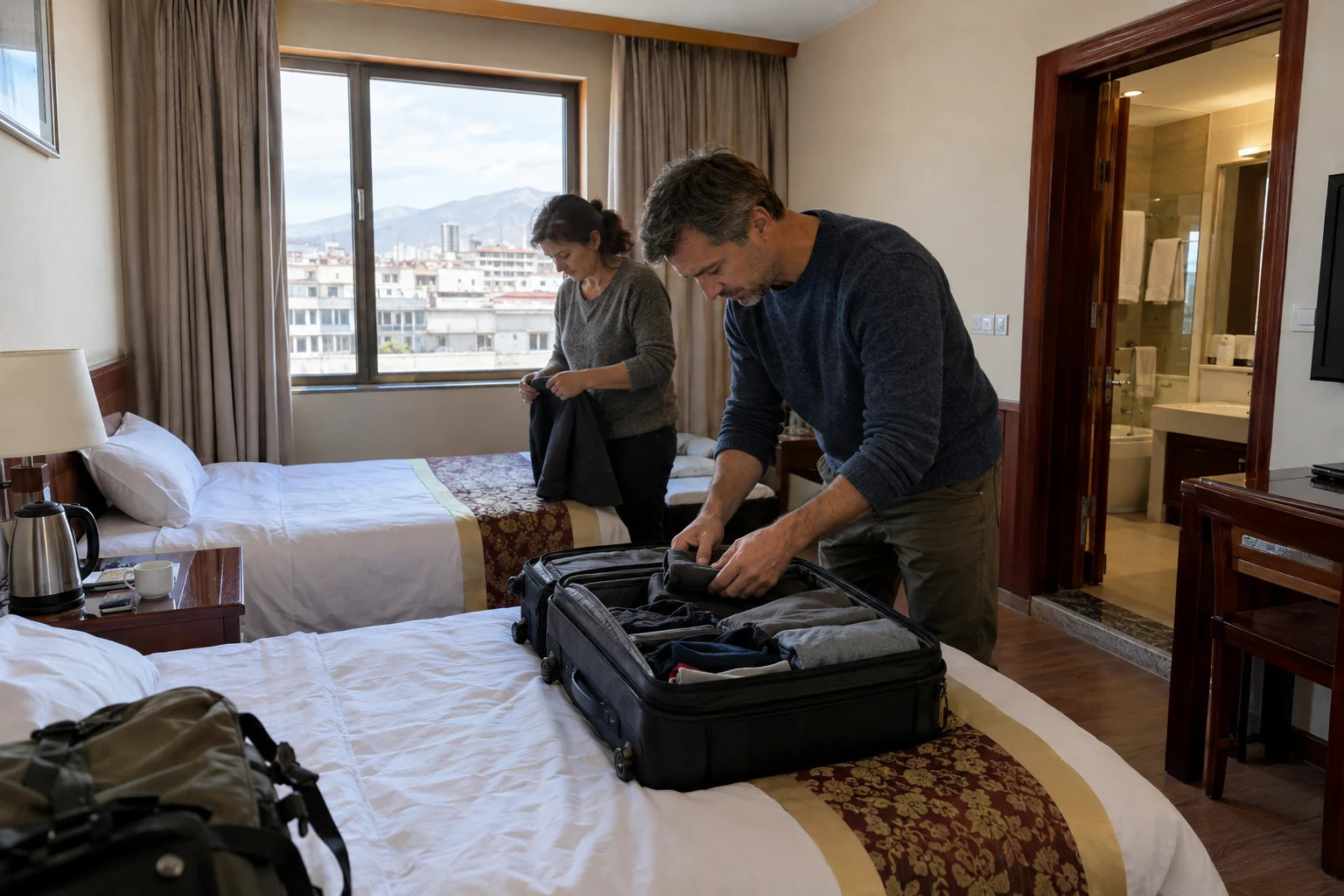
Keep arrival day uncomplicated: transfer, room access, a modest meal and rest. CDC advises only mild exercise during the first 48 hours at altitude and avoiding alcohol during that period. Do not replace a missed attraction with an uphill photo walk, or make a new arrival prove they are comfortable by keeping up with a faster companion.
One travel diary described a very long first-day walk after flying in. Another described rapidly continuing from arrival to Shigatse and the Everest area while symptoms worsened. These are reports of individual experiences, not examples to follow. They show why a completed route and attractive photographs cannot establish that its pace was medically appropriate.
Ask for a practical plan if the room is not ready. A long sightseeing transfer is not the same as resting, even if you remain seated. Let the guide know if poor sleep or travel fatigue is affecting you, so the next day is not judged solely by the original timetable.
Recognise changes early and tell someone
Headache, nausea, dizziness, unusual fatigue or loss of appetite after ascent deserve attention. They can overlap with other problems, so do not diagnose yourself from a social post or dismiss symptoms as an inconvenient meal. Tell your guide and obtain appropriate medical advice. Keep companions informed rather than waiting until the next hotel.
The key travel principle is not to go to a higher sleeping place while you have altitude symptoms. If symptoms worsen while you remain at the same altitude, descent and medical assessment become necessary. A booked room, sunset viewpoint or approaching flight should not override that response.
Breathlessness at rest, confusion, difficulty walking steadily or other severe symptoms require urgent medical help and an appropriate descent or evacuation response. Do not leave the affected person to manage alone. Follow medical and emergency instructions, with the organiser handling the practical route and transport arrangements.
Daytime comfort is not permission for the next night
Feeling comfortable while seated in a vehicle or resting in an oxygen-supported room does not establish readiness for a higher overnight. Ask about both the daytime high point and the next sleeping place. A trip can be demanding even when the sightseeing walk is short.
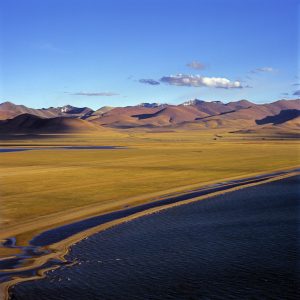
A lake excursion may involve many hours of travel and exposure at higher elevation before returning to Lhasa. The return night and following day’s commitments matter. Avoid stacking remote outings because a map makes them appear like comparable optional stops. Keep the programme adjustable to symptoms and current conditions.
Understand the limits of oxygen and devices
Supplemental oxygen can have an important role under appropriate supervision, but the equipment and its limits need to be understood. A small consumer canister does not provide sustained treatment for an evolving altitude illness. A favourable hotel review or a device’s advertised output is not a medical assessment of your situation.
Pulse oximeter readings can be affected by conditions and do not replace symptoms or clinical assessment. Do not use one universal number from social media to decide that a person is safe, needs only oxygen or can continue higher. Likewise, do not infer safety from a smartwatch reading during one other traveller’s night.
If your organiser advertises vehicle or room oxygen, ask what equipment is actually available, who explains its use and what the response is if someone remains unwell. Keep that conversation separate from the accommodation category. “Oxygen included” is not a complete assistance plan.
Prepare with a clinician, not a copied medicine list
Bring the actual route and medical history to a qualified clinician before travel. Discuss whether your proposed journey is suitable, what precautions apply and any medication they recommend for you. Do not start or change medication because a creator’s packing list claims it solved their symptoms.
Keep prescribed personal medicines accessible within transport rules, with appropriate documentation. Tell the organiser about needs relevant to support, while keeping detailed private medical information within suitable booking and clinical channels. This guide provides planning principles and escalation advice, not individual treatment or drug doses.
| Claim you may encounter | More useful question | Appropriate planning response |
|---|---|---|
| The train prevents altitude illness | What is the actual ascent and arrival programme? | Keep rest and symptom monitoring in the plan |
| A hotel has oxygen so the next stage is fine | How is the person feeling, and what does medical advice say? | Do not ascend while symptomatic |
| Fit people cope easily | What are the sleeping elevations and ascent rate? | Assess the itinerary, not athletic confidence |
| A low watch reading has one simple remedy | Are there symptoms or severe signs? | Obtain appropriate medical assessment |
| Everyone completed this short tour | Did anyone feel unwell or change their route? | Do not treat completion as safety evidence |
Agree the assistance and cancellation process
Ask how the guide obtains medical help, how communications work on remote stages and what happens if one person cannot continue. Identify the contact method you can access offline. Insurance should be checked for the actual altitude, activities, medical treatment, evacuation and exclusions; do not assume ordinary vehicle liability covers those personal risks.
Discuss extra nights, a shorter approved route and onward-ticket changes before travel. A clear process makes it easier to make the right decision when unwell. It also helps companions understand that changing a programme is part of responsible travel, rather than a failure to complete the holiday.
Give the trip room to become smaller
Choose a main experience and identify what you can omit. A well-supported Lhasa stay or a focused regional visit may suit you better than combining several high and remote destinations. If symptoms change the plan, protect health and obtain help first; the organiser can then address rooms, transport and unused services. The best itinerary is one you can change when your condition requires it.
Continue planning this journey
Use our Tibet route-planning guide to place this topic within the whole trip. The railway, Samye and Namtso planning guide explains how arrival and separate outings fit together.
Compare 4-day Lhasa city tour. These are existing route descriptions, not confirmation of a departure, present access or every optional stop discussed above. Ask for the exact permitted programme, accommodation, guiding language and itemised services for your dates.
Sources and research notes
Reviewed 29 October 2026. Practical perspectives were compared with original Xiaohongshu note bodies and initially visible comments: 519元,冬游西藏第一天; 如果你想冬天去西藏; 西藏8天7晚|拉萨+林芝,真的太适合去放空了. These individual experiences mainly concern domestic travellers; they are not evidence of foreign-visitor eligibility, present prices or medical safety.
China regional risks: Tibet; CDC Yellow Book: High-Altitude Travel and Altitude Illness. Confirm operating notices and passport arrangements for the actual travel date.