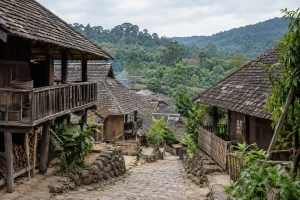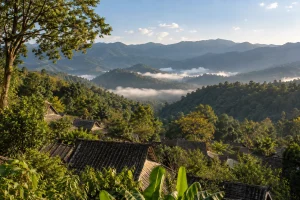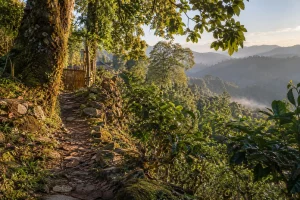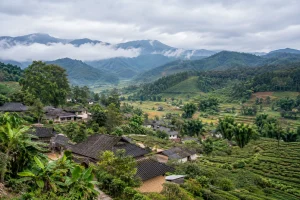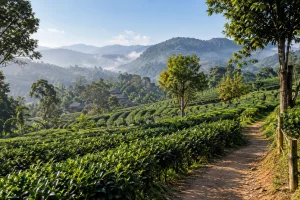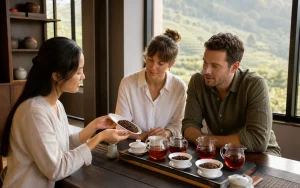
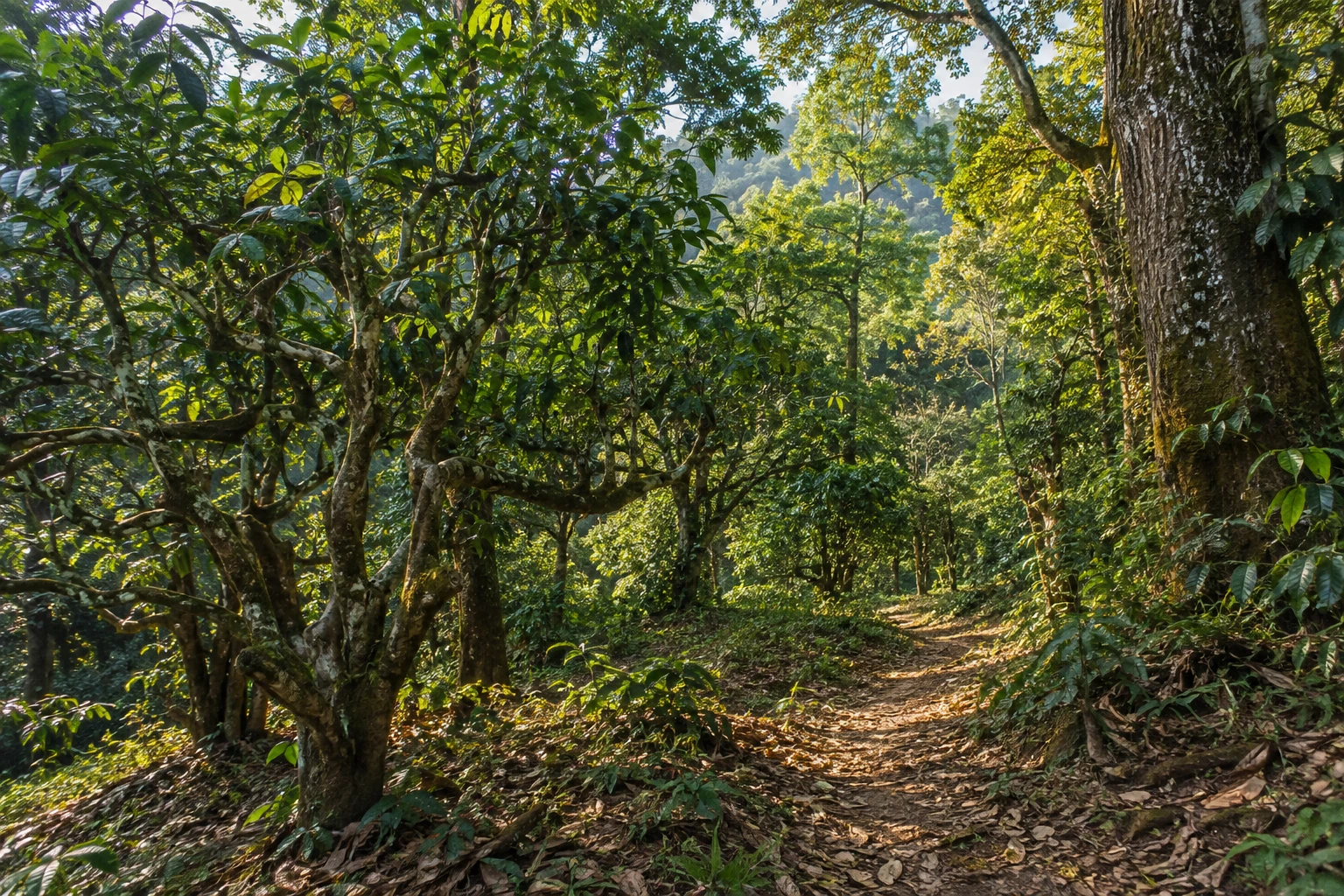
Updated 7 October 2026. Cover and tea-travel scenes are illustrations.
For a first Jingmai Mountain visit, plan two mountain nights if you want a full day between the road transfers. Three or four nights suit slower village visits, families and photographers who want another weather window. One local day works when you are already staying on the mountain; it is a different proposition from a day trip starting in Pu’er or Jinghong.
How many nights match your priorities?
| Time on the mountain | Best use | Main compromise |
|---|---|---|
| One night | A short village visit and one light forest outing | Arrival and departure leave little weather flexibility |
| Two nights | One full tea-forest and village day | Choose a small number of experiences |
| Three nights | A forest day and a separate village day | More rural lodging time and fewer city conveniences |
| Four nights | Slow family pacing or repeated photography windows | Worthwhile only if you enjoy staying put |
Count nights at the actual mountain guesthouse, not total trip days. An itinerary sold as four days may include gateway accommodation and long transfer stages. Ask for a table showing the overnight location for every night. That makes comparisons much clearer than counting the number of village names in the description.
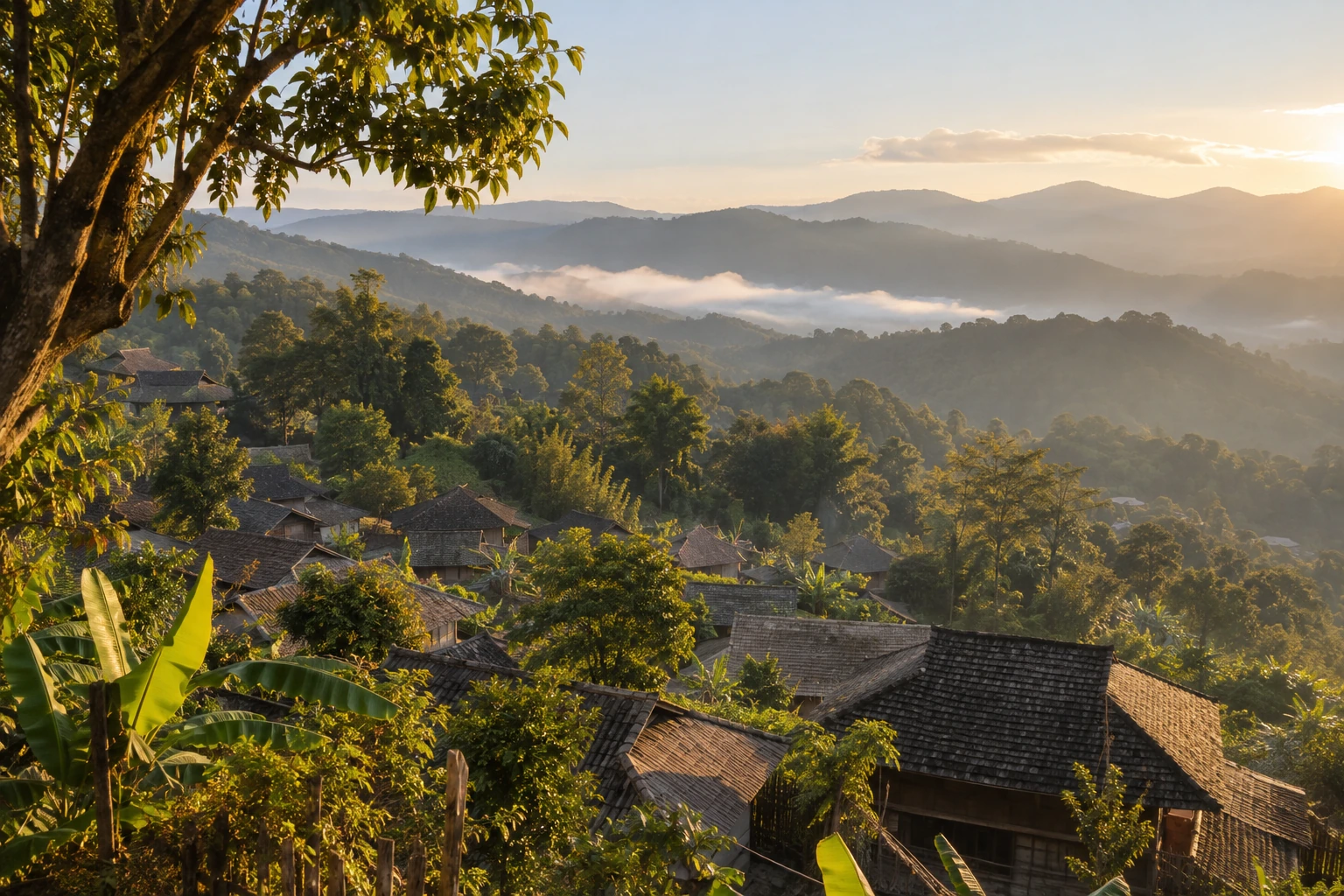
A practical three-day mountain visit
| Day | Main action | Decision to make |
|---|---|---|
| Arrival | Reach the guesthouse, then walk nearby if daylight allows | Which gateway and exact pickup time make this realistic? |
| Full day | An established tea-forest walk, lunch and a hosted tasting | Do you prefer more walking or more time with the tea host? |
| Departure | A short local morning if possible, then the road transfer | What check-in buffer does your onward ticket require? |
This is a planning structure, not a promise of fixed drive times. Keep a distant village or workshop off the departure morning when it could jeopardize the connection. If the incoming flight is late, sleep at the gateway or reduce the first afternoon. Recovering a missed arrival activity by compressing the full day usually makes the trip less enjoyable.
Pick the base before adding more villages
A village-centered stay is about its lanes, atmosphere and the host you choose. Ask for the accommodation’s exact Chinese name and map pin, the closest vehicle access, stairs, room heating or ventilation, meal service and luggage assistance. A view from a listing is not proof that every room has the same view.
Use the Wengji versus Nuogan accommodation comparison to narrow the base. Do not move hotels each night simply to collect village names. A prearranged daytime drive often lets you visit another village while keeping the same room. The useful question is how the base supports your chosen activities and return journey.
Choose the season around the experience, not one photograph
| Main interest | Plan around | Backup |
|---|---|---|
| Tea learning | A host and a specific activity on your dates | Finished-tea tasting and a process explanation |
| Photography | Several flexible light windows | Village detail and sheltered tea scenes |
| Walking | Current path and rain conditions | A shorter route or seated village activity |
| Family rest | Comfortable rooms and manageable transfers | One modest outing per full day |
A social-media photograph records one moment. It cannot promise the same cloud, light, leaf-picking activity or quiet lane on your visit. Ask what the landscape and farm work are likely to offer near your date, then keep a plan that remains worthwhile if the headline photograph does not happen. Avoid buying nonrefundable connections around a supposed guaranteed sunrise or harvest demonstration.
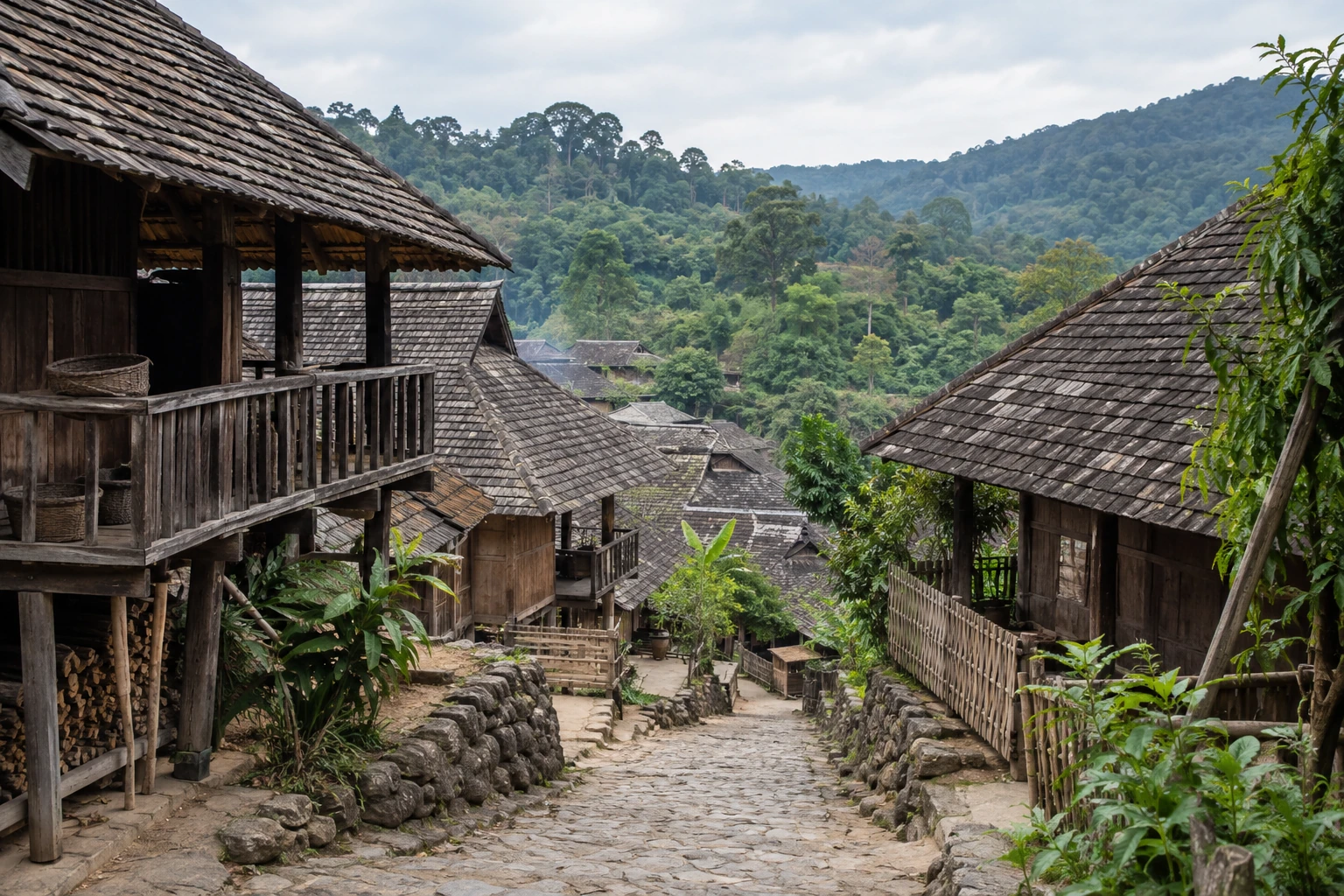
For families and travelers who prefer less walking
Explain the maximum comfortable walking time, tolerance for stairs and whether anyone needs regular rest or toilets nearby. A vehicle can shorten road travel between villages but cannot remove all walking inside them. Agree a short outing with a clear turning point. Bring water, a layer for changing conditions and snacks suited to the family’s needs.
With children, choose one main outing per day and retain meal and rest time. A tea session can be brief and children do not need to drink caffeine. Dietary preferences, allergies and halal requirements should be discussed with the actual accommodation or meal provider; a rural homestay cannot be assumed to have every ingredient or preparation arrangement.
For photographers
Scout a permitted viewpoint in daylight, confirm the meeting point and keep a rain alternative. Obtain consent for portraits and avoid blocking paths with equipment. Ground photography is sufficient for a rewarding trip. Unauthorized drone flights are prohibited across the heritage area under the local heritage authority’s notice.
What to send when requesting a route
Provide the arrival hub and time, onward hub and ticket window, number of travelers, preferred village or room style, walking needs and your main tea interest. Say whether you need an English-speaking guide throughout or interpretation for specific visits. Ask for the transport, rooms, meals, tastings and optional workshops to be itemized.
Read how to reach Jingmai Mountain before booking transport. If you are choosing between a city coffee stay and a mountain tea stay, compare Pu’er city and Jingmai. A balanced trip gives each place its own base rather than treating Jingmai as a quick stop beside Simao.
Build your route with VeroTrip
Tell us whether you want a compact tea visit, a walking stay, family pacing or several photography windows. Send your dates and preferences. We can shape a written proposal around available hosts and transport. The quotation lists the services, dates, booking terms and alternatives you accept before payment.
Matching routes
6-Day Pu’er and Jingmai Family Tea Journey · 5-Day Jingmai Village and Tea Forest Photography Tour · 4-Day Jingmai Tea Forest Walking Tour