Jingmai Mountain, Yunnan
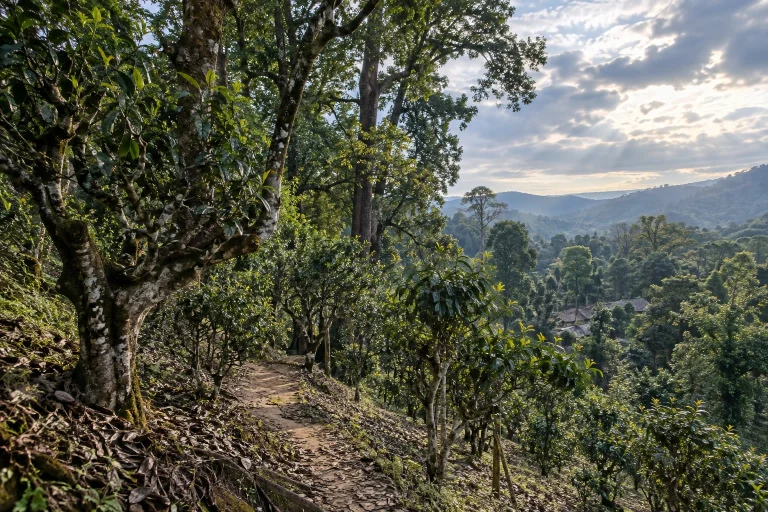
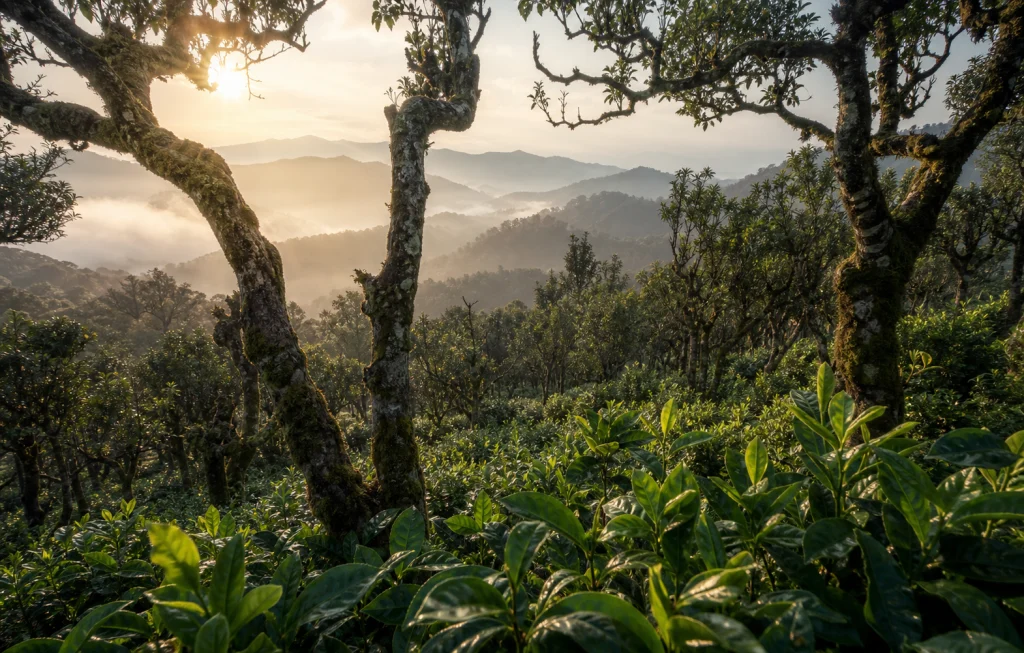
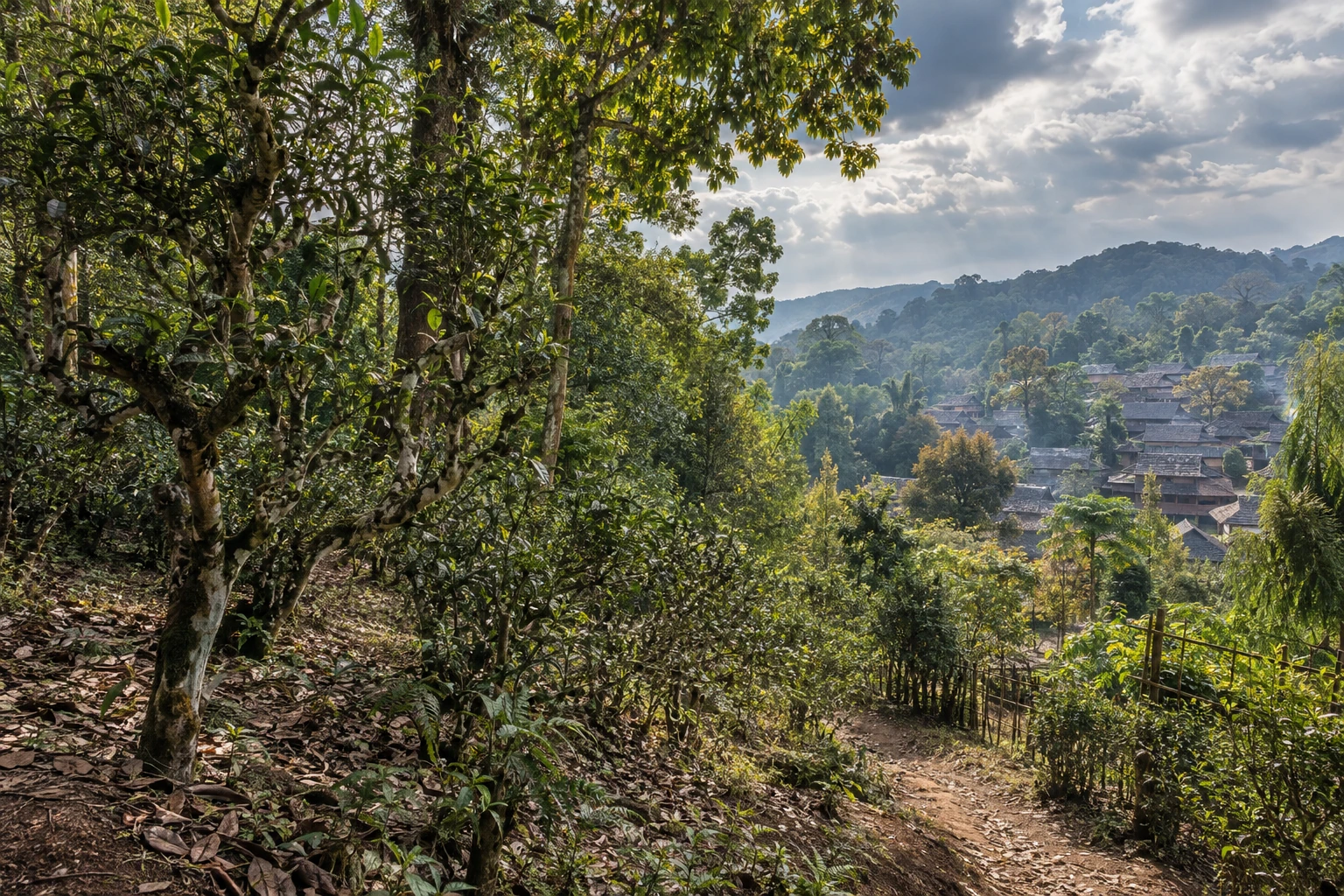
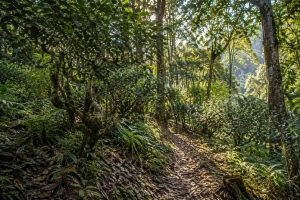
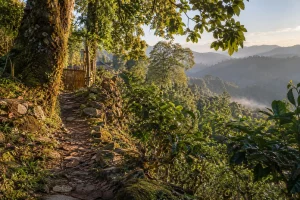
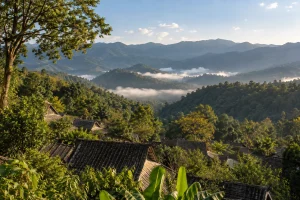
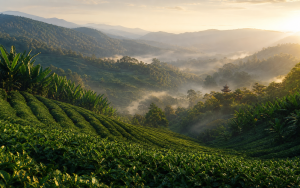
Ancient tea forests in Jingmai Mountain.
Jingmai Mountain, Yunnan Travel Guide
Jingmai Mountain invites time among tea-forest landscapes and village settings rather than a rapid circuit of famous names. Choose a suitable rural base and the particular cultural or tasting visit you want. The experience depends on the actual host and respectful access as well as the scenery.
What to see · What to eat · Where to stay · Choose your itinerary
Browse Jingmai Mountain itineraries (12) →
What to See and Do in Jingmai Mountain
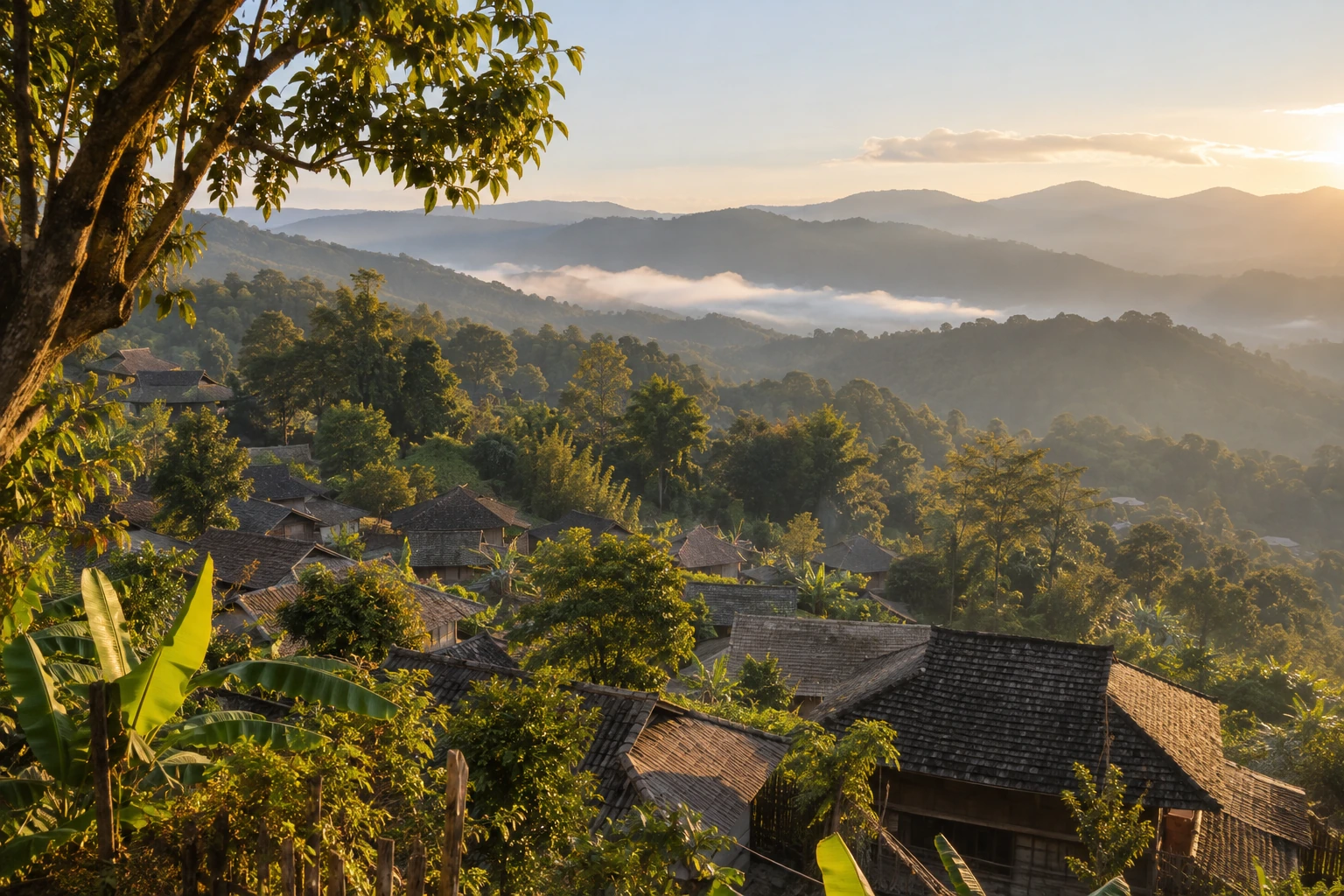
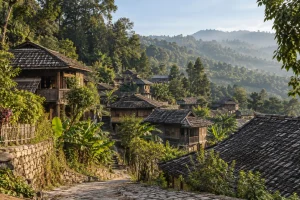
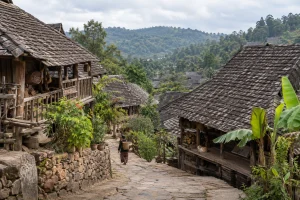
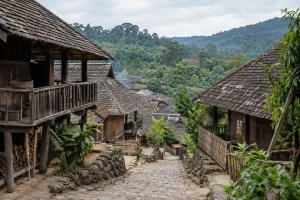
Explore Jingmai’s living tea landscape through a permitted tea-forest walk and time in public village lanes. Nuogan and Wengji are distinct settlements: notice their architecture and community setting during each visit. An overnight can slow the pace, with the exact village, room and vehicle approach chosen in advance.
Jingmai tea forest
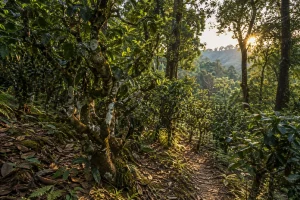
See the relationship between tea cultivation and the forest through a permitted path with appropriate interpretation.
Nuogan
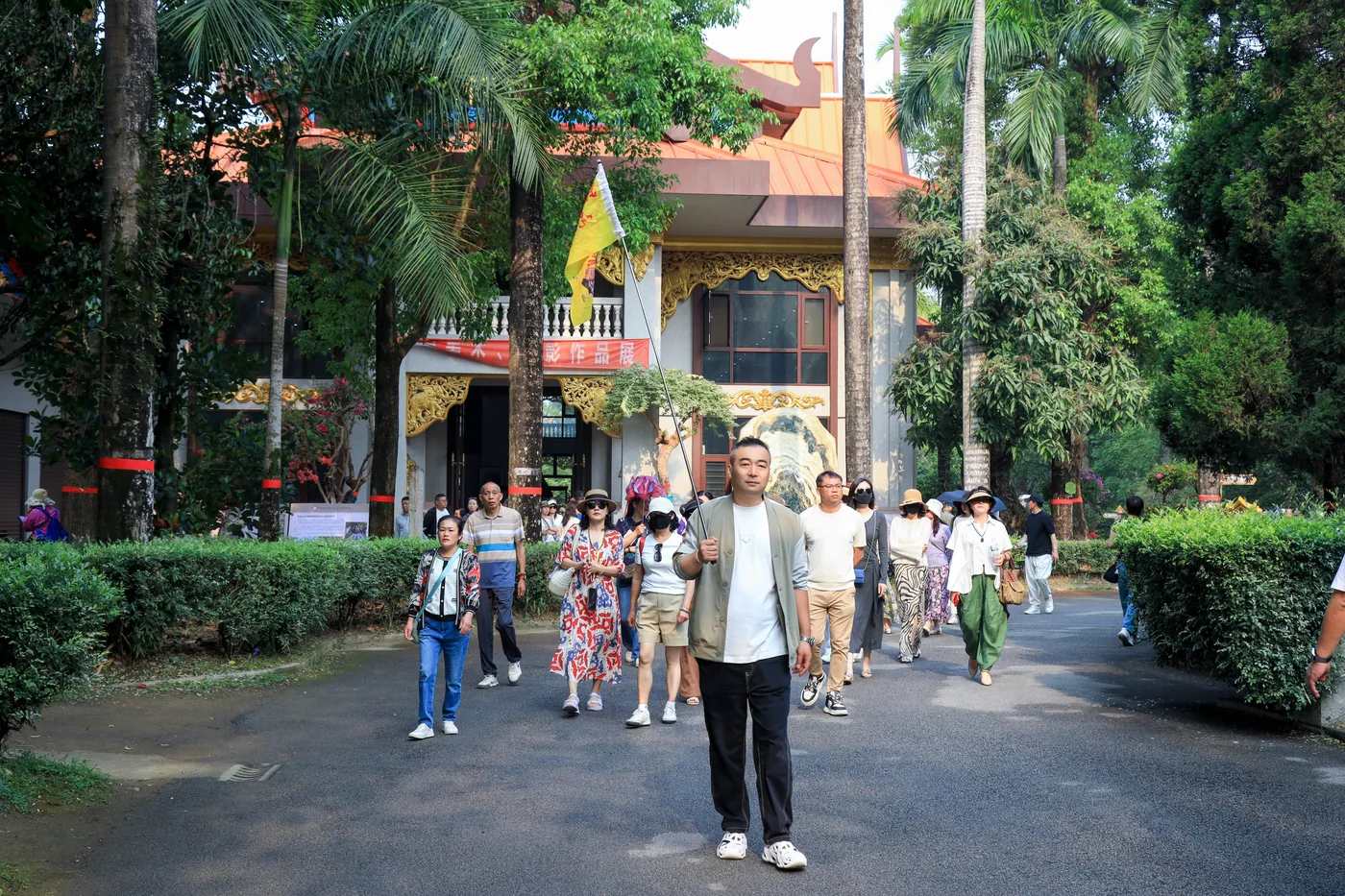
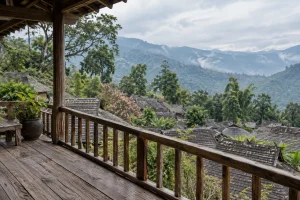
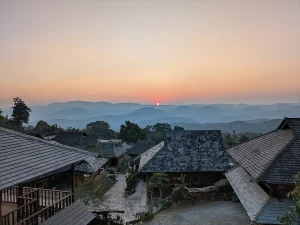
A village visit gives a distinct architectural and community setting; public lanes do not make private houses visitor attractions.
Wengji
Compare another village only when the road and walking leave time to understand it, not simply to repeat photographs.
Choose the room for the actual village, access from the vehicle, bathroom, stairs and available meals. Keep a small bag handy for the final approach if the car cannot reach the door. In rain, shorten slippery forest walking and use a confirmed seated tasting rather than a different unapproved path. Protect the departure drive from an overfull final morning and confirm the gateway before buying rail or flight tickets. Compare the Jingmai stay-length guide and Wengji and Nuogan base comparison. Rooms, hosts, meals and external transport need written inclusion details.
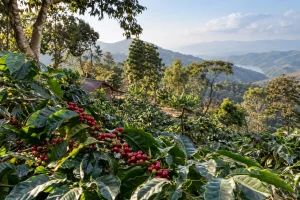
For the complete day, pair an agreed tea-forest walk with a tasting and time in a village. UNESCO describes a working cultural landscape of understorey tea cultivation, forests and traditional villages maintained by Blang and Dai communities. That context makes the host’s explanation valuable, but it does not grant access to every plot, home or ceremonial space.
Local Food to Try in Jingmai Mountain
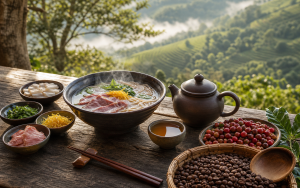
Give tea time for discussion of the actual leaf, processing and brewing. A simple cooked lunch of rice, vegetables and a suitable shared dish balances the tasting day. Arrange any hosted meal separately; tea hospitality does not itself establish restaurant or guesthouse service.
| Food or drink | What to try and how to plan it |
|---|---|
| Tea | Discuss the actual leaf and brewing style during a hosted tasting; repeated tasting does not replace lunch. |
| Rice and cooked vegetables | Simple meals fit a day spent between forest paths and village lanes. |
| Regional meat dishes | Ask about the actual kitchen and preparation before a village overnight rather than assuming a fixed tourist menu. |
Choose a proper seated meal alongside any snack tastings. Tell the restaurant about allergies and dietary requirements before preparation, including sauces, stock and shared cooking. A dish described as local does not establish a verified halal, vegetarian or allergy-safe kitchen.
Where to stay in Jingmai Mountain
| Area or base | Best suited to | The trade-off |
|---|---|---|
| Named Jingmai village | Best for an early, slow start among the tea landscapes | Steps, hot water, room heating and luggage access vary. |
| Huimin town area | Useful for a more road-oriented base below village visits | It changes the journey to the chosen tea-forest section. |
| Pu'er city | Useful as an approach or departure base | It is a separate road stage, rather than a hotel beside the tea forest. |
Choose the area first, then compare the actual property and room. Confirm passport registration, beds, bathroom, heating or cooling, and the final approach with luggage. The named base in the itinerary matters more than a broad regional address or an attractive room photograph.
How to combine Jingmai Mountain with your itinerary
A village overnight makes sense when tea forest and community context are the main reason to come. Name the exact village and accepting property, then build walking, a hosted tasting, lunch and return transport around it. Do not turn the region into a rushed detour between distant hotel bases.
| Existing itinerary | Whole trip | Local visit in the daily plan |
|---|---|---|
| 1-Day Jingmai Mountain Private Car Tour: Tea Forest and Villages | 1 Day | Jingmai Mountain |
| 2-Day Jingmai Mountain Private Car Tour from Lancang | 2 Days | Lancang to Jingmai’s forest villages |
| 3-Day Yunnan Jingmai Mountain Ancient Tea Forest Private Tour | 3 Days | Jinghong to Jingmai Mountain | Village Arrival |
| 4-Day Yunnan Jingmai Slow Village Tour from Lancang | 4 Days | Lancang to Jingmai’s forest villages; Follow an ancient tea forest path |
| 4-Day Jingmai Tea Forest Walks and Pu’er Coffee Tour | 4 Days | Jinghong to a mountain base; A guided tea-forest walk |
| 9-Day Yunnan Food, Tea and Coffee Private Tour | 9 Days | Nakeli and Jingmai Mountain |
| 5-Day Jingmai Tea Villages & Pu’er Coffee from Jinghong | 5 Days | Jinghong to Jingmai Mountain; Follow an ancient tea forest path |
| 5-Day Jingmai Village and Tea Forest Photography Tour | 5 Days | Lancang to the selected village base; Wengji light and a quiet afternoon |
The duration is for the complete trip, including its other destinations. Read the full itinerary for the actual nights in Jingmai Mountain, arrival and departure cities, hotel sequence and service description. A sightseeing interest discussed here is included only when it appears in the accepted programme.
Getting there, season and practical planning
Two nights on Jingmai Mountain allow an arrival afternoon, a complete local day and a separate departure. Choose one village base and a limited programme around it instead of changing guesthouses for each viewpoint. An additional night can provide a slower host visit or weather flexibility; it does not guarantee cloud-sea photographs or a harvest activity.
A tasting can discuss tea outside picking periods. Picking and processing depend on season, weather, production and permission; arrange them as specific appointments rather than an automatic part of a forest walk. Ask before photographing people or entering a courtyard, and distinguish a commercial tea purchase from the price of interpretation or a hosted visit.
Build each day from the actual arrival point through the visits and lunch to the final hotel or onward connection. Include bag storage or collection, the last walking section and the complete return. In rain, snow, heat or poor visibility, shorten exposed visits and use only an alternative that is actually operating and suitable for the party.
Useful reading before you book
Plan your Jingmai Mountain trip with Verotrip
Share your dates, arrival and departure cities, party size, preferred hotel area, food interests and walking needs with a Verotrip travel consultant. Price on request. Your written proposal sets out the actual admissions, transport and waiting, complete return, guiding language, meals and accommodation; this guide does not confirm a departure or an unlisted service.
Explore Related Travel Themes
Jingmai Mountain Itineraries
Find a route that fits your time and interests. Trip lengths cover the full itinerary, including other destinations; open a route to check its stops and overnight stays.
Showing 8 of 12 routes
No routes match these filters. Try another word or choose a different trip length.