Updated 5 November 2026
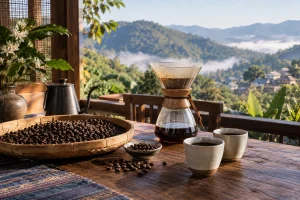
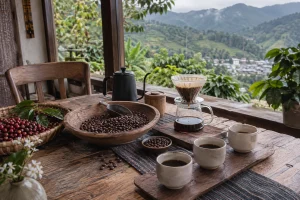
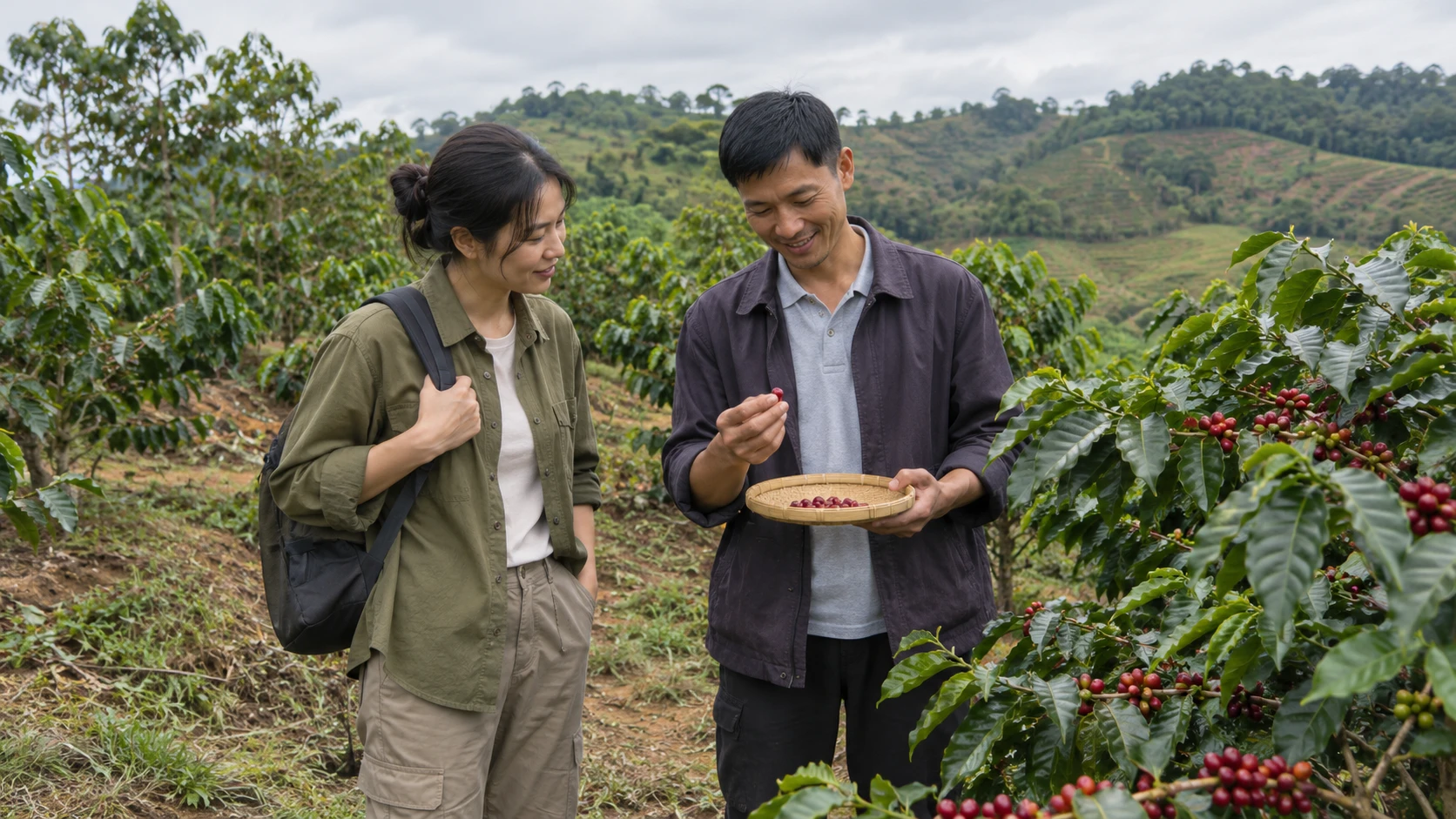
Use November to March as a starting window for a Pu’er coffee-harvest visit, then check the particular farm. When coffee is the main interest, keep two full local days: a growing or harvest visit and another tasting or production perspective. Leave arrival and departure their own space.
Decide which part of coffee production you want to see. Ripe cherries do not automatically mean visitor picking, and a cafe can serve coffee outside harvest. Match the activity with a host, date and complete return journey.
When is the coffee harvest in Pu’er?
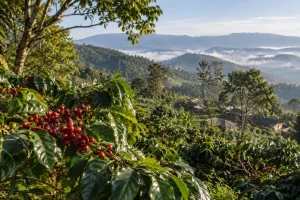
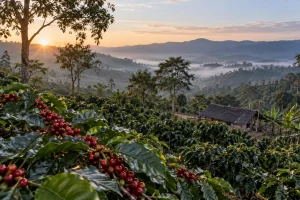
A People’s Daily report from Xiaowaozi coffee country in 2021 describes November through March as the picking season. This is a recurring seasonal reference, rather than a dated opening calendar. Local conditions, varieties and individual plots can shift the work.
There is a useful real example of that variation. Reporting from Ning’er in November 2024 said that crop was maturing earlier than the previous year. Use the season to choose a likely travel period, then ask what is actually ripe at the proposed host. Neither article establishes a daily picking programme for your future date.
| Travel period | Useful expectation | Decision before booking |
|---|---|---|
| November–March | The main seasonal window to investigate for harvest activity around Pu’er. | Ask which plot and task the host expects on your exact date. |
| October or the spring shoulder | The beginning or end of activity can vary between locations and crops. | Keep picking optional unless the host accepts the session near departure. |
| Outside the local harvest | A tasting, growing-landscape explanation or scheduled brewing session can still be worthwhile. | Choose a visit that succeeds without ripe cherries or an operating processing line. |
Begin with your available dates. If picking is essential and travel is flexible, ask the host for a suitable period before committing to non-refundable rural transfers. Earlier harvest photographs offer background, while current conditions decide the visit.
Choose Simao or Ning’er before choosing an estate
Place the exact farm and hotel on a map. Simao offers an urban base for a short stay with cafes, meals and local outings. The wider Pu’er region covers other places with different road journeys and overnight needs.
The estate at Xiaowaozi (小凹子) is a place to discuss for a Simao-area growing visit. The historical report places its story in the Nandaohe area. More recently, Pu’er Daily’s 26 October 2026 reporting describes environmental monitoring and shade-growing work at the estate. Those are good subjects for questions about the farm; the report does not reserve a tour, equipment demonstration or English-speaking host.
Choose Ning’er for an accepted coffee appointment or a wider local stay. Its growing landscape is documented in the reporting above, but an unnamed farm should not be added to an already full Simao day. Establish the property, approach and finish before agreeing the transfer.
Jingmai Mountain is a separate tea-landscape extension in Lancang County. It is not a plantation next to a Simao cafe. For a mixed tea and coffee holiday, use the Yunnan tea and coffee route planner to choose the regional sequence. Add the necessary transfer days and mountain nights rather than hiding them inside a local coffee outing.
Know which part of production you will actually see
A coffee cherry, a dried or processed bean and a roasted bean are different stages. The national Pu’er coffee geographical-indication requirements describe selective harvesting of ripe red or yellow fruit and separate wet, dry and honey-processing methods. This helps explain why every visitor will not see the same equipment or drying arrangement.
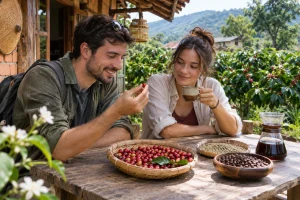
Ask the host to identify the fruit that is ready, rather than assuming every ripe variety must be red. Pick only with permission and instruction. Do not strip a branch for a photograph, disturb workers or walk into a processing area because the cafe is open. A brief explanation from the agreed safe viewing point can be more useful than joining a task.
For processing, ask whether the visit is to the growing property or another facility. A host may send fruit away for treatment, and a drying bed may be empty on the day you arrive. Roasting may happen in town or on another schedule. A tasting can compare already prepared coffees without implying that the cup came from fruit you picked that morning.
If buying the new crop matters, ask for the harvest, processing and roast information of the actual bag. Freshly picked fruit does not become a finished retail coffee merely because your holiday ends that afternoon. Prefer a clear explanation of the available lot to a promise of a complete seed-to-cup production cycle in one short session.
Four days and three nights, with two useful coffee days
This example keeps all three nights in the same Simao hotel. It suits a first coffee-focused visit without daily hotel changes. It is a planning framework, not a confirmation of particular hosts, accommodation or transport services.
| Day | Main purpose | Overnight and limit |
|---|---|---|
| 1 · Arrive | Reach the hotel, eat and use a city cafe only if arrival leaves time. | Simao night 1. No essential farm appointment depends on an early arrival. |
| 2 · Growing or harvest visit | Travel to one accepted host, see the agreed farm activity, pause for lunch and return. | Same hotel, night 2. Keep the afternoon flexible if work or weather changes. |
| 3 · Tasting or a second perspective | Use a booked tasting or demonstration; choose another farm only for a genuine difference. | Same hotel, night 3. Leave space for meals and unstructured city time. |
| 4 · Depart | Collect bags and travel to the station or airport for the issued service. | No fourth night. A rural extension is excluded when it threatens the departure. |
Keep one day adaptable when arranging the two appointments. Moving a farm visit from day 2 to day 3 can be useful if the host agrees, but it is not a guarantee that weather or production will improve. Decide what replaces the field session if neither day works. A well-explained indoor tasting is a real alternative; another unsafe rural drive is not.
With only two nights, use arrival, one full local day and departure. Choose the main farm or tasting experience and let the other component remain optional. The point is to protect a worthwhile visit, rather than promising that two hotel nights provide two full countryside days.
Get to the host and back with your luggage plan intact
Confirm the arrival station as Pu’er railway station (普洱站), or identify the airport and flight in the booking. A rail journey to Pu’er ends at the station, not at the farm. Include the hotel transfer, check-in and the following morning’s pickup before allocating a full farm session to arrival day.
For a rural outing, keep the exact meeting point and return arrangement available in Chinese as well as in your preferred language. A taxi accepting an outbound fare does not promise a vehicle for the return. Set the collection point, waiting period, late finish and contact method before leaving the city. A driver and an English-speaking farm interpreter perform different jobs.
Leave large cases at an agreed hotel storage point when returning to the same base. Carry your original passport, appointment details, water, rain protection and essential personal items. Ask about the final approach from the vehicle: uneven ground, stairs and distance to the seated area matter more than a generic description of the visit as easy.
On departure day, count the journey from the last activity through hotel luggage collection, the station or airport approach and boarding procedures. Use the issued service and actual road arrangement to set the finish. There is no universal late-afternoon train that makes every farm appointment fit.
Rain, children and a party with different interests
Harvest season does not guarantee dry paths, a clear view or outdoor drying. Wear shoes with reliable grip and choose a shorter accepted walk when the ground is wet. If the host or driver advises against the rural approach, keep the day in town or change the appointment. Do not use an unsigned plantation track as a navigation shortcut.
A farm visit does not require everyone to drink coffee. Children can focus on leaves, fruit and the growing landscape with the host, while adults taste if they wish. Keep hot water, machinery and processing tanks outside unsupervised activities. Ask about toilets, a place to sit and the length of the field section before describing the day as suitable for the whole family.
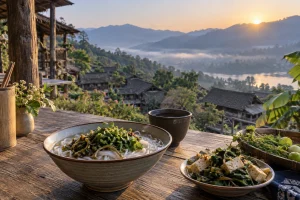
Leave a proper meal between coffee and tea sessions. Smaller tastings and a slower sequence make it easier to discuss aroma and preparation without finishing every cup. Tell the host about any ingredient, allergy or halal requirement separately. A rural cafe is not automatically a full restaurant, and a coffee tasting does not establish that lunch is included.
Match the route to the experience and the written price
The existing five-day Pu’er coffee farms and tasting route gives arrival and departure their own days, with separate farm, tasting and second-host stages. It is a longer framework than the four-day example above. Its seasonal wording does not guarantee picking, an active drying area or a roasting demonstration.
For a shorter visit, compare the two-day brewing and roasting route. Its first day starts with a local appointment rather than a protected arrival day. Check whether you need a previous Simao night and which practical session the host accepts. Neither route automatically includes Jingmai Mountain.
Price on request. Ask for the dated per-person or per-party basis, vehicle and waiting, host appointment, guiding language, admissions or activity fees, tasting portions, meals and hotel nights. A public cafe purchase, a guided farm walk and a supervised workshop are different charges. Agree the alternative and any price adjustment if a seasonal task becomes unavailable; use the accepted cancellation terms.
Book the activity, not a photograph of ripe cherries. For more detail on arranging a host, read what to arrange before visiting a Pu’er coffee farm. This seasonal guide helps choose when and how to place that appointment in your holiday.
Questions about a harvest-season visit
Is November definitely better than March?
Not for every property or visitor. Both sit within the recurring seasonal reference. Ask which has suitable activity at the chosen host; a quieter tasting visit can suit someone who does not need picking.
Can one day include picking, processing and roasting?
Only if the agreed programme actually offers the relevant activities and viewing access. Production stages may be separated by time and location. An explanation using prepared examples is different from watching each live task.
Can I arrive without an appointment?
A public cafe may accept ordinary customers, but that does not establish entry to fields or workshops. Arrange the harvest-related session, language and return before travelling specifically for it.
Should I stay at an estate?
Choose a named estate room when its actual location and facilities serve the visit. Confirm passport registration, meals and the final luggage approach. A Simao hotel is the simpler base when appointments are local and you want city choices for dinner.
Plan your coffee dates with Verotrip
Send your dates, party size, arrival and departure details, room needs and walking limits through Plan My Trip. Say whether picking, production, tasting or photography matters most. The proposal should identify the accepted hosts and service scope, with an alternative that still interests you.