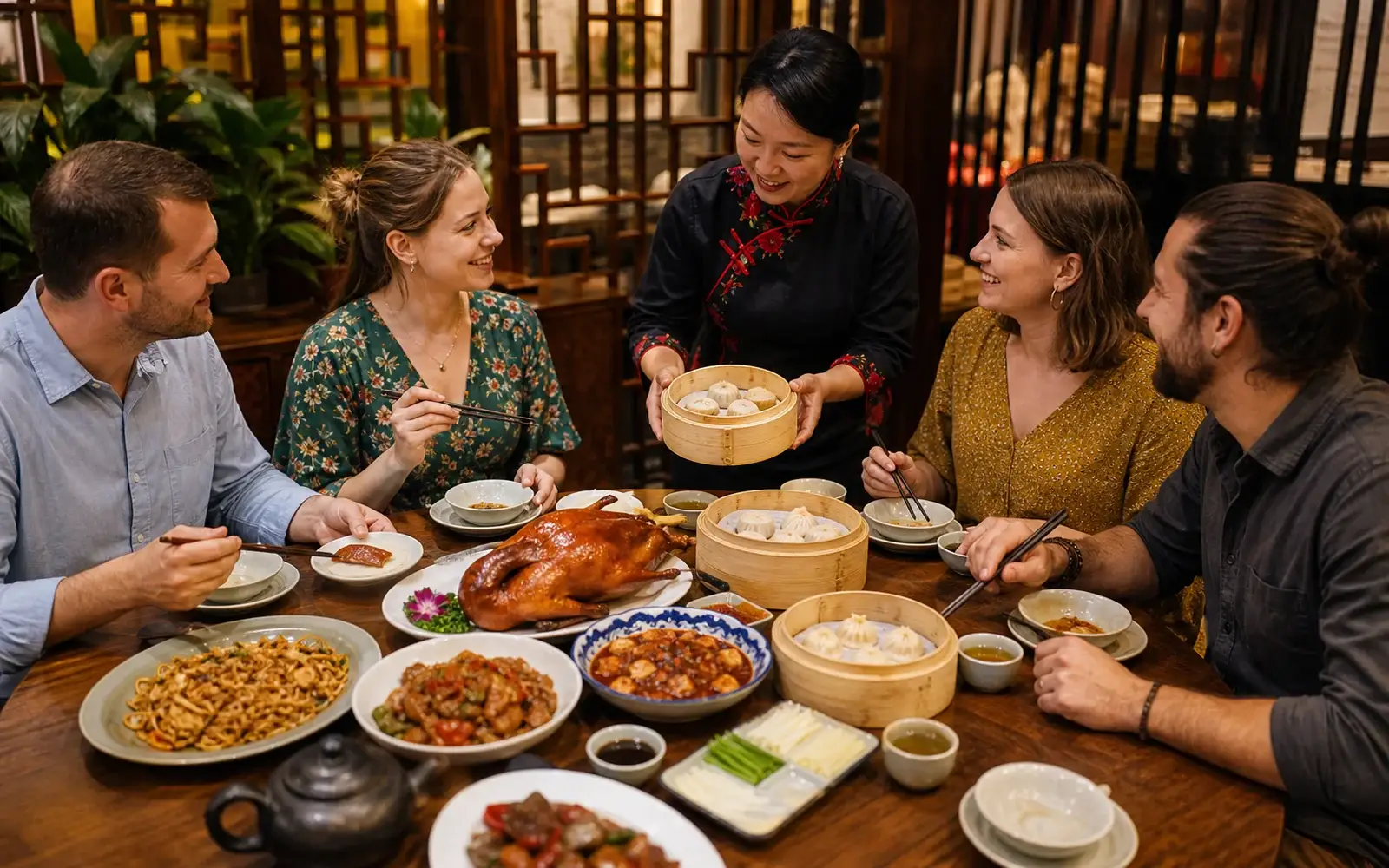
There is no single ‘Chinese cuisine.’ Climate, grain, migration, religion and local ingredients have produced distinct regional food traditions. A good China food trip moves beyond famous restaurant dishes and connects each meal to a place.
China Travel Guide Series
Continue planning with these first-time China travel guides:
- How to Pay in China in 2026: Alipay, WeChat Pay, Cards & Cash
- How Many Days Do You Need in China? 7, 10, 14 & 21-Day Plans
- Getting to China in 2026: Flights, Visa Checks & Arrival Guide
- What to Eat in China: 30 Dishes & Regional Food Guide
- Things to Do in China: 25 Experiences Beyond Sightseeing
- Best Time to Visit China: Weather, Crowds & Where to Go
- First Trip to China? Start with These 8 Destinations
- 8 Regions of China: Which One Calls to You?
- 12 Gateway Cities: Where to Start Your China Trip
- Top 30 China Attractions: Must-Sees for a First Trip
Pick Your China Travel Topics to JUMP
What to Eat by Region
| Region | Dishes to try | Flavor profile |
|---|---|---|
| Beijing & North | Peking duck, zhajiang noodles, lamb hotpot, dumplings | Savory wheat-based food and roast dishes |
| Shanghai & Jiangnan | Xiaolongbao, shengjianbao, braised pork, river fish | Milder, sometimes slightly sweet flavors |
| Sichuan & Chongqing | Mapo tofu, hotpot, dandan noodles, twice-cooked pork | Chili heat plus fragrant Sichuan pepper |
| Cantonese South | Dim sum, roast meats, steamed fish, clay-pot rice | Fresh ingredients and lighter seasoning |
| Xi’an & Northwest | Biangbiang noodles, roujiamo, lamb soup, skewers | Wheat, lamb, cumin and Silk Road influence |
| Yunnan | Crossing-the-bridge noodles, wild mushrooms, cured ham | Mountain ingredients and ethnic diversity |
| Xinjiang | Lamb kebabs, polo rice, naan, big-plate chicken | Central Asian flavors, meat, spice and bread |
| Tibet | Momos, yak dishes, tsampa, butter tea | High-altitude staples and Tibetan traditions |
How to Order Food in China
Chinese meals are commonly shared. Order a balance of vegetables, protein, a staple such as rice or noodles, and one regional specialty. Ask about portion size before ordering one dish per person; family-style dishes can be large. A translation app or photo menu helps, but a local guide can explain ingredients, cooking styles and regional etiquette.
Useful dietary phrases
| Need | Chinese | Pinyin |
|---|---|---|
| I do not eat meat | 我不吃肉 | Wǒ bù chī ròu |
| No pork | 不要猪肉 | Bú yào zhūròu |
| Not spicy | 不要辣 | Bú yào là |
| I have a food allergy | 我对食物过敏 | Wǒ duì shíwù guòmǐn |
| Is this vegetarian? | 这是素食吗? | Zhè shì sùshí ma? |
These phrases are a starting point, not a substitute for medical allergy advice. Travelers with severe allergies should carry a professionally translated allergy card listing ingredients and cross-contamination risks.
Food Safety and Comfort
- Choose busy restaurants with visible turnover and clean preparation areas.
- Drink sealed bottled water or properly boiled water where advised.
- Introduce very spicy or oily dishes gradually if your normal diet is mild.
- Keep medication and translated allergy information accessible.
- Ask before eating wild mushrooms, unfamiliar raw foods or high-proof alcohol.
Food Experiences Worth Planning
Book a morning market visit, dumpling or noodle class, Chengdu food walk, Xi’an Muslim Quarter tasting, Cantonese dim sum breakfast or tea experience. The best food activities connect a dish to the neighborhood, ingredient and people who make it.
Key Takeaways
- Plan meals by region
- Balance shared dishes instead of ordering one per person
- Use written allergy and dietary notes
- Treat market and cooking activities as real scheduled experiences
Practical Preparation
| Decision | What to verify |
|---|---|
| Route fit | Does this advice reduce backtracking and match the available days? |
| Traveler fit | Are age, walking ability, altitude, diet and mobility needs stated? |
| Operating facts | Are tickets, rules, transport, dates and provider conditions confirmed at the responsible source? |
| Written confirmation | Are price, inclusions, exclusions, cancellation terms and limitations clear before payment? |
Related Tours and Travel Topics
- 1-Day Pengzhen Old Teahouse & Chengdu Countryside Food Tour — Chengdu
- 1-Day Urumqi Grand Bazaar, Uyghur Crafts & Food Tour — Urumqi
- 8-Day Classic Yunnan Small Group Tour: Kunming, Dali, Shangri-La & Lijiang — Kunming-Dali-Shangri La-Lijiang
- China Food And Culture Tours
Continue Planning
- Things to Do in China: 25 Experiences Beyond Sightseeing
- 8 Regions of China: Which One Calls to You?
- First Trip to China? Start with These 8 Destinations
Official Travel Resources
- Traditional tea processing techniques and associated social practices in China — Authoritative description of China’s six broad tea categories, tea products and the social role of serving and sharing tea.
- Chengdu – Creative Cities Network — Authoritative UNESCO description of Chengdu as a centre of Sichuan cuisine and of the cuisine’s characteristic range of sweet, sour, bitter, spicy and salty flavors.
- Quanzhou – Creative Cities Network — Authoritative example of southeastern coastal food culture, maritime influences and named local foods such as misua soup, pork zongzi and stone-flower jelly.
- China unveils new food safety regulatory framework across full supply chain — Official overview of the current farm-to-table food-safety supervision framework, including inspection, delivery-service oversight and consumer protection context.
Check the linked authority or operator for your travel date where rules, schedules, prices or access conditions may change.
What Can Change Before Travel?
Recheck opening hours, ticket rules, weather and transport when fixing the final dates. The source links above are the starting point for those checks.
Add Food Stops to the Route
Tell us about allergies, dietary needs and the regions you plan to visit through Plan My Trip. We can place market visits, local meals and cooking experiences where they fit naturally.
Local Planner Notes
Chinese cuisine is regional. Ask what a place does well, then choose a market, neighbourhood meal or producer visit that adds context. Dietary restrictions need clear ingredient-level communication rather than a broad label.
Frequently Asked Questions
Can allergies be handled safely while travelling in China?
Share the allergen, severity and cross-contact risk in writing before restaurants are chosen. Carry a clear Chinese-language card and emergency medication; no guide should promise an allergy-free kitchen without direct venue confirmation.
How can vegetarian, vegan or halal travellers order clearly?
Explain whether eggs, dairy, seafood, broth, lard, alcohol or shared cooking oil are acceptable. The planner should identify likely restaurants and a simple fallback for transfer days instead of assuming one label covers every requirement.
Is street food safe for every traveller?
Choose busy stalls with visible turnover and thoroughly cooked food, follow local advice and avoid trying several unfamiliar items at once. Travellers with medical, pregnancy or severe-allergy concerns may prefer selected markets and seated venues.
Do I need restaurant reservations?
Popular or small venues, private rooms and food-focused weekends may require booking, while ordinary meals can stay flexible. Confirm which meals are included and whether tasting portions, drinks or premium ingredients cost extra.
How should I plan food across several regions?
Use each destination for its own cuisine rather than searching for a national checklist in one city. Protect meal time after long transfers and keep rich, spicy or high-altitude days balanced with simpler options.
Related Planning
- compare China food and culture tours
- read the regional China food guide
- explore Chengdu
- explore Kunming
Turn the Idea Into a Workable Route
Share your dates, arrival and departure cities, preferred pace and the experience that matters most through Plan My Trip. VeroTrip can compare the practical route options and prepare a written proposal with confirmed inclusions and limitations.