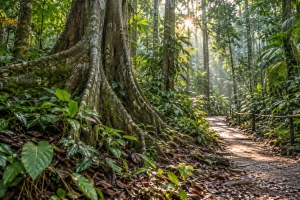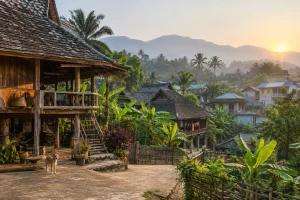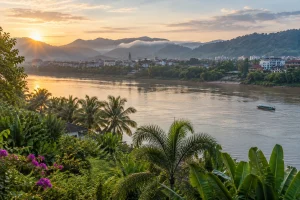

China is not one destination. It is a collection of regions with different climates, landscapes, cuisines, transport patterns and cultural traditions. Thinking regionally makes planning easier and prevents a route from becoming a list of disconnected famous places.
China Travel Guide Series
Continue planning with these first-time China travel guides:
- How to Pay in China in 2026: Alipay, WeChat Pay, Cards & Cash
- How Many Days Do You Need in China? 7, 10, 14 & 21-Day Plans
- Getting to China in 2026: Flights, Visa Checks & Arrival Guide
- What to Eat in China: 30 Dishes & Regional Food Guide
- Things to Do in China: 25 Experiences Beyond Sightseeing
- Best Time to Visit China: Weather, Crowds & Where to Go
- First Trip to China? Start with These 8 Destinations
- 8 Regions of China: Which One Calls to You?
- 12 Gateway Cities: Where to Start Your China Trip
- Top 30 China Attractions: Must-Sees for a First Trip
Pick Your China Travel Topics to JUMP
China’s 8 Travel Regions at a Glance
| Region | Key places | Signature experiences | Best general window |
|---|---|---|---|
| North China | Beijing, Hebei, Shanxi, Inner Mongolia | Great Wall, imperial heritage, grasslands | Apr–May; Sep–Oct |
| East China & Jiangnan | Shanghai, Hangzhou, Suzhou, Huangshan | Water towns, gardens, mountains, modern cities | Mar–May; Sep–Nov |
| South China | Guangzhou, Fujian, Hainan, Guangxi | Cantonese food, coast, tulou, karst scenery | Oct–Apr |
| Southwest China | Sichuan, Chongqing, Yunnan, Guizhou | Pandas, spicy food, ethnic cultures, mountain scenery | Mar–Jun; Sep–Nov |
| Tibetan Plateau | Tibet and western Sichuan/Qinghai | Monasteries, high-altitude landscapes, pilgrimage routes | May–Oct |
| Northwest & Silk Road | Gansu, Xinjiang, Ningxia, Qinghai | Deserts, oasis cities, caves, bazaars | May–Jun; Sep–Oct |
| Central China | Henan, Hubei, Hunan, Yangtze corridor | Kung fu heritage, Three Gorges, Zhangjiajie | Apr–May; Sep–Nov |
| Northeast China | Liaoning, Jilin, Heilongjiang | Winter festivals, snow, forests and border culture | Dec–Feb for snow; Jun–Sep for nature |
Which Region Matches Your Travel Style?
- First-time history: North China plus Xi’an in the central-northwest corridor.
- Landscapes and photography: Southwest China, Zhangjiajie, Huangshan or the Tibetan Plateau.
- Food: Southwest for Sichuan and Chongqing; South China for Cantonese and Fujian cuisines.
- Silk Road and living cultures: Northwest China, with longer distances and a slower route.
- Winter: Northeast China for Harbin and snow landscapes, or Yunnan for milder temperatures.
How to Combine Regions Without Rushing
One region is enough for a focused week. With 10–14 days, combine two neighboring regions or connect one inland region with an east-coast gateway. Three regions normally require at least 18–21 days. High-speed rail is excellent inside the eastern half of China; flights are often more practical for Tibet, Xinjiang and long southwest-to-east transfers.
| Trip length | Recommended scope | Example |
|---|---|---|
| 7 days | One region | Yunnan or Beijing–Shanxi |
| 10–14 days | Two regions | North China + East China |
| 18–21 days | Two to three regions | Beijing/Xi’an + Southwest + Shanghai |
| 24+ days | Cross-country route | East Coast + Silk Road or Tibet |
Key Takeaways
- Use regions to reduce backtracking
- Give remote regions dedicated time
- Compare climate and altitude across regions
- Connect regions through realistic gateway cities
Practical Preparation
| Decision | What to verify |
|---|---|
| Route fit | Does this advice reduce backtracking and match the available days? |
| Traveler fit | Are age, walking ability, altitude, diet and mobility needs stated? |
| Operating facts | Are tickets, rules, transport, dates and provider conditions confirmed at the responsible source? |
| Written confirmation | Are price, inclusions, exclusions, cancellation terms and limitations clear before payment? |
Related Tours and Travel Topics
- 14-Day Silk Road Self-Drive Tour: Xi’an to Urumqi — Xi’an-Baoji-Lanzhou-Zhangye-Jiayuguan-Dunhuang-Hami-Turpan-Urumqi
- 8-Day Classic Yunnan Small Group Tour: Kunming, Dali, Shangri-La & Lijiang — Kunming-Dali-Shangri La-Lijiang
- 10-Day Yunnan Tour: Kunming, Dali, Shangri-La, Feilaisi & Lijiang — Kunming-Dali-Shangri-La-Feilaisi-Lijiang-Kunming
- Xinjiang Silk Road Tours
Continue Planning
- First Trip to China? Start with These 8 Destinations
- Best Time to Visit China: Weather, Crowds & Where to Go
- 12 Gateway Cities: Where to Start Your China Trip
Official Travel Resources
- Geography — Official Ministry of Natural Resources overview of China’s geography; supports explaining why climate, terrain and travel conditions differ substantially by region.
- China – UNESCO World Heritage Convention — Current UNESCO inventory of China’s cultural, natural and mixed World Heritage properties; supports the geographic spread and diversity of major visitor regions.
Check the linked authority or operator for your travel date where rules, schedules, prices or access conditions may change.
What Can Change Before Travel?
Recheck opening hours, ticket rules, weather and transport when fixing the final dates. The source links above are the starting point for those checks.
Choose Regions That Work Together
Share your priorities and trip length through Plan My Trip. We can narrow the regional choices and show which combinations need more time.
Local Planner Notes
Regional planning prevents a trip from becoming a chain of airports. Compare climate, transport and the type of experience each region adds before deciding that distance alone creates variety.
Frequently Asked Questions
How many China regions fit into a two-week trip?
Most travellers can explore two connected regions, or three only when transport is efficient and priorities are limited. Count arrival, departure and transfer days before adding another province; a map can hide long airport and station journeys.
Should I connect regions by train or flight?
High-speed rail is useful between many eastern and central cities, while flights save time over very long western distances. Compare hotel-to-hotel time, baggage handling and schedule reliability rather than distance alone.
Can northern, tropical and high-altitude regions share one packing plan?
No. Conditions can differ sharply on the same dates. Build layers and activity-specific equipment around the coldest, wettest or highest section, and keep medication and essential clothing in cabin or day luggage during transfers.
Which regions are easiest for children or older travellers?
Routes with fewer hotel changes, strong rail links and controllable walking are usually easier. Mountain, desert, plateau and remote-border journeys need a separate discussion about road hours, altitude, toilets and medical access.
What should be booked first on a multi-region route?
Fix international gateways, the most capacity-limited experience and the longest transport sectors first. Hotels and local days should follow the confirmed travel direction instead of being booked as isolated bargains.
Related Planning
Turn the Idea Into a Workable Route
Share your dates, arrival and departure cities, preferred pace and the experience that matters most through Plan My Trip. VeroTrip can compare the practical route options and prepare a written proposal with confirmed inclusions and limitations.