Updated 7 October 2026.
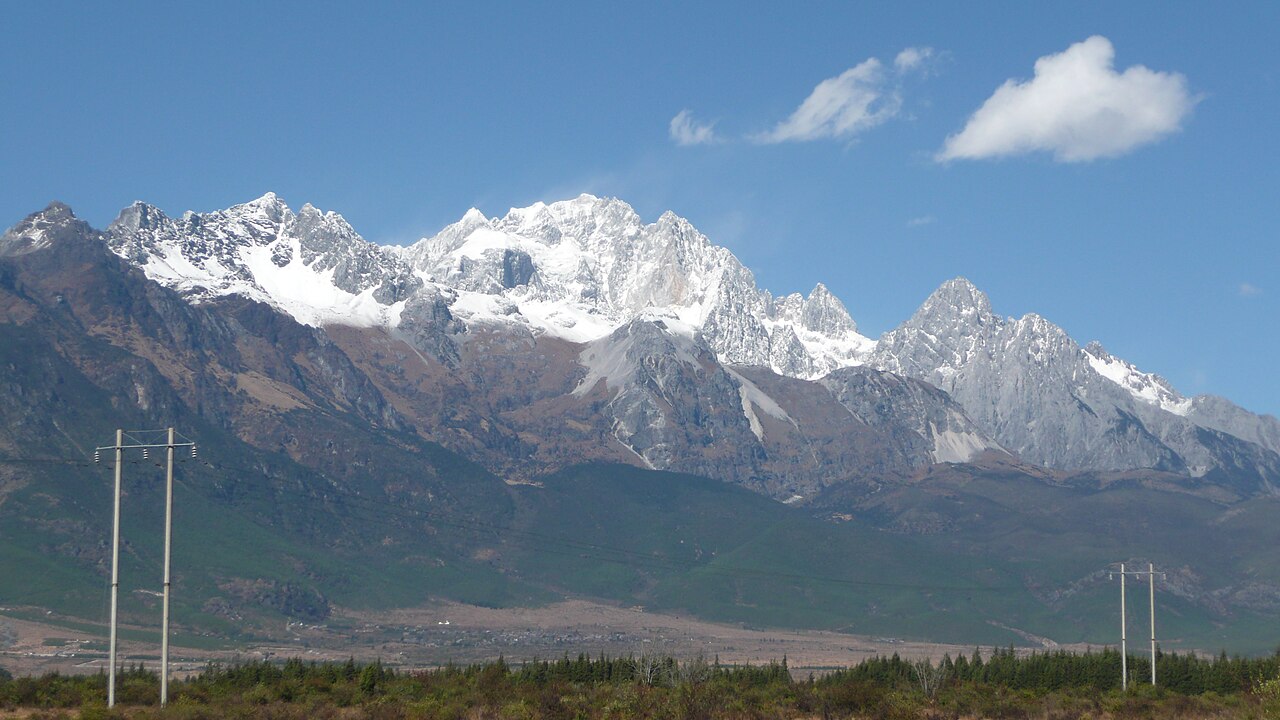
Lijiang is roughly 2,400 metres above sea level; a Jade Dragon Snow Mountain excursion can take you above 4,500 metres in the same day. Treat the town stay and the high cable-car outing as separate decisions. Keep arrival day simple, leave room to change the mountain plan, and choose accommodation that makes rest and transfers easy. You can have a worthwhile Lijiang trip without taking the highest cable car.
This guide helps you arrange nights, select an outing and know when to stop. It complements the Lijiang old-town and day-trip guide; it does not replace personal advice from a travel-health clinician.
Lijiang altitude: which number applies to your visit?
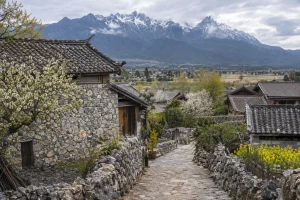
Use the elevation of the place where you will sleep or walk, not the height of the distant mountain. The National Ethnic Affairs Commission’s Lijiang description places the old town in a basin at 2,416 metres. Individual streets and hotels vary; “about 2,400 metres” is the useful town-level figure.
| Place | Elevation to understand | What it means for your plan |
|---|---|---|
| Lijiang Old Town / Dayan | About 2,400 m | Your overnight base; hotel access and stairs still matter. |
| Glacier Park cable-car upper station | 4,506 m | You reach high altitude before choosing any extra uphill walking. |
| Glacier Park upper visitor platform | 4,680 m | An optional further ascent on the visitor route; do not make the marker compulsory. |
| Shanzidou, Jade Dragon’s main peak | 5,596 m | The mountain summit, not the destination of a standard cable-car ticket. |
The mountain figures are described in China Tourism News’ report with the ropeway operator. “Reaching 4,680 metres” means reaching a visitor platform, not summiting the mountain. There is no need to complete every step to make your ticket worthwhile.
Choose the experience before booking the cable car
Start with what everyone in your party wants to do. A forest outing, a valley visit and a high glacier viewpoint offer different days. Agree the main option before comparing package prices, especially if some travelers want the highest platform while others prefer cultural visits.
| Your priority | A possible choice | Check before committing |
|---|---|---|
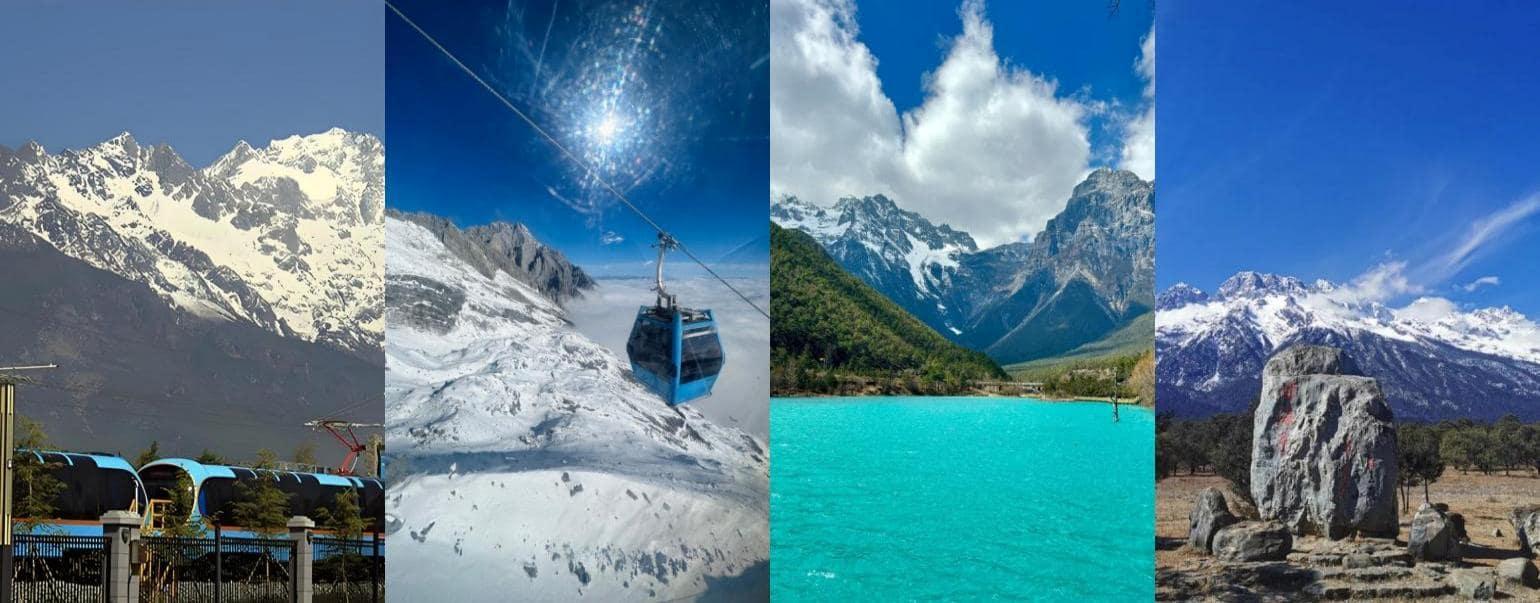
| High mountain scenery | Glacier Park, if appropriate for you | Health advice where needed, the exact reservation and the option to turn back. |
| Forest and meadow scenery | Spruce Meadow, when operating | Still at elevation; ask about walking, steps and the full transfer sequence. |
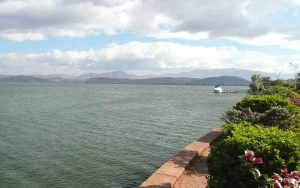
| Water and mountain views | Selected Blue Moon Valley stops | Current access, walking surfaces and the return meeting point; it is not a sea-level outing. |
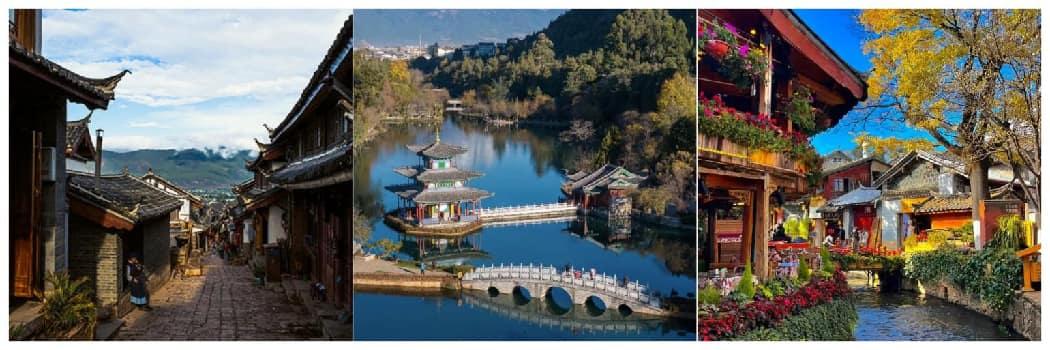
| A trip without a high ascent | Dayan heritage, Baisha or a prearranged craft visit | Actual venue access, road pickup and a short-walk option. |
Leave Yak Meadow ropeway out of the current booking plan. The operator’s reconstruction announcement suspended visitor operations from 4 March 2026. It describes 2028 as an expected reopening year, subject to a further announcement. An old three-cable-car comparison does not establish present availability.
For the detailed differences between mountain options, use the Jade Dragon Snow Mountain cable-car guide. Do not add another cable car just because it appears on a bundled ticket: the extra transfers, queues and walking may make the day less suitable for your group.
How to arrange your first days in Lijiang
For a first visit with a possible mountain day, our practical suggestion is four hotel nights: an arrival evening, three full days and a departure morning. That leaves a town day, a possible mountain day and another flexible local day without counting the arrival evening as sightseeing time. The extra space is flexibility, not a guarantee of acclimatization.
| Stage | Useful plan | Leave room for |
|---|---|---|
| Arrival day / first night | Transfer, check in, eat and rest; a short nearby walk only if comfortable. | A delayed flight or a longer luggage transfer. |
| First full day / second night | One town or village outing, with a proper meal break. | Shortening the walk and returning to the same hotel. |
| Second full day / third night | Your chosen mountain outing if suitable and operating; otherwise a local alternative. | Ticket changes, weather or deciding not to ascend. |
| Third full day / fourth night | An unhurried cultural day or additional flexibility. | Rest rather than moving an ambitious outing into every spare hour. |
| Departure morning | Hotel checkout and the agreed station or airport transfer. | Carrier check-in time and road delays. |
If you have only two nights after a late arrival, you have one full day. Choose the town or the mountain according to your priorities instead of promising both. Do not place a nonrefundable flight immediately after the cable-car outing. A queue or suspension can affect the whole return, and an early descent should remain possible.
If you are coming from Dali or another overnight stop, list those nights in your trip request too. The route you have already traveled matters more than the city printed on your incoming ticket. Keep your hotel base unchanged during the local days so a change of activity does not also require moving luggage.
Altitude illness: what changes the plan?
The CDC Yellow Book explains that ascent rate, sleeping altitude and individual susceptibility matter; physical fitness does not prevent altitude illness. Unacclimatized travelers can be at risk from about 2,450 metres, sometimes lower. A town-level estimate is therefore not a dividing line between safe and unsafe. Discuss previous altitude illness and relevant heart, lung or other medical conditions with a clinician before travel. Ask that clinician about any medicine; do not use a stranger’s prescription or dose.
Follow NHS altitude-sickness advice: if you feel unwell at altitude, tell your companion, stop going higher and rest. Headache with nausea, dizziness or marked tiredness after ascent needs attention. Symptoms may appear after the outing rather than during the first few minutes. Worsening symptoms, or symptoms that fail to improve, require descent and medical advice. Confusion, difficulty walking straight or breathlessness at rest require immediate medical help and descent as safely as possible. Alert scenic staff and your guide; do not continue towards a photo marker.
A portable oxygen canister, a sweet drink or a previous symptom-free trip is not clearance to keep ascending. Buying equipment does not replace a plan to stop and get help. Leave alcohol out of the initial altitude adjustment period and keep activity gentle, as the CDC advises. A travel organizer can alter logistics; individual medical suitability belongs with a qualified clinician.
Choose a hotel that makes the first evening easier
Before paying, ask for the closest vehicle-access point, the route from there to reception and the number of stairs to your room. A panoramic room above the old town may involve more climbing than a room near road access. Ask whether staff can meet you with luggage, whether the room is reached by a lift, and whether meals are convenient if you stay in for the evening.
Save the hotel’s Chinese name, map pin and contact details offline. For arrival, provide the flight or train number and agree a recognizable meeting point. If the taxi cannot reach the door, the last section should be planned before you have a suitcase on the paving. The Lijiang hotel-area and pickup guide compares the practical questions for Dayan, Shuhe and Baisha.
Book a mountain day as several connected services
Ask for a written list that separates hotel transport, park admission, scenic shuttles, the named cable car, optional activities and meals. The scenic authority’s May 2026 notice distinguishes required admission and scenic transport from optional cable cars, shows and local electric carts. Check current prices and terms for the exact items you want; a headline cable-car price is not the complete day cost.
For foreign-passport holders, confirm which document details the booking channel accepts and how entry works with that document. Do this before relying on a Chinese-ID or face-scan instruction in a domestic traveler’s post. Keep the booking confirmation and original travel document accessible. If a channel cannot process your passport, ask the operator or your booking provider for the appropriate procedure rather than submitting another person’s details.
The pickup should follow the confirmed reservation, not an arbitrary very early departure. Ask how breakfast, the road journey and park transfers fit together. Agree the return meeting point and a way to contact the driver if you finish early. If members choose different outings, name the responsible adult or guide with each subgroup and settle the reunion plan before separating.
What to carry, and what to arrange separately
Use a small day bag rather than taking your main suitcase around the park. Keep layers, rain protection, sun protection, water, suitable food, your phone and booking information accessible. Shoes should suit the actual walking surface. A photograph of snow, sunshine or a thin jacket represents one visit; check the mountain forecast and operation notices close to departure.
Do not let a snack replace the day’s meal arrangement. Travelers needing halal food should ask who supplies lunch, what ingredients and preparation are available, and whether an agreed packed option is more practical. Do not assume a generic scenic-area snack meets your requirements. Build a prayer break into the timing with the organizer and ask about an appropriate permitted place; a prayer room is not an automatic inclusion.
For children and older relatives, discuss walking ability, stairs, seating, toilet stops and individual health advice before choosing an ascent. Age alone does not describe the day they can comfortably manage. Explain whether a stroller, walking aid or another passenger’s assistance is needed, and ask where each will actually be usable.
If the preferred outing cannot happen
| What changes? | Your next action | An alternative with a purpose |
|---|---|---|
| No suitable cable-car slot | Check a different day and its change terms before moving other bookings. | A Baisha heritage outing or a booked cultural activity. |
| Wind or another suspension | Follow the operator’s notice and refund or rebooking procedure. | A suitable town activity only if local conditions allow. |
| Someone feels unwell | Stop the ascent plan and obtain appropriate assistance. | Rest and medical care as needed, rather than another excursion. |
| Different preferences within the group | Agree separate supervision, transport and meeting arrangements. | A shorter local visit for those who do not want the mountain. |
A useful backup should be something you would enjoy in its own right. It should not be another high ascent bought under pressure. For severe weather affecting roads or town access, postponement may be the right choice; switching to a village drive is not automatically appropriate.
Should you continue to Shangri-La next?
Treat Shangri-La as a separate higher overnight destination, not a recovery stop after the snow mountain. Check the Shangri-La arrival and sightseeing guide before committing to that extension. A train can simplify the transfer but does not make the change in elevation disappear. Keep the option to revise the route if you are unwell.
Plan the right Lijiang stay with VeroTrip
The five-day Lijiang Naxi villages and foothills tour provides a cultural route without a compulsory high-mountain ascent. The eight-day relaxed Kunming–Dali–Lijiang tour spreads the journey across several bases, with a named mountain option and separately agreed alternatives. For more hosted cultural experiences, browse food and culture tours.
Send your arrival and departure details, recent overnight locations, number of travelers, hotel preferences, walking needs and dietary or prayer requirements. Say whether Glacier Park is essential, optional or unwanted. Ask VeroTrip to plan the sequence and local arrangements. Your dated proposal should name the transport, guiding language, admissions, meals and change terms before payment; a general inquiry does not reserve a cable-car place.