
The best time to visit Yunnan depends on the route. March to May and September to November are broadly comfortable for Dali, Lijiang and the northwest. December to February can be excellent for Yuanyang and Xishuangbanna. Summer brings green landscapes and wild mushrooms, together with rain and greater road uncertainty.
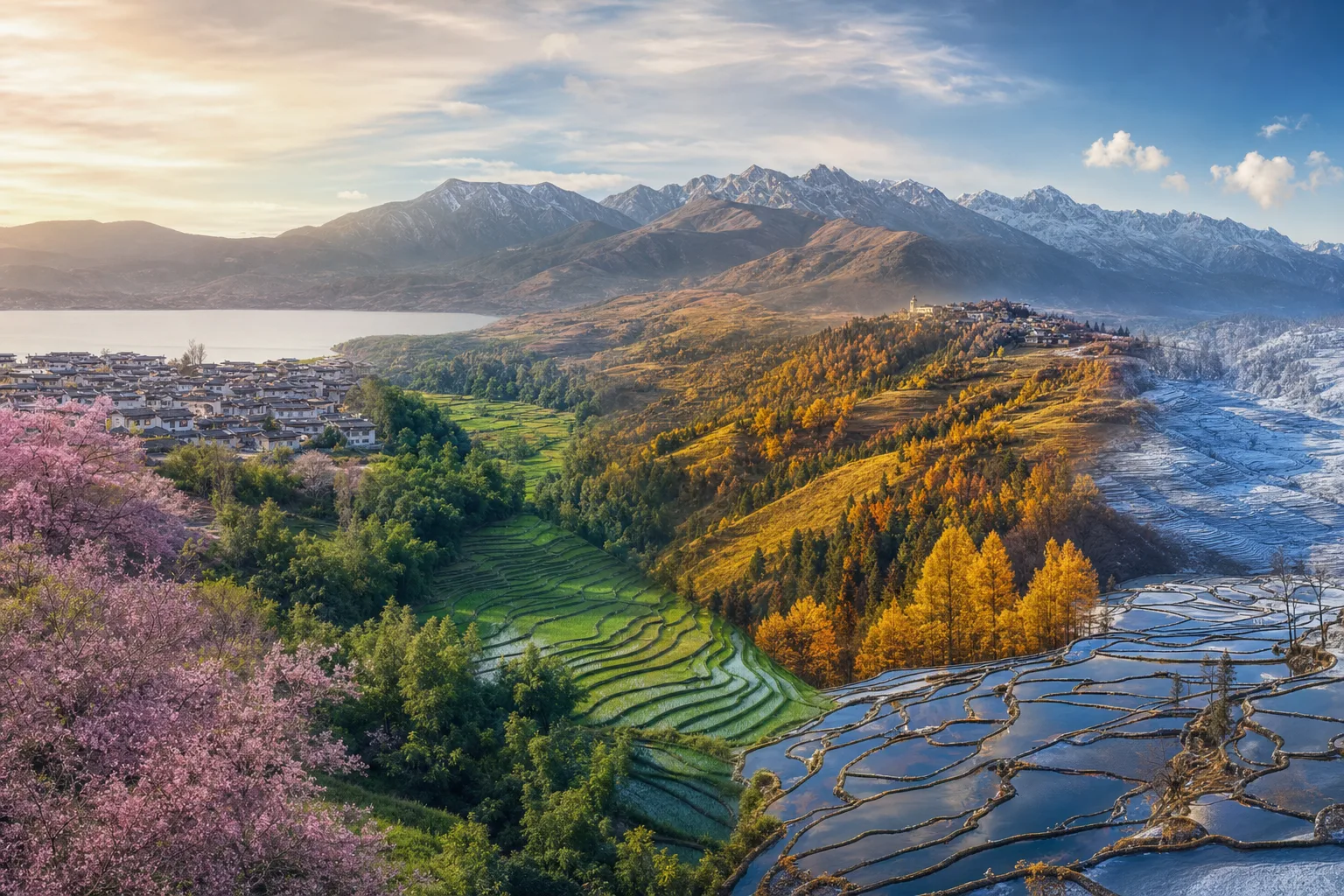
Yunnan Weather Is Regional
| Travel zone | Examples | Weather pattern |
|---|---|---|
| Central plateau | Kunming | Mild base for much of the year, with a wetter summer |
| Northwest highlands | Dali, Lijiang, Shangri-La | Large day–night changes; colder with elevation |
| Southern valleys | Pu’er, Xishuan |
Warmer and more tropical, with humid rainy months |
| Rice-terrace country | Jianshui, Yuanyang | Landscape appeara |
| High mountain areas | Meili, Haba, Tiger Leaping Gorge | Trail and road conditi |
Yunnan Month by Month
| Month | Where it can work well | What to consider |
|---|---|---|
| January | Yuanyang, Xishuan |
Water-filled terraces and warmer southern weather; cold highland nights |
| February | Yuanyang, Jianshui, Dali | Terrace reflect |
| March | Kunming, Dali, Lijiang | Spring flowers and comfort |
| April | Classic northwest route | Generally useful conditi |
| May | Dali, Lijiang, Shangri-La | Green landsca |
| June | Dali, Lijiang, Pu’er | Rain increases and landsca |
| July | Highland areas and food routes | Wild mushroom season and cool highlands; rain, school holidays and road disrupt |
| August | Dali, Lijiang, Shangri-La with flexibi |
Lush scenery but continued rain; build alterna |
| September | Northwest Yunnan and hiking routes | Often a useful transit |
| October | Dali, Lijiang, Shangri-La, Meili | Popular autumn weather; National Day creates heavy demand at the start of the month |
| November | Northwest highlands and southern Yunnan | Drier conditi |
| December | Yuanyang, Xishuan |
Dry-season travel and terrace water; winter clothing needed in the northwest |
Best Time for the Classic Yunnan Route
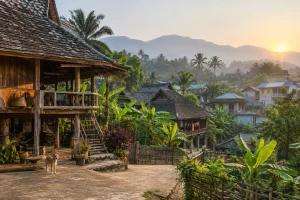
For Kunming, Dali, Lijiang and Shangri-La, spring and autumn normally offer the easiest balance of temperature and outdoor time. March to May brings flowers and a fresh landscape. September to November often brings clearer highland days, although nights become colder. These periods are popular, so boutique hotels and preferred train times should be secured earlier.
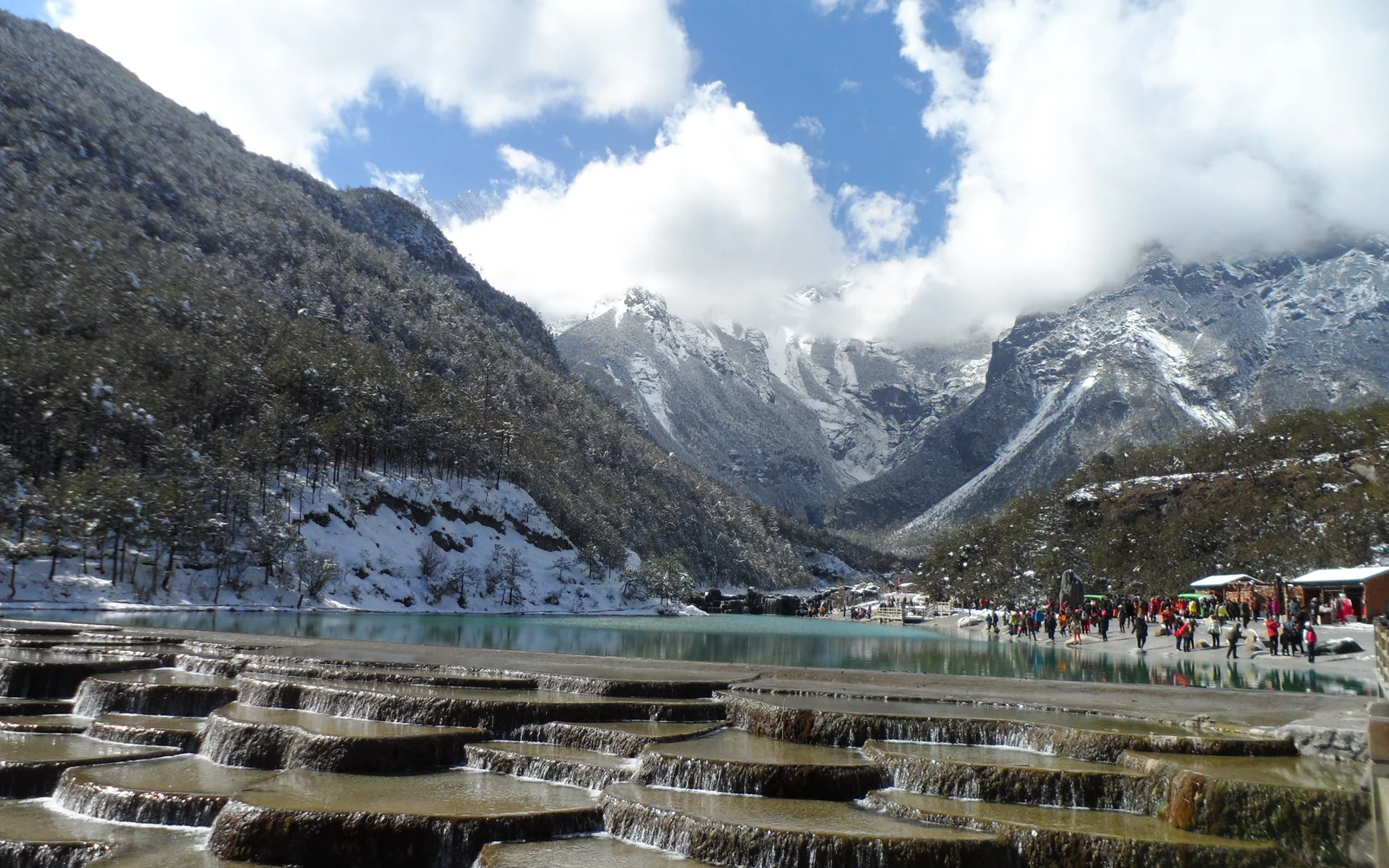
Photo credit
Photograph by Ding Ding; available on Wikimedia Commons; under CC BY-SA 4.0. Cropped and resized for web use.
When to Visit Yuanyang Rice Terraces
The famous reflective landscape is associated with the water-filled period, broadly from late autumn through winter and into early spring. Exact agricultural timing is controlled locally and varies from year to year. Fog can hide one viewpoint while another valley is clear, which is why two nights and a flexible local vehicle are more valuable than a single sunrise stop. Read the Yuanyang Rice Terraces guide.
When to Visit Xishuangbanna
Late autumn through spring is generally more comfortable for tropical forests, tea areas and outdoor visits. The warmer wet season is greener but more humid. Festival dates can create a powerful cultural reason to travel, but also heavier demand. Wildlife experiences should be chosen for their standards, not only their availability.
When to Hike Tiger Leaping Gorge
Spring and autumn are commonly preferred, but current rain, landslides, snow, heat and trail maintenance matter more than a calendar label. Never rely on an old blog report for an active route. Confirm local conditions, luggage transfer, footwear, accommodation and a bad-weather alternative. Use the Tiger Leaping Gorge hiking guide.
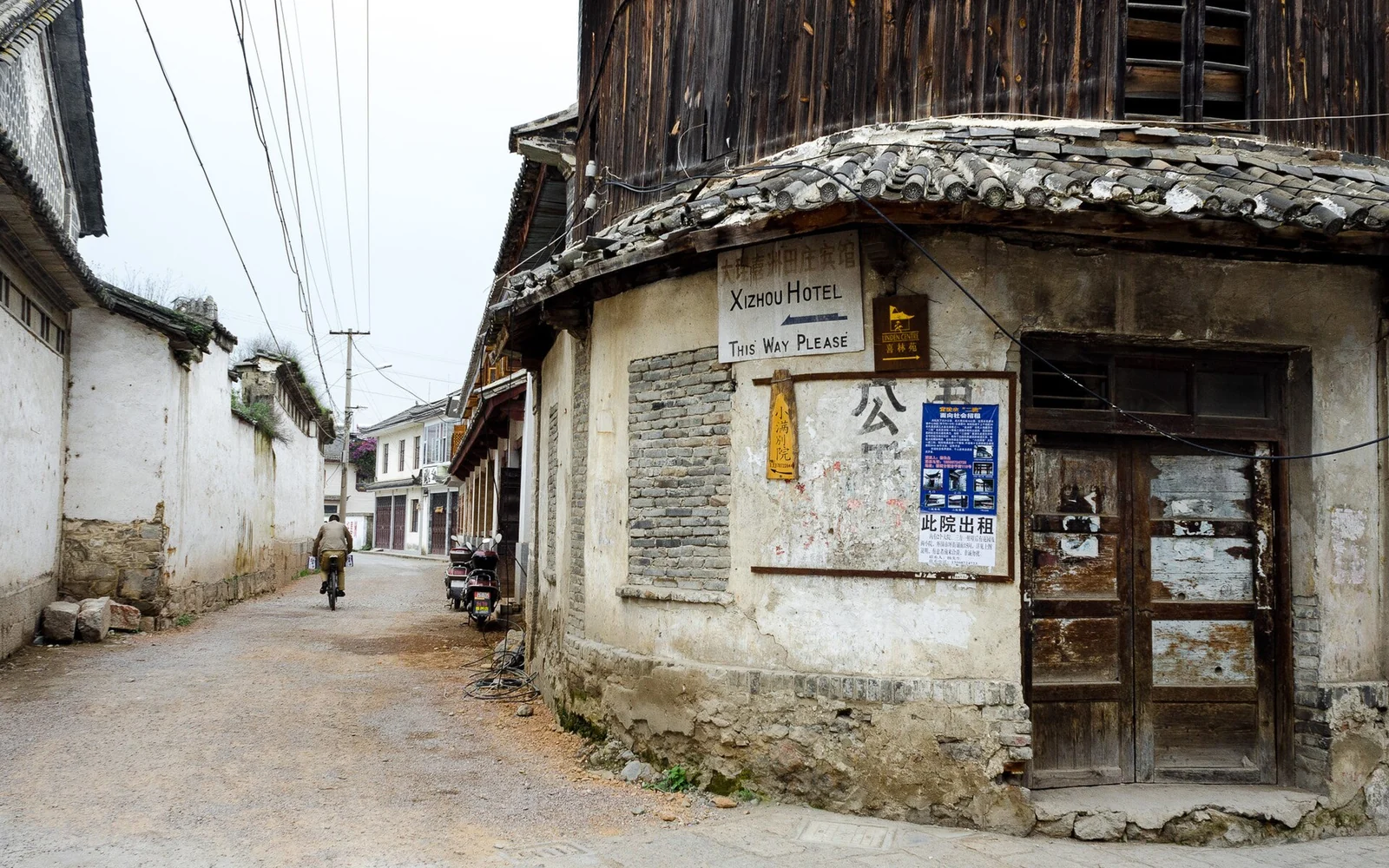
Photo credit
Photograph by Luca Casartelli; available on Wikimedia Commons; under CC BY-SA 3.0. Cropped and resized for web use.
When to Visit Shangri-La and Meili Snow Mountain
Late spring and autumn are often attractive for highland scenery. Summer can be green and culturally rich but wetter; winter is cold and some travellers find the altitude more demanding. Mountain visibility can change quickly. Build the route around a meaningful stay rather than a single promised sunrise.
Public Holidays to Consider
The Lunar New Year period, early May and the National Day holiday in early October can increase demand for transport, hotels and attractions. Dates change or interact with adjusted working weekends, so confirm the actual calendar before booking. If the trip must fall in a busy period, reserve core transport and accept that famous sites will feel different.
What to Pack by Season
- Spring: light layers, a warmer evening layer, rain protection and sun protection.
- Summer: breathable clothing, reliable rain protection, quick-drying layers and insect protection in the south.
- Autumn: daytime layers, warm highland clothing and strong sun protection.
- Winter: insulated layers for northwest Yunnan, while keeping lighter clothing for the south.
Temperature changes with altitude during the same day. Packing for Kunming alone is not enough if the route continues to Shangri-La.
Choose the Route After the Month
If the travel dates are fixed, choose the Yunnan region that fits them. A January trip may focus on Yuanyang and Xishuangbanna; an October journey may favour the northwest and Meili. If the route is fixed, keep outdoor days flexible and plan alternatives. Compare the regions on the Yunnan travel map.
Frequently Asked Questions
What is the single best month to visit Yunnan?
There is no universal month, but April, May, September and November often work well for broad northwest routes outside the heaviest holiday periods.
Is summer a bad time to visit Yunnan?
No. Summer is green and brings seasonal food, but outdoor plans need rain alternatives and road-sensitive routes require more caution.
Does it snow in Yunnan?
High mountain and plateau areas can receive snow, while southern Yunnan remains much warmer. Conditions vary sharply by elevation.
When are Yuanyang terraces most reflective?
The water-filled winter period is commonly associated with reflections, but farming and weather determine the actual scene.
When is Yunnan wild mushroom season?
Summer is the main period. Only eat mushrooms prepared by reputable kitchens; identification and cooking safety are essential.
Is Shangri-La open in winter?
The city remains a travel destination, but cold, snow, road conditions and individual altitude response affect the route.
When should I avoid Chinese holiday crowds?
Avoid or plan carefully around Lunar New Year, early May and early October. Confirm the official dates for the selected year.
How far ahead should I book?
Book earlier for holiday periods, blossom travel, summer family dates and limited highland hotels. Normal weekdays are more flexible.
Plan Yunnan Around Your Dates
Compare current Yunnan private tours, or send your dates through Plan My Trip. The route can then be shaped around the climate zone and experiences that fit the month.
Continue Planning Your Yunnan Trip
Use these Yunnan resources to compare route length, season, transport, budget and private travel options before fixing the daily sequence.
Choose the Route Alongside the Season
For a family trip with fewer hotel changes, compare the 9-day Kunming, Dali and Lijiang tour. For a fuller sightseeing circuit, see the 8-day classic private tour. Golf and hiking need activity-specific planning: check our golf holidays and hiking routes before fixing the dates.

.jpeg)