

This suggested eight-day Yunnan itinerary follows Kunming → Dali → Lijiang, with two days around Kunming and three days each around Dali and Lijiang. Use it to plan a first visit with three bases, village time and a flexible final mountain or cultural day. It is a planning outline that can be adapted to your arrival and departure times.
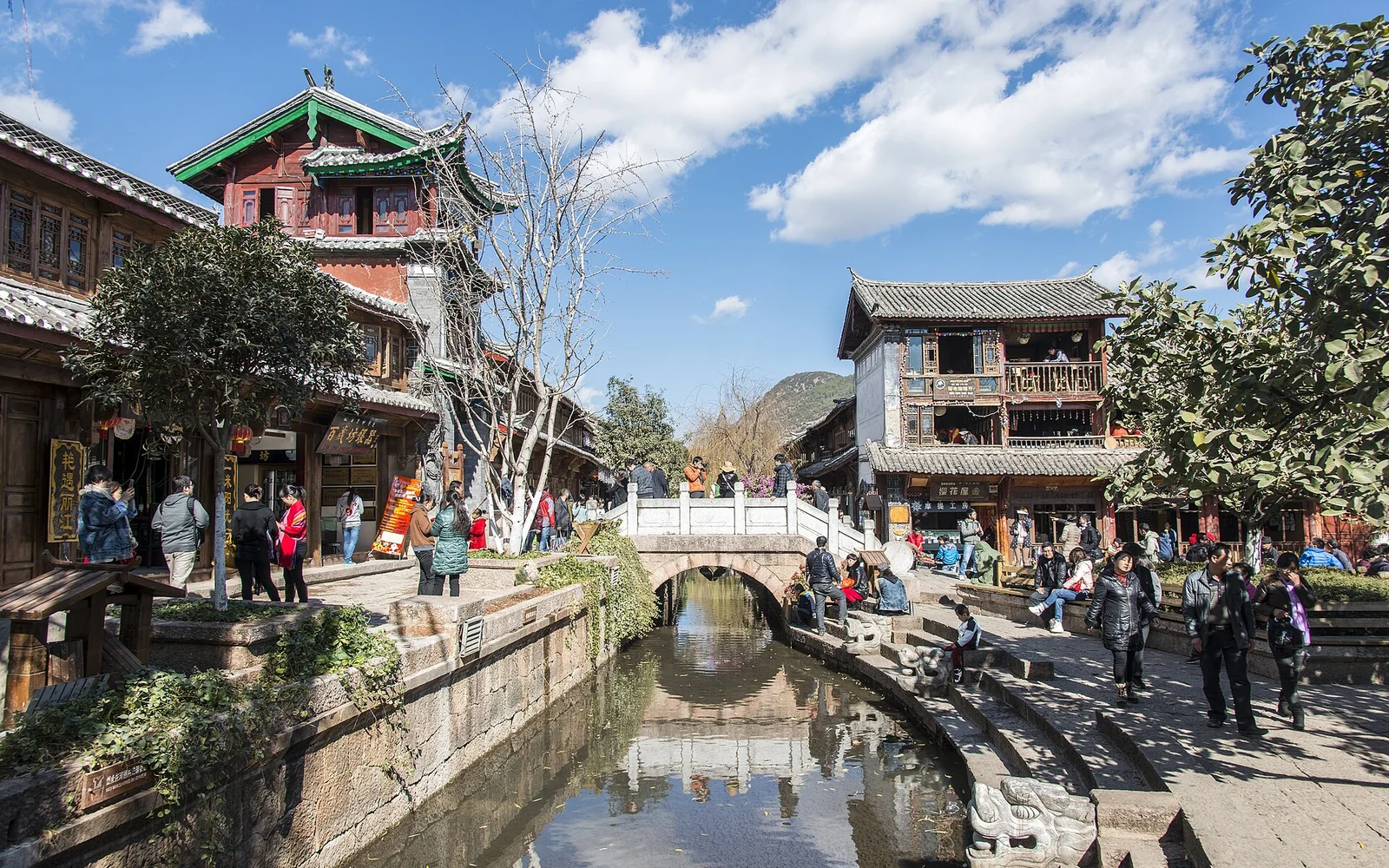
Photo credit
Photograph by chensiyuan; available on Wikimedia Commons; under CC BY-SA 4.0. Cropped and resized for web use.
Recommended eight-day rhythm
| Days | Base | Signature experience | Planner’s note |
|---|---|---|---|
| 1–2 | Kunming | Green Lake, market food, Stone Forest | Use Kunming to recover from the international journey |
| 3–5 | Dali | Erhai villages, Bai tie-dye, Cangshan foothills | Stay outside the busiest old-town lanes if you value quiet |
| 6–8 | Lijiang | Dayan, Baisha, Naxi culture, Jade Dragon views | Keep Baisha and Shuhe separate from a rushed old-town walk |
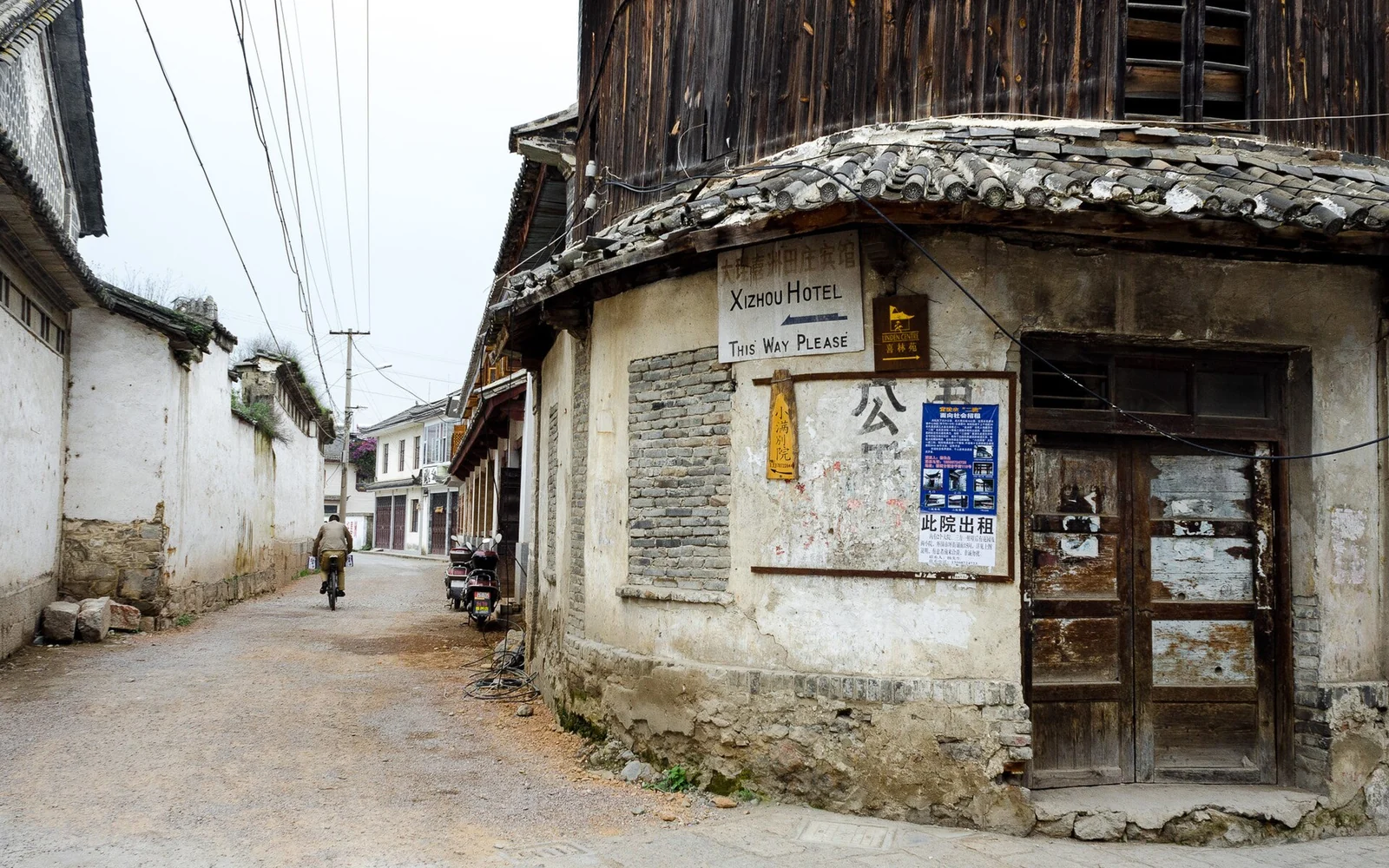
Photo credit
Photograph by Luca Casartelli; available on Wikimedia Commons; under CC BY-SA 3.0. Cropped and resized for web use.
Culture, Trains and Local Food
First, Yunnan is not one culture. Bai, Naxi, Yi, Tibetan, Dai and many other communities have distinct languages, architecture and foodways. A responsible guide should name the community and explain the context rather than use “ethnic village” as a vague label. Second, rail changes the route. High-speed and intercity trains make Kunming–Dali–Lijiang practical without domestic flights. Foreign passengers can book with a valid passport through official China Railway channels; keep the same passport for station entry. Third, the best meals are geographically specific. Try crossing-the-bridge rice noodles in Kunming, rushan dairy products and fresh herbs around Dali, then Naxi-style dishes in Lijiang. Ask about spice level instead of assuming all Yunnan food is hot.
Best season by travel style
| Priority | Useful window | Trade-off |
|---|---|---|
| Mild city touring | Spring or autumn | Popular dates book early |
| Green landscapes | Summer | Rain can affect mountain plans |
| Clearer skies, fewer crowds | Winter | Cold mornings and evenings |
Best Time to Visit and Seasonal Weather
Our recommendation: For a first visit covering Kunming, Dali and Lijiang, March to May and mid-October to November give the best balance of comfortable temperatures, manageable rain and clear walking days. Summer is greener and excellent for seasonal food, but showers can interrupt mountain plans. Winter is sunny and dry in many plateau cities, with colder evenings. The table below is a planning guide, not a live forecast. Yunnan’s elevation changes create large local differences, so check each overnight stop shortly before departure.
| Season or route | Typical conditions | Who it suits |
|---|---|---|
| Spring (Mar–May) | Mild Kunming; warm Dali afternoons; cool Lijiang nights | Best overall for gardens, villages and walking |
| Summer (Jun–Aug) | Green landscapes with regular afternoon or evening rain | Good for food and colour; carry rain gear |
| Autumn (Sep–Nov) | Rain eases, visibility improves, large day-night range | Mid-October to November is highly recommended |
| Winter (Dec–Feb) | Dry and sunny on the plateau; cold after sunset | Good value and fewer visitors; pack layers |
Where to Go and How to Spend Your Time
Kunming and Stone Forest
Use Kunming as more than an airport. Pair Green Lake and a market meal with the world-famous Shilin karst on a separate day.
Dali villages and Erhai
Visit Xizhou or Zhoucheng for Bai architecture and tie-dye, then choose a limited Erhai section instead of circling the entire lake in one rushed day.
Cangshan foothills
Select a cableway or foothill walk according to weather and fitness. Mountain clouds and wind can alter operations.
Lijiang’s three heritage settlements
See Dayan early, Baisha with cultural interpretation and Shuhe later in the day. They are related but not interchangeable.
Optional Shangri-La
Add at least two nights and reduce activity on arrival day. Do not bolt it onto an already full eight-day plan.
What to Eat: Local Dishes Worth Planning Around
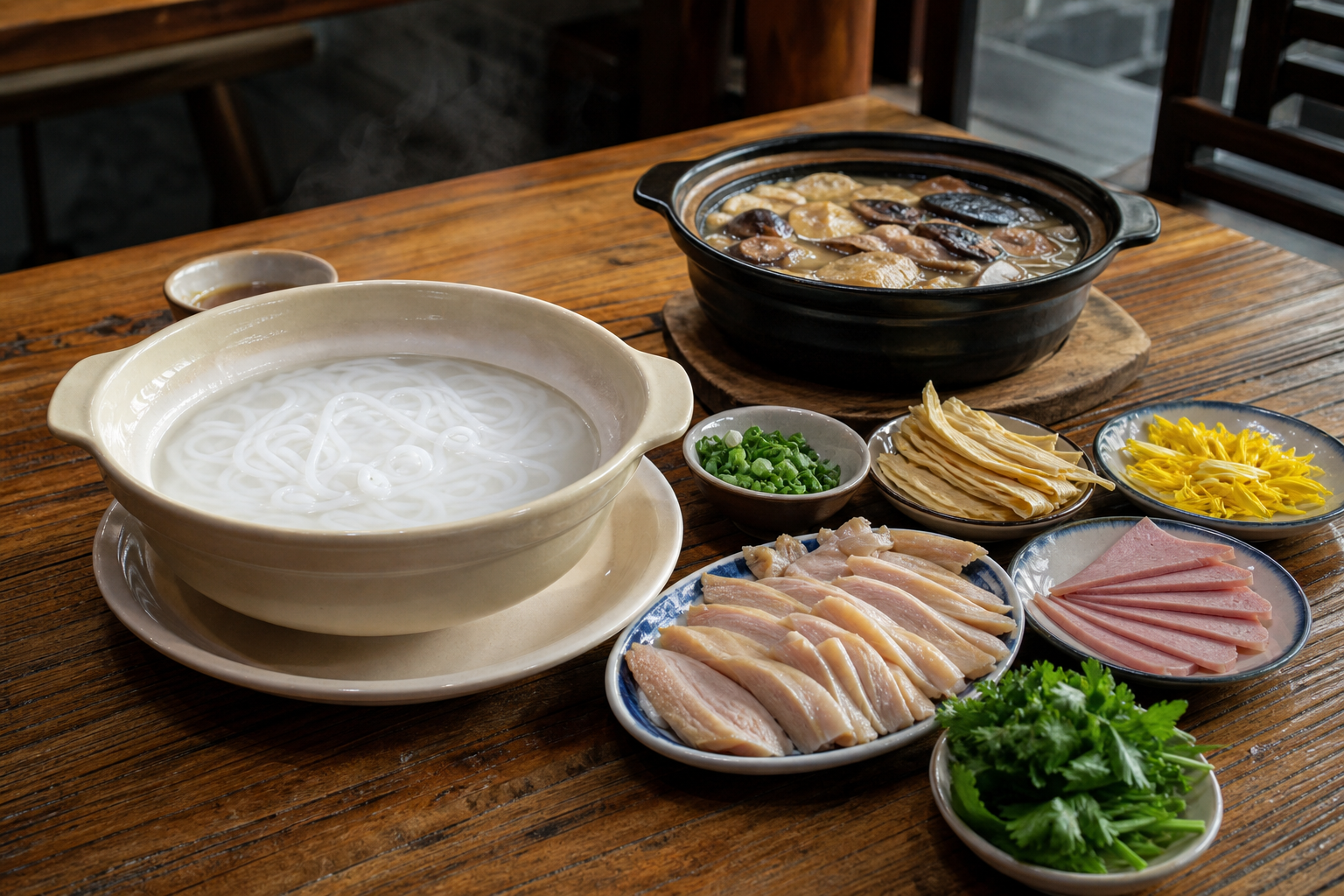
Crossing-the-bridge rice noodles
A Kunming classic served with hot broth and ingredients added at the table; choose a busy specialist restaurant.
Bai rushan and erkuai
Rushan is a milk cheese often grilled; erkuai is a rice cake served grilled, sliced or stir-fried.
Naxi chicken-bean jelly
A cool or warm Lijiang snack dressed with chilli, herbs and vinegar.
Yunnan mushrooms
The rainy season brings variety, but safety depends on professional identification and complete cooking.
Our Recommended VeroTrip Route
Prefer a fuller eight-day private circuit?
The 8-day private Yunnan tour adds Shangri-La and returns to Kunming. It has more transfers and a different daily sequence from the three-base outline in this article.
To follow the Kunming–Dali–Lijiang outline above, request a tailored eight-day itinerary. For more rest time, compare the 9-day family and slow travel tour.
Sources
Further reading: Old Town of Lijiang and South China Karst. Rail procedures: China Railway 12306 FAQ. Reconfirm operating hours and entry rules before departure.
Practical Travel Tips
The best first route is not the longest list. Protect two or three nights in the main bases, avoid consecutive one-night stays and keep the first higher-elevation day gentle.
Frequently Asked Questions
Is eight days enough for a first visit to Yunnan?
Yes, for a balanced Kunming, Dali and Lijiang route with one carefully chosen mountain or village day. It is not enough to add Shangri-La, Lugu Lake and southern Yunnan without making several days feel like transfers.
Where should I spend the extra night?
Choose Dali for a slower lakeside, village and food pace, or Lijiang for Baisha and a weather-dependent mountain day. The better choice depends on whether you prefer rural culture, old towns or mountain scenery.
Can I include Shangri-La on an eight-day trip?
It is possible only by reducing time elsewhere and accepting a quicker pace. For a first visit, it is usually better to keep Shangri-La for a longer trip so the higher-altitude section is not rushed.
How much walking is involved?
Expect uneven lanes in old towns, village paths and some steps at cultural sites. A private route can use vehicle access, shorter loops and rest time when mobility, children or older travellers need a gentler pace.
When is the best time for this route?
Spring and autumn are often comfortable, while summer rain and mountain weather can change the order of outdoor visits. Build in one flexible day rather than relying on a single mountain-view forecast.
Related Planning
Plan Your Yunnan Trip
Share your dates, arrival and departure cities, preferred pace and the experience that matters most through Plan My Trip. VeroTrip can compare the practical route options and prepare a written proposal with confirmed inclusions and limitations.
Continue Planning Your Yunnan Trip
Use these Yunnan resources to compare route length, season, transport, budget and private travel options before fixing the daily sequence.






.jpeg)