Norbulingka (罗布林卡) offers a different way to spend time in Lhasa: moving between garden paths, palace courtyards and small architectural details instead of building the whole day around a climb. Its slower atmosphere is a reason to give it space, rather than squeeze it into an hour after several major admissions.
UNESCO describes Norbulingka as the garden residence within Lhasa’s historic ensemble, alongside the palace-fort complex of Potala and the temple architecture of Jokhang. Looking at those three settings together helps explain their different purposes. At Norbulingka, notice the relationship between buildings and planted space as well as what is inside the palaces.
International visitors require Tibet permits and organised travel through a specialist agency. Arrangements can change; have Norbulingka included in the confirmed plan and ask before photographing religious interiors. A domestic visitor’s ticket instructions are not a substitute for your own passport arrangements.
Choose a garden visit, a palace visit, or room for both
The original Xiaohongshu notes we compared offered two useful perspectives. A detailed summer account paid attention to flowers, palace decoration and an unhurried circuit. A much shorter autumn note focused on light, tree shadows and gold leaves. One does not invalidate the other: the seasonal appearance and the reason for visiting are different.
If buildings and historical explanation matter most, ask which palace interiors are open and visit those first. If you are mainly interested in gardens, agree a shorter architectural introduction and leave more time for the paths. For a first visit, combine one well-explained palace with a modest garden circuit rather than trying to enter every building on a borrowed map.
| Your priority | A useful approach | A question for your guide |
|---|---|---|
| Palace history | Start with the most relevant open interior, then place it in the wider complex | How did the function of this residence differ from Potala? |
| Garden design | Look at how paths, trees, courtyards and buildings frame one another | Which public route gives a coherent loop without unnecessary retracing? |
| Photography | Leave time for a small number of permitted exterior compositions | Where can we stop without obstructing visitors or entering a closed area? |
| A slower cultural day | Use a compact circuit, pauses and a flexible finish | Which surfaces, thresholds and steps remain on this particular route? |
“Garden” does not guarantee a completely step-free day. Palace entrances, thresholds and particular paths may still affect mobility. Ask about the actual route and distance, especially for a walking aid, wheelchair or pushchair. A photo of a broad path cannot settle access to all the buildings.
A practical first-visit sequence
Start by checking the visitor map and the exit you will use. Ask your guide to mark two priorities: the palace or hall that explains the site best, and the garden section that makes a sensible circuit from it. Set the return meeting place before taking photographs. This reduces the chance of ending the visit at the wrong side of a large complex.
Names such as Kelsang Phodrang and the New Palace may appear in maps and explanations, sometimes with different English spellings. Use the current map and ask the guide to point them out, rather than navigating only from a transliteration saved on your phone. A name in an old blog does not establish that its interior is currently open.
| Stage | Suggested planning allowance | Purpose |
|---|---|---|
| Entrance and orientation | 15–20 minutes | Confirm admission, open interiors, route and exit |
| One principal palace visit | 35–50 minutes | Understand a building’s function and a few details instead of rushing through |
| Garden and courtyard circuit | 45–60 minutes | Notice changing spaces and allow optional photography pauses |
| Rest and return | 20–30 minutes | Sit where permitted and leave time to reach the agreed pickup |
These are proposed allowances, not official opening hours or a promise of admission to named buildings. About two to three hours gives the outline room to breathe; shorten or extend it to suit the party and the day’s visitor arrangements. Add the hotel transfer and any separate meal stop.
For an hour-long visit, choose one clear purpose. A quick garden walk and an in-depth palace explanation compete for the same time. It is better to enjoy a modest selection than leave thinking that the entrance-to-exit route was the whole site.
Look at the spaces between buildings
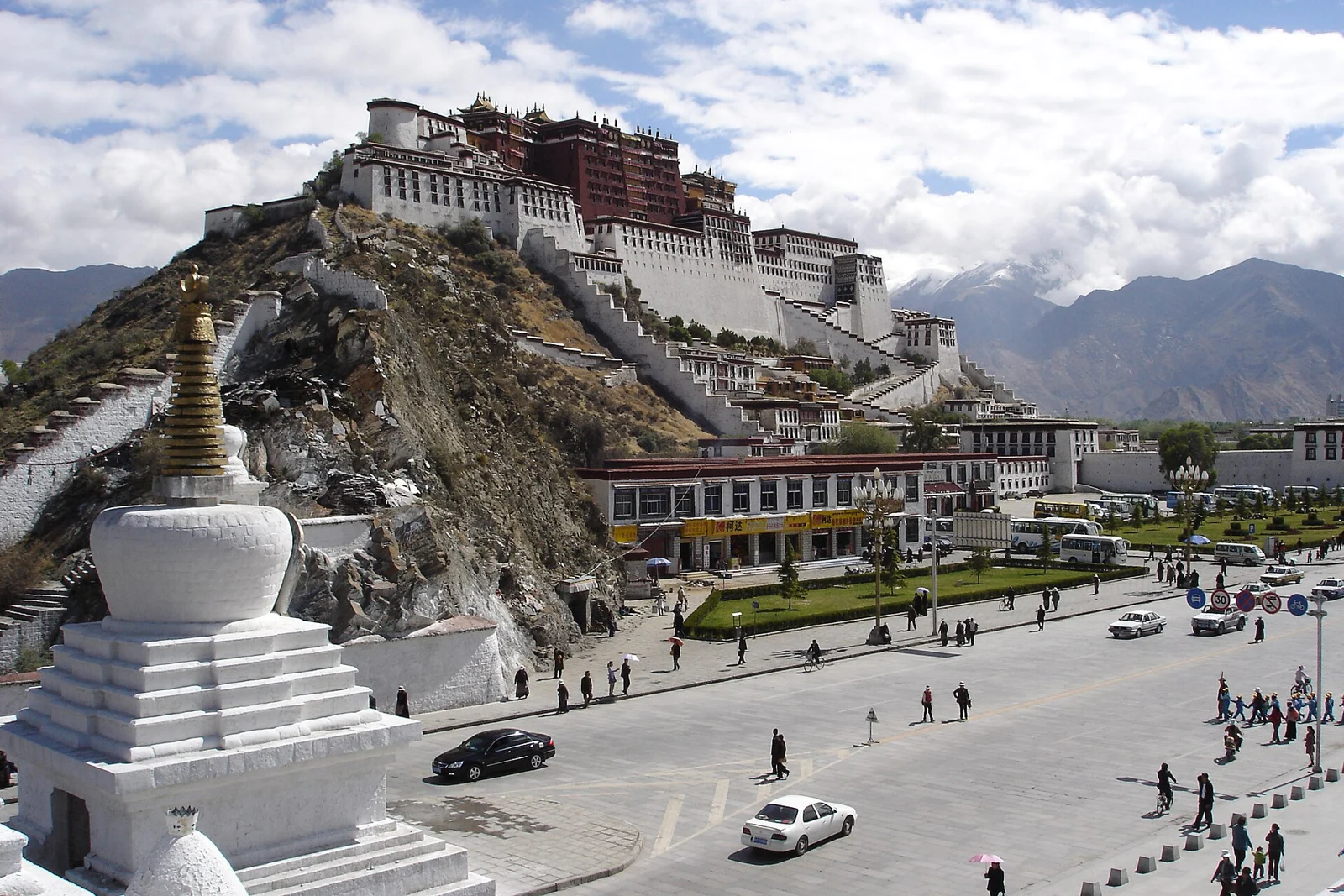
Pause at the edge of an open courtyard and compare the enclosed space with the path you just followed. How does a wall conceal the next view? What changes when you move from shade into sunlight? How are windows, roof decoration and planted areas brought into the same scene? These observations help make a garden visit specific even if you do not know every architectural term.
Inside a permitted palace room, ask about one decorative subject and the building’s use. Keep the distinction between an original feature, later repair and an interpretive explanation clear. If photography is restricted, a short written note after leaving can preserve more understanding than a hurried unauthorised image.
Do not turn a quiet residential or service area into a photography detour. Follow visitor signs, stay off protected planted areas and keep routes through doorways clear. Ask where a group can stand for an explanation without interrupting other people.
Summer flowers and autumn colour are different experiences
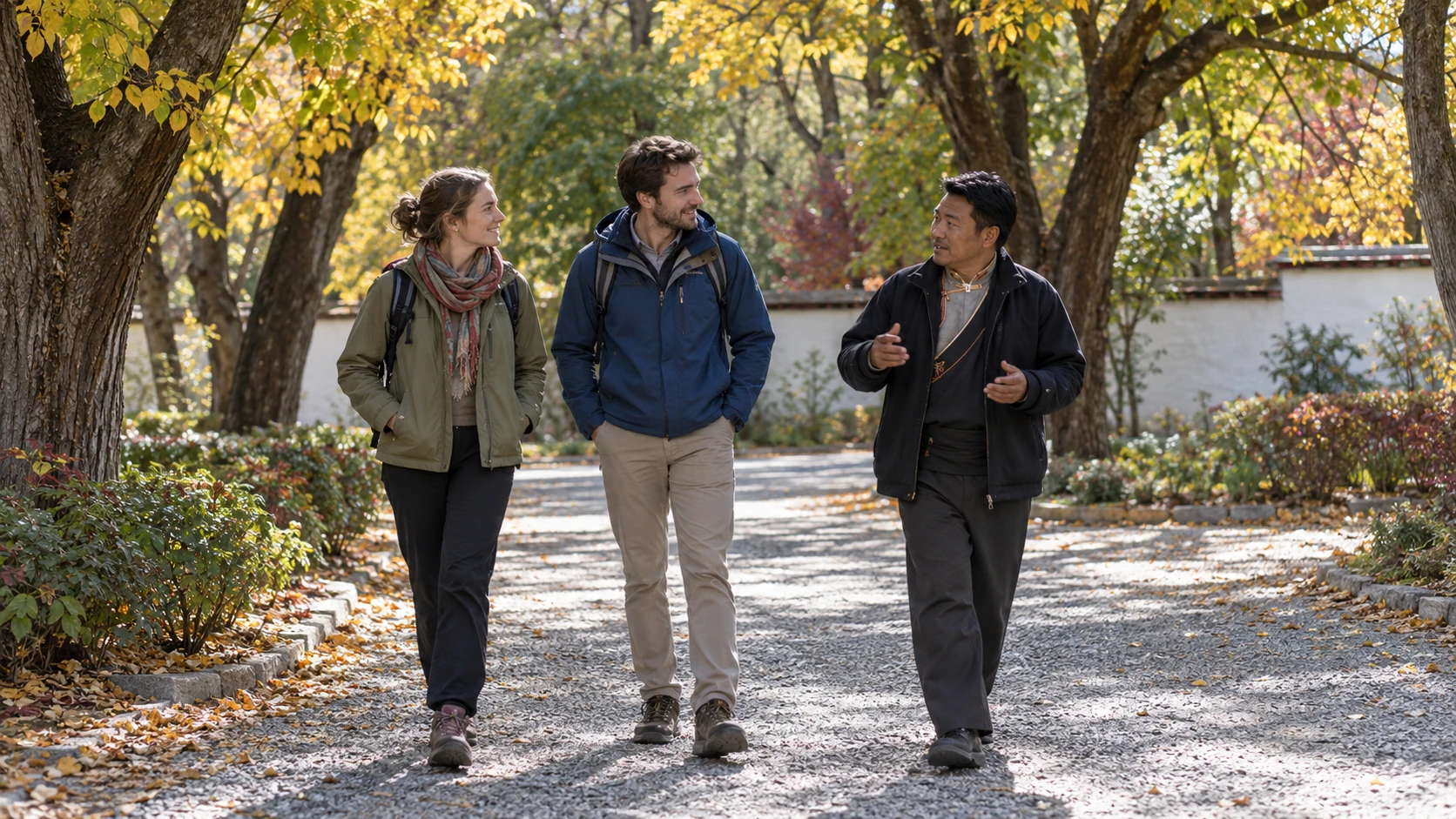
In warm-season photographs, greenery and flowers can dominate the impression. In autumn accounts, people often notice the relationship between leaves, walls and angled light. Neither a social post nor the fictional planning illustration above establishes what the garden will look like on a future date. Weather, maintenance and the stage of the season change the experience.
Use seasonal expectations to choose clothing and the pace, not to guarantee a colour palette. A shaded path can feel cool even when the next open courtyard is sunny. Carry a layer that is easy to remove, keep water accessible and use sun protection as appropriate. If the day is wet, prioritise the confirmed open interiors and sound walking surfaces rather than following a photograph’s route exactly.
A quiet winter visit may suit architecture-focused travellers, but winter admissions and building access still need checking. Do not assume a promotion or free-entry offer applies to every visitor, passport type, area or date because somebody posted about it.
Photograph your own visit respectfully
Try an exterior view that shows architecture and planting together, then a smaller detail, then a portrait of your own companion. A person can give a useful sense of scale, but should not block a narrow path, sit on a protected structure or be positioned inside a planted bed. Move away from the doorway before checking a series of images.
Do not recreate strangers’ family moments or treat local visitors as props. Ask permission for an identifiable portrait and accept a refusal immediately. A rented outfit is optional; comfortable modest travel clothing works well for a walking visit. Consider how heavy garments and accessories will affect steps and the rest of your day.
The image on this page was created as a travel illustration as a planning illustration. It shows fictional people and a fictional garden setting, not Norbulingka’s actual path layout, a real guide or Vero Trip guests. Use the live visitor map and your guide’s directions on the ground.
Pairing Norbulingka with the Tibet Museum
The two places make a useful cultural pairing in this part of Lhasa, but give each its own admission and visit block. Confirm the usable entrances and the actual walk or transfer between them. “Nearby” on a map does not mean that the closest gates are both open, or that a party with limited walking wants to cover the distance on foot.
| Day shape | Why it may work | What needs protecting |
|---|---|---|
| Palace and gardens, then lunch, then selected museum galleries | Moves from a lived historic setting to explanatory displays | A real seated break and sufficient museum time before last admission |
| Museum first, then a shorter garden visit | Gives historical context before looking at buildings | Norbulingka’s own interior access; do not arrive assuming every room stays open late |
| Norbulingka as the only substantial outing | Suits a party wanting a less crowded schedule | Enough time for the return and an unhurried meal |
Read the Tibet Museum guide for seasonal hours and passport ticketing. The museum normally closes on Mondays, with holiday arrangements subject to notice. Check the date before making it the fixed second half of this day. If it is closed, give Norbulingka a longer visit or choose another confirmed outing rather than adding an unfamiliar destination at the gate.
Food, tickets and the rest of the itinerary
Keep lunch independent from assumptions about a café inside the grounds. Confirm the current venue, menu and timing before relying on it, especially with dietary requirements. Water, a simple meal and a seated pause are more useful in a cultural day than a rushed sequence of three admissions.
Ask for the admission method, documents, guide language and included services in the dated programme. The existing Lhasa city tours linked elsewhere on the site do not all list Norbulingka, so this guide does not automatically add it to a shared departure. A private proposal can consider it explicitly.
Compare the setting with the separate Potala Palace visit guide and Barkhor and Jokhang walking guide. For the overall sequence, use four days in Lhasa and the Tibet trip-planning guide. Norbulingka works best when its slower pace is part of the plan from the beginning.
Sources and research notes
Reviewed 30 October 2026. Original Xiaohongshu note bodies and initially visible comments informed the practical angles: 罗布林卡 参观指南; 藏地之行 – 罗布林卡的金黄绚烂. Individual experiences and photographic preferences are anecdotal; they do not confirm current prices, operating arrangements or foreign-visitor eligibility. No Xiaohongshu photographs have been reproduced.
UK FCDO: China regional risks, Tibet; UNESCO: Historic Ensemble of the Potala Palace, Lhasa. Check dated visitor notices before travelling.
Related Journeys to Compare
These existing routes offer starting points for the region or travel interests discussed above. Read the full daily itinerary to see what is included. A visit described in this guide, a specialist session or an international border crossing is added only when confirmed in your own programme.