Visit Potala Palace for its architecture and history, and plan the climb as a real part of the day. Booking, getting to the correct entrance, walking uphill, following the interior route and returning to your hotel all need time. An exterior photograph and a palace visit are separate experiences; neither should be squeezed into an arrival afternoon by default.
Start with the reservation and your condition
The Lhasa government’s 28 September 2026 visitor guidance recommends arranging Potala’s real-name reservation ten days ahead through the official ticketing system. Social posts give conflicting lead times, including very last-minute examples. Use the current official process and your Tibet organiser’s confirmed foreign-passport arrangements rather than planning around someone else’s lucky booking.
For foreign visitors, the palace reservation sits inside the broader organised Tibet programme. Ask who makes the booking, what identity details and document format are required, when confirmation is available and what happens if the requested day is not obtained. An enquiry or a payment request is not itself proof of a confirmed visiting slot.
If you are feeling unwell at altitude, tell the guide before setting out. A timed ticket does not make the climb appropriate. Discuss a different date, an alternative activity or cancellation, and seek medical advice as needed. Do not conceal symptoms to avoid losing an admission charge.
| Before booking | Confirm in writing | Why it matters |
|---|---|---|
| Identity | Correct passport name and required documents | Real-name booking must match the visitor |
| Timing | Confirmed date, entry window and meeting instructions | Surrounding meals and transport depend on it |
| Visit route | Current entrance, walking and stair expectations | The palace involves more than an interior hall |
| Guide | Language and actual interpretation arrangements | A visit is more meaningful with an explanation you understand |
| Changes | Procedure if booking, access or health changes | Do not assume a refund or alternative is automatic |
Give yourself a simple morning
Have breakfast with enough time to reach the meeting point calmly. Ask the guide what you can take inside, whether larger bags must be stored and how restricted items are managed. Carry the required documents securely and keep your hands as free as practical for walking. Comfortable worn-in shoes are more useful than shoes chosen only for photographs.
Wear layers you can adjust between the exterior climb and indoor spaces, while following current dress rules. Check the forecast and carry appropriate sun protection for waiting or walking outdoors. A windproof layer should be accessible rather than packed at the bottom of a case. Do not add an early viewpoint climb before the main climb simply because the light looks attractive.
Agree the return arrangements before entering. The exit or pickup location may not be the place where you first left the vehicle. If members of the party walk at different speeds, ask how the guide handles that within the visit’s rules. Avoid making an independent shortcut through a complex you do not know.
Understand what rises above the city
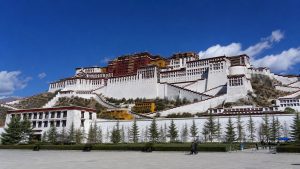
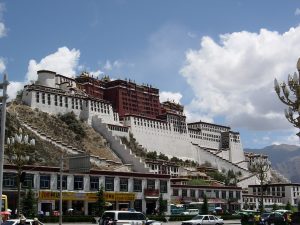
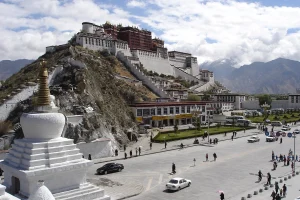
UNESCO describes Potala as a palace complex on Red Mountain and identifies the White and Red Palaces and ancillary buildings. That distinction provides a useful starting point: this is not a single large room behind a famous facade. Its scale comes from the relationship of structures, religious spaces, circulation and the hillside setting.
Ask the guide to connect a few features to their functions rather than deliver an uninterrupted list of names. Why is this courtyard important? How did people move between different uses of the building? Which elements belong to the architecture, and which are religious objects housed within it? These questions make a first visit easier to follow.
The broad silhouette can be appreciated from a lawful public exterior view, while details such as doors, wall thickness and changes in material become more apparent along the permitted visit route. Do not touch painted or historic surfaces to test their texture. Follow the guide and current access boundaries.
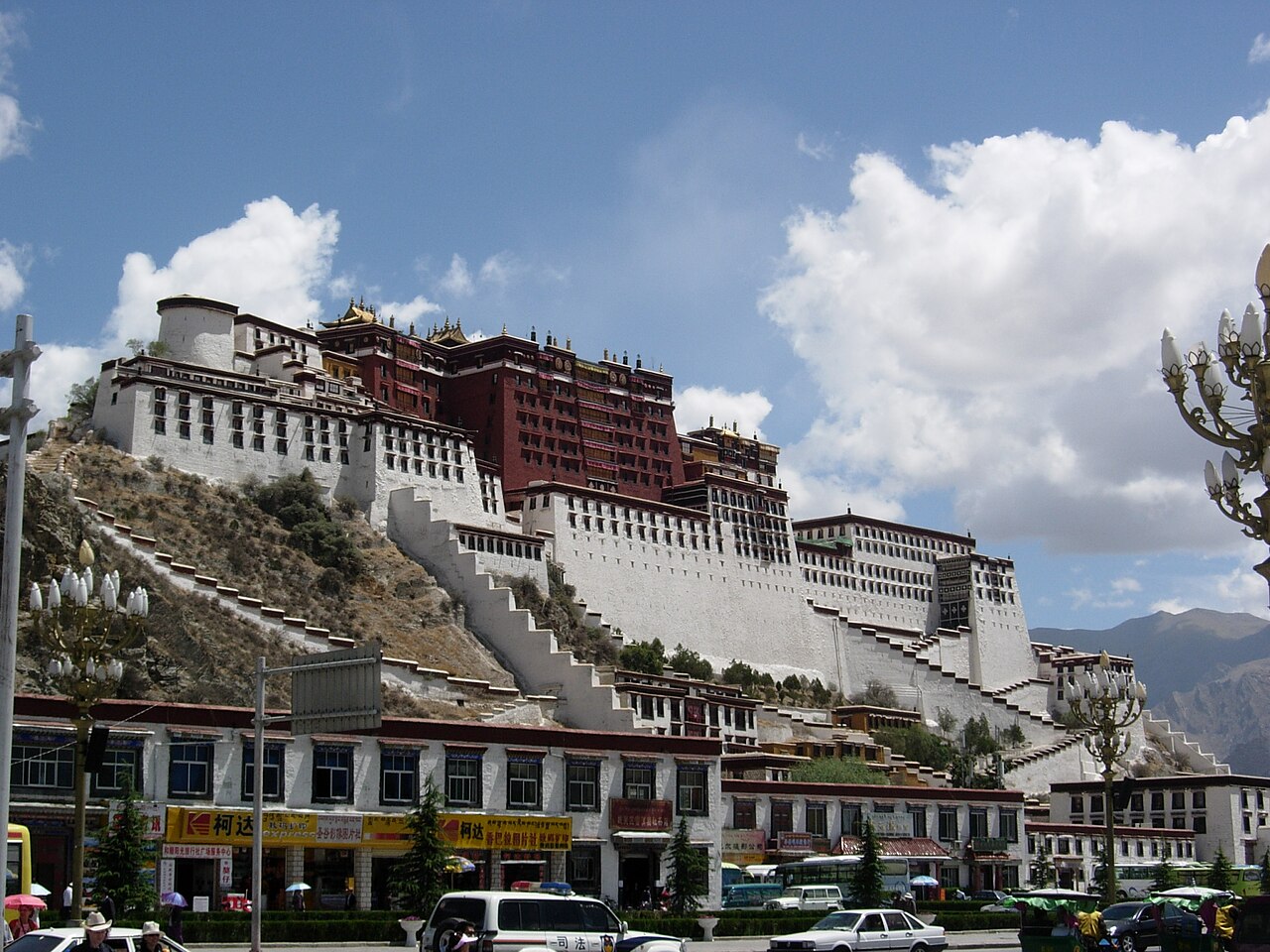
A different viewing angle: materials and everyday scale
An architecture-focused Xiaohongshu diary described spending time looking at Potala’s materials instead of only collecting distant views. You can use that interest without reproducing the author’s route. Ask your guide about the wall construction and the relationship between heavy-looking surfaces and lighter upper details visible from authorised areas.
Look for human scale within the monumental view: a doorway, a stair landing or a window gives a sense of how the building is occupied and navigated. This approach can be more rewarding than trying to obtain every angle shown in a social post. It also reduces pressure to add several extra viewpoints to the same day.
Inside, put the camera away wherever photography is prohibited. Listen, look and ask questions at an appropriate moment. Do not stop in a narrow circulation area to write a long note or gather the whole party for a discussion. Leave space for staff, worshippers and other visitors.
Decide how much else belongs on palace day
After the visit, plan a proper seated break and meal. Decide on a second activity only after considering how everyone feels and what remains of the day. A vehicle transfer to another place does not eliminate further walking, security checks or standing. A famous tea shop with a long queue may be a poor recovery stop.
If Jokhang is another main interest, compare a separate-day visit. Its own reservation and interpretation deserve attention. If you have only one full city day, ask for an honest account of the combined programme’s walking and breaks, and decide whether to reduce the list. Do not use the label “city tour” as a substitute for assessing effort.
| After the palace | When it may suit | What to keep flexible |
|---|---|---|
| Hotel rest and a nearby meal | You want a calm afternoon or feel tired | Optional photography and shopping |
| A short agreed old-city walk | You feel well and the route is modest | Length and pickup point |
| A separate cultural visit | Reservation, energy and timing all fit | The visit should not depend on rushing lunch |
| Exterior photography another day | You value light and want time to look | Weather and public access |
Plan photographs without turning them into obligations
The same building looks different under cloud, direct sun and evening light. Ask which public viewing areas are currently available and what walking they involve. Do not promise yourself a particular reflection, empty foreground or lighting condition. A cloudy photograph can still describe the city honestly.
Avoid entering private rooftops or following an unverified map pin to find a “secret” angle. Confirm any paid venue’s admission, stairs and photography rules separately. Keep people and security infrastructure out of inappropriate close photographs, and ask permission for portraits. The palace is an important religious and historical setting, not a backdrop that overrides other people’s use of the city.
What to do if the plan changes
If the reservation moves, revise the transfer, meal and other booked visits together. If access is suspended, ask for an approved alternative that matches your interests, such as a cultural introduction already arranged in Lhasa. Do not accept an unrelated remote excursion merely because it fills the empty day.
Altitude-related symptoms require a different response from a ticket problem. Do not ascend to a higher sleeping place while symptomatic; worsening or severe symptoms need prompt medical help and an appropriate descent response. Hotel oxygen or a successful visit by another traveller does not establish your fitness to continue.
A complete palace-day brief
Before travel, request confirmation of the reservation, passport requirements, guide language, admission and transport scope, meeting and return points, bag arrangements and walking expectations. Keep the afternoon adjustable. With those details settled, the palace can be the focus of a meaningful day rather than one more timed stop in an overfilled programme.
Continue planning this journey
Use our Tibet route-planning guide to place this topic within the whole trip. The railway, Samye and Namtso planning guide explains how arrival and separate outings fit together.
Compare 4-day Lhasa city tour. These are existing route descriptions, not confirmation of a departure, present access or every optional stop discussed above. Ask for the exact permitted programme, accommodation, guiding language and itemised services for your dates.
Sources and research notes
Reviewed 29 October 2026. Practical perspectives were compared with original Xiaohongshu note bodies and initially visible comments: 519元,冬游西藏第一天; 在拉萨也建筑巡礼了; 拉萨一日|上午布达拉宫下午大昭寺+八廓街. These individual experiences mainly concern domestic travellers; they are not evidence of foreign-visitor eligibility, present prices or medical safety.
China regional risks: Tibet; CDC Yellow Book: High-Altitude Travel and Altitude Illness; Lhasa government museum and monument reservation guidance, 28 September 2026; UNESCO: Historic Ensemble of the Potala Palace, Lhasa. Confirm operating notices and passport arrangements for the actual travel date.