Quick answer: China educational tours work best when the route begins with a clear subject, uses confirmed local hosts and leaves enough time for observation, discussion and hands-on learning. These private programs cover ecology, culture, science, engineering and university life in Yunnan and Wuhan.
This dedicated study-tour section helps schools, universities and families compare subject focus, age suitability, fieldwork level and regional travel time before requesting a program.
Who These China Study Tours Are For
Programs can be adapted for secondary schools, universities, faculty-led groups and families with older children. We match walking level, workshop depth, supervision and accommodation to the participants.
Educational Tour Regions
Yunnan Field Programs
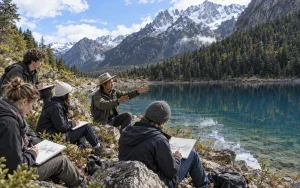
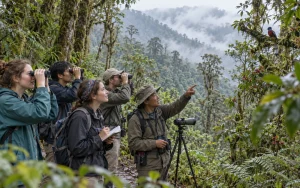
Yunnan routes connect tea, coffee, rainforest ecology, ethnic heritage, rice-terrace systems, geology and highland art. Travel days remain realistic because mountain roads and altitude affect learning time.
Wuhan Science and Culture Programs
Wuhan programs use museums, aviation and drone facilities, universities, industrial heritage, food production and the Yangtze River as learning settings.
Current Educational Tours
- 6-Day Pu’er and Xishuangbanna Tea, Coffee & Nature Study Tour – A six-day Yunnan educational tour that connects coffee cultivation, the Tea Horse Road, tropical botany, rainforest ecology and Dai craft traditions between Pu’er and Xishuangbanna.
- 6-Day Xishuangbanna Biodiversity & Dai Medicine Study Tour – A six-day Xishuangbanna study tour built around rainforest biodiversity, Dai plant knowledge, traditional papermaking and Pu’er tea rather than a rapid checklist of attractions.
- 6-Day Lijiang and Dali Ethnic Heritage Study Tour – A six-day Lijiang and Dali educational tour combining Naxi visual culture, gorge geography, wetland observation and Bai craft practice.
- 6-Day Jianshui, Yuanyang & Mengzi Community Study Tour – A six-day southern Yunnan study route linking Jianshui craft, Hani rice-terrace knowledge, reciprocal school exchange and Mengzi’s modern history.
- 6-Day Gaoligong Mountains & Tengchong Natural Science Study Tour – A six-day western Yunnan natural-science route combining coffee agriculture, Gaoligong birdlife, geothermal geology, wetland ecology and Heshun cultural history.
- 6-Day Shangri-La Tibetan Art & Landscape Study Tour – A six-day highland art program using Songzanlin, Tibetan village architecture, Wudi Lake, Pudacuo and the Meili corridor as settings for observation and landscape practice.
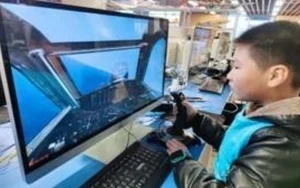
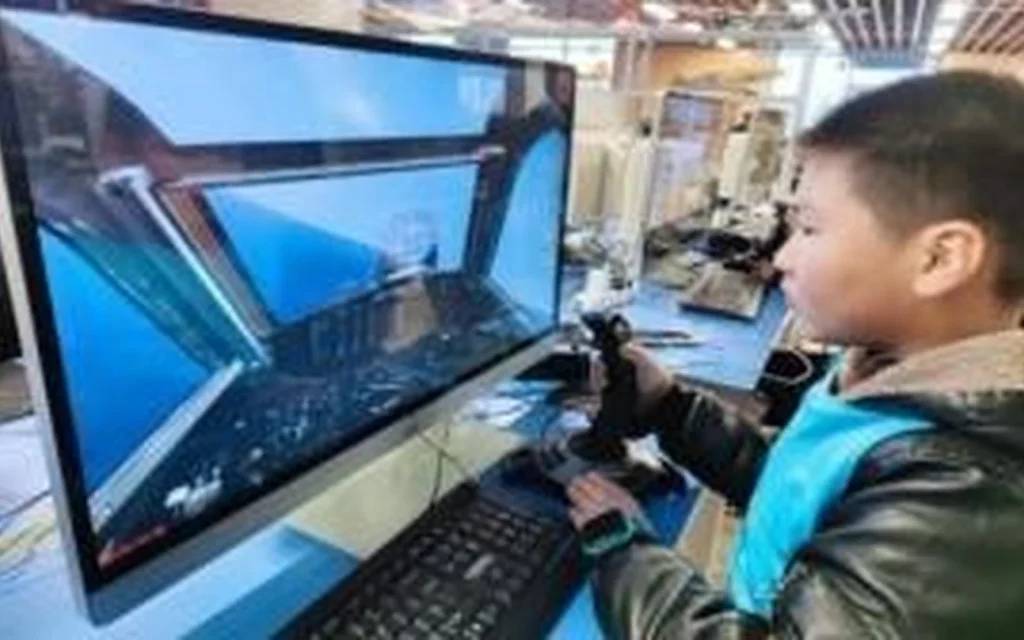
- 6-Day Wuhan Aviation, Science & Future Mobility Study Tour – A six-day Wuhan educational tour that moves from flight principles and drone engineering to architecture, autonomous transport, suspended rail and university laboratories.
- 4-Day Wuhan Geology, Nature & Green Skills Study Tour – A four-day Wuhan field program that connects rocks and fossils, seasonal farm work, flower ecology and the living river environment.
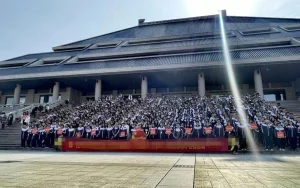
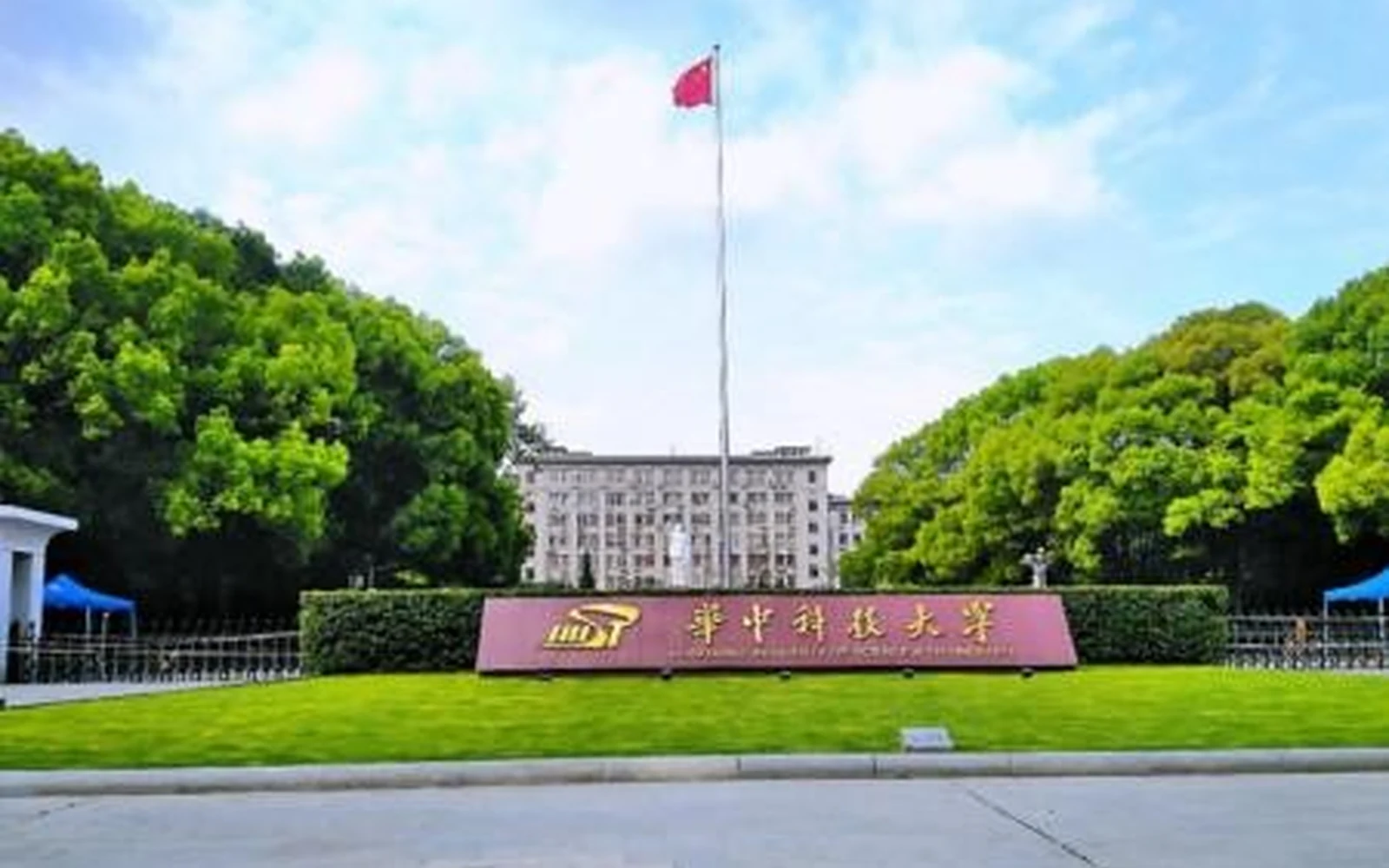
- 4-Day Wuhan Heritage, Medicine & University Study Tour – A four-day Wuhan humanities route linking archaeological objects, river-war history, traditional medicine heritage and university life.
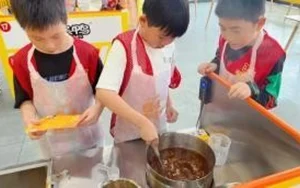
- 3-Day Wuhan Food Culture & Industrial Heritage Study Tour – A compact three-day Wuhan study tour comparing a modern food-production visitor route, the city’s steelmaking heritage and hands-on pastry craft.
How We Build a School or University Program
- Define age, subject, outcomes and accessibility needs.
- Match the group with suitable institutions and practitioners.
- Set one main learning question for each day.
- Confirm the host, route, materials, language support and supervision.
- Issue a date-specific schedule with transport and meal time included.
Frequently Asked Questions
Can a school request curriculum-linked tasks?
Yes. Field journals, small design tasks and presentations can be matched to the group’s subject and age.
How early should a study tour be planned?
Three to six months is useful, especially when campus, company or community hosts are involved.
Are the programs suitable for minors?
Yes, when ages, staff ratios, safeguarding needs and medical information are shared in advance.
Can dietary and accessibility needs be handled?
They can be planned when detailed requirements arrive before bookings. Some outdoor and industrial sites have physical limits that must be discussed.
Are flights included?
Flights and trains are included only when named in the final quotation.
For professional delegations, see China Technology and Factory Tours.