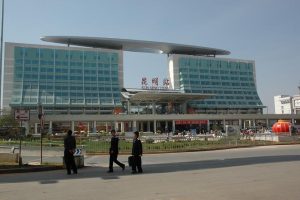

A Yunnan overland tour from Laos needs a return plan for your vehicle as well as a sightseeing route. For a first journey through Mohan, build the trip around Jinghong, Pu’er, Dali, Shaxi and Lijiang, then allow separate driving days back towards the border. The 16-day example below includes 15 nights in China and a southbound return. It is a route-planning example: the dates, roads and overnight stops must fit your vehicle’s authorised itinerary and the arrangements for entering and leaving China.
If your available time cannot accommodate that return, shorten the northern section. Finishing sightseeing in Lijiang does not make it possible to leave a temporarily imported vehicle there and fly home without arranging its lawful departure. Read the Mohan–Boten vehicle-crossing guide for the border decisions; this page helps you choose the journey after them.
Choose the length by your turnaround point
Count the days available inside China separately from your journey through Laos. Decide the last comfortable northern overnight stop, then work backwards from the intended exit date. Keep uncommitted time outside the sightseeing schedule for changes to border or road arrangements.
| Planning shape | Where to concentrate | What to leave out |
|---|---|---|
| A shorter southern trip | Mohan, Mengla, Jinghong and Pu’er, with a return to Mohan. Add nights to places you particularly want to explore. | Dali and Lijiang if reaching them would consume the days needed to drive back. |
| The 16-day example below | A northbound journey through Kunming to Dali, Shaxi and Lijiang, followed by four southbound overnight stops before exit. | Nuodeng, Shangri-La and other distant extensions. |
| A longer journey | Keep the core route and investigate one extension, with extra driving, recovery and overnight time. | Combining every attractive detour before checking the return and permitted route. |
Sixteen days is an example allocation, not a minimum required by law or a promise of border-processing speed. A single driver, a large motorhome or passengers who need frequent stops may need more time or a shorter route. Two drivers only help when each is legally entitled to drive that vehicle in China.
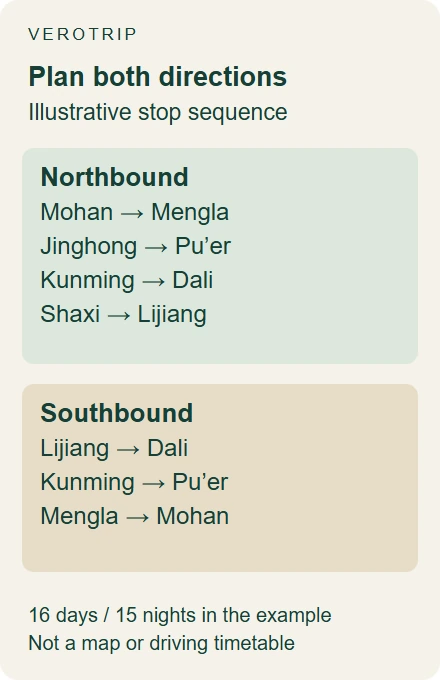
A 16-day, 15-night route with the return included
This example uses Pu’er and Kunming as staging points in both directions. It deliberately provides a clear sequence of overnight bases rather than claiming to be the shortest possible road route. Check current navigation, road notices, rest stops and your approved itinerary before allocating departure times. Driving-time estimates should include breaks and arrival logistics, not just the moving time shown by an app.
| Day | Movement or focus | Overnight | Decision to protect the pace |
|---|---|---|---|
| 1 | Mohan entry procedures; onward travel only once permitted | Mengla | Keep the first booking flexible. Add a night if procedures run late. |
| 2–3 | Continue to Jinghong; one day based locally | Jinghong, 2 nights | Choose one main outing and leave room for rest. |
| 4 | Jinghong to Pu’er | Pu’er | Make this a transfer and settling-in day. |
| 5 | Pu’er to Kunming | Kunming | Choose access and parking over a distant city attraction. |
| 6–8 | Continue to Dali; two days based there | Dali, 3 nights | Use one hotel for the lake, old town and a weather alternative. |
| 9 | Dali to Shaxi | Shaxi | Arrive with daylight for parking and the final walk with luggage. |
| 10–11 | Shaxi to Lijiang; one day based there | Lijiang, 2 nights | Choose an old-town or village day without another long transfer. |
| 12 | Begin the return: Lijiang to Dali | Dali | Start south even if an optional northern outing was missed. |
| 13 | Dali to Kunming | Kunming | Keep the return accommodation and vehicle arrangements simple. |
| 14 | Kunming to Pu’er | Pu’er | Recheck the remaining route and border appointment arrangements. |
| 15 | Pu’er to Mengla | Mengla | Stay within reach of the final approach; prepare originals and vehicle records. |
| 16 | Proceed to Mohan for the agreed exit arrangements | No China night allocated | Allow additional accommodation if the exit cannot be completed that day. |
The overnight total is Mengla 2, Jinghong 2, Pu’er 2, Kunming 2, Dali 4, Shaxi 1 and Lijiang 2: 15 nights. No hotel, meal, permit, guide or attraction ticket is included simply because it appears in this planning table. A specific booking needs a separate written service list.
Make the south more than a long approach road
Mengla and Jinghong: settle in before adding excursions
Keep Day 1 focused on completing the entry arrangements and reaching the agreed overnight stop. Buying supplies, finding dinner, checking the vehicle and sleeping are enough for an arrival day. Avoid reserving a non-refundable evening activity that depends on finishing at the border by a particular hour.
Jinghong is a useful base for a local day, but attractions described as “Xishuangbanna” are not all in the city. The Xishuangbanna Tropical Botanical Garden is in Menglun, Mengla County. Its visitor information distinguishes the western garden area from the eastern forest area; walking remains part of the visit even with garden transport. Select the area for your group’s mobility and arrange passport-based admission before travelling there. If the garden is a priority, reshape the Mengla–Jinghong stages around it rather than adding an unplanned return drive from your hotel.
For a Jinghong hotel, ask whether the room faces nightlife or a busy road and where your vehicle can stand during check-in. A lively evening district may suit adults who want to walk to dinner; a quieter room with easy vehicle access can work better for children or a driver needing an early night. Confirm the actual room position rather than relying on the district’s reputation.
Pu’er and Kunming: useful stops still need realistic expectations
On this version, Pu’er is an overnight stage in each direction. A tea estate or a forest activity deserves its own time allowance. Jingmai Mountain is a separate detour, not another name for Pu’er city: do not slip it into a transfer afternoon because both appear in tea itineraries.
Kunming serves a similar purpose here. Choose accommodation with an understandable approach, suitable parking and an evening meal nearby. If you want to explore the city or spend time around Dianchi Lake, add a night. A hotel selected for a lake view may be poorly placed for an early departure on a different side of the city.
Dali, Shaxi and Lijiang: fewer check-ins, better days
Dali: choose a base before choosing sunrise plans
Three nights give you two days without repacking. Pick your side of the lake around the activities and meals you actually want, and ask for the parking entrance rather than the hotel’s reception pin. A lakeside room, an old-town courtyard and a road-accessible hotel solve different problems. Moving between several hotels can use the very time you hoped to spend outside.
Keep one Dali day flexible. Cloud and rain can remove the reason for an early scenic outing, while an old-town walk, a café stop or a shorter local visit may still suit the group. Do not build a transfer day around a guaranteed sunrise or mountain view. For help choosing your northern emphasis, use the Dali and Lijiang comparison.
Shaxi: the last few hundred metres matter
Shaxi is in Jianchuan County, between the Dali and Lijiang parts of this journey. Its attraction is time on foot around Sideng Square, the lanes and the river near Yujin Bridge. Jianchuan’s visitor information gives the local setting. An overnight stay lets you see the town after settling in instead of treating it as a rushed roadside stop.
Ask the accommodation for the current driving approach, a suitable parking space and the walking route from there. Tell it your vehicle’s height and length. A parking recommendation for a small car is not evidence that a motorhome can negotiate the same entrance. Pack a small overnight bag; arrange any luggage help and its charge before arrival. Old online parking prices and claims about free roadside spaces are not reliable booking instructions.
Lijiang: one main day, then turn south
Use the full day for the old town or a selected nearby outing. Adding several distant attractions can leave the driver tired just as the return begins. For a family, discuss the amount of walking and steps before selecting a courtyard hotel; an attractive address deep in the lanes may be awkward with heavy luggage.
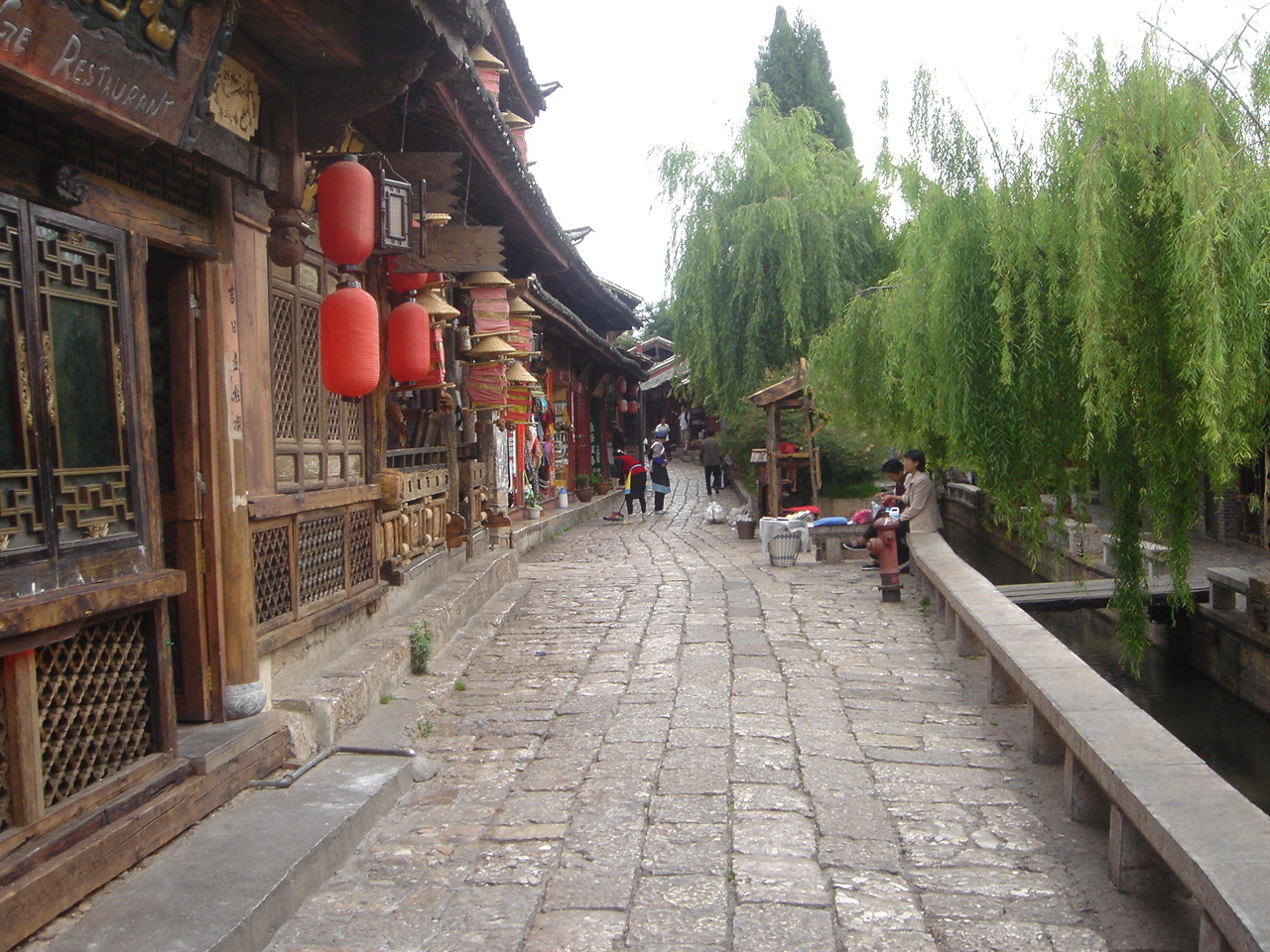
If Lijiang becomes the highlight of your trip, add a night through a properly adjusted itinerary rather than borrowing the last southern overnight. Weather-dependent mountain outings can be missed; the car’s departure arrangements still need to be met. Tell your organiser before changing a route covered by temporary vehicle documents.
Should you add Nuodeng or Shangri-La?
Choose one extension after the core journey fits. Nuodeng is in Yunlong County, west of Dali. It is not a quick stop on the direct Dali–Shaxi sequence. An extension needs its own access and overnight plan, including the village’s sloping walking paths and how luggage reaches the room.
A Yunlong County notice for 1–5 May 2026 described holiday parking and shuttle controls at Nuodeng. Those dates do not establish today’s arrangements. Ask your host which entrance and parking plan apply to your arrival, especially with a large vehicle; do not use that holiday notice as a current timetable or price list.
Shangri-La extends the journey north of Lijiang and introduces higher overnight locations. It requires additional travel and adjustment time, not just a spare afternoon. Consider the group’s response to the preceding days and the extra southbound return before committing. A Yunnan extension also gives no automatic permission to continue into Tibet. Keep any additional region within the specific permissions for the trip.
Book the room, parking, food and rest stops together
| Your group or vehicle | Ask before booking | A practical adjustment |
|---|---|---|
| Older travellers, small children or large luggage | Distance from legal parking to the room, steps, lift access and luggage assistance | Choose an accessible edge-of-town base and carry only an overnight bag into narrow lanes. |
| Campervan or tall vehicle | Entrance width, height barrier, turning space and whether overnight occupation is permitted | Separate vehicle parking from the decision about where people sleep. |
| Muslim travellers or other dietary requirements | Specific meal ingredients, preparation arrangements and a suitable space and time for prayer | Arrange portable food and planned breaks; do not infer halal suitability from a meat-free dish. |
| One driver or passengers prone to motion sickness | The actual road choice, break opportunities and daily driving tolerance | Drop an extension, keep consecutive nights and avoid recovering lost time with late driving. |
Hotels should register foreign guests’ accommodation. For stays outside hotels, the guest or host must complete registration within 24 hours. The National Immigration Administration’s 21 September 2026 announcement introduced nationwide online registration alongside local in-person channels. For a campsite or other non-hotel stay, ask the local police how to register the actual address and separately establish that overnight use of that location is permitted.
Being allowed to park does not confirm access to drinking water, electricity, waste disposal, showers or a lawful overnight stay. Check each facility you need. Before a long transfer, agree lunch, toilet and prayer breaks with the group and carry suitable food; a navigation arrival estimate will not include all of these stops.
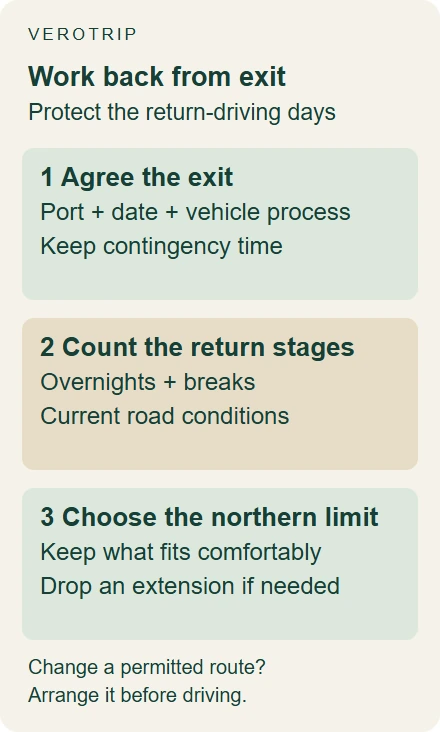
Protect the exit when the plan changes
The national temporary-entry vehicle rules provide for a stated area or route on the temporary vehicle documentation. A sightseeing change should therefore be discussed before driving it. Immigration permission for the people, customs arrangements for the vehicle and permission to drive are separate parts of the journey.
| What changes? | What to shorten or replace | What to protect |
|---|---|---|
| Entry takes longer than planned | Remove a sightseeing stop or shorten the northern reach. | Rest after entry and the agreed lawful route. |
| Rain, a closure or an unsuitable mountain outing | Choose a local activity or stay at the existing base. | Road instructions and enough daylight for the next transfer. |
| The driver or family is struggling with the pace | Cancel an extension and add rest within an adjusted plan. | Return-driving days and the vehicle’s permitted stay. |
| An exit arrangement changes | Rework the route with the responsible parties before travelling to another port. | Valid person, driver and vehicle documents, accommodation and re-export arrangements. |
For a through-journey to a different country, use the cross-border corridor guide first. That is a different planning problem from returning to Laos, and a line on a map does not prove that a different port will accept your vehicle.
Discuss the route with VeroTrip
Send your proposed dates, entry and exit ports, passport nationalities, vehicle registration country and category, vehicle dimensions, driver-licence countries, number of travellers and comfortable daily driving limit. Add children’s ages, walking needs, dietary requirements, prayer arrangements and the places you most want to keep. Initially describe documents rather than sending passport or licence scans through a general enquiry.
Use the own-car and campervan entry guide to prepare the vehicle questions and the self-drive cost guide to compare an itemised proposal. Ask what the proposed service actually includes: border assistance, route coordination, guide or support vehicle, accommodation, admissions, insurance arrangements and charges should each be stated in writing. This itinerary does not establish availability for a particular passport, vehicle or departure date.
If bringing the vehicle creates more administration than your holiday allows, consider leaving it outside China and arranging separate travel. The 8-day Dali, Shaxi and Lijiang journey is a domestic alternative to discuss, not an own-vehicle border service. Travellers considering a Chinese rental can instead start with the Kunming rental guide.
Use the enquiry option on VeroTrip’s self-drive route collection to discuss your dates and preferred route. A useful first enquiry identifies both the experiences you want and the day your vehicle needs to leave China, so the return is built into the discussion from the beginning.