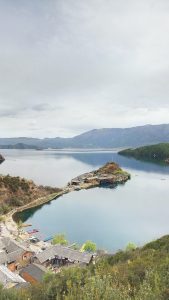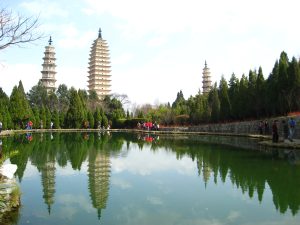
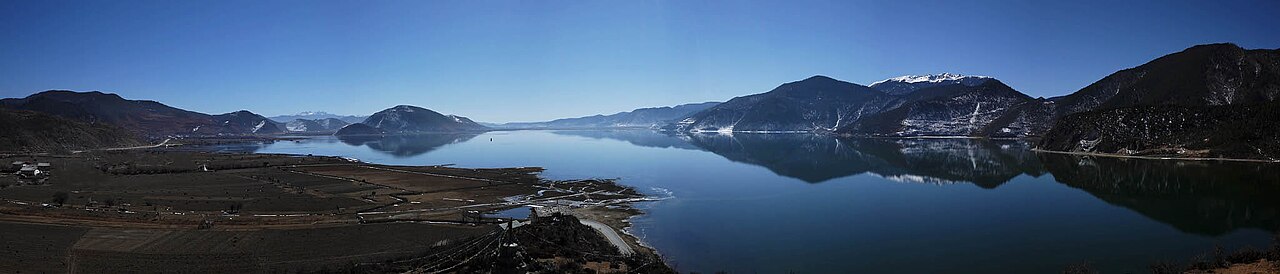
A western Yunnan road trip itinerary from Cangyuan to Shangri-La needs more time than the distance on a map suggests. For a journey starting in Kunming and including the border-country detour through Cangyuan, Zhenkang and Ruili, use 23 days and 22 nights as a planning example. If you have two weeks, start in Mangshi and connect Tengchong, Dali, Shaxi and Lijiang instead. Choose the extra border stages for a specific cultural interest, with access and accommodation arranged before departure.
The full journey stays within China. It does not include crossing into Myanmar, entering a nature reserve or visiting a border checkpoint as an attraction. The day plan below is a suggested pace for a car journey, with transfer days, rest opportunities and alternatives built in.
Choose the length before choosing every stop
This route suits a second visit to Yunnan particularly well: you can devote time to the southwest without rushing through Dali and Lijiang. For a first visit with limited time, the Yunnan self-drive planning guide helps compare simpler regional routes.
| Your available time | Route to consider | What you gain or leave out |
|---|---|---|
| 23 days / 22 nights | Kunming–Lincang–Cangyuan–Zhenkang–Mangshi–Ruili–Tengchong–Dali–Shaxi–Lijiang–Shangri-La, with intermediate overnight stops | Room for the southwestern detour and a northern finish. More hotel changes and more access planning. |
| 14 days / 13 nights | Mangshi–Tengchong–Baoshan–Dali–Shaxi–Lijiang–Shangri-La | A simpler one-way journey. Omit Cangyuan, Zhenkang and Ruili rather than squeezing them into transfer days. |
| 7 days / 6 nights | Mangshi and Tengchong as two bases | Choose food, heritage, wetlands and managed bathing. Save the northwest for another trip. |
These are route designs, not fixed departures. Add time if you want substantial hikes, several specialist visits or fewer hotel changes. In the two-week version, allocate two nights to Mangshi, three to Tengchong, one to Baoshan, two to Dali, one to Shaxi, two to Lijiang and two to Shangri-La. Departure is on day 14.
The full route: 23 days with 22 overnight stays
Kunming is the starting city; Cangyuan is the first extended southwestern stop; Shangri-La is the finish. Nanjian, Lincang, Longling and Baoshan break the journey into stages. Before fixing the border portion, complete the access checks in the next section. If those stages cannot be arranged, use the Mangshi-start alternative.
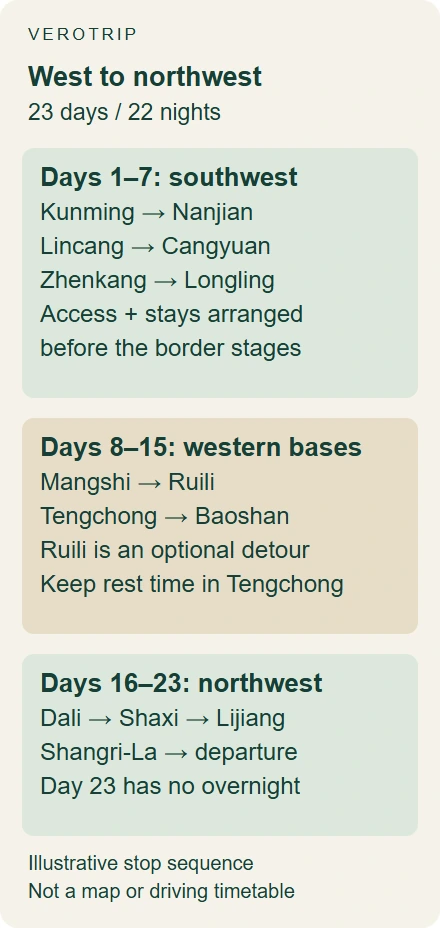
| Day and route | Sleep in | How to use the day |
|---|---|---|
| 1 — Arrive in Kunming | Kunming | Recover from the journey. Complete the agreed vehicle handover or meet the driver. |
| 2 — Kunming to Nanjian | Nanjian | A transfer stage with meal and comfort stops. Keep the evening near the hotel. |
| 3 — Nanjian to Lincang | Lincang | Continue southwest; use arrival time for supplies and the next-stage road check. |
| 4 — Lincang to Cangyuan | Cangyuan | Travel to the county town. Avoid attaching a full village visit to the arrival day. |
| 5 — Cangyuan | Cangyuan | Choose an arranged Wengding cultural visit or a town-based alternative, with time for lunch. |
| 6 — Cangyuan to Zhenkang | Zhenkang | Follow the confirmed public-road approach. This is a transfer day, without reserve or border-trail detours. |
| 7 — Zhenkang to Longling | Longling | Break the westward drive here. Reassess the next day if rain or road works have slowed progress. |
| 8 — Longling to Mangshi | Mangshi | Settle into the hotel, then choose a short city walk if everyone has energy. |
| 9 — Mangshi | Mangshi | Choose a market and one cultural sight; leave the hotter or wetter part of the day flexible. |
| 10 — Mangshi to Ruili | Ruili | Use the agreed domestic road route and settle into town. No international crossing is included. |
| 11 — Ruili | Ruili | A local visit suited to your interests, using only places confirmed for your party. |
| 12 — Ruili to Tengchong | Tengchong or Heshun | A dedicated transfer day. Arrange the last vehicle stop and luggage help before reaching Heshun. |
| 13 — Heshun | Same accommodation | Walk selected lanes and waterside areas, with a seated lunch and an unhurried afternoon. |
| 14 — Tengchong | Same accommodation | Choose Rehai scenery, a wetland visit or booked bathing; avoid treating all three as compulsory. |
| 15 — Tengchong to Baoshan | Baoshan | Continue east. A coffee visit needs an agreed host and enough time; otherwise keep the day simple. |
| 16 — Baoshan to Dali | Dali | Transfer and settle into one chosen district, without a full lake circuit on arrival. |
| 17 — Dali | Dali | Choose a lakeside area or a village visit. Keep the same hotel. |
| 18 — Dali to Shaxi | Shaxi | Arrive with time for the walk from parking to the accommodation and a village evening. |
| 19 — Shaxi to Lijiang | Lijiang | Continue north. Choose a modest afternoon near your hotel. |
| 20 — Lijiang | Lijiang | Choose an old-town or village day. A snow-mountain outing needs its own booking and pacing decision. |
| 21 — Lijiang to Shangri-La | Shangri-La | Travel north and keep arrival activities light. Treat a gorge visit as optional, with current access checked. |
| 22 — Shangri-La | Shangri-La | Choose one main outing and a flexible afternoon, rather than a full list of highland sights. |
| 23 — Depart Shangri-La | No overnight included | Allow time for the agreed vehicle return and your onward transport. |
The table counts overnight stays, not guaranteed driving hours. Obtain a road plan for your dates, vehicle and exact hotels, including daylight arrival targets and breaks. A short-looking mountain connection can occupy most of a day. If your departure is from Kunming, add the return journey separately; it is not hidden inside day 23.
Border counties and protected areas: what to arrange first
Foreign visitors must follow restrictions on entry to particular areas. Article 44 of China’s Exit and Entry Administration Law prohibits entering restricted areas without approval. This does not make every border county closed, and a domestic traveller’s successful visit does not establish permission for your passport, vehicle or chosen detour.
| Stage or place | Before including it | Practical alternative |
|---|---|---|
| Cangyuan and Wengding | Confirm the exact attraction, foreign-passport admission, road approach and hotel registration with the receiving parties. | Keep a town-based day if appropriate, or omit the southwestern block and start in Mangshi. |
| Nangun River Nature Reserve | The reserve’s notice says tourism has not been opened and unauthorised entry is prohibited. | Leave it out. An ordinary sightseeing plan should not depend on gaining reserve access. |
| Zhenkang and the next road stage | Ask local public security about the exact planned places and any required permission; confirm the overnight property and current road advice. | Remove this block before departure if arrangements cannot be completed. |
| Ruili and border-facing attractions | Check each intended site separately, including passport admission and any local controls. Stay on the Chinese side. | Go from Mangshi towards Tengchong without the Ruili detour. |
| Tengchong forest outings | Use an officially available visitor route. A restaurant booking or social-media trail does not grant nature-reserve access. | Choose Heshun, an open visitor attraction or a rest day. |
| Lijiang to Shangri-La | Check weather, road notices and any optional attraction’s operating conditions. | Keep a direct transfer, or finish in Lijiang if the highland extension does not suit the party. |
The Nangun River reserve notice dated 1 September 2025 is particularly relevant to older road-trip itineraries that list it as a casual stop. Wengding’s cultural tourism area is a separate visit; being near a reserve does not authorise entering the reserve itself.
If you encounter the 2017 Cangyuan rules for temporarily entering foreign vehicles, note that the county repealed that local measure in April 2026. That repeal does not establish a new international border-crossing entitlement. Bringing a foreign-registered car into China needs its own current arrangements, separate from this domestic route.
Why stop in Cangyuan, Mangshi and Ruili?
Cangyuan makes sense when Wa cultural heritage is a real reason for the journey. Give a village visit time for explanation and conversation instead of treating people as a photo opportunity. Ask before photographing residents or entering private spaces. Agree the language of any guiding and distinguish a scheduled cultural activity from everyday village life.
Mangshi is a useful pause after the southwestern road stages. Choose a few food and cultural stops close to your accommodation. The Golden Pagoda and a market visit can provide very different experiences; neither needs to be combined with every other popular photo spot. Ask about steps, shade and the final vehicle drop-off when arranging visits for older travellers.
Ruili is a deliberate detour, not a necessary connection between Mangshi and Tengchong. Keep it if its local culture or trade-town setting interests you and the specific visits can be arranged. Omit it if your priority is bathing, heritage lanes and a relaxed family pace. Removing those two nights creates room elsewhere without forcing a long sightseeing-and-transfer day.
Tengchong: keep one base and separate sightseeing from bathing
Three nights let you unpack once, give Heshun a full day and choose another main outing. Compare Heshun, Tengchong city and hot-spring accommodation by evening meals, vehicle access and the walk to the room. A picturesque lane can be inconvenient with several suitcases.
Seeing geothermal features at Rehai and booking a comfortable bathing session are different decisions. Use the Tengchong hot-spring guide to decide which you want, then ask the facility about admission, bathing arrangements and any relevant age or health restrictions. Stay on visitor paths around geothermal features; natural hot-water outlets are not bathing pools.
For families, a forest outing should have an agreed start point, walking distance, surface, return plan and lawful access. A day labelled “easy” by another traveller may still involve a demanding walk. If one person wants a hike while another wants a quiet day, arrange both plans and their transport before separating.
Dali, Shaxi and Lijiang: protect the slower days
The northern section works best when it provides a change of pace. In Dali, pick a lakeside or old-town base according to the activities you value. Keep Shaxi overnight if a village evening is part of the appeal; a brief stop while rushing onward gives a different experience.
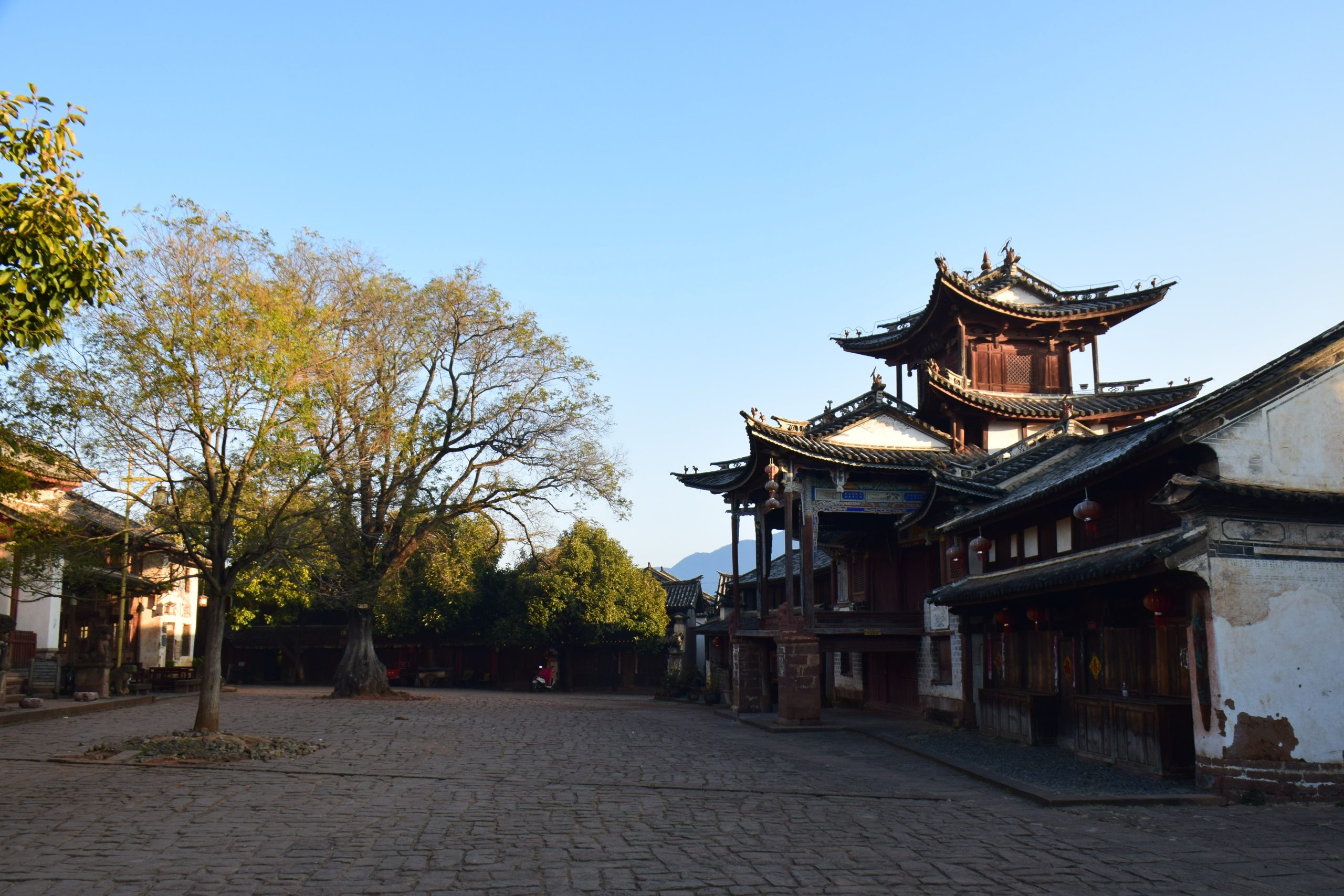
For Shaxi and Lijiang, send the host your vehicle type and luggage count. Ask for the legal drop-off point, whether someone can meet you and how far you must walk over uneven paving. Keep passport documents, medication and an overnight bag accessible rather than buried in the boot.
Do not automatically add Jade Dragon Snow Mountain, Tiger Leaping Gorge and a full Shangri-La day to the same short section. Consult the Tiger Leaping Gorge access and route guide before choosing any gorge activity. Ending in Lijiang remains a useful option for a party that wants less travel or does not want the highland extension.
Choose transport, rooms and daily stops together
A hired car with a driver and a self-drive rental create different responsibilities. With a driver, confirm driving days, working hours, accommodation, guiding language and who handles local arrangements. An English-speaking guide is not automatically included with a vehicle. For self-driving, resolve the Chinese driving-permit requirements, rental acceptance, insurance, deposit, roadside support and one-way return before reserving hotels.
| Need | What to specify | How it changes the plan |
|---|---|---|
| Older travellers or children | Walking tolerance, seats, child restraints, rest needs and motion sensitivity | Choose fewer stops and keep demanding walks off transfer days. |
| Large luggage | Actual suitcase count and vehicle capacity, hotel access and portering | Use fewer bases and confirm the final walk before booking an old-town room. |
| Quiet rooms | Distance from bars, live music, traffic and internal courtyards | Request a suitable room position; a central address alone does not promise quiet. |
| Halal meals and prayer | Your dietary requirements, food handling expectations and preferred private prayer breaks | Arrange suitable meals ahead, carry acceptable backup food and ask about a clean private space with washing facilities. |
| Foreign-passport stays | Every guest’s document type, travel date and property registration arrangements | Obtain a clear response from each hotel before committing to a remote overnight stop. |
Do not assume a vegetarian dish or beef dish is halal. Explain ingredients, alcohol and shared cooking equipment requirements directly. For prayer, agree a workable stop or room arrangement without assuming every town or attraction has an accessible mosque.
Hotels handle foreign-guest accommodation registration. For accommodation outside hotels, the national rule requires registration within 24 hours; the National Immigration Administration’s September 2026 guidance also explains the nationwide online option. Registration arrangements do not establish permission to camp or park overnight wherever you choose.
Rain, road works or fatigue: change the route early
For each road stage, check current transport and local authority notices, ask your accommodation or driver about the specific approach, and compare that with navigation. Published wet-season warnings show why the southwestern roads deserve attention, but an August warning is not a statement that the road is closed on your October travel date.
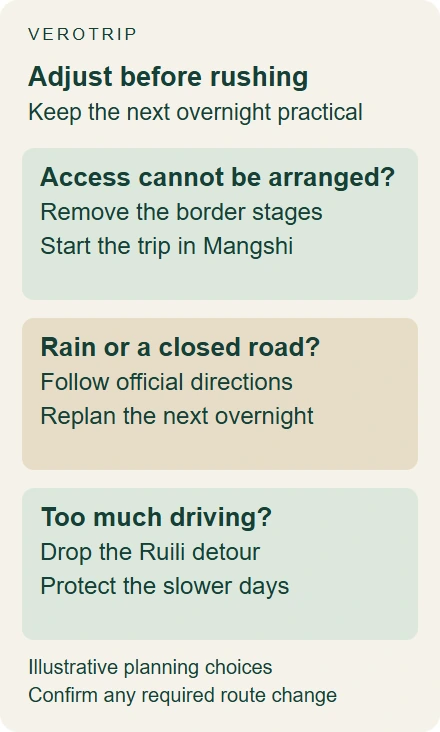
If a road is closed, stop at a suitable place and use official diversion advice. Do not try an unconfirmed narrow shortcut to recover lost time. If a delay consumes your daylight margin, remove the sightseeing stop or use an appropriate earlier overnight; contact the receiving hotel and rearrange the following day. For any permit-dependent route, obtain approval for changes where required.
Keep flexible bookings around the longest transfers. Protect a departure buffer instead of using the last available hours for one more viewpoint. For a shorter holiday, dropping the Cangyuan–Zhenkang block or the Ruili detour is usually a more coherent redesign than shortening every night.
Plan your western Yunnan journey with VeroTrip
Send your dates, arrival and departure cities, number of travellers, passport nationalities, preferred transport, luggage, walking needs and meal or prayer requirements through our China road-trip enquiry page. State whether Cangyuan or Ruili is essential, and whether your departure city can change. These details allow a proposal to address the route, receiving arrangements and exact inclusions.
For a shorter existing itinerary, compare the 7-day Tengchong and Mangshi journey. If coffee and an extended Tengchong stay matter more than reaching Shangri-La, see the 10-day Dali–Baoshan–Tengchong route. Each has a different pace and endpoint; any extension, vehicle arrangement or specialised visit must appear in the proposal you receive.