Choose one southern Yunnan extension and give it time. Jianshui brings architecture, food and pottery into a short town stay. Yuanyang suits travellers making the terraces a priority. Pu’er offers a city base for tea and coffee, while Jingmai Mountain deserves an overnight plan of its own.
This guide follows southern Yunnan from Kunming towards Jianshui, Yuanyang and Pu’er. Choose the part that fits your available days. It offers a different focus from the Dali–Lijiang circuit, while famous viewpoints, villages and cafes can still be busy, especially during Chinese holidays.
Updated 10 October 2026.
Which southern Yunnan extension fits your time?
Count usable travel days from your starting city to your onward connection. A late arrival and an early flight do not give you two sightseeing days. If your trip is already centred on Dali or Lijiang, compare the extra journey south with spending those nights closer to your existing route. The Yunnan regional route map helps you see the different areas.
| Time you can add | A sensible focus | What to leave out |
|---|---|---|
| 2–3 days from Kunming | Jianshui with one old-town day and one chosen craft or countryside outing. | A rushed terrace sunrise followed by a distant onward journey. |
| 4–5 days from Kunming | Jianshui and Yuanyang, with two nights in the terrace area if viewing conditions matter to you. | Pu’er and Jingmai as extra boxes to tick. |
| 3–4 days focused on Pu’er | A Simao city base, one arranged coffee visit and a tea or heritage activity. | A same-day drive to Jingmai and back solely for a quick village photograph. |
| About 8 regional days | Jianshui, Yuanyang and Pu’er, treating the longer road stages as transfer days. | Jingmai or Xishuangbanna unless you remove another stop or add nights. |
Set the purpose of each stop before assigning the days. A long photography session needs a different allocation from one viewpoint and an unhurried lunch. These suggested allocations do not establish fixed departures or guarantee travel times.
Jianshui: choose a town stay when variety matters more than distance
Choose Jianshui for a varied town stay with fewer hotel changes. An old-town walk, a courtyard visit, a meal and pottery give it several interests. Pick one substantial excursion outside the centre instead of squeezing every attraction into the same afternoon.
The Ministry of Culture and Tourism’s Jianshui route links the old town, Xianghui Bridge and Tuanshan, and identifies purple-pottery workshops as a local experience. Its published transport times are dated information: check the heritage railway’s current departure, return and booking conditions before fitting it around an intercity train.
Separate Jianshui railway station from the heritage-train departure point. Copy the station name on your actual ticket into your transfer booking. For the sightseeing train, ask the operator to confirm the departure station, stops, return arrangement and what the ticket includes. Do not assume a ticket to Jianshui on the national railway includes the local heritage railway.
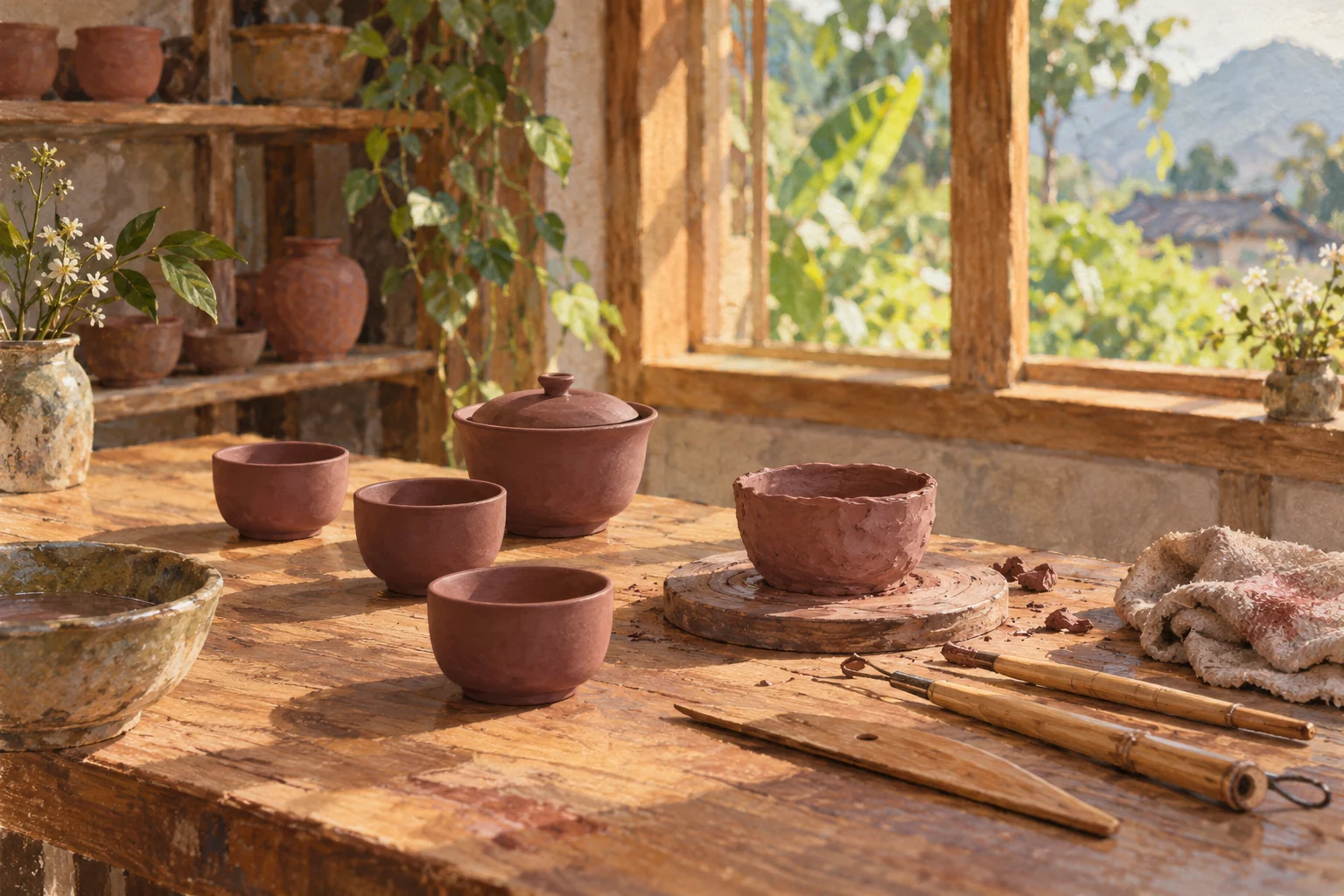
A pottery visit may be a shop browse, demonstration or hands-on class. Establish the activity and explanation language first. If you want to take a piece home, ask about firing, collection or delivery, packing and any additional charge before making it.
If the train is sold out, consider a road outing to the places you actually want to visit, with entry and pickup arranged separately. If you mainly want courtyard architecture and food, spend that time in town. The Jianshui versus Mengzi gateway guide explains the wider choice before a terrace visit.
Yuanyang: choose the overnight location before the sunrise viewpoint
A booking labelled “Yuanyang” is not enough. Establish whether it is in the county town, Xinjie, Shengcun or a terrace village such as the Duoyishu area. Ask for the map pin, the final vehicle-access point and the remaining walk with bags. A balcony photograph does not tell you how easy it is to reach the room.
For a first visit with terraces as the priority, allow two nights near the viewing area when your schedule permits. This creates another opportunity to see the landscape if the first morning is cloudy; it does not improve the forecast by itself. Ask what is visible from the exact room category rather than assuming every room shares the advertised view.
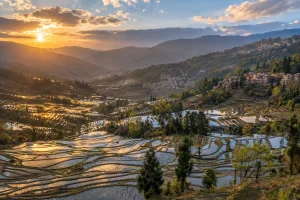
UNESCO describes the Honghe Hani terraces as an interconnected landscape of forests, villages, water management and farming. Include time to understand that relationship. Use established visitor paths, respect local signs and ask permission before entering a home or photographing someone closely. Fields and irrigation channels remain working spaces.
For a first schedule, discuss Duoyishu and Bada with your local host and check current access. Do not add Laohuzui simply because it appears on an old three-viewpoint circuit; obtain specific current visitor-access confirmation before routing there. Our Yuanyang rice-terrace guide covers the detail.
With children or older relatives, one carefully chosen viewing period may be enough. Keep breakfast and rest time afterwards. In a village stay, establish dinner arrangements before arrival: being surrounded by farmland does not mean every restaurant or shop will be open when you need it. Use the Yuanyang accommodation comparison to choose the base.
Pu’er city or Jingmai Mountain: make a deliberate choice
Pu’er is both a city name and a wider administrative area. A listing somewhere in Pu’er does not establish that it is close to Simao’s city hotels or railway station. For a short stay, a city base can support a planned estate outing and a separate tea session without moving your luggage again.
Reporting from Simao’s coffee estates shows different kinds of visitor activity, from brewing to learning about production. Choose by what you want to do. A cup of coffee, a farm walk and a guided processing visit are different bookings; ask for the host, language, start time and activity available on your date. Harvesting cannot be promised throughout the year.
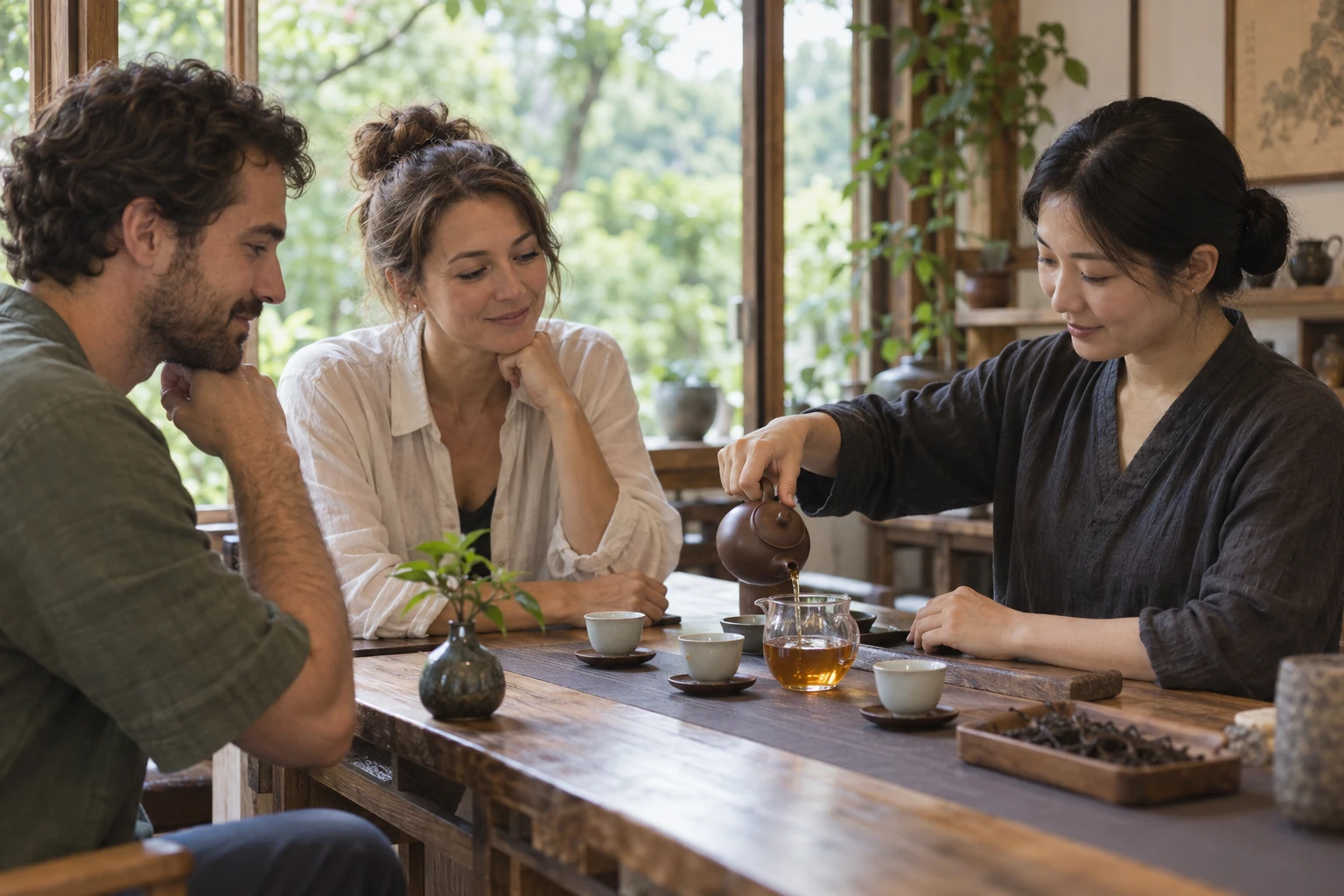
A tea tasting is useful when a host explains the teas being compared and how they are prepared. You do not need to turn the visit into a shopping commitment. State if you prefer a learning session without a sales focus, and agree any tasting fee or purchase expectation beforehand.
Jingmai is a separate mountain and village stay, not a café stop beside central Pu’er. Choose it when tea-forest landscapes and time in villages are your main interest. Local reporting from the October 2026 holiday also makes clear that this celebrated heritage destination can be busy; do not book it on a promise of solitude.
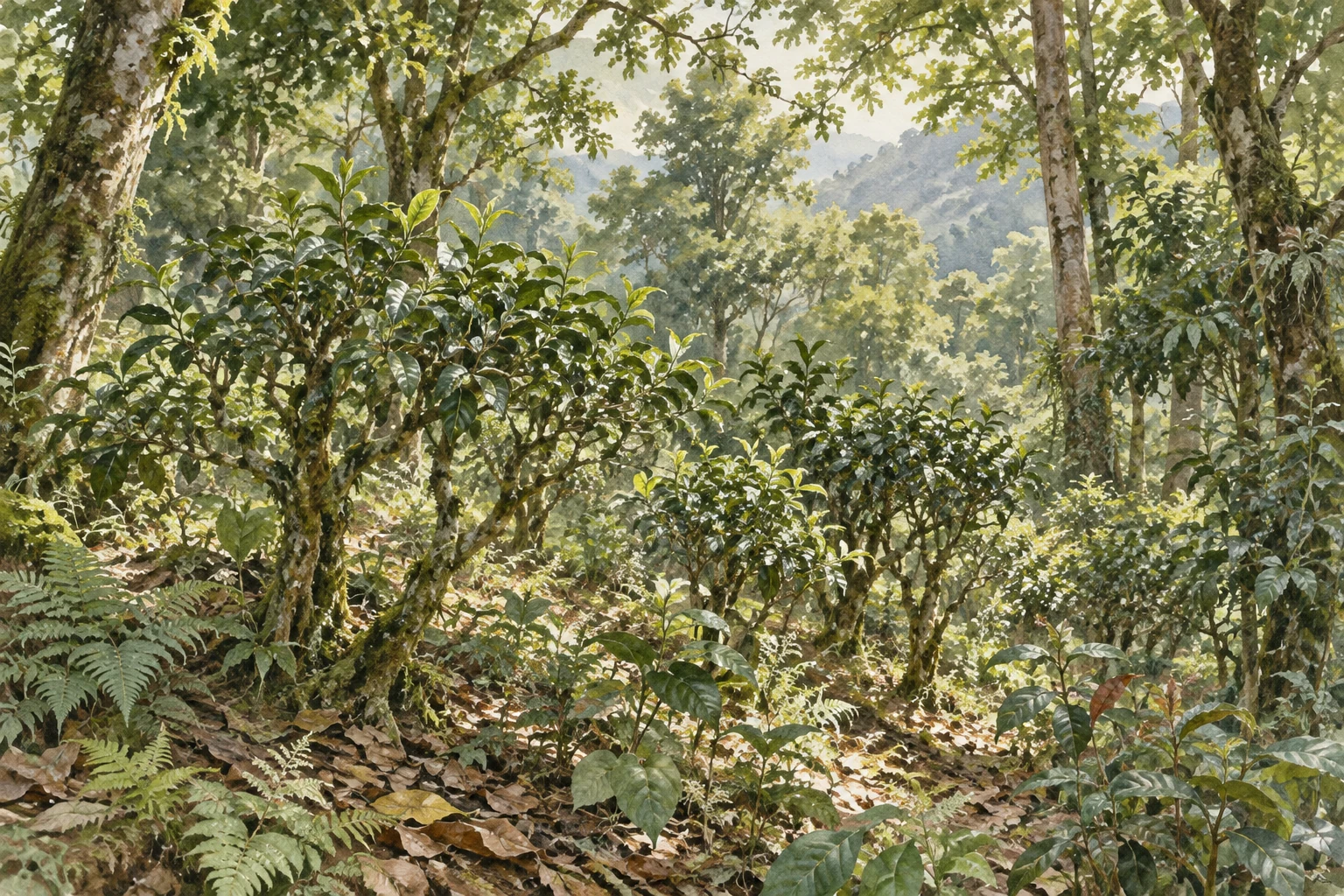
The heritage authority’s reservation notice provides for vehicle arrangements and an on-site registration option for passport holders. Ask your accommodation or trip organiser to confirm the current process for your party and vehicle before travelling. Stay on designated routes: a village booking does not open restricted parts of the heritage area.
Use our Pu’er city versus Jingmai comparison before adding mountain nights. If tea and coffee are the main purpose of the whole holiday, a focused Pu’er–Jingmai trip may serve you better than adding it after both Jianshui and Yuanyang.
An eight-day southern route with clear overnight bases
The example below begins with you ready to leave Kunming on day one and ends in Pu’er on day eight. It provides seven regional hotel nights: two in Jianshui, two near the Yuanyang terraces and three in Pu’er. Add a Kunming night when your arrival or onward flight requires it. Confirm the full road plan before committing to the hotels.
| Day | Plan and main choice | Overnight |
|---|---|---|
| 1 | Kunming to Jianshui; settle in, then a short orientation and dinner if arrival allows. | Jianshui |
| 2 | Choose the heritage railway and countryside, or a slower old-town and craft day. | Jianshui |
| 3 | Transfer to your terrace-area accommodation. Add a nearby viewpoint only if conditions and arrival time work. | Yuanyang terrace area |
| 4 | A weather-led viewing period, rest, and a permitted village visit or another nearby viewpoint. | Same Yuanyang base |
| 5 | Road transfer to Pu’er with agreed comfort and meal stops. Keep the evening simple. | Pu’er / Simao |
| 6 | One arranged coffee-estate activity, with time to return rather than rushing between farms. | Pu’er / Simao |
| 7 | A hosted tea session and a chosen town or heritage outing; keep some flexibility. | Same Pu’er base |
| 8 | Transfer to your booked onward connection. Add another night if the connection requires it. | Not included in this seven-night example |
Day five is the decisive tradeoff. If the proposed drive feels too long for your party, remove Pu’er from this sequence and return toward Kunming after Yuanyang. Visit Pu’er as a separate rail-connected stay another time. Do not disguise that substantial road stage as a day of sightseeing with a tasting appointment at the end.
Match the trip to conditions, not one “best month”
Different interests have different calendars. Honghe’s tourism authority describes November to April as the terraces’ water-rich period, a broad seasonal guide rather than a promise for an individual field. Confirm current farming conditions near your chosen base and check the forecast shortly before travel.
| Main priority | Plan around | A useful alternative |
|---|---|---|
| Terrace reflections | Water levels, light and enough overnight time to avoid one rushed viewing attempt. | A village-context visit when conditions allow; a rest period instead of chasing fog between distant viewpoints. |
| Coffee production | The host’s actual work and available visitor programme, not an assumed harvest date. | A planned brewing or tasting session when field activity is unavailable. |
| Architecture and craft | Opening arrangements, workshop availability and time to walk comfortably. | Reduce outdoor stops and keep a confirmed indoor activity if rain makes the original day unsuitable. |
| Road-based touring | Current road and weather information, rest stops and arrival before an ambitious evening plan. | Drop a distant extension or add a night when the sensible route needs more time. |
For winter, ask the property about room warmth and hot water rather than relying on the region’s general reputation for mild weather. During wet weather, follow local closure notices and the driver’s assessment. A travel post describing an easy drive does not establish today’s road condition.
Rooms, food and transport: agree these before paying
| Decision | Ask for a concrete answer | Why it changes the trip |
|---|---|---|
| Village accommodation | Exact room, steps, bathroom, heating if needed, vehicle stop and luggage assistance. | A scenic setting can still mean a difficult arrival or an inconvenient early start. |
| Food | Breakfast before departure, dinner after arrival and suitable ingredients for your dietary needs. | Meals need their own plan outside a familiar city dining area. |
| Private transport | Vehicle and luggage capacity, pickup/drop-off points, allowed stops, driver and guide roles, and what the quotation includes. | An English-speaking guide and a driver perform different jobs; do not assume both are included. |
| Farm or craft visit | Named host, confirmed activity, language support, cancellation terms and any separate charges. | A place being open does not guarantee the demonstration or class you wanted. |
Use your passport details consistently for accommodation and transport reservations, and establish the booking process with each provider. Save Chinese place names, map pins and contact details offline. Domestic self-drive experiences do not establish your driving eligibility; check the foreign-visitor driving requirements before considering a rental.
Vegetarian, halal and allergy needs deserve specific ingredient and preparation questions. Our Yunnan meals, hotels and prayer guide provides wording and planning steps. In a rural extension, agree the meal before leaving town rather than hoping a view-point café will meet every requirement.
Turn your preferred extension into a workable itinerary
For a terrace-focused starting point, compare the Yuanyang trip from Kunming. For more time around tea, coffee and local landscapes, see the four-day Pu’er private itinerary and the food and culture collection. These are separate itineraries; combining them requires a new transfer plan and a date-specific offer.
Send Verotrip your dates, arrival and departure points, number and ages of travellers, existing Yunnan stops and the single experience you most want. Add your comfortable driving and walking limits, room preferences, food requirements and luggage count. The next step is a proposal showing overnight bases, transfer days and the activities that can actually be arranged for your dates.
Frequently asked questions
How should I arrange arrival, transport and the return?
Use your passport details consistently for accommodation and transport reservations, and establish the booking process with each provider. Save Chinese place names, map pins and contact details offline. Domestic self-drive experiences do not establish your driving eligibility; check the foreign-visitor driving requirements before considering a rental.
Where should I stay to make the daily journeys easier?
For a first visit with terraces as the priority, allow two nights near the viewing area when your schedule permits. This creates another opportunity to see the landscape if the first morning is cloudy; it does not improve the forecast by itself. Ask what is visible from the exact room category rather than assuming every room shares the advertised view.
How should I plan meals and dietary requirements?
Vegetarian, halal and allergy needs deserve specific ingredient and preparation questions. Our Yunnan meals, hotels and prayer guide provides wording and planning steps. In a rural extension, agree the meal before leaving town rather than hoping a view-point café will meet every requirement.