Updated 2 November 2026
For a first Sichuan trip, choose Chengdu plus one regional extension, rather than trying to cover the whole province. Chengdu suits pandas, food and city culture. Leshan and Mount Emei form a different heritage-and-mountain journey; Jiuzhaigou and Huanglong need their own transfers and overnight bases. Western Sichuan asks for a separate decision about road time, sleeping altitude and walking.
The useful starting question is what you want the holiday to feel like. A comfortable city stay with one excursion is a complete trip. A landscape journey can be equally rewarding, but moving among distant places uses days that cannot also be counted as relaxed sightseeing. Build the route from usable days, then choose the transport.
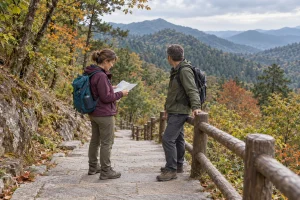
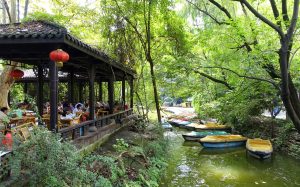
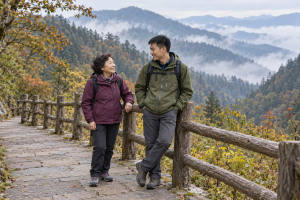
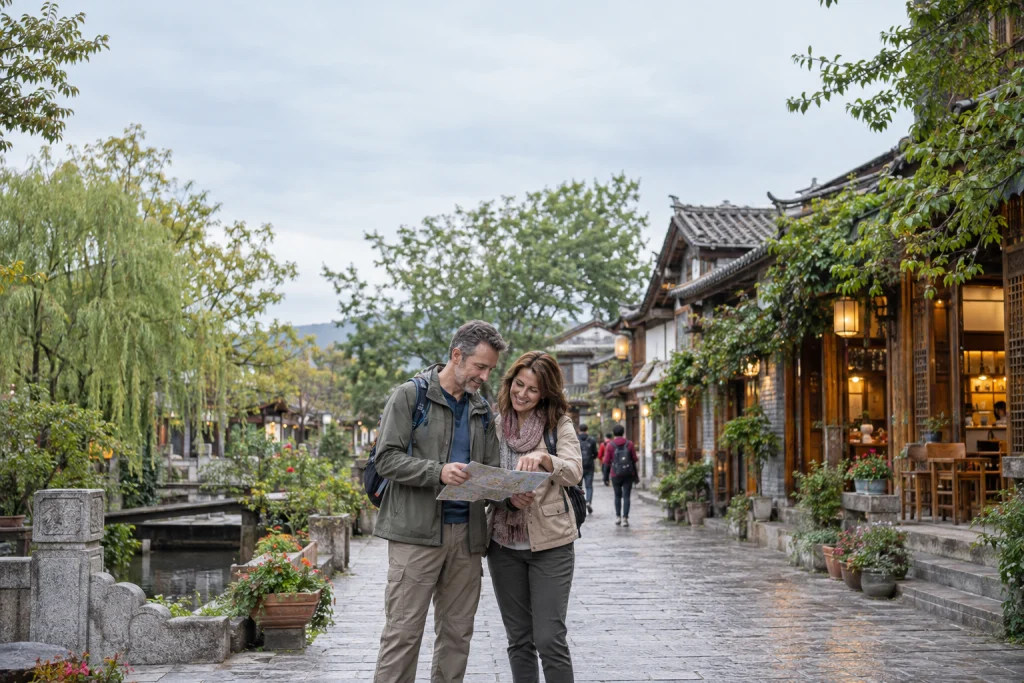
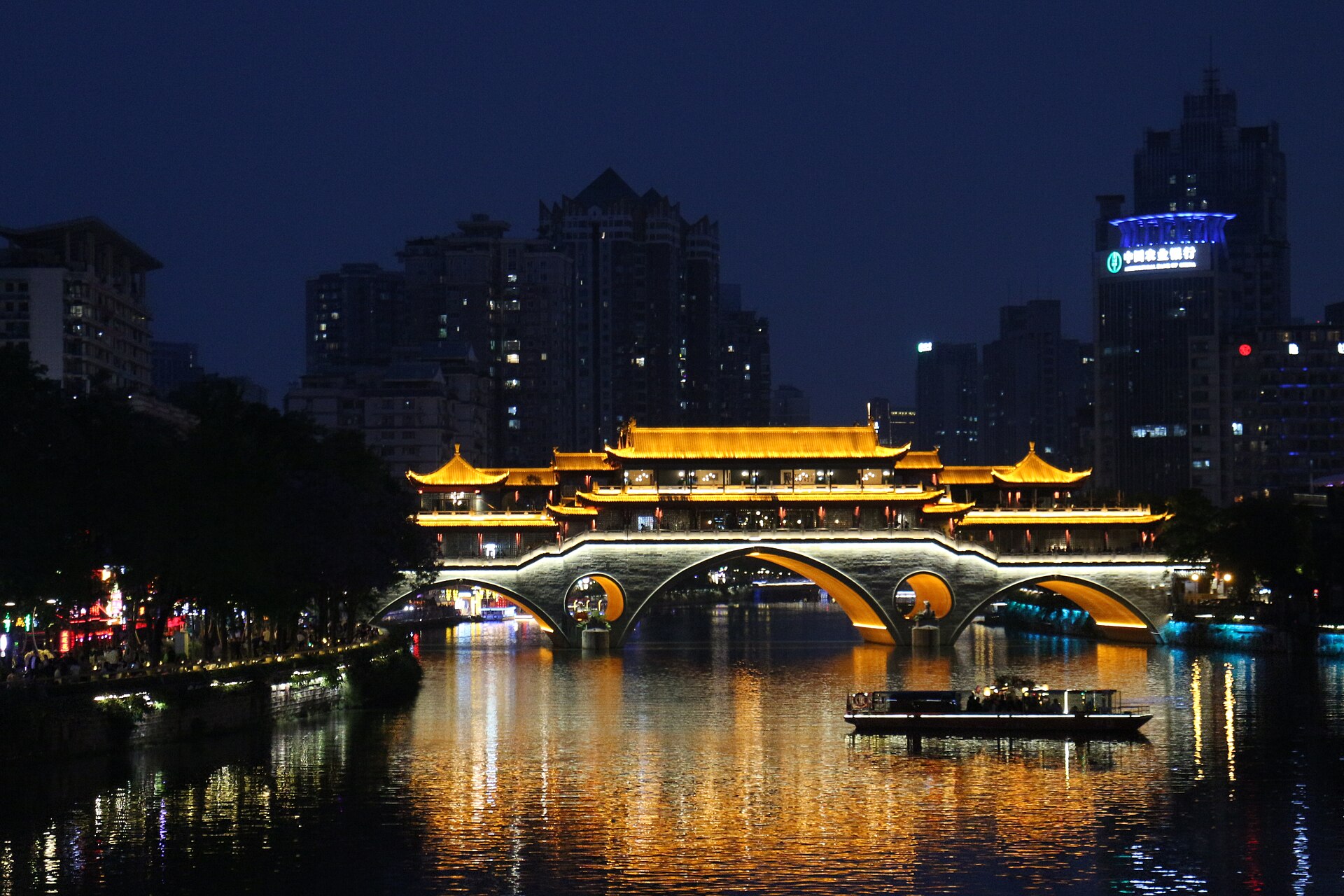
The featured image is a travel scene created as a travel illustration, with fictional people in a generic southwestern Chinese town. It does not show a named Sichuan landmark or actual Vero Trip customers.
Choose the region before the daily attractions
Think in regional blocks. Chengdu is a gateway to many journeys, but that relationship does not make every destination nearby. Write down one shared priority for the party: pandas and urban culture, Buddhist heritage, a lake-and-forest visit or highland scenery. Add a second block only when the nights and transfers remain sensible.
| Your priority | A useful focus | What changes the plan |
|---|---|---|
| Pandas, food and city culture | Chengdu, with one deliberate excursion. | Actual full days and timed admissions. |
| Heritage and a mountain visit | Leshan and Mount Emei, on separate days. | Walking choice, coaches and mountain weather. |
| Lakes, forest and limestone pools | Jiuzhaigou and Huanglong, with local overnight bases. | Rail-road links, park access and altitude. |
| Western highland landscapes | One defined western Sichuan corridor. | Sleeping elevations and long road days. |
| Several regions | A longer journey with fewer stops per region. | Transport consumes days as well as money. |
Check local closures before choosing a western route
A safety notice can change a route without closing an entire province. Kangding’s official notice, issued on 15 November 2025, says restrictions took effect on 20 November 2025 and that reopening will be announced separately after a professional safety assessment. Its named scope includes Namar, Jinyin, Gongba and Wukuchu peaks, Yamu Snow Mountain, undeveloped mountain, forest and gorge areas in Kangding, and the unopened Lemordoin and Zilong Secret Realm areas. The notice prohibits hiking, trekking, traversing and camping in those controlled areas.
This is a local access restriction, not a notice that all of western Sichuan is closed. The municipal notice checked for this update did not show a separate reopening announcement. Before fixing hotel nights or paying for a remote transfer, recheck the official notice and the operator or local authority for the exact route and date. Do not use an unofficial approach trail as a workaround.
- If your main reason to go west is one of the named closed or unopened areas, remove it from the plan and choose a different trip rather than treating access as guaranteed.
- If you want a western Sichuan scenic drive, confirm that each named visitor site and road section is currently open; the wider region is not a single attraction with one access status.
- If you prefer a distinct heritage trip, Chengdu with Leshan and Mount Emei is a separate planning block. Confirm its own attraction hours, transport and weather conditions for your dates.
Read the Kangding municipal closure notice for its exact scope and use the Sichuan hiking planning guide for walking effort and legal, managed alternatives. Access can change; confirm it again close to departure.
This guide handles that province-level choice. Use the Chengdu planning guide for city districts, panda sessions and an excursion; use the Mount Emei and Leshan guide for that combination. Their detail is easier to use after deciding where the trip should concentrate.
Count full days and hotel nights honestly
Arrival and departure dates are not automatically sightseeing days. A late landing followed by an early flight can turn a three-day label into one usable day. Start with flight or train times, write every overnight place underneath, and mark the longer road stages before adding attractions.
| Time available | Planning starting point | Avoid |
|---|---|---|
| 2–3 full days | A selective Chengdu stay. | A distant park as an afternoon add-on. |
| 4–6 full days | Chengdu with one regional extension, or a focused regional trip. | Every famous mountain in the same trip. |
| 7–10 full days | City time plus one larger landscape corridor. | Counting late arrival as a mountain day. |
| More than10 full days | Consider a second corridor if transfers and rest work. | A province-wide checklist with no margin. |
These are planning allowances, rather than a minimum stay imposed by any attraction. A family needing frequent rests may choose fewer places within the same time. An experienced traveller may prefer more walking, but still needs realistic transport and access. Extend the trip for a second region instead of shrinking every stop.
Leave a flexible part of the final stage when a major departure follows a mountain journey. Returning to Chengdu and catching an international flight are separate tasks. Where disruption would have serious consequences, return earlier and use the remaining time in the city.
Chengdu works as a destination in its own right
A city-focused stay can combine one panda session, a major cultural visit, neighbourhood time and an unhurried meal or teahouse break. Keep one hotel unless a departure requires another base. A different sightseeing district each day does not require a different room each night.
Match the panda venue carefully. The Chengdu Research Base’s ticket guidance distinguishes its admission from Dujiangyan Panda Valley, uses dated sessions and accepts passports. Keep the original booking document and confirmation. A product called “panda tour” should identify the place, pickup gate and included services; it does not promise a named animal or constant activity.
If Sanxingdui is a priority, give the museum and its transfer a substantial block. The railway station, road approach and final entrance are different stages. Agree the return pickup and where bags remain, and allow time to leave the galleries and retrieve them. Combining pandas and the museum is a demanding choice, rather than the default relaxed day.
Choose cultural depth over collecting street names. One well-explained museum or historical site, then a nearby walk, can be more useful than an afternoon crossing the city between photo stops. For families, keep a food and rest option that does not depend on completing the whole circuit.
Leshan and Mount Emei: separate visits, different effort
Leshan’s Giant Buddha and Mount Emei belong in the same regional conversation, but not automatically in the same day. At Leshan, decide whether the purpose is a selected land visit or a river view, subject to current operation. A boat and the cliff paths give different perspectives and have different weather and access conditions.
At Mount Emei, distinguish a lower-mountain cultural outing, a selected walking section and the Golden Summit. The upper programme can involve scenic coaches, queues, a cable car and walking; it is not a vehicle arriving at every viewpoint. Reserve the required transport and protect its return before adding another stop.
Keep sunrise and cloud scenery optional outcomes. A high-area overnight makes a different programme possible, but cannot buy clear weather. If winding roads or long stairs become uncomfortable, a shorter visit or a lower base may serve the holiday better. Do not reproduce an overnight climbing account as an approved route; follow current scenic access rules.
Jiuzhaigou and Huanglong: plan the rail-road connection
A train to Huanglongjiuzhai Railway Station brings you to a regional arrival point, not to the Jiuzhaigou park entrance. The onward road transfer, hotel check-in and next morning’s park approach still need arranging. Decide where you want to sleep before selecting the train, rather than discovering a long transfer after buying a cheap departure.
Jiuzhaigou works well with a dedicated park day and a nearby overnight base. Its official visitor information distinguishes seasonal access and park transport, and prohibits accommodation inside the scenic area. A Zhangzha-area hotel is outside that valley visit; obtain the exact hotel name and gate-transfer arrangement.
Use the park’s operating shuttle system and selected open visitor paths. A private guide or driver outside does not make internal buses private. Check the official booking and notice channels before fixing the main day. Admission availability and an open walking section are separate from owning a train ticket.
Huanglong adds a different walking and altitude decision. A cable-car approach can reduce one part of the climb, while boardwalks, steps and higher elevation remain. Choose the extent of the visit with the road and return-train timing in view. Do not attach a long upper-pool visit to the last possible connection without a shorter alternative.
Western Sichuan requires its own arrival plan
Western Sichuan describes a broad highland region, not a single easy loop. Name the places and nights: a journey toward the Siguniang area is different from a longer route to Daocheng and Yading. Adding every famous viewpoint can create repeated long road days and higher overnight stops.
For Yading, distinguish Daocheng town, Shangri-La Town / Riwa and scenic-area accommodation. Shangri-La Town in Sichuan is different from Shangri-La city in Yunnan. The Yading short- and long-route guide compares a selected Chonggu / Pearl Lake walk, the meadow outing and the demanding high lakes. A scenic visit does not require the longest route.
Plan sleeping elevations and a gradual approach before choosing exertion. The CDC’s altitude guidance explains why fitness does not protect against altitude illness. Discuss proposed elevations and relevant health conditions with a qualified clinician. Do not ascend with symptoms; worsening or severe symptoms need medical help and an appropriate descent plan.
A guide, an oxygen can or an oxygen-equipped room is not a reason to disregard symptoms. Give the party a way to shorten the programme together. Keep to legally open visitor areas: the county and scenic authority’s access notice, for example, prohibits unauthorised activity in undeveloped or unopened areas around Jiuzhaigou. A social-media track is not permission.
Choose hotels for the next useful morning
Book the room against its role in the itinerary. A lower-mountain approach night, a Zhangzha park base and a central Chengdu room solve different problems. “Near the scenic area” is too vague for someone arriving with luggage after dark.
| Journey | Base decision | Check for the actual hotel |
|---|---|---|
| Chengdu | One city hotel for most nights. | Entrance, useful station exit and pickup. |
| Leshan / Mount Emei | City, lower-mountain or named high-area property. | Luggage, road limits and room access. |
| Jiuzhaigou | A Zhangzha-area hotel outside the scenic valley. | Gate transfer, heating and meals. |
| Huanglong | Fit the visit around the road and onward service. | Arrival elevation and return connection. |
| Yading / western highlands | Each town and sleeping elevation. | Acclimatisation, baggage and a lower fallback. |
Confirm reception for each passport, bed configuration, lift access, heating or cooling and the real vehicle drop-off. Keep larger luggage at an agreed base for a mountain visit, with storage and collection hours written down. A hotel change costs packing and transfer time even when the map makes it look close.
Food, weather and family needs belong in the route
Tell the planner about spice tolerance, allergies, halal requirements and meal times before fixing the route. A vegetarian-looking dish may use meat stock or animal fat. For a park day, arrange suitable food and water instead of assuming every rest stop can meet a particular diet.
For prayer, build practical breaks around the programme and room arrangements. Do not promise a facility at every scenic stop. Older travellers and children may need shorter walks, toilets and a reliable earlier return. Ask about those details alongside the attractions.
| Problem | A practical adjustment | Keep clear |
|---|---|---|
| Admission unavailable | Reorder confirmed days or replace the visit. | A driver booking is not an admission ticket. |
| Cloud hides the view | Keep the cultural or forest element worthwhile. | Sunrise and peaks are not guaranteed. |
| Walking is too much | Choose an open shorter section or another day. | Transport does not remove all steps or altitude. |
| Road or weather disruption | Use a permitted alternative with the provider. | No closed-track shortcut. |
| Departure is tight | Return to the departure side earlier. | Park travel and onward flight buffers. |
A month name does not guarantee flowers, autumn colour, snow or an open path. Check forecasts, operator notices and actual transport shortly before travel. Use a revised open itinerary when conditions change, rather than an unmarked shortcut or a claim that another valley is equivalent.
A six-day heritage route with five clearly counted nights
For travellers who want Chengdu, Leshan and Emei without adding a second distant region, compare a six-day, five-night shape. Use two opening Chengdu nights, two nights in an Emeishan base and one final Chengdu night. This gives the mountain visit its own day and returns you to the departure city before the last morning. The exact accommodation, admission and transport remain date-specific arrangements.
| Day | Main purpose | Overnight |
|---|---|---|
| 1 | Arrive, settle into Chengdu and keep the first evening easy. | Chengdu, night 1 of 2. |
| 2 | Choose the main Chengdu experience, such as a reserved panda-base visit plus a modest local outing. | Chengdu, night 2 of 2. |
| 3 | Visit Leshan using the chosen viewing format, then transfer to the Emeishan hotel. | Emeishan base, night 1 of 2. |
| 4 | Use a full day for the agreed Emei route, with stairs, scenic transport and return clearly described. | Emeishan base, night 2 of 2. |
| 5 | Return to Chengdu; use only the genuinely remaining time for a local walk or meal. | Chengdu, final night. |
| 6 | Depart with the required airport or station transfer. | No sixth night in this outline. |
This shape gives you one full Chengdu day before leaving. If Sanxingdui is a priority as well as pandas, add a Chengdu night or replace another main visit. Giving both a name in the same paragraph does not produce two full visiting blocks. Similarly, the Leshan format matters: a visit involving substantial steps and a different viewpoint or boat arrangement are not interchangeable inclusions. Choose the format before deciding how much day remains for the onward hotel transfer.
Match the Emei day to the whole group
Ask for the actual sequence from the hotel: vehicle collection, visitor transport, any cableway, walking segments, meal stop and return. A summit-view day can still include stairs, queues and cold conditions. A temple-and-forest emphasis may serve travellers who care more about culture and manageable walking than reaching the highest viewpoint. Describe stair and descent limits when requesting the trip, so the response can name an appropriate route instead of promising that the mountain is simply “easy.”
For the two Emeishan nights, compare a lower visitor-service base with any higher overnight option in the proposed route. The choice changes bag handling, dining and the next morning’s transport. Request the exact hotel access and meal arrangements. Keeping the same room for both nights simplifies luggage; moving uphill for a sunrise objective requires a different overnight plan and is not automatically part of the table above.
| If your priority changes | How to alter the six-day outline | What to give up or add |
|---|---|---|
| More Chengdu culture | Add one city night and a full local day. | Seven days and six nights, unless another main visit is removed. |
| One requested golf round | Replace day 2’s main sightseeing or add a city night. | A separate companion plan and course confirmation; do not squeeze it before the same full excursion. |
| A substantial mountain walk | Choose a suitable Emei walking plan for day 4. | Remove competing stops and keep the return allowance; other highland regions need a separate extension. |
| Jiuzhaigou is the essential destination | Design the Sichuan trip around that region instead. | Keep its road–rail connections and park days distinct from the Emei sequence. |
The final Chengdu night is useful even when day 5 looks quiet on paper. It separates the regional return from your flight or onward train, leaves time to repack and makes a relaxed last meal possible. If you remove it, ask for a genuinely workable direct departure plan and understand the consequences of delays. Avoid describing five nights of accommodation as six simply because the itinerary spans six dates.
Use the Sichuan walking guide for effort and return choices, or the Chengdu golf guide for a round-based city stay. A self-drive preference belongs in a separate vehicle decision; the Southern Silk Road road-trip guide includes a shorter Sichuan loop as well as the longer through journey. The six-day heritage outline works best when its core stays clear and every added interest has an honest place in the calendar.
Request a proposal for one clear Sichuan route
The existing three-day Jiuzhaigou–Huanglong rail-arrival itinerary starts at Huanglongjiuzhai Station and uses two nights near Jiuzhaigou. Ticket and meal scope is itemised in the dated quotation. Compare the five-day Chengdu, Dujiangyan, Qingcheng and Leshan route for city culture and the nearer heritage circuit. Its busy combinations can be adjusted; they should not all be described as effortless.
Send Vero Trip your dates, arrival and departure services, usable nights, number and ages of travellers, walking preferences and recent high-altitude stays. Name the one or two experiences you would regret missing. Add room, language, luggage, food and mobility requirements. Request each overnight town, transfer, admission and inclusion clearly, so you compare the actual holiday rather than different headline prices.