Updated 22 October 2026
Plan a G317 Chengdu–Lhasa road trip around the approved route and the places where you will sleep, then add the cultural visits. The northern corridor links western Sichuan with eastern Tibet and Nagqu; reaching Lhasa requires a southern connection. Choose this journey when Garze and Dege are priorities and you can keep flexibility for high-altitude travel and road controls.
Before committing to a through journey, resolve the Dege–Jomda section. The Tibet transport department’s report dated 9 October 2026 lists full-width construction control between K911+050 in Gongya, Dege, and K976+400 near Jomda, scheduled from 12 July to 30 November. Obtain current passage instructions or an approved alternative for your dates. The report describes a particular section and date; it does not establish that the entire highway is closed or that a through trip can operate today.
What does “G317 to Lhasa” actually include?
G317 is a national road extending from Chengdu towards Gar in western Tibet. Lhasa is a destination reached by leaving the northern corridor, rather than the national highway’s western endpoint. The national highway network plan lists the principal G317 places through Barkam, Luhuo, Garze, Dege, Jomda, Chamdo, Riwoche, Dengqen, Baqen, Sog and Nagqu.
A travel itinerary can use connecting roads and still be described as a northern Sichuan–Tibet journey. Ask which approach it uses. A proposal through Danba and Bamei has a different western Sichuan opening from one through Wenchuan and Barkam. Do not compare them by highway name or total days alone. Compare the named visits, actual hotel towns and driving stages.
Read the northern route in manageable stages
The table follows the Barkam approach. Each row is a planning region, not one day or one hotel night. More than one overnight may be needed within a row. The receiving operator should turn these stages into a dated plan with accommodation and legal road access.
| Stage and place names | Chinese names for your booking sheet | Decision before fixing the dates |
|---|---|---|
| Chengdu → Wenchuan / Li County → Barkam (Maerkang) | 成都 → 汶川 / 理县 → 马尔康 | Choose the initial approach and sleeping-altitude sequence before continuing west. |
| Barkam → Luhuo → Garze (Ganzi) | 马尔康 → 炉霍 → 甘孜 | Protect time for selected cultural visits; decide which town is the actual hotel base. |
| Garze → Manigango → Dege (Derge) | 甘孜 → 马尼干戈 → 德格 | Separate travel, any lake excursion and printing-house time instead of combining them into a late arrival. |
| Dege → Gangto → Jomda (Jiangda) → Chamdo area | 德格 → 岗托 → 江达 → 昌都地区 | Resolve the controlled section, exact approved route and receiving arrangements first. |
| Chamdo area → Riwoche → Dengqen | 昌都地区 → 类乌齐 → 丁青 | Name the actual hotel town and any separate monastery excursion. |
| Dengqen → Baqen → Sog → Nagqu | 丁青 → 巴青 → 索县 → 那曲 | Divide the high-country stages around suitable sleeping places and realistic driving days. |
| Nagqu → agreed southern connection → Lhasa | 那曲 → 商定的南行连接路线 → 拉萨 | Choose whether Damxung is a stop; treat Namtso as a separate optional excursion. |
English spellings vary: Dege and Derge, Jomda and Jiangda, and Nagqu and Naqu can refer to the same places. “Chamdo” can describe the wider municipality, so it is insufficient as a hotel address. Request the town, property name, map pin and telephone number. A central-city visit and a road passing through the wider area are different arrangements.
Use the route-sequence illustration alongside this table to understand the order. It does not show approved roads, distances, driving time or hotel bookings. Save the final operator’s route and meeting points offline once the dated arrangements are agreed.
Choose the opening and extensions deliberately
Keep optional branches separate from the through route. They can change the amount of driving, the sleeping sequence and which places can receive your party. Include them only when they serve a clear interest.
| Choice | Why consider it? | What changes in the plan? |
|---|---|---|
| Barkam approach | Follow the northern corridor’s main place sequence from the Chengdu side. | Select the actual early hotel bases; a long first drive is not an altitude plan. |
| Danba–Bamei approach | Prioritise western Sichuan villages and the landscape around that alternative opening. | Rebuild the approach and joining point towards Luhuo; do not add it to an unchanged Barkam timetable. |
| Dege cultural time | Give the printing heritage more than a brief arrival-day stop. | Separate the transfer and the visit; confirm admission, opening and photography for the chosen venue. |
| Specific monastery or remote viewpoint | Travel for that particular cultural or landscape interest. | Confirm foreign-passport access and the actual approach; being nearby does not establish permission to enter. |
| Namtso excursion | Add a high-altitude lake visit to the approach to Lhasa or a later stay. | Allow a separate access and weather decision, extra travel and a suitable sleeping plan; omit it if conditions do not fit. |
Dege’s county-government account of printing-house conservation describes work involving carved-block archives, heritage protection and living traditions. Use that cultural interest to decide how much time you want there. It does not guarantee a particular demonstration, access to every room or admission on your date. Ask before photographing people, worship or working areas.
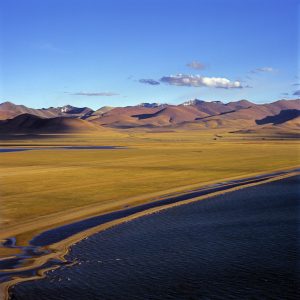
Namtso is not a casual low-altitude break. The Damxung county tourism description places the lake between Damxung and Baingoin and gives its surface elevation as about 4,718 metres. A lake visit needs its own road, admission, weather and health decision. Do not automatically put a night beside the lake into the itinerary or promise an unrestricted drive around it.
How many days should you allow?
Build the holiday from nights and activities rather than adopting the shortest advertised drive. First list the nights available between your Chengdu arrival and Lhasa departure. Then identify which days are mainly transfers, where a full cultural day matters and which early nights support gradual ascent. Finally add an allowance for disruption before a fixed onward departure.
A ten-day headline does not tell you whether it includes arrival, Lhasa sightseeing, the final airport transfer or a lake excursion. Ask for those components separately. If the available calendar cannot support the approved route and appropriate pacing, choose a shorter western Sichuan journey or remove an extension. Adding more sights to every transfer day does not create more usable time.
Use this three-part test before accepting a proposal:
- Count every night. Each date needs an actual base, with the arrival and departure arrangements stated separately.
- Protect the reasons for travelling. Mark full or partial visit days in Garze, Dege and Lhasa, then check what remains for driving and rest.
- Test a delay. Ask what changes if the Dege–Jomda passage cannot operate or the next stage is interrupted. Identify which nights, visits and onward bookings would move.
Choose hotels by sleeping altitude and practical access
A town-by-town list is only the beginning. Request the elevation of each proposed property, the previous night’s elevation and the practical option to stop earlier or reach lower ground. Passing a high point during the day and sleeping there are different exposures. Do not assume a hotel’s oxygen equipment makes a rushed ascent suitable.
The CDC’s altitude guidance recommends gradual ascent and attention to sleeping altitude. Physical fitness does not remove altitude-illness risk, and children can also be affected. Discuss the proposed overnight sequence with a qualified clinician before booking. Avoid further ascent if altitude symptoms develop; worsening illness needs prompt medical assessment and may require descent. A full travel day is not a reason to postpone that decision.
For older travellers, families or anyone who finds hotel changes tiring, request fewer moves and realistic access from the vehicle to the room. Confirm heating, hot water, stairs or lifts, bathroom layout, luggage help and a reachable hotel contact. Give the property the actual passport and guest details needed for the reservation. Do not rely on a star category or a generic statement that all hotels on the road accept every traveller.
The final overnight sheet should identify both the intended property and the fallback procedure. Ask who will make a replacement reservation, whether it changes the next day’s route and how additional charges are handled. Keep a small overnight bag accessible so essential medicines, warm layers and documents do not depend on unpacking the entire vehicle.
Foreign-passport travel: settle access before transport
Mainland entry permission and Tibet travel arrangements are separate. Shannan’s tourism-bureau guidance says foreign visitors need the required Tibet approval through a qualified travel agency and organised receiving arrangements. Supply your nationality, China entry basis and intended dates, then ask whether the exact Dege-side entry and every planned destination can be arranged for your party. Avoid non-refundable through-route commitments until that answer is clear.
The National Immigration Administration’s border-permit notice directs foreign nationals to an in-person application channel. Domestic visitors’ app instructions do not establish your eligibility, replace Tibet travel approval or grant access to a particular monastery or border destination.
A Chengdu–Lhasa journey does not itself include Everest, Shigatse or a Nepal crossing. Those are separate extensions. The 27 August 2026 NIA announcement, effective 28 August, concerns suspension of electronic border-area permits for Shigatse. Read its specific scope and obtain current advice for an extension; do not interpret it as cancellation of every Tibet tourism approval.
Driver-led travel, rental cars and your own vehicle
A professional driver can reduce your driving workload, while an English-speaking guide provides a different service. Ask who accompanies the whole journey, which sectors have a handover and who handles the receiving arrangements in Tibet. Do not assume the driver is also an English-speaking guide or that a Sichuan vehicle booking covers the whole route.
If you hope to drive, check the appropriate Chinese driving authorisation, rental-company acceptance, vehicle category, insurance and cross-region return arrangements. An overseas licence or International Driving Permit alone is not the full authorisation to drive in mainland China. Bringing a foreign-registered vehicle also requires separate vehicle-entry and route arrangements. Passenger travel permission is not permission for any particular driver or vehicle.
The China self-drive collection is a place to compare supported driving styles. Ask for a G317-specific proposal rather than assuming every listed vehicle or itinerary can be used on this corridor. Motorcycle riding requires a separate entitlement, vehicle and road-access assessment.
Prepare for road changes, meals and luggage
Check each section by its start and finish, not simply by asking whether “G317 is open”. A short tunnel closure on the western Sichuan approach can change the first hotel night even when later sections are usable. Ask the receiving team for the authorised alternative and its effect on arrival time, fuel, luggage stops and hotel cancellation. Do not treat a track suggested in a comment as a suitable legal diversion for your vehicle or travel documents.
Keep side excursions optional. Snow can stop a mountain approach without deciding the status of the main corridor. If you include Sapu or a monastery reached by a separate hill road, specify its access, vehicle and walking requirements independently. An earlier return to the agreed hotel can be the right outcome; an optional sight should not force late driving or a rushed ascent.
Make toilet and meal breaks concrete on the daily sheet. Ask for known staffed stops, keep essential supplies accessible, and confirm heating at the actual overnight property. A traveller’s report of a comfortable room or a restaurant beside a hotel does not establish passport reception, halal preparation or availability for another date.
Ask the receiving operator to check the next controlled section before departure each day. The October road report also lists partial-width controls on several eastern G317 sections. A map app’s arrival estimate cannot account for every release arrangement, checkpoint, meal stop or weather interruption. Use an earlier overnight or a lawful route change when instructed; do not bypass barriers to keep a booking.
| Need or disruption | Agree before departure | Practical alternative |
|---|---|---|
| Controlled or weather-affected road | Who obtains current instructions, the latest sensible departure and the decision to stop. | Change the date, stop earlier or redesign the permitted route and accommodation together. |
| Halal meals, allergies or prayer | The specific food requirements, planned meal stops and suitable clean stopping places. | Agreed packaged or separately prepared food and private prayer space; not an assumption based on meat type. |
| Children, older relatives or limited walking | Child seats, comfortable breaks, stairs, luggage help and the actual attraction approach. | A shorter visit, fewer hotel changes or removal of an optional branch. |
| Medical problem or travel interruption | Operational contact, medical-help arrangements, transport options and insurance coverage. | Follow clinical and local instructions; revise the onward journey rather than preserving the timetable. |
Give the planner the passenger count and bag sizes before choosing a vehicle. A nominal seat count does not show the space left after luggage. Keep warm layers and essential supplies available during transfers, and save hotel addresses and operational contacts offline. Agree how the party stays in contact if the guide, driver or vehicle changes.
Compare the northern journey with the right alternatives
Use the G317 versus G318 comparison if you are still choosing the corridor. This guide develops the northern sequence and overnight decisions after that choice; the comparison explains the different reasons to select each road.
If your interest is Garze and Dege but a through route cannot work, compare the Sichuan–Yunnan Kham and Shangri-La itinerary. Its published route finishes in Lijiang, not Lhasa, and still requires its own access and vehicle arrangements. It is a different holiday, rather than a shortened G317 through journey.
If Lhasa and a southern landscape corridor matter more, compare the 12-day Sichuan–Tibet private itinerary or the G318 small-group itinerary. Their public pages describe southern routes. Their length and sightseeing do not establish the time, access or services needed for G317. Reassess their pacing for your own group as well.
What to send with your enquiry
Send Vero Trip your passport nationality and entry basis, travel month, total available nights, starting and finishing arrangements, group ages, previous high-altitude experience, preferred cultural stops, hotel needs, luggage, dietary and prayer requirements. Say whether you want a driver, a separate English-speaking guide or to drive yourself. For your own vehicle, include its registration country and type.
Use Plan My Trip to request a route discussion. Ask for the exact approved sequence, overnight properties and elevations, vehicle and guide responsibilities, itemised inclusions and cancellation or substitution terms. The first decision is whether the northern corridor can meet your needs on your dates; the final sightseeing list follows from that.
What a northern-road day feels like between the landmarks
A northern Sichuan–Tibet journey is a sequence of rooms, meals, road sections and cultural visits. The practical question is how much attention remains when you reach the place you most wanted to see. A beautiful afternoon monastery stop can become a hurried gate photograph if the morning departure was delayed by packing, breakfast or an unexpected road hold. Give each major cultural visit its own usable period in the day, with an explicit shorter option if arrival is late.
The road-quality debate in social posts illustrates why a simple “G317 is rough, G318 is easy” label is unreliable. In one comparison, travellers and even later author replies contradicted the original ranking. That does not establish the present condition of either highway. It does show why a proposal should describe dated conditions on the particular section, not repeat a permanent reputation.
| Part of the day | Detail worth agreeing | What a vague answer can hide |
|---|---|---|
| Leaving the hotel | Breakfast availability, luggage loading and pickup access | A late start before a long stage |
| Cultural visit | Arrival window, guide explanation and walking route | Time for a photo but no meaningful visit |
| Lunch | A planned town or restaurant area and dietary fallback | Depending on a single late roadside stop |
| Final approach | A daylight target and the stop to drop if delayed | Repeated photographs followed by night driving |
| Overnight | Exact settlement, room facilities and sleeping elevation | A hotel name without an appropriate stage plan |
Carry two bags rather than unpacking the whole vehicle
Keep a small daily bag with warm layers, sun protection, drinking water, tissues, a power bank within carrier rules and the documents your organiser asks you to carry. Put a change of clothes and overnight toiletries where they can be reached without emptying every suitcase. Agree how luggage is stored during visits and whether there are stairs at the accommodation. This matters to anyone who wants to avoid lifting a heavy case after a long drive at altitude.
Do not buy a new walking routine for the trip. Comfortable shoes you have already worn and clothing that can be adjusted inside the vehicle are more useful than equipment chosen only for photographs. A sunny departure does not tell you how a windy stop will feel later. Put the windproof layer in the day bag, not beneath the luggage pile.
Give cultural stops something to explain
Before arriving at a monastery or historic town, ask the guide for one question to keep in mind: how the buildings are used, why a courtyard is arranged that way, or how the site fits into the regional journey. You do not need to identify every figure or architectural detail. Understanding a few features makes a shorter authorised visit more rewarding than collecting many unexplained stops.
Ask permission before photographing people and follow each religious site’s current rules. A photograph of an empty courtyard online is not evidence that every room will be available to tourists. Nor does a domestic traveller’s route establish foreign access. Leave restricted or unapproved places out of the sightseeing proposal rather than treating permission as a task for arrival day.
Make a road-delay agreement before there is a delay
Ask who obtains local road information, who can approve a programme change and how the revised overnight is chosen. The first response to a hold should be a new calculation of daylight, meals, the permitted route and the party’s condition. Avoid solving it simply by removing every break or extending the drive into the night.
If one member feels unwell, the group needs an agreed response that does not depend on persuading them to continue to a booked hotel. Vehicle oxygen or a favourable hotel review is not a medical plan. Keep the contact and assistance process accessible offline, and confirm how a shorter or lower alternative would be arranged where feasible and authorised.
Continue planning this journey
Use our Tibet route-planning guide to place this topic within the whole trip. The railway, Samye and Namtso planning guide explains how arrival and separate outings fit together.
Sources and research notes
Reviewed 29 October 2026. Practical perspectives were compared with original Xiaohongshu note bodies and initially visible comments: 川藏南线🆚北线攻略 你怎么选评论区聊聊; 318自驾D11|八宿→波密✨秋色让眼睛忙的很; 新藏线|G219住宿全攻略 收藏这一篇就够了📝. These individual experiences mainly concern domestic travellers; they are not evidence of foreign-visitor eligibility, present prices or medical safety.
China regional risks: Tibet; CDC Yellow Book: High-Altitude Travel and Altitude Illness. Confirm operating notices and passport arrangements for the actual travel date.