Updated 22 October 2026
For a Chengdu to Lhasa train trip with Samye Monastery and Namtso, arrange the Tibet itinerary and documents first, fit the dated train journey around them, and keep the lake excursion flexible. Samye is a cultural visit in Shannan; Namtso is a separate, higher-altitude outing north of Lhasa. They should not become two extra stops squeezed into your arrival day.
Choose the train because you want the railway journey and can allow for its overnight travel. It does not remove the need for Tibet travel approval, nor does time on board guarantee that you will avoid altitude illness. If your holiday is short, compare flying to Lhasa with a properly arranged ground itinerary rather than sacrificing the days needed after arrival.
Decide how much of your holiday belongs on the train
Start with two separate counts: the time between boarding and arrival, and the nights you actually have in Tibet. A journey described as an eight-day holiday may include substantial time in transit. Ask for the arrival date written in full, not simply an arrival clock time next to the departure date.
Keep a Chengdu night before departure if an international flight or another long-distance train brings you into the city. That provides room for delayed luggage and document handover. A train berth is not a substitute for a hotel room where you can repack, shower and check the final arrangements.
| Your priority | A practical starting choice | What to settle before paying |
|---|---|---|
| The railway experience | Reserve enough holiday time for the actual dated train and a separate Lhasa stay. | Exact stations, calendar dates, confirmed berth category and Tibet-document handover. |
| Samye and Tibetan culture | Give Lhasa and a distinct Samye excursion priority over additional long transfers. | Admission for your passport, the approved route, guide language and walking requirements. |
| A lake landscape | Keep Namtso later in the Tibet stay with a replaceable day. | Road and shuttle operation, physical suitability, cancellation terms and the return to your hotel. |
| Limited leave or low tolerance for an overnight train | Compare a flight with the same ground itinerary before booking. | Do not assume flying avoids altitude risk, or that a quicker arrival creates extra acclimatization time. |
These are planning choices, not guarantees of a train, permit or attraction admission. If the receiving agency cannot arrange a particular date or stop for your party, change the outline before buying non-refundable transport.
Put Tibet arrangements ahead of the railway reservation
For foreign visitors travelling to Tibet, ordinary China entry permission and Tibet travel approval are different matters. Arrange the trip through a suitably qualified receiving agency and have that agency confirm the documents and approved itinerary for every traveller. Visa-free entry to China should never be treated as permission to travel independently in Tibet.
Send the agency the requested passport information securely, your lawful China-entry basis, travel dates, arrival and departure transport, and the proposed Tibet stops. If you hold another nationality, change a passport, or travel with family members on different documents, flag that before the application is prepared. Do not post passport scans in public comments or group advertisements.
Request written instructions for document collection, the format accepted for your particular departure, the person responsible for delivery, and what happens if the itinerary or train changes. A website saying that a scanned copy or an original is sufficient does not settle the boarding procedure for your booking. The railway, receiving agency and actual approval must agree.
A border-area permit is another separate issue. The National Immigration Administration’s August 2026 notice about suspending electronic border-permit processing in Shigatse is not a statement cancelling all Tibet tourism approval. This guide does not add Shigatse, Everest or an international border crossing to a Samye–Namtso plan. If you want an extension, have its permissions assessed individually.
Book the train using the full station and arrival date
Use the China Railway 12306 English website or official app to check your actual travel date. Search using the stations displayed in the railway system. Chengdu has more than one station: a hotel near Chengdu East does not establish that your Lhasa service departs there. Match the Chinese station name on the confirmed ticket before arranging your transfer.
In the official English search interface, Chengdu West appears as Chengduxi (成都西) and Lhasa as Lasa (拉萨). Select the station from the dropdown rather than leaving a typed city name unselected. Then inspect the returned service, date, journey duration and berth category. Search results that have not loaded are not evidence of a cancellation, a sold-out train or no service.
For the scale of the journey, an official 12306 search made on 22 October 2026 for a 24 October departure displayed Z322 from Chengdu West at 20:46 with a journey duration of 34 hours 38 minutes. This is a dated example, not a timetable for every departure. That duration spans two overnight periods: count them separately from your hotel nights, and confirm the full arrival date on the booking.
The government’s 2025 guide for foreign travellers explains that passengers buying online with a foreign passport need identity verification and should use their original booking document for travel. If online verification is unsuccessful, a staffed railway ticket window is an available route for assistance. Allow time for that process before departure; a payment receipt alone does not solve a document mismatch.
For general ticketing steps, see our official 12306 travel questions. This page focuses on fitting the rail journey into a Tibet itinerary, rather than replacing 12306 with a copied timetable.
| Check on the actual booking | Why it matters | Your next action |
|---|---|---|
| Departure station and arrival calendar date | Different Chengdu stations and overnight journeys affect hotels and transfers. | Copy both station names and both dates into the itinerary sent to your receiving agency. |
| Berth versus seat | The cheapest available category may not suit your sleep, mobility or luggage needs. | Agree the acceptable category before a booking agent purchases a substitute. |
| Named passengers and original documents | A mismatch may require correction or staff assistance. | Check each name and document number against the document that will be carried. |
| Ticket, approval and handover deadlines | These are related arrangements with separate failure points. | Keep written instructions and refund/change conditions for each component. |
Sleep and scenery deserve separate expectations. An overnight train can be noisy, and darkness may hide a landscape or wildlife you hoped to see. Reserve the train because the journey itself appeals to you, rather than assuming a comfortable night or a particular animal sighting. Keep an eye mask, earplugs and your essential overnight items within reach, and preserve a light arrival day even when the ticket shows a morning arrival.
Plan the days after Lhasa arrival before adding excursions
Make the arrival day deliberately light. Arrange the station pickup, hotel and an easy meal; avoid a compulsory palace climb or a long onward drive simply to fill the afternoon. An early arrival also raises a practical question: can the hotel provide a room at that hour, or only store the bags until check-in?
Discuss altitude travel with a clinician before departure, particularly if you have relevant health conditions or are travelling with children. CDC guidance supports gradual acclimatization and warns that physical fitness does not protect against altitude illness. A train journey does not establish individual readiness for a higher lake excursion.
Do not continue higher with worsening symptoms. Seek prompt medical assessment for concerning symptoms; severe illness can require descent and urgent treatment. Build the flexibility to postpone or cancel an outing rather than planning to overcome illness with a small oxygen canister or a tightly paid schedule.
The following is a ground-stay outline to discuss with the receiving agency. Day 1 starts on arrival in Lhasa, independently of the Chengdu departure date. It is not a medical clearance or a promise that this sequence is suitable for everyone.
| Ground day | Proposed focus | Overnight and decision |
|---|---|---|
| 1 | Lhasa arrival, transfer and an easy hotel day. | Lhasa. Confirm room access and keep walking optional. |
| 2 | A light Lhasa day; choose visits around how the party feels and any timed tickets. | Lhasa. Do not fill every hour in advance. |
| 3 | A further Lhasa day or a deliberately quieter day if needed. | Lhasa. Reassess the next excursion with the receiving team. |
| 4 | Samye cultural excursion, only where the approved itinerary and admission allow. | Lhasa in this outline. If a Shannan night is proposed instead, replan its hotel, route and luggage explicitly. |
| 5 | Flexible Lhasa day, used for a postponed visit or rest. | Lhasa. Keep a genuine alternative if the lake forecast or health does not fit. |
| 6 | Conditional Namtso outing with the agreed return to Lhasa. | Lhasa. Omit the lake if conditions do not support the trip. |
| 7 | Onward departure from Lhasa. | No Tibet hotel night unless the actual departure requires another night. |
This example has six hotel nights in Lhasa. Add the actual Chengdu hotel and train nights separately to calculate your total holiday. If the train reaches Lhasa later than expected, protect the arrival rest and move or remove a visit. Do not compress the entire ground plan to preserve every attraction.
Samye: choose a cultural visit with clear access arrangements
Samye Monastery is in Zhanang County, Shannan, on the northern side of the Yarlung Tsangpo. Its central Utse hall, surrounding structures and circular enclosure form a planned religious complex. A good visit gives you time to understand that layout rather than only taking a photograph at the entrance.
Ask the receiving agency to specify the vehicle approach, admission arrangements for your passport, permitted visiting areas and guide language. Inside, follow current instructions on photography, movement and ceremonies. Ask before photographing worshippers or a religious activity, and accept that a hall may have different access from the outdoor grounds.
For limited mobility, request a description of the actual drop-off, uneven ground, steps and available toilets. “Temple visit” does not identify a step-free route. Decide which sections are optional before the day starts, and tell the guide if a family member needs a shorter visit.
Qingpu is a separate addition, not a compulsory continuation of a Samye ticket or a casual extra walk. If you want it, request its specific visitor access, road and walking arrangements, permissions and time allowance. Do not infer that monastery accommodation, a retreat stay or a hike seen online is available to a foreign visitor on this trip.
Namtso: keep the lake day conditional
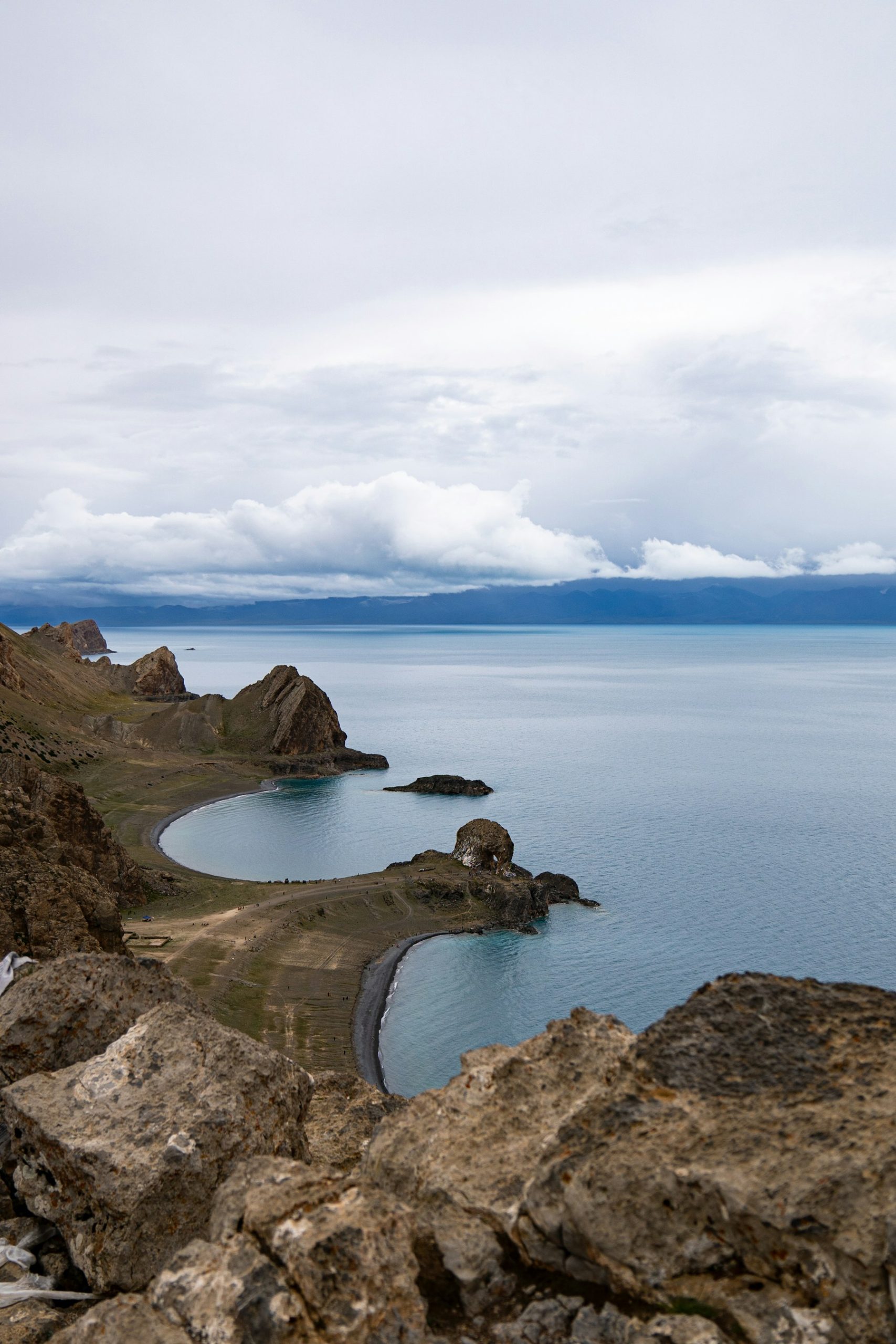
Namtso and Samye lie on different excursions from Lhasa. Ask for the exact lake area and entrance in your proposed route; a photograph labelled Namtso does not tell you which shore or visitor arrangement it shows. This outline concerns an arranged visitor outing, not a drive around the whole lake.
A January 2026 operator notice, republished by the Tibet culture and tourism department, describes winter operation at the Tashi Island scenic area and warns of snow, ice and possible shuttle changes. That dated notice is useful for understanding the need for flexibility. Its hours must not be treated as a timetable for every later season or travel date.
Have the receiving team confirm the approach road, scenic-area operation, shuttle arrangements and return timing shortly before departure. Carry suitable warm layers and follow local instructions. Do not walk onto lake ice or treat a frozen surface in a photograph as an approved activity.
A day trip returning to your Lhasa hotel avoids adding a lake-side hotel change to this outline. It does not eliminate the effect of visiting higher ground. If a lake-side night is important to you, discuss the sleeping altitude, actual accommodation, passport reception, heating, toilet facilities and changed travel plan before agreeing to it.
| If the plan changes | A workable response | Settle the cost or scope |
|---|---|---|
| No acceptable train berth | Change the departure, compare an alternative official rail connection, or consider a flight. | Separate ticket changes from changes to Tibet approval, hotel and pickup. |
| Samye is not included in the approved arrangements | Keep the Lhasa stay or request a properly revised cultural route. | Do not replace it with an unarranged private driver or an assumed public bus. |
| Lake road or shuttle disruption | Use the flexible Lhasa day or omit Namtso. | Agree whether transfers, tickets and guide days are refundable or replaceable. |
| Someone feels unwell | Stop the excursion plan and obtain appropriate medical help. | Know the assistance contact and your insurance terms; do not use sightseeing targets to decide whether to continue. |
Pack and request services around the actual journey
Keep your original travel document, the required Tibet documents, essential medication and a small overnight kit accessible on the train. Put valuables where you can supervise them. If you need a lower berth, assistance with stairs or help carrying luggage, request it before booking rather than assuming a particular berth will be assigned.
Agree the station meeting point, contact method and what to do if the arrival time changes. For the ground days, ask whether your proposal includes a driver, a separate guide, the required guiding language, entrance arrangements and scenic transport. A vehicle price does not automatically include all of those services.
For Muslim travellers, share your food requirements, the distinction between halal meat and a vegetarian alternative, and the need for prayer breaks. Confirm practical meal options for the train and excursion days, and ask about room arrangements for prayer. Do not assume every station meal or scenic stop has an appropriate restaurant.
Use the existing Lhasa and Namtso group itinerary to compare a different trip structure, and the G317 versus G318 guide if you are considering arriving by road. Those pages do not establish that the Chengdu train and Samye extension are included in the same product.
Use Plan My Trip to send Vero Trip your proposed month and dates, party size and passports held, Chengdu arrival arrangements, preferred train category, the number of nights available after Lhasa arrival, and your priorities for Samye and Namtso. Include mobility, dietary and luggage requirements. Ask for an itinerary-specific proposal showing the receiving arrangements, document process, inclusions, exclusions and change terms before committing to the full journey.
For the rules and context behind these choices, consult the Shannan guidance on Tibet documents, the Samye Monastery introduction, the January 2026 Namtso operator notice and CDC altitude-travel guidance. Check the conditions for your actual dates with the responsible receiving team.
For the wider choice between a city stay, an Everest visitor journey and a future pilgrimage, use the Tibet trip-planning comparison. It explains the current Kailash closure and keeps the remote route and document decisions separate from this Chengdu–Lhasa railway, Samye and Namtso plan.
A sleeper berth is travel time and a sleeping environment
Choose the train because you want the rail journey and can allow for it. Think about shared space, interrupted sleep, access to washrooms and keeping a small bag beside your berth. A long overnight service may remove a hotel night from the invoice while leaving you tired on arrival. That does not make the journey a poor choice; it means the first Lhasa day should not depend on arriving fully rested.
One independent rail diary described a transfer between different Xi’an stations. The useful lesson is the full station name, not that particular detour. When comparing a Chengdu departure with a connection elsewhere, check each ticket’s station, date, local transfer and luggage movement separately. Ask whether the reservation is issued or merely requested. China Railway’s passport ticketing process and the separate Tibet-document arrangements both need to be satisfied.
| Stage | Keep accessible | Confirm before travelling |
|---|---|---|
| Before boarding | Original booking ID, required Tibet documents, ticket details | Exact station, departure date and document format |
| During the journey | Small toiletries kit, warm layer, snacks, water and personal essentials | Berth class, baggage rules and charging arrangements |
| Arrival in Lhasa | Hotel details and agreed meeting instructions | Pickup point and response to a late train |
| First hotel night | Overnight bag without a full repack | Check-in timing, room access and a nearby meal |
Give Samye an actual cultural visit
The difference between a worthwhile Samye visit and a rushed one often occurs outside the main building. Parking access, walking to the entrance, meeting the guide, using the toilet and returning to the correct vehicle all consume time. Have the organiser distinguish the complete stop from time available for interpretation. A recent domestic shuttle diary specifically regretted insufficient time at temples and a museum, and substituted snacks for a proper lunch.
For your own approved outing, decide whether the day is mainly Samye or a broader Yarlung Valley introduction. If you add other sites, ask how much walking and explanation each receives. The attractive phrase “three historic firsts” should not substitute for this calculation. A traveller who likes architecture may prefer fewer sites and a real lunch over another brief check-in.
Keep Namtso independent of the Samye day
Samye and Namtso serve different interests and different directions from Lhasa. Do not join their names into a single casual outing. Ask for the exact Namtso visitor area, current access and the total return journey. North-shore photographs should not be used to sell an unnamed southern-shore stop, and lake admission should not be confused with access to every developed or remote shore.
Protect the following day as well as the lake day. In one two-lake diary, a very late return affected the next morning’s departure and energy. It is better to decide in advance whether another excursion can move or be omitted than to discover this after a night of poor sleep. A change must remain within the authorised foreign-visitor arrangements.
Choose what the rail experience replaces
If you have a fixed holiday length, the train must take time from somewhere. Compare removing a second remote excursion, reducing time in the departure city or extending the holiday. Avoid treating the first tired afternoon and last departure morning as replacements for full sightseeing days. Write the railway dates and hotel nights on the same calendar before committing.
Onboard oxygen is not proof of acclimatisation, and feeling comfortable while seated is not permission for a strenuous arrival-day walk. Tell the guide about symptoms early. Keep the arrival programme adjustable, arrange medical advice before travel where relevant, and use the wider altitude guidance to decide whether a regional outing should proceed.
Continue planning this journey
Use our Tibet route-planning guide to place this topic within the whole trip. The railway, Samye and Namtso planning guide explains how arrival and separate outings fit together.
Compare 4-day Lhasa city tour, 5-day Lhasa and Namtso tour. These are existing route descriptions, not confirmation of a departure, present access or every optional stop discussed above. Ask for the exact permitted programme, accommodation, guiding language and itemised services for your dates.
Sources and research notes
Reviewed 29 October 2026. Practical perspectives were compared with original Xiaohongshu note bodies and initially visible comments: 西藏|纳木措&羊卓雍措攻略; 南宁出发一个人去拉萨; 174元 冬游西藏第二天. These individual experiences mainly concern domestic travellers; they are not evidence of foreign-visitor eligibility, present prices or medical safety.
China regional risks: Tibet; CDC Yellow Book: High-Altitude Travel and Altitude Illness; China Railway 12306 English FAQ. Confirm operating notices and passport arrangements for the actual travel date.