
HOTEL OPTIONS
Places to stay
Explore our Yunnan hotel collection and discuss the location, room style and comfort you prefer.
View hotel examples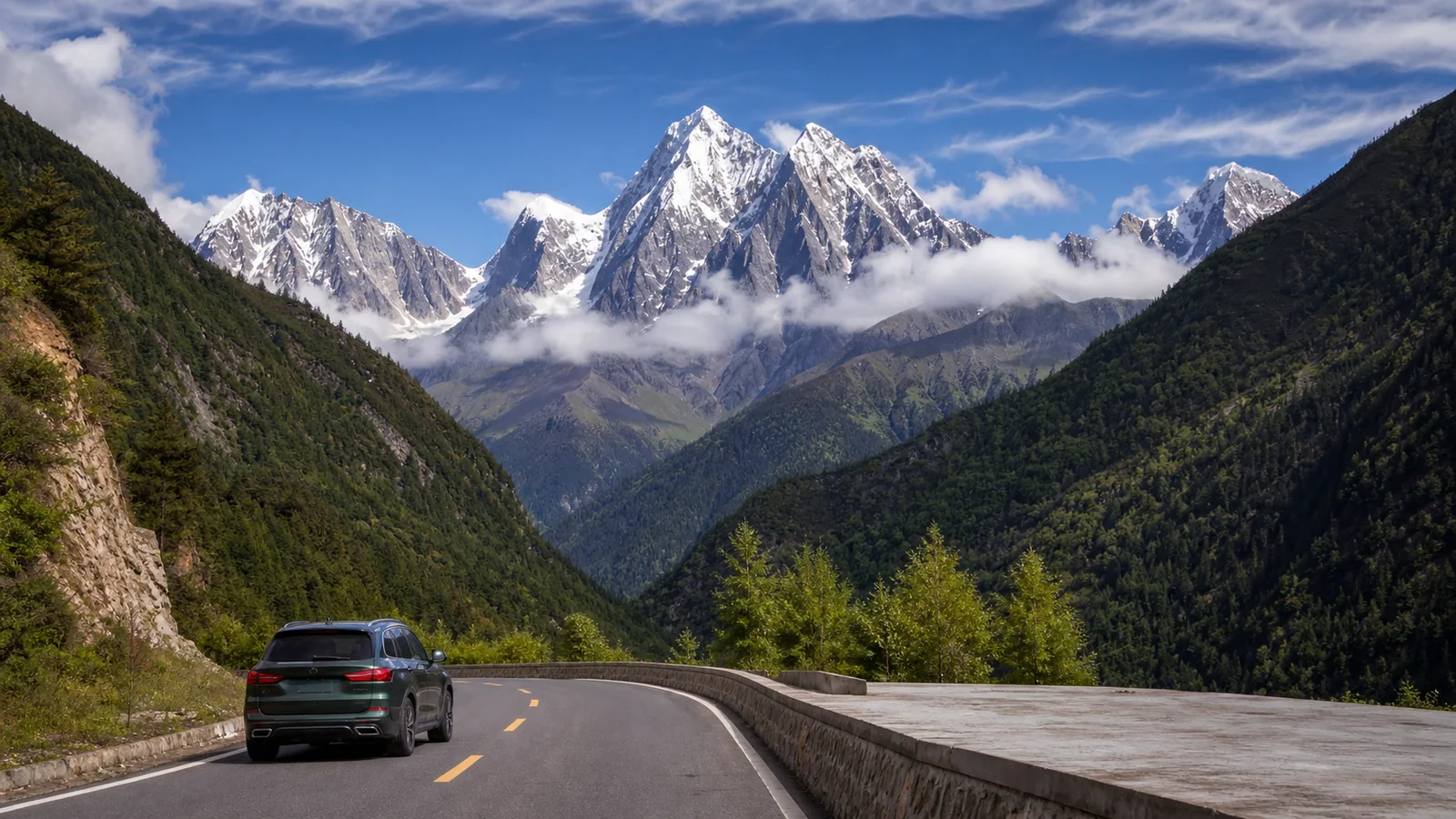
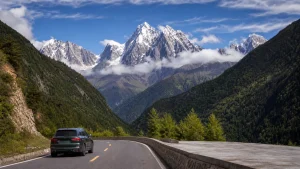
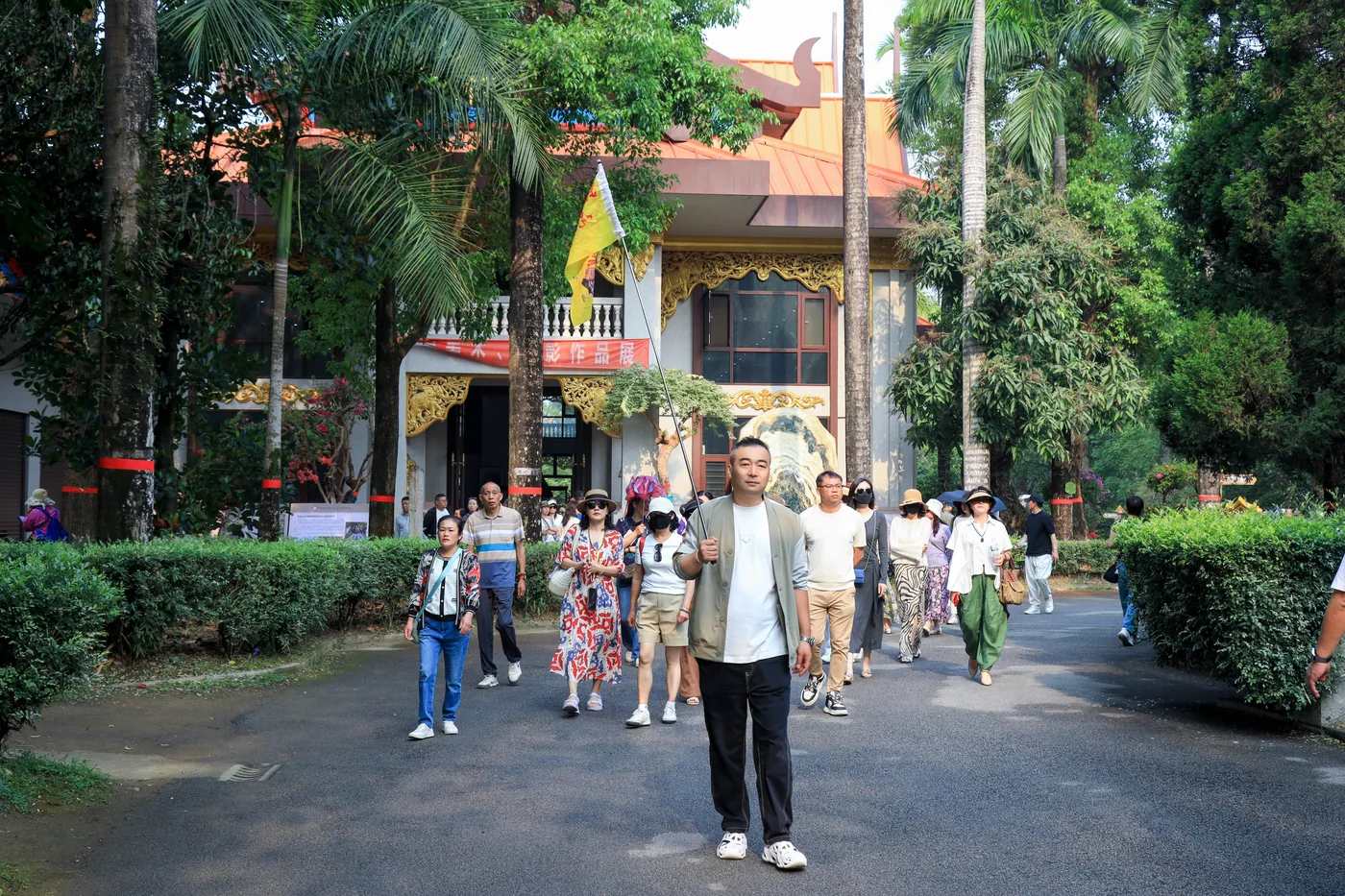
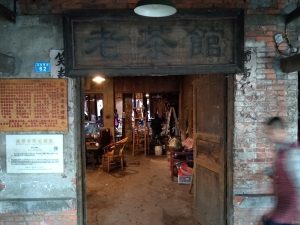
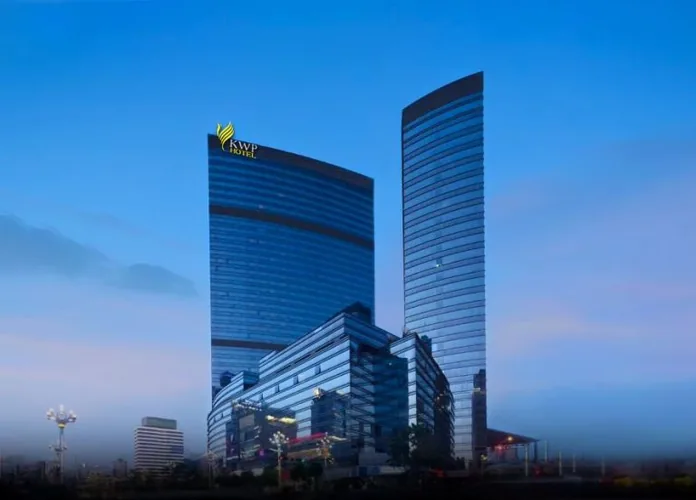
Use these views to compare the settings on the route. Illustrative images are identified in their individual notes. Your confirmed itinerary sets out guiding, visits and included activities.
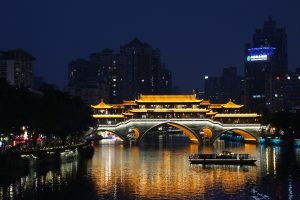
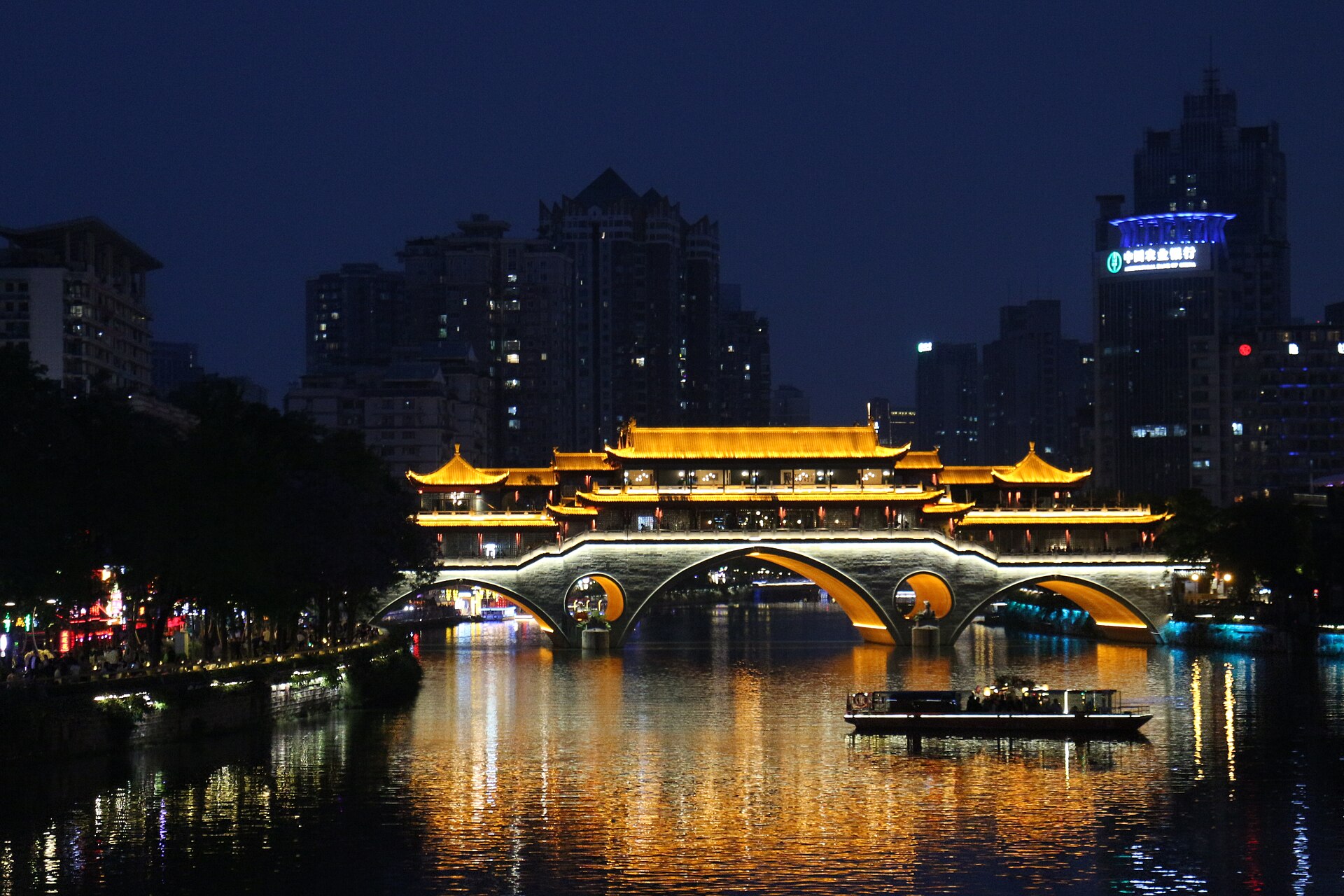
Anshun Bridge across the Jin River in Chengdu at night.
A serious mountain road trip for repeat China (中国) travellers who want Tibetan communities, high passes and the landscapes between western Sichuan (川西) and northwest Yunnan (滇西北)—not a rushed checklist of famous sights.
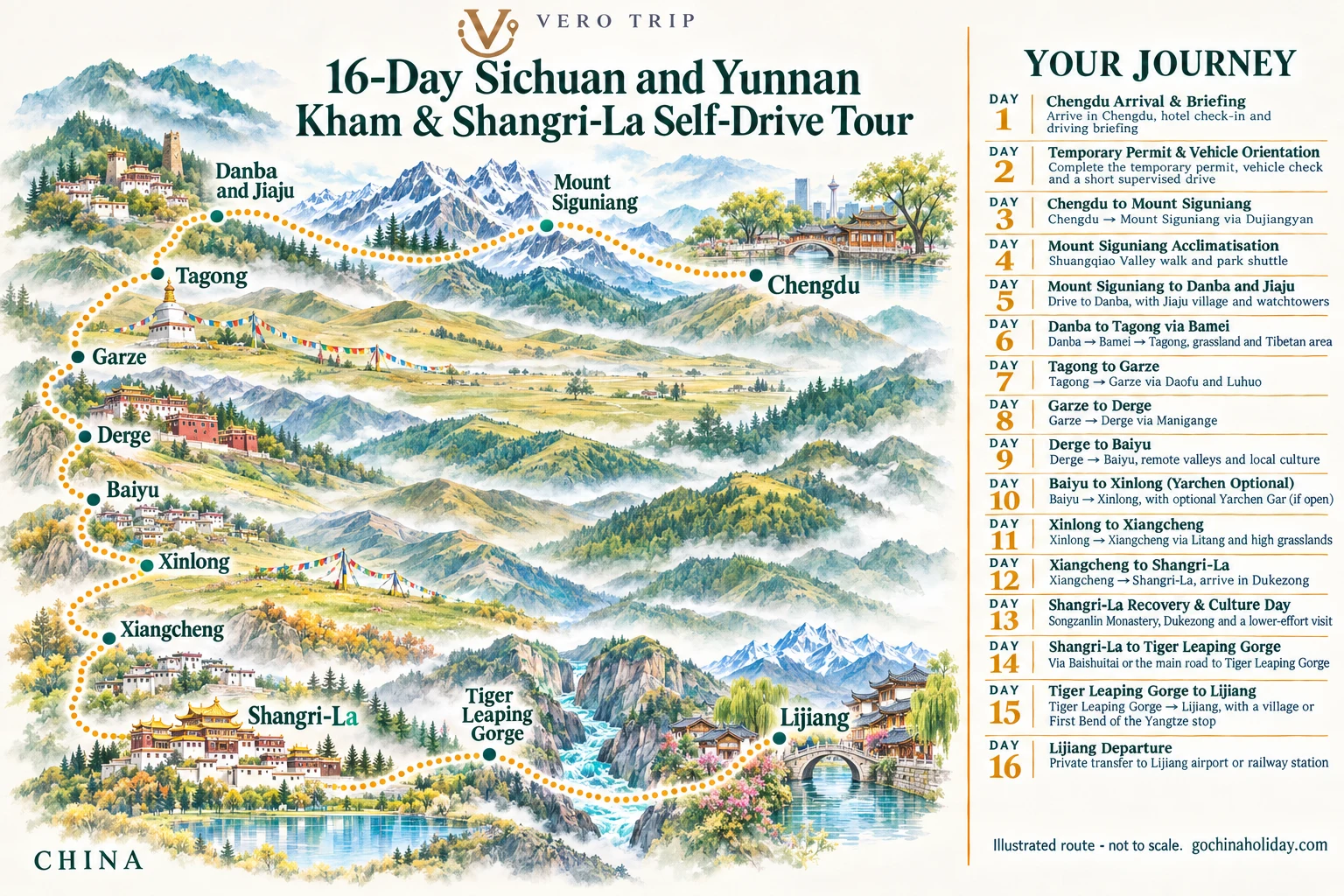
This itinerary starts in Chengdu and finishes in Lijiang. Arrive in the starting city separately. If you need a locally arranged rental car, confirm its availability, driving requirements, insurance and collection/return terms in your quotation. Bringing a foreign-registered vehicle through an international border is a separate enquiry and is not included in this route outline.
A foreign licence or an International Driving Permit on its own does not authorise driving in mainland China (中国大陆). Eligible visitors must obtain the locally issued Chinese temporary driving permit before taking the wheel. Permit handling, rental eligibility, road access and the final overnight plan are reconfirmed for your passport, licence, travel dates and chosen vehicle before any non-refundable booking is made.
Confident drivers who are comfortable with long mountain days, changing weather and simple accommodation in remote counties. A local-driver version is available for companions who want the landscape without the driving load. Some old road-trip descriptions still promise unpaved high passes or monastery access that may not be open to foreign visitors on every date. We use the legally open road and sight line confirmed shortly before departure, and keep a realistic lower-risk alternative.
Choose between supported self-drive and a private professional-driver version. The final proposal names the vehicle class, number of seats after luggage, insurance scope, deposit, mileage policy, tolls, fuel, one-way fee, roadside support and the person responsible for each remote sector. We do not hide those decisions behind “vehicle included”.
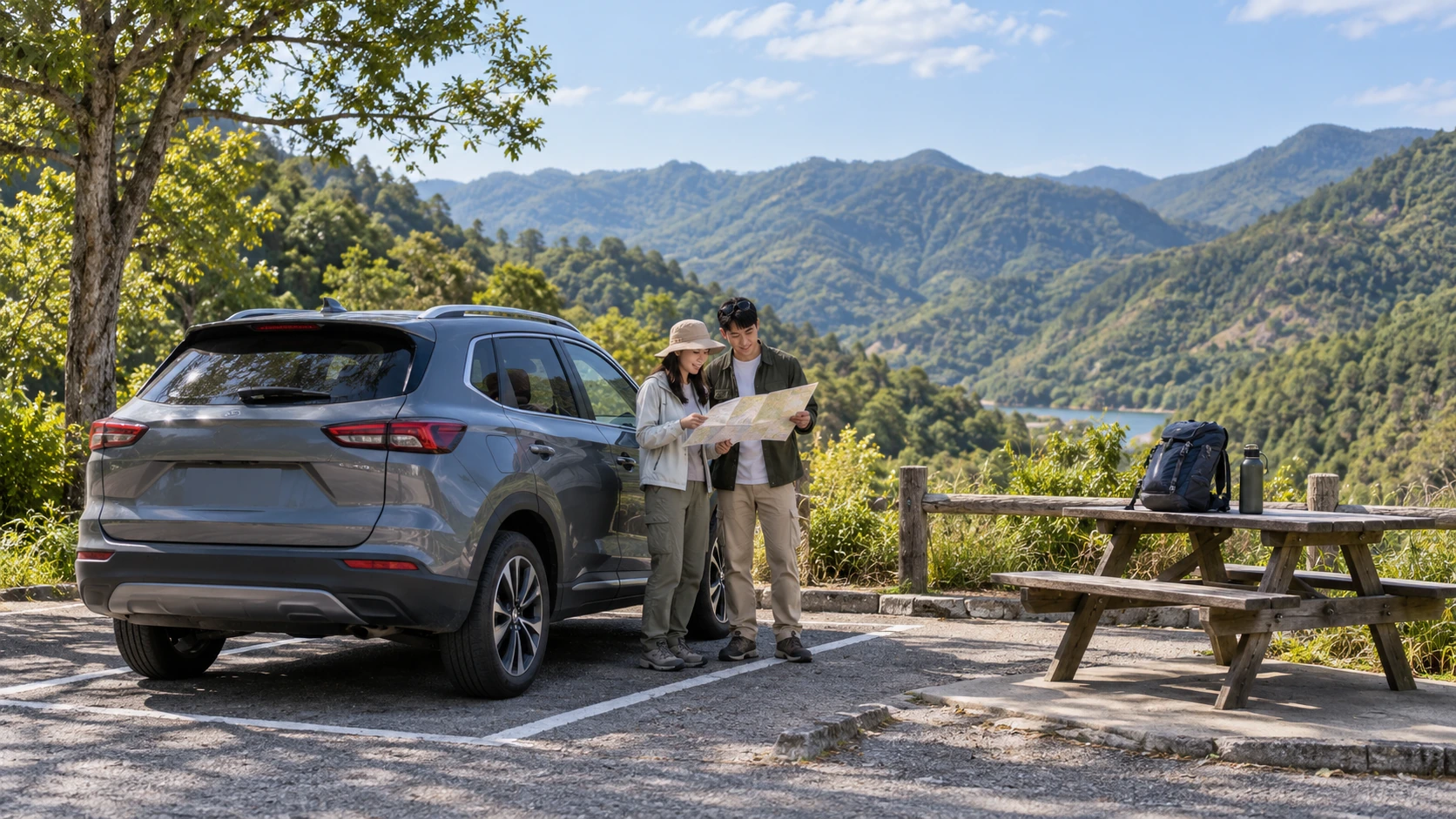
Late May to October is normally the most workable window. Summer rain can trigger temporary closures; shoulder-season snow can affect high passes. The route is never confirmed from a generic annual calendar alone. Daily distances are planning estimates, not promises of arrival time. Road works, weather, queues, park reservations and hotel access can change the operating route.
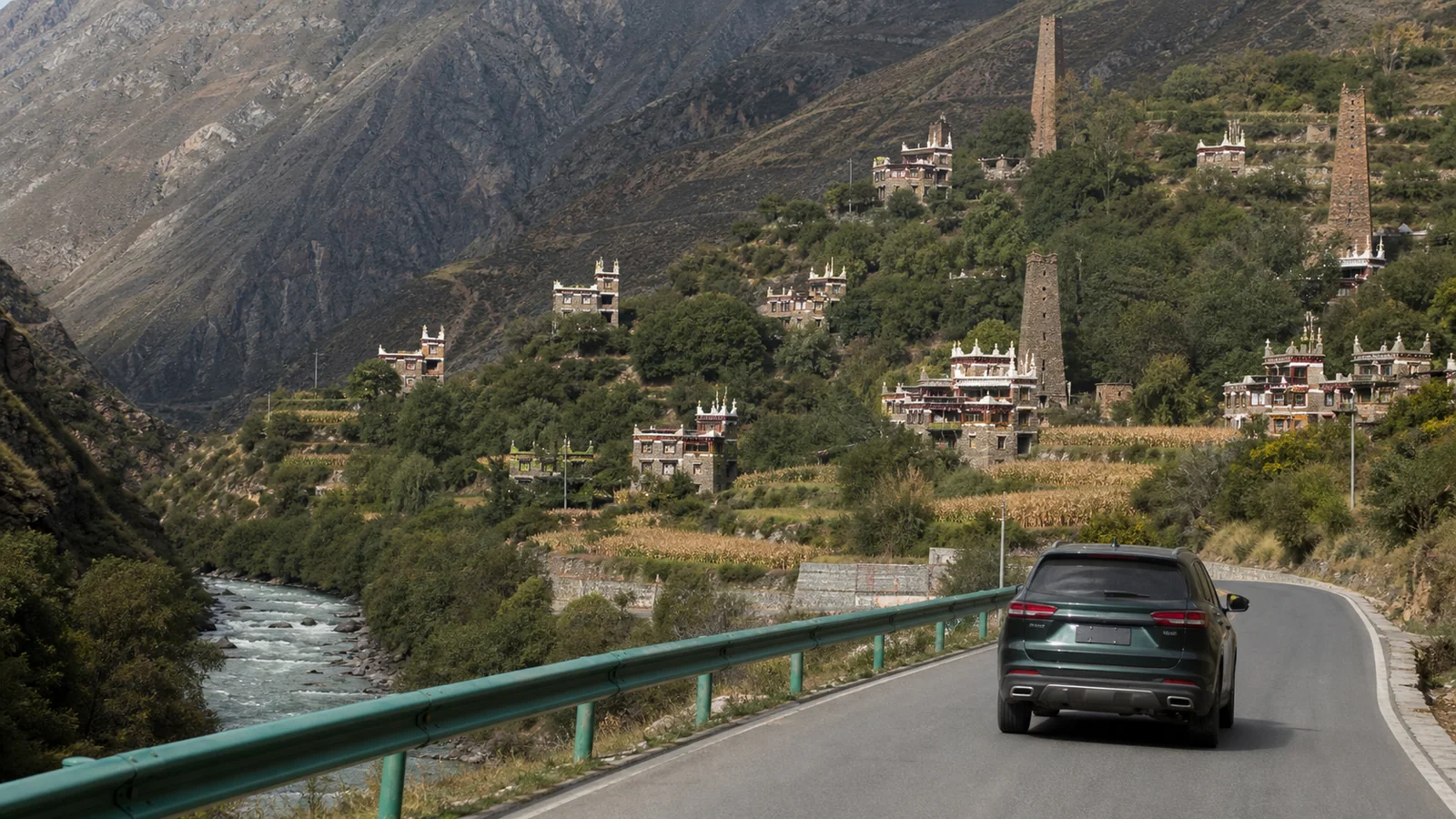
Self-drive works best for guests who are comfortable reading traffic situations through a bilingual navigation setup, sharing driving and accepting local parking and toll routines. Choose the professional-driver version if you want every traveller to enjoy the scenery, if only one person is confident behind the wheel, or if the itinerary includes a particularly demanding remote sector. A mixed solution is also possible.
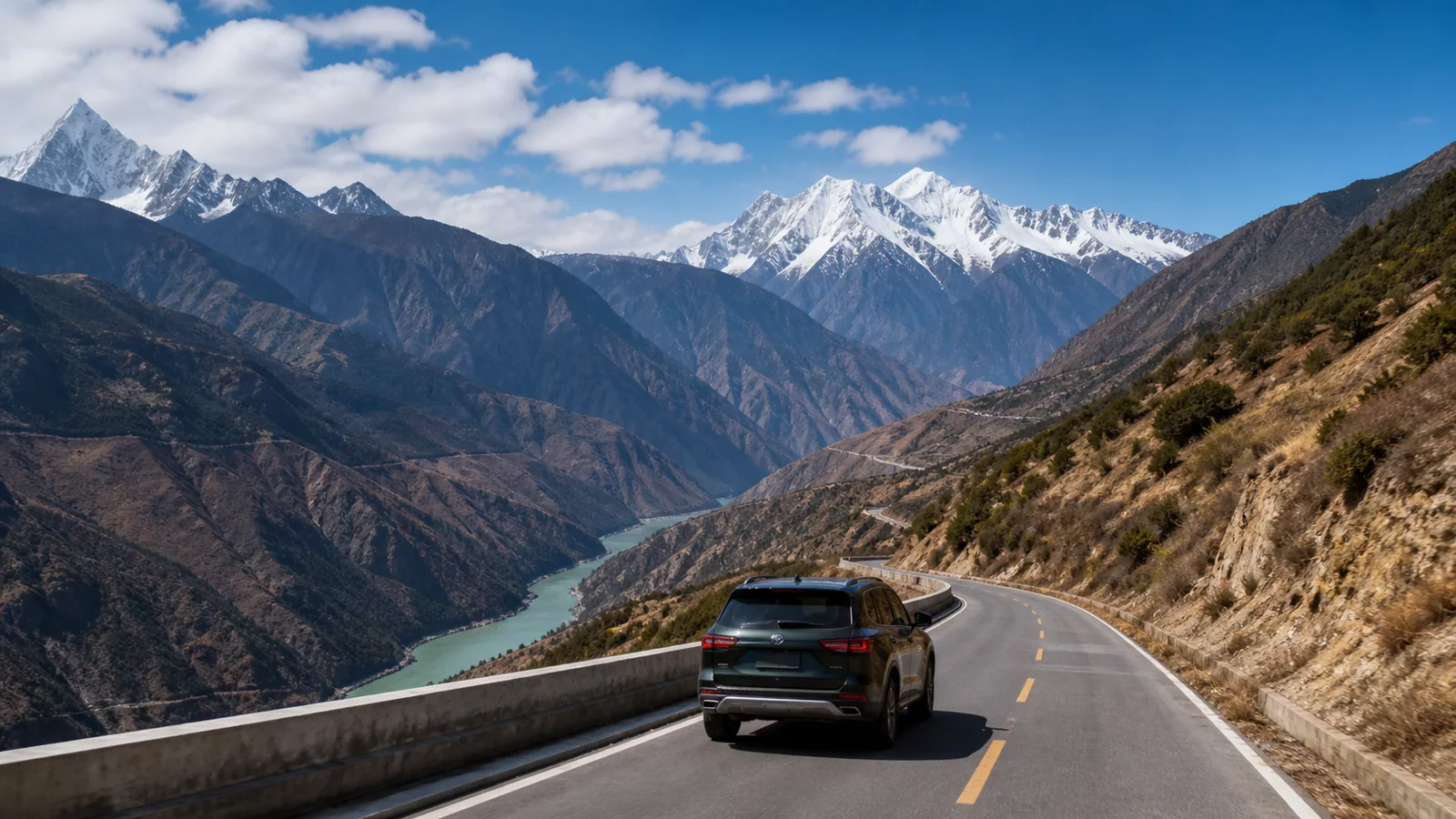
Compare this route with our Self-Drive Tours collection or start with China Private Tours
if you prefer a local driver. Tell us your passport nationality, licence-issuing country, number of drivers, luggage, preferred hotel level, tolerance for long driving days, altitude history and any dietary or mobility needs. We will answer with a date-specific feasibility plan before asking for a deposit.
Operational note: laws and local implementation can change. The information on this page is trip-planning guidance, not a substitute for instructions issued by the relevant traffic, park or border authorities.
Exact distances, road times, stops and hotels are confirmed in the dated proposal.
Meet your airport or railway pickup and settle into Chengdu. A private briefing introduces the driving rules, navigation, insurance and the altitude profile of the journey ahead.
Have your passport and original overseas licence ready for the document check. No long drive follows an international arrival; use this low-altitude night to rest.
Overnight in Chengdu.
Complete the locally required temporary driving-permit steps before collecting the car. During handover, check the tyres, spare, controls, child seats and space for everyone’s luggage.
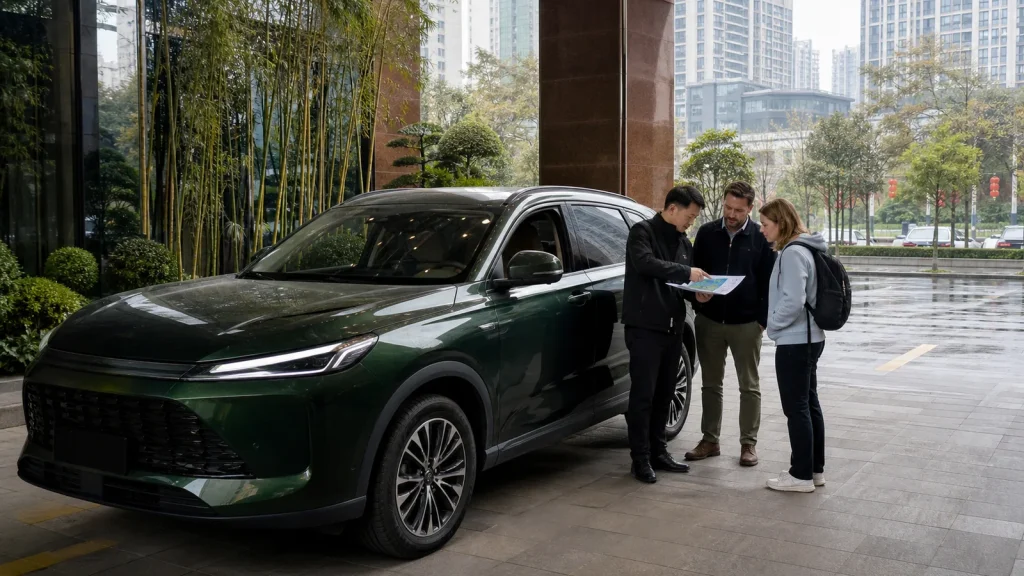
Practise the navigation and toll-payment arrangements and save the emergency contacts. A short supervised city drive is included if time allows. The drive begins only after the permit and rental handover are complete.
Overnight in Chengdu.
Leave Chengdu through Dujiangyan and continue towards Rilong/Changpinggou in the Mount Siguniang area, approximately 200 km. The city expressways give way to deep valleys and high peaks as you leave the Sichuan Basin.
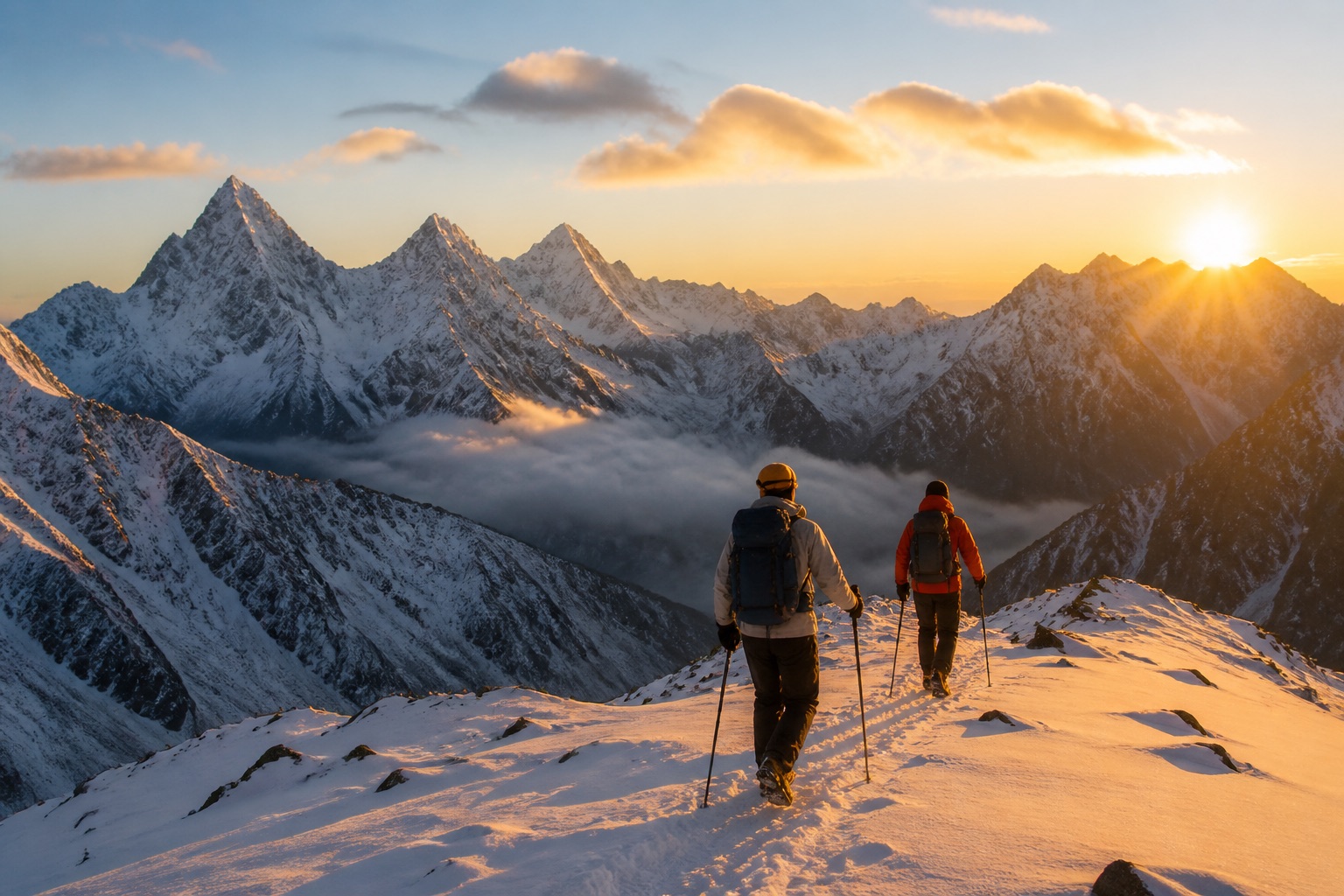
Break the journey for frequent hydration stops and keep the arrival out of the late evening. This is the first mountain stage, with time to settle in rather than add a demanding outing.
Overnight in the Mount Siguniang area.
Leave the car behind for Shuangqiao Valley. Use the park shuttle and an easy walk to enjoy the valley scenery without adding another driving day.
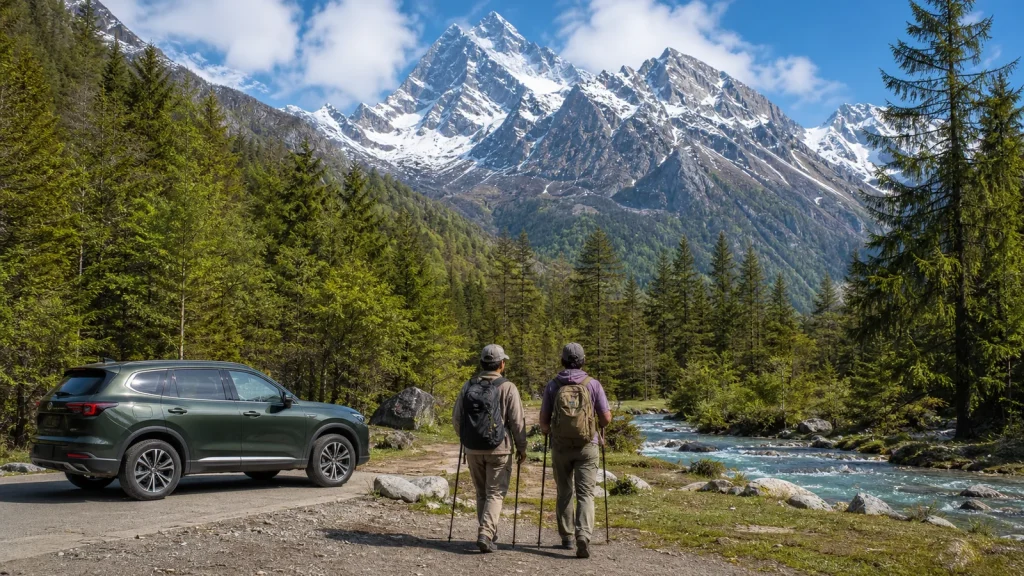
The walking distance follows the weather and your energy. Cable or shuttle arrangements and park-opening notices are checked in advance. The day’s purpose is scenery and acclimatisation, rather than covering the longest possible trail.
Overnight in the Mount Siguniang area.
Follow the Xiaojin valley to Danba, roughly 115 km, with time for watchtowers and a village viewpoint around Jiaju. Allow the stops to shape the day: local traffic and photography make short mileage quite different from a quick transfer.
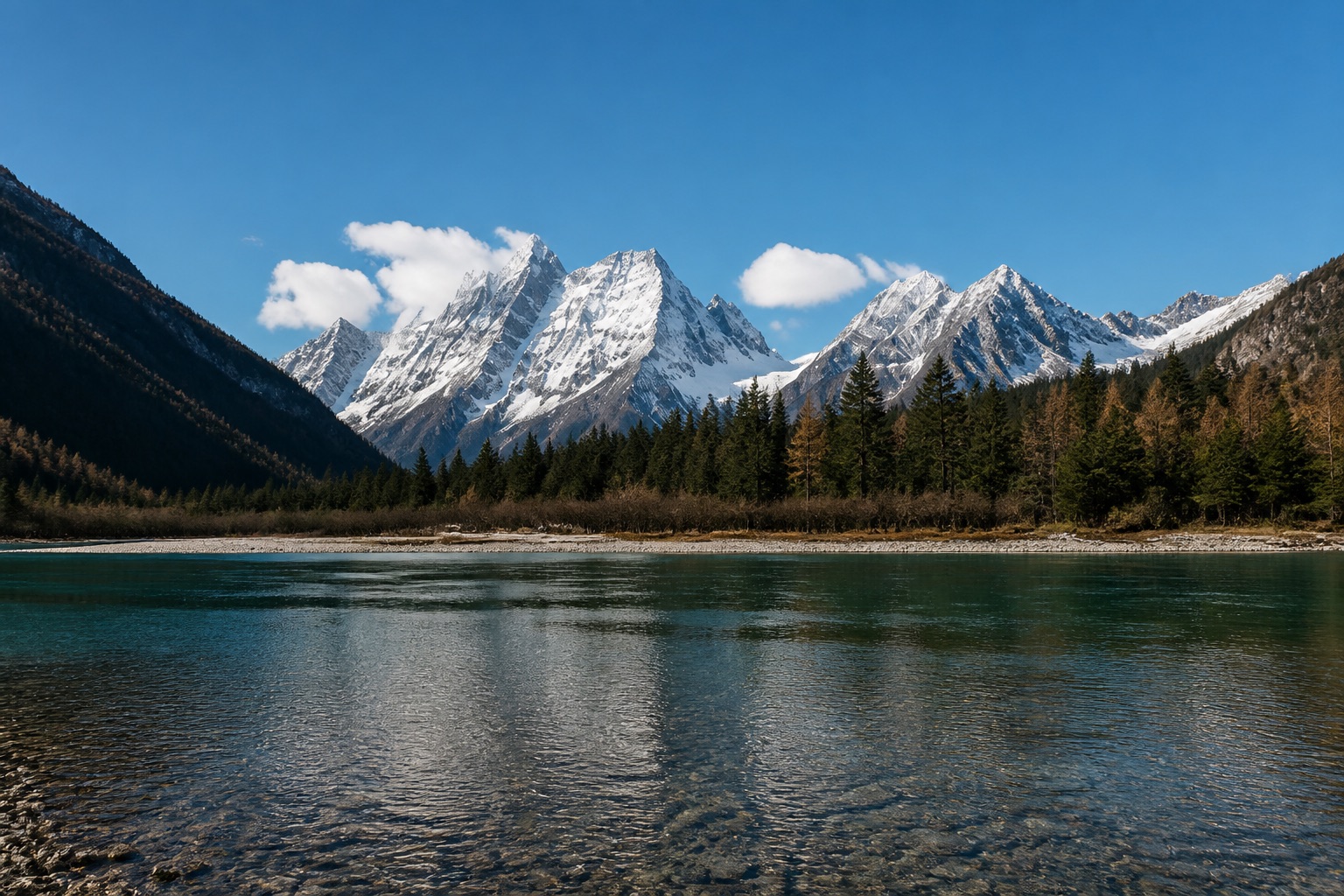
The village accommodation is chosen for access and comfort rather than simply the highest panorama.
Overnight in the Danba/Jiaju area.
Continue about 120 km through Bamei to Tagong. The route opens into broad grassland and Tibetan farming country, with a stop at a viewpoint that is open to visitors.
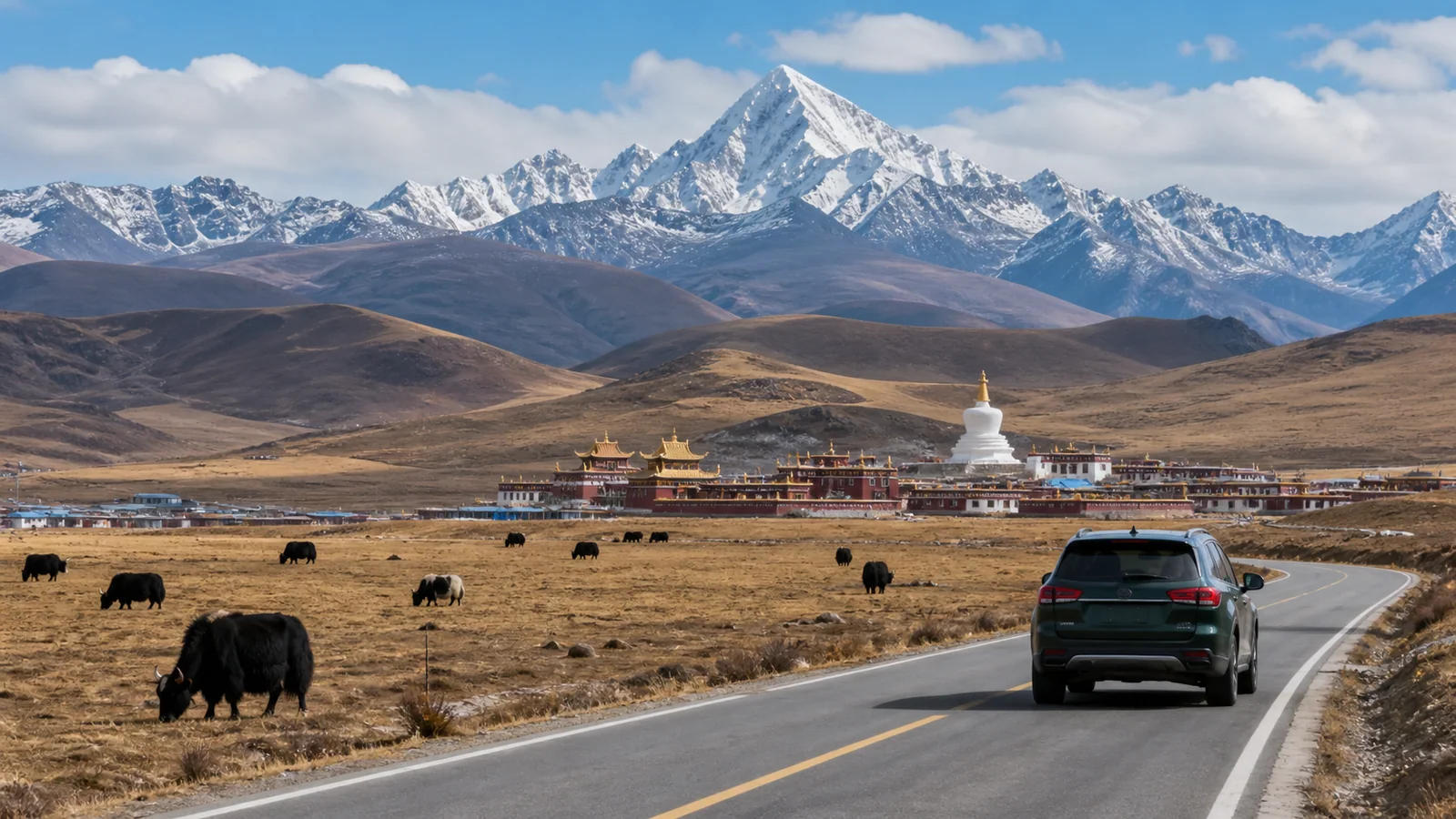
Give the communities their space and ask before photographing people. Your guide explains monastery etiquette and the local restrictions affecting any visit.
Overnight in Tagong.
Drive through Daofu and Luhuo to Garze, a longer mountain stage of about 260–280 km. Plan lunch and fuel before the quieter stretches so that breaks remain part of the day.
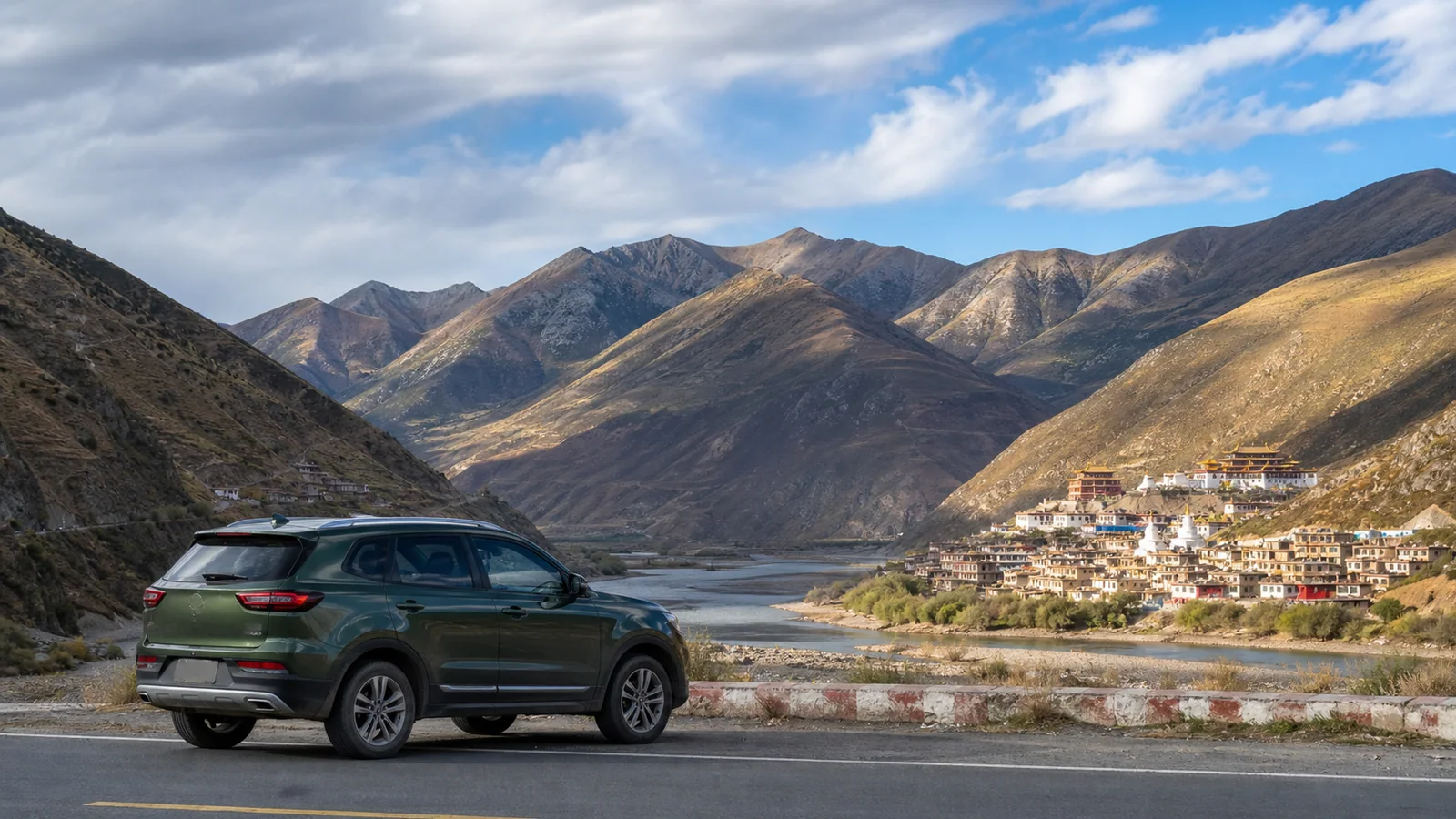
Share the driving where possible and reach the overnight base before dark. Non-driving companions can travel in the support vehicle.
Overnight in Garze.
Head west through Manigange towards Derge on the confirmed highway alignment. The journey follows the road available for your dates; an old description of a gravel pass does not establish today’s route.
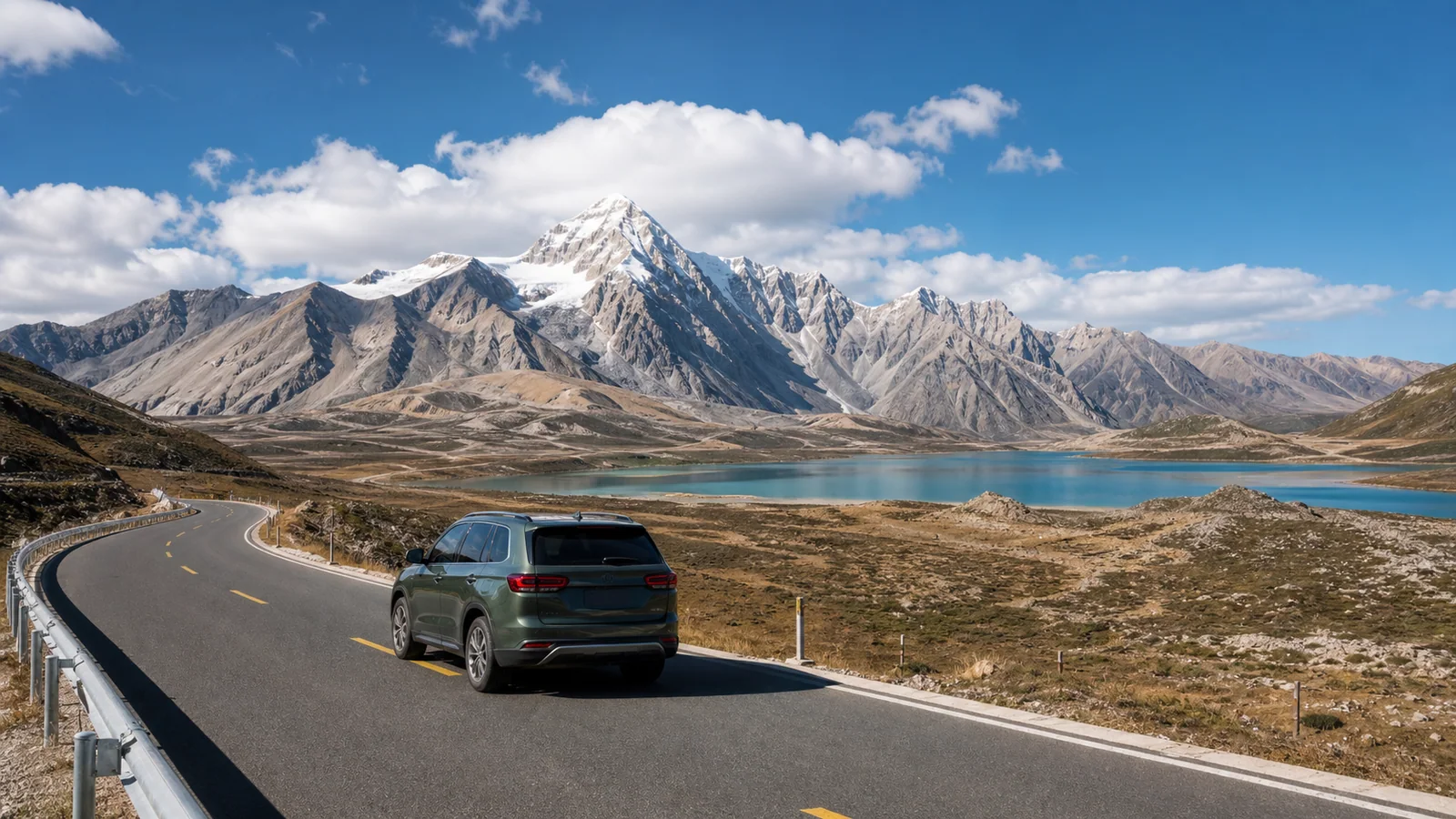
Derge’s historic printing house is a possible cultural focus, with the visit arranged only when access and opening hours are confirmed.
Overnight in Derge.
Follow the remote valleys from Derge to Baiyu. A comparatively short road stage leaves room for road works and the cultural visits possible on the day.
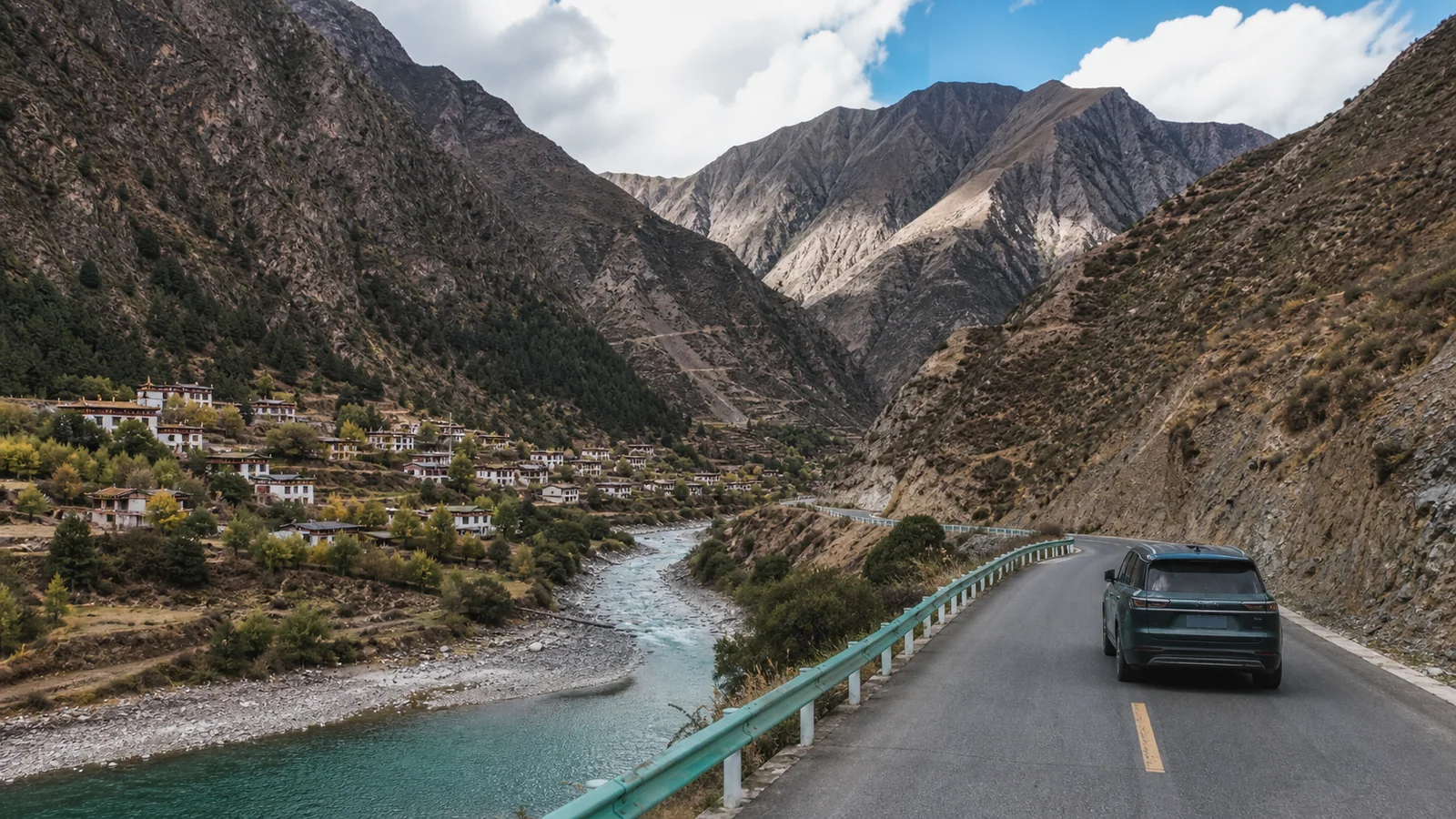
Expect simpler accommodation here. Private bathrooms, heating and reliable check-in are priorities wherever possible, and acceptance of the listed foreign guests is reconfirmed.
Overnight in Baiyu.
Travel towards Xinlong on the legally open route. The valley journey remains the day’s backbone, with a scenic alternative prepared if the proposed detour cannot operate.
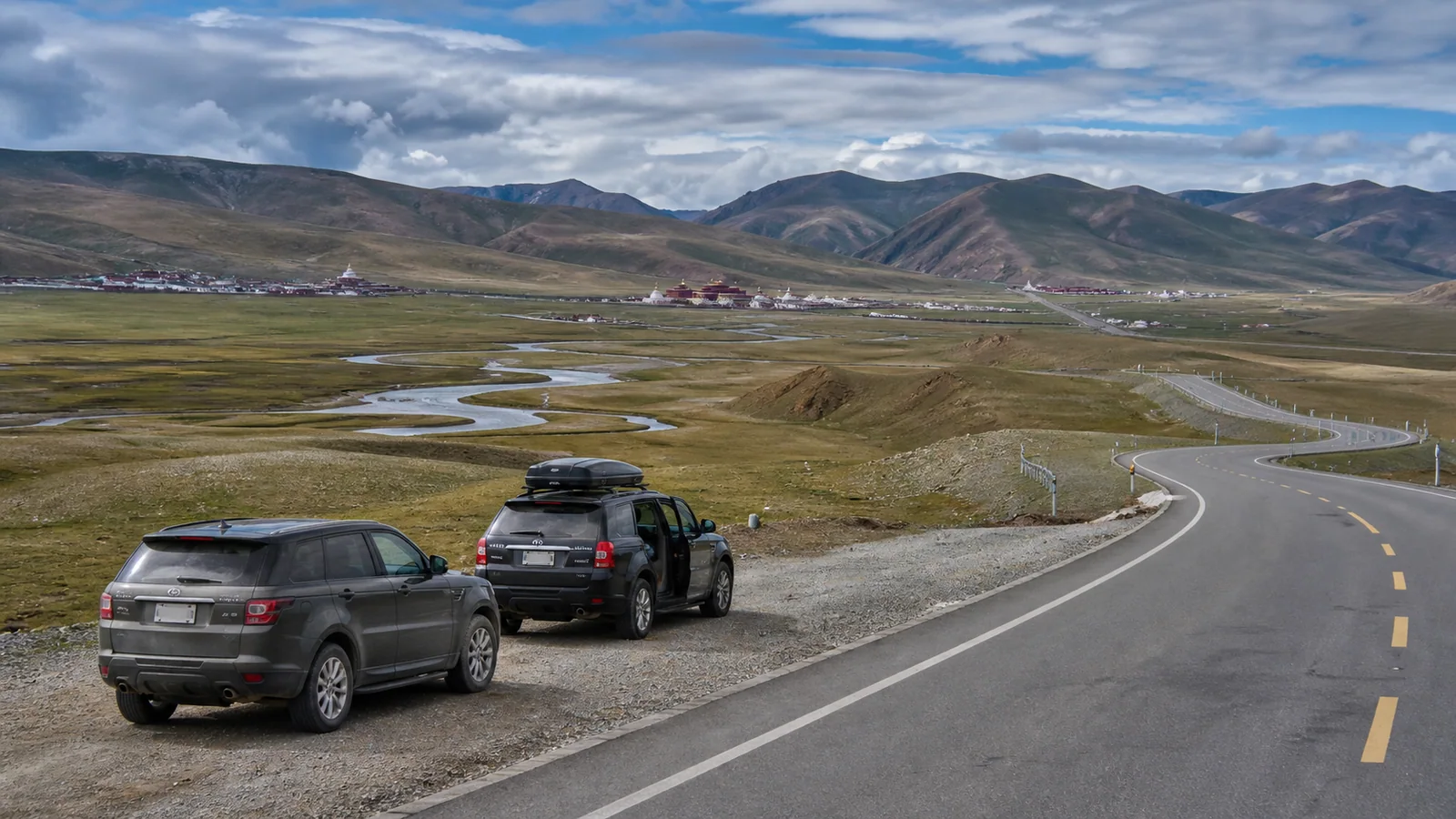
Yarchen Gar is included only if current foreign-visitor access, road conditions and timing are explicitly confirmed. The decision is made before departure and checked again locally, rather than attempted at the end of a long drive.
Overnight in Xinlong.
Drive south through Litang’s high grasslands towards Xiangcheng. This is one of the longest stages of the route, so an early start, two proper rest stops and a prepared lunch protect the day from becoming a race.
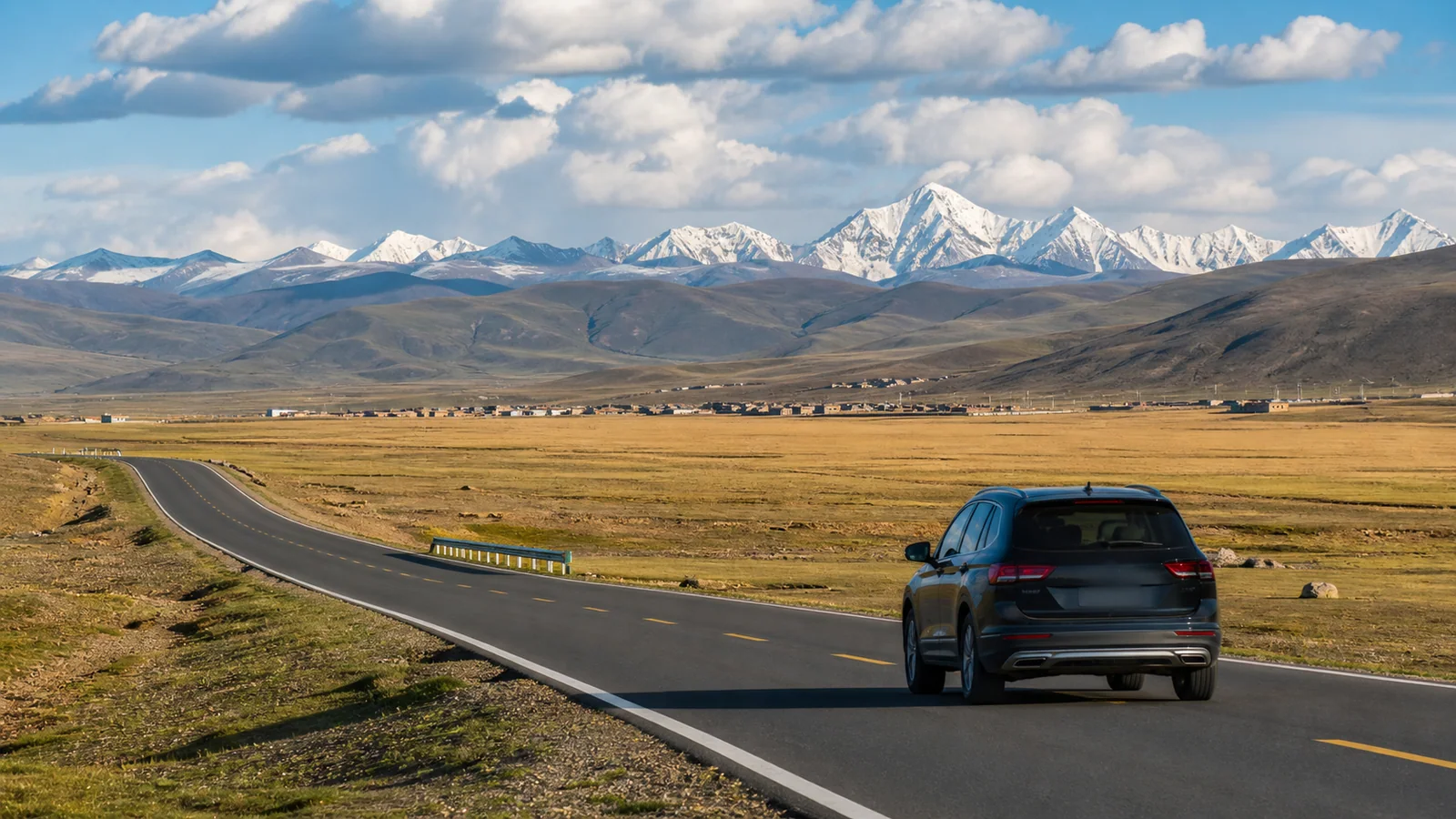
Altitude symptoms are a reason to shorten the day, not to push on.
Overnight in Xiangcheng, subject to any necessary shortening of the stage.
Cross from western Sichuan into Yunnan and Shangri-La by the best open paved route. Construction and summer rain can change the alignment, so a fixed gravel section is not part of the promise.
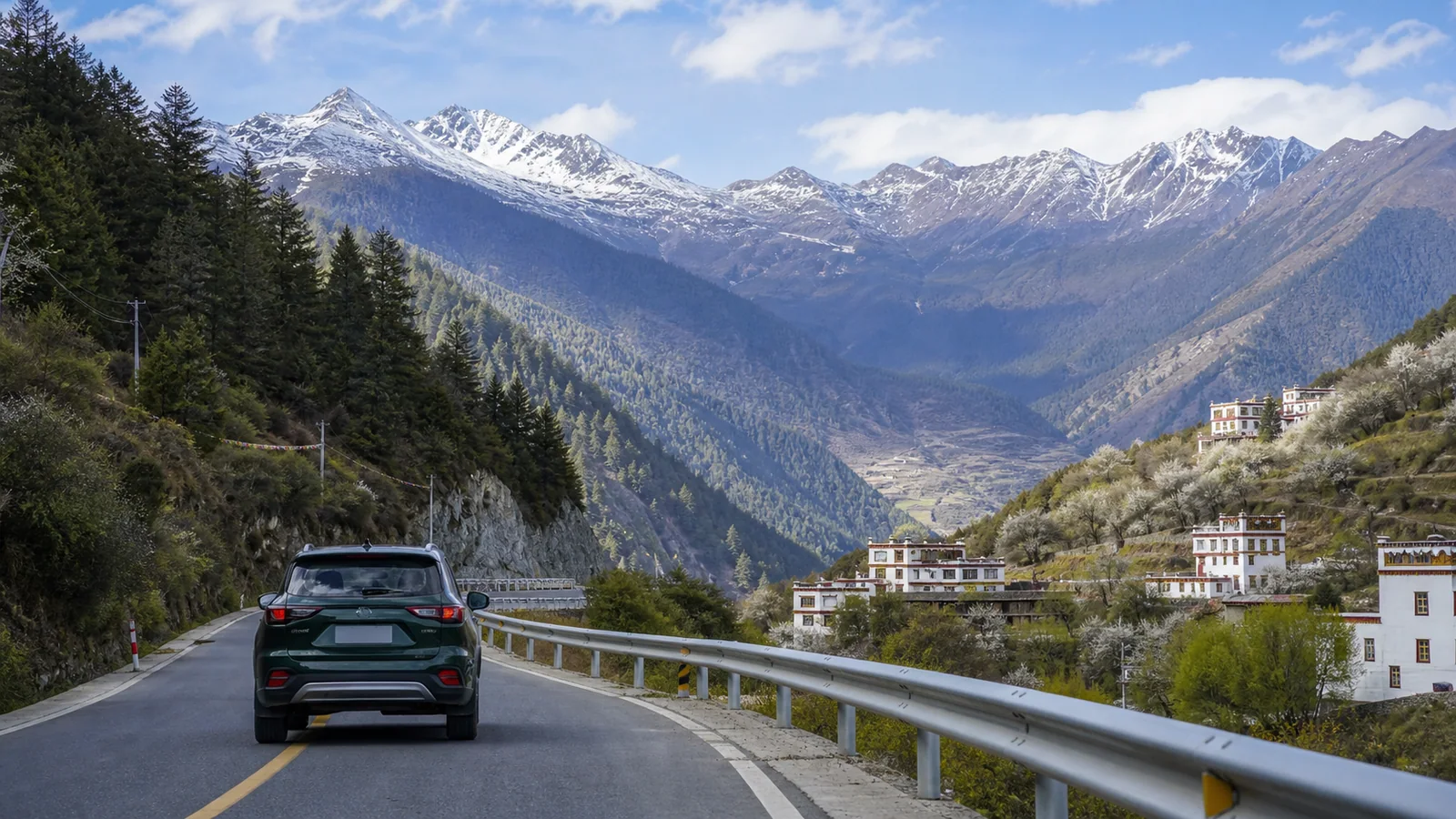
Keep enough daylight for a relaxed arrival and an evening in Dukezong, rather than adding a demanding visit after the drive.
Overnight in Shangri-La.
Park the car for a day in Shangri-La. Choose Songzanlin Monastery, Dukezong and a lower-effort nature visit according to the weather and the group’s energy, giving northwest Yunnan’s Tibetan heritage time beyond a roadside stop.
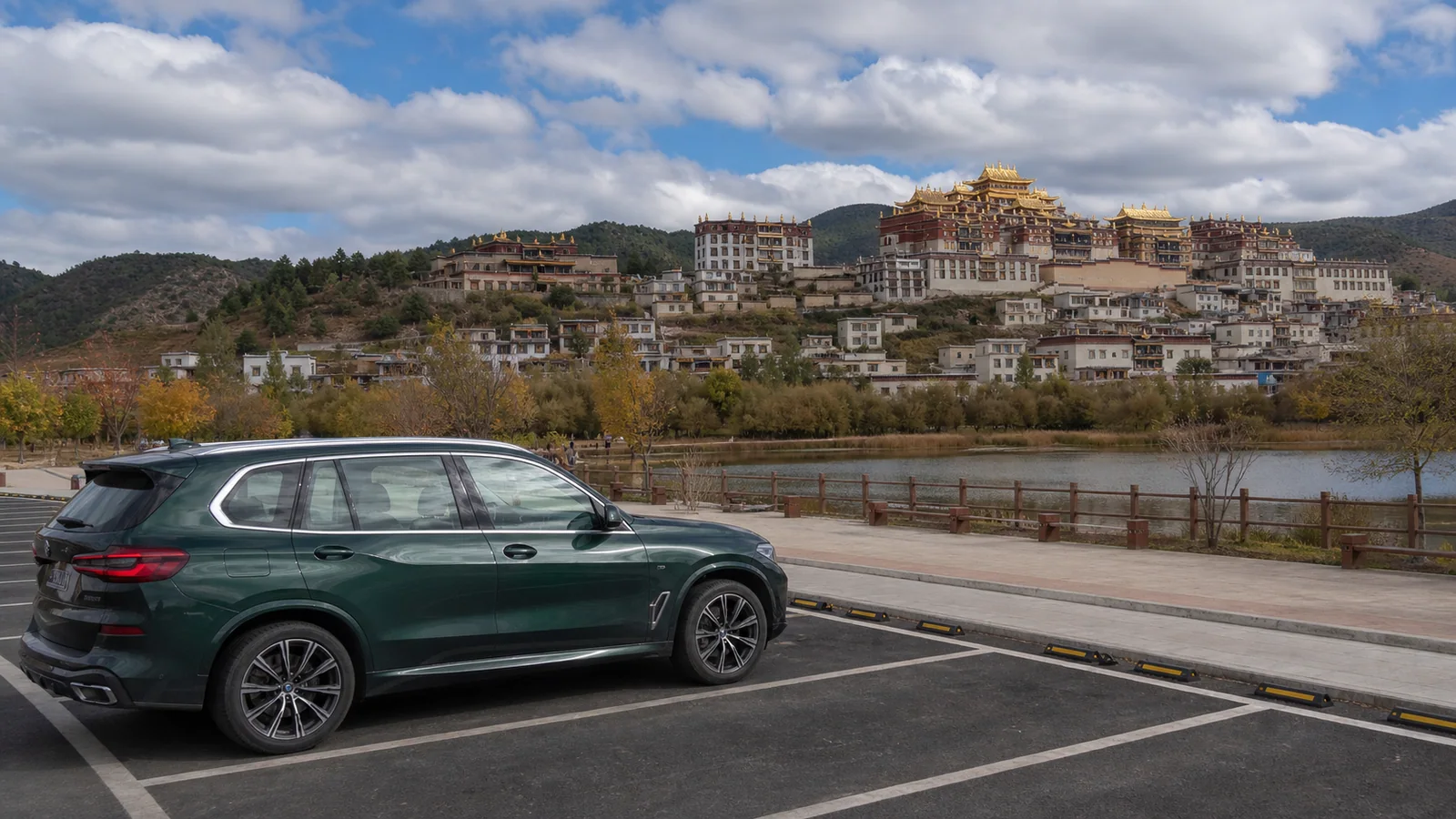
This recovery day also provides room to absorb earlier road changes while retaining the trip’s cultural focus.
Overnight in Shangri-La.
Drive towards Tiger Leaping Gorge, using the Baishuitai route or the faster main road according to the season. Keep the sightseeing in proportion to a driving day.
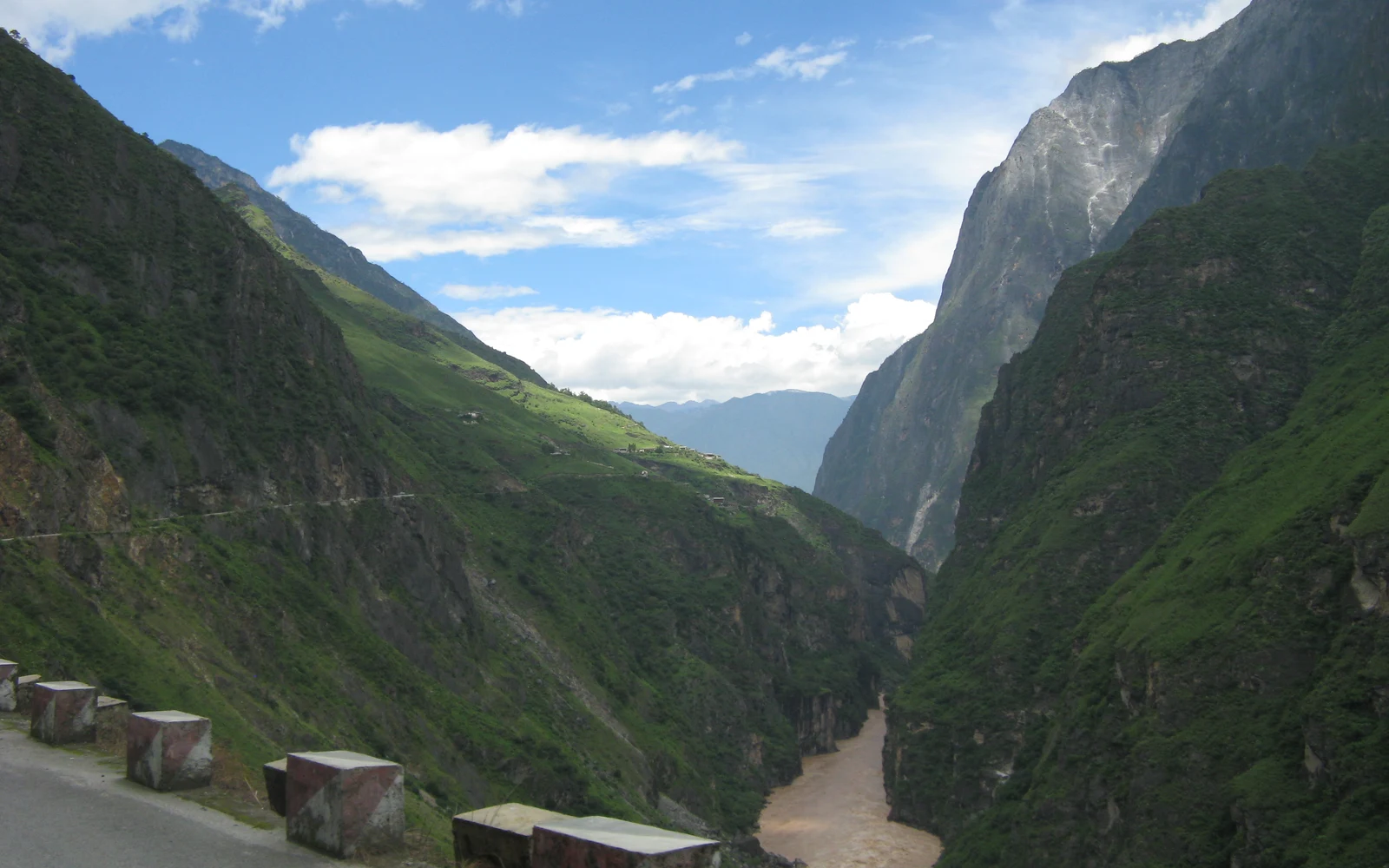
An upper-gorge walk is planned in place of a long trek. Trail closures, landslide risk and transfer logistics are checked the day before; the visit follows the open, authorised area.
Overnight in the Tiger Leaping Gorge area.
Complete the shorter drive to Lijiang, with a village or First Bend of the Yangtze stop along the way. Return the car or finish the supported-driving service before entering the busiest old-town streets.
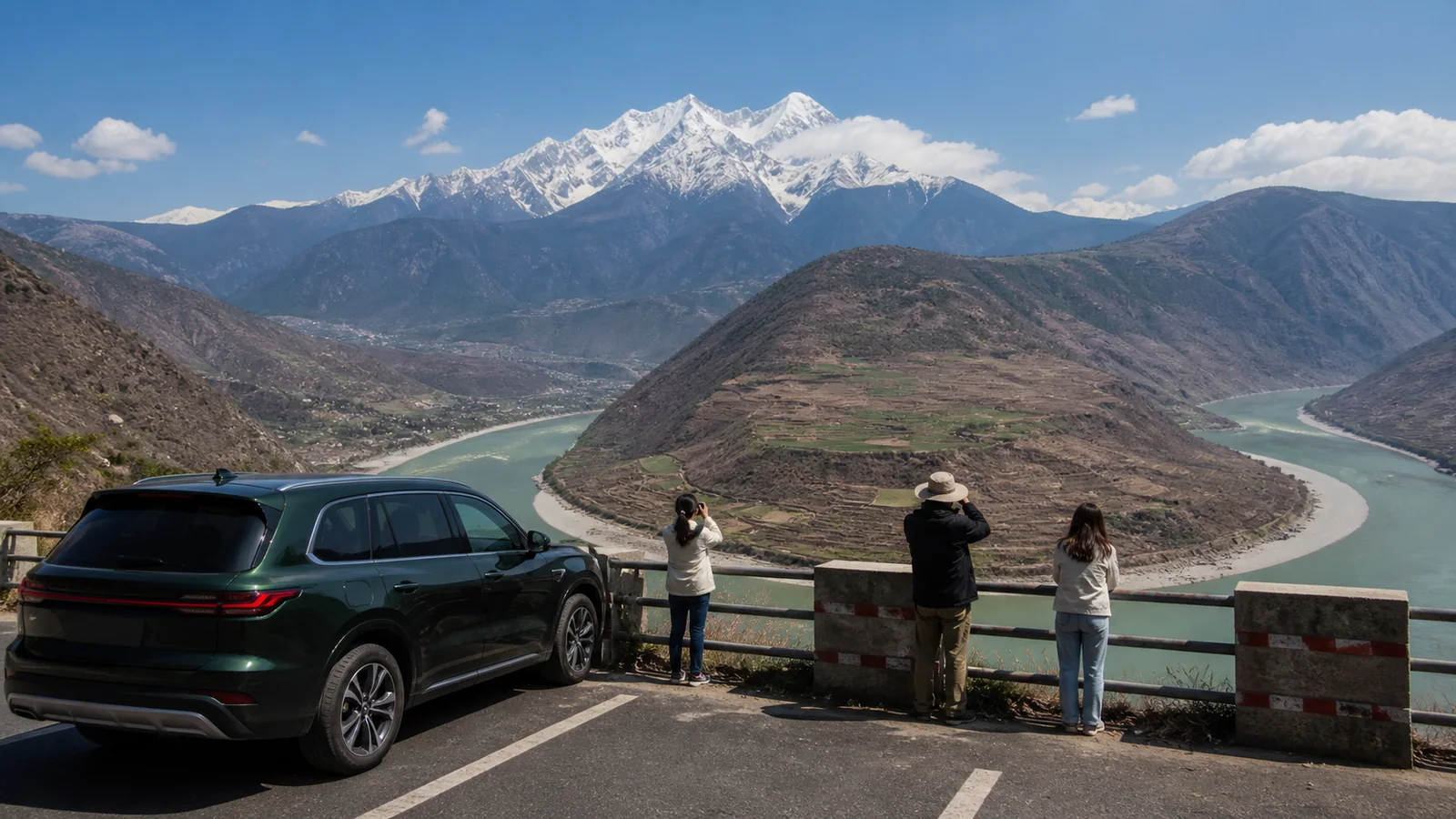
Keep the evening free for a walk and for reorganising luggage after the mountain journey.
Overnight in Lijiang.
Take your private transfer to Lijiang airport or railway station, timed to the ticket booked. An extension to Dali or Kunming needs a separate road or rail plan.

Pre-trip document preparation, temporary driving-permit coordination and route planning for the confirmed travellers.
Vehicle or professional-driver arrangement exactly as stated in the final quotation, handover orientation and 24-hour operational contact.
Confirmed accommodation for 15 nights plus guides, transfers, tickets and meals only where itemised in the personalised proposal.
International flights, visas, passport costs, medical certificates and any document service not named in the final proposal.
Fuel, tolls, parking, traffic penalties, rental deposit, excess, upgrades and damage outside the confirmed insurance scope.
Personal meals, drinks, laundry, tips, optional activities, travel insurance and costs caused by traveller-requested changes.
Not automatically. County-level access, hotel acceptance and monastery rules can change. We check the exact passport nationalities, dates and route before confirmation and keep a comparable legal alternative for any restricted section.
It can be, but only for travellers who accept slow ascent, a non-driving acclimatisation day and the possibility of shortening remote sectors. Anyone with relevant health concerns should discuss altitude travel with a qualified clinician before booking.
Those places are not contractual guarantees. We switch to the pre-agreed open viewpoint or valley route and preserve the overall Kham–Shangri-La logic, hotel standard and trip duration as far as conditions allow.
No. A foreign licence or IDP alone is not enough for mainland China. Eligible short-stay visitors need a Chinese temporary driving permit. We check the current local process and your documents before confirming the rental.
Usually your passport and entry documents, original valid overseas driving licence, an accepted Chinese translation, photos or other local application material, plus the rental paperwork. Requirements vary by city and licence, so we provide a personalised checklist.
The proposal itemises vehicle class, insurance coverage and exclusions, deposit or pre-authorisation, mileage, tolls, fuel, parking, one-way fee, support vehicle and roadside assistance. Nothing is assumed from the word “rental”.
We check conditions before and during the trip. The route manager uses the written fallback described in your proposal and discusses any material change with you; safety and legal access take priority over ticking off a named pass.
Yes. We plan seating and luggage for the whole party, and can add a support vehicle or professional driver so companions are not stranded when the registered drivers need a rest.
Do not rely on a single overseas app or card. We prepare bilingual navigation, offline location names, local payment options and toll/fuel instructions, then test them during vehicle handover.
We normally confirm a vehicle category and critical features, not an exact model. We confirm seats after luggage, transmission, child seats, winter equipment and any 4x4 requirement in writing.
Feedback on 16-Day Sichuan and Yunnan Kham & Shangri-La Self-Drive Tour.
There are no reviews yet. Be the first one to write one.
Travelled on this itinerary? Tell future travellers what it was like.
No account is needed. Your display name, rating and review may be published after moderation. Your email stays private. Please avoid passport numbers, booking references and other private information. Read our Privacy Policy.
All ratings are welcome. Reviews are checked for relevance, authenticity and personal information before publication.
Places to stay. People to rely on. A journey clearly arranged.
Explore our Yunnan hotel collection and discuss the location, room style and comfort you prefer.
View hotel examples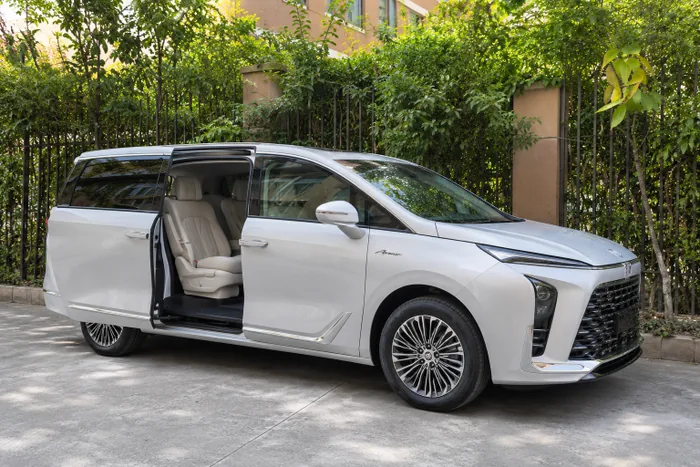
See vehicle interiors, seating and luggage space, then discuss the right fit for your group.
View our fleet
Meet one of our tour guides and discuss guided visits, your preferred language and travel pace.
Meet William
Meet our Kunming-based travel team and view the company details behind your journey in China.
About Vero TripYour proposal confirms the hotels, vehicle and guide services included in your trip.
Plan My Trip