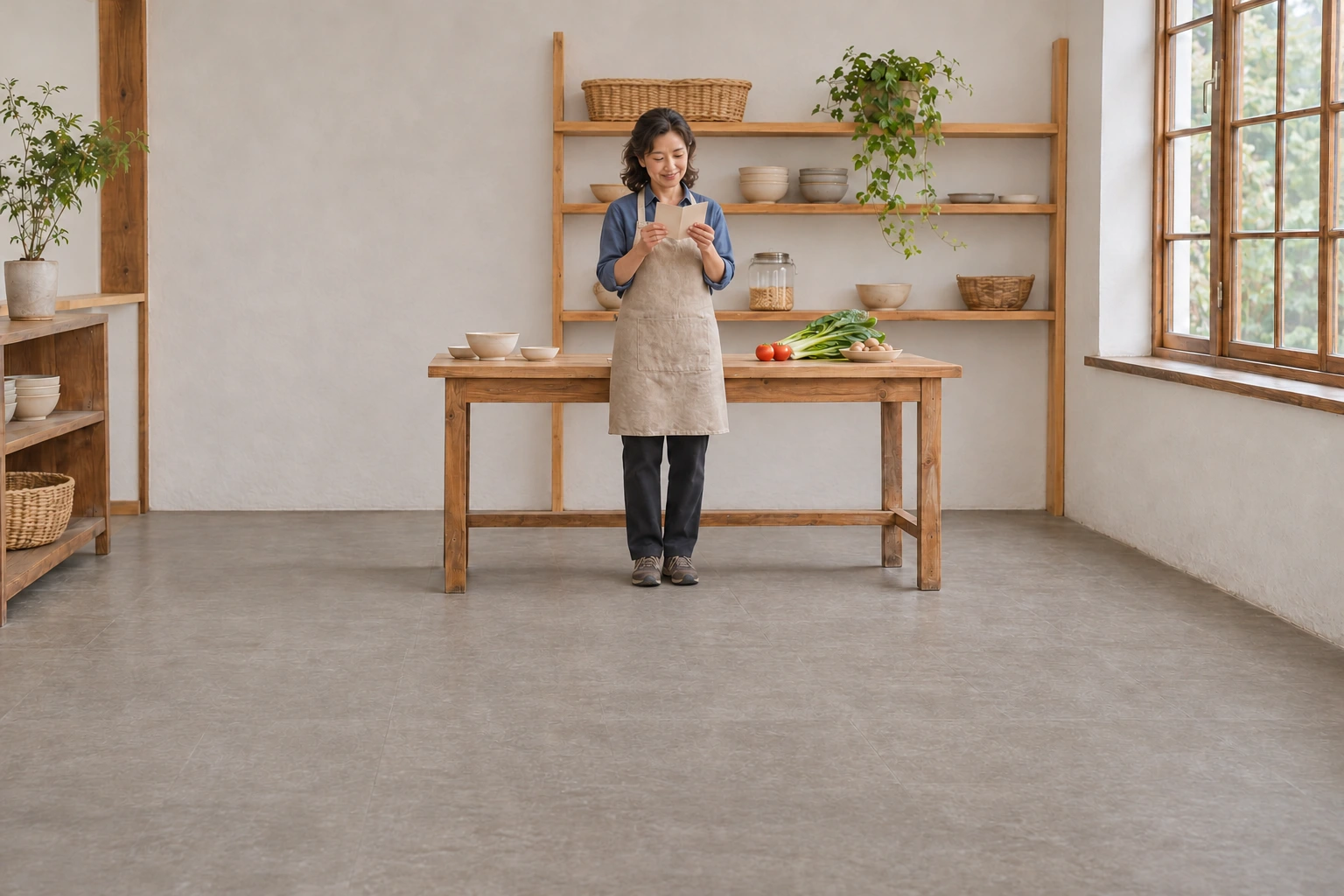
Connect Sichuan cooking with the tools, ingredients and work behind the plate. Begin with a selective Cuisine Museum collection visit and add a specifically reserved practical session if wanted. Admission, demonstration, snack tasting and cooking personally remain distinct choices.
Save the full venue name and street address: Chengdu Sichuan Cuisine Museum — 成都川菜博物馆,成都市郫都区荣华北巷8号. It is in Pidu District, outside central Chengdu. A dedicated visit needs a real outward journey and hotel return, rather than being treated as another stop beside Tianfu Square.
What makes this a museum visit rather than another meal?
The museum’s collection-gallery introduction describes food-related objects by function: cooking vessels, serving ware, drinking vessels, tableware and tea utensils. Books, pictures and written material add another way to follow the history. Look at how food was prepared and presented, as well as at the decorative surface of an individual object.
Compare a labelled cooking vessel and serving vessel. How do material and shape answer heat or presentation needs? This gives two objects different jobs in the meal and can add context before a lesson.
Keep gallery originals and teaching equipment separate. A historic jar is for observation; a supplied modern bowl is for use only as directed. Museum entry permits no handling of originals, stores access or participation in every ground activity.
The choice at a glance
| Format | Main purpose | Confirm separately |
|---|---|---|
| Collection and meal | Objects, food history and a seated break. | The current gallery, interpretation and meal location. |
| Demonstration and tasting | Observe a technique and discuss the ingredients. | What you taste, portions and whether you participate. |
| Hands-on cooking | Practise an agreed task, then eat if included. | Each person’s role, menu, language, supervision and complete session. |
Choose collections and meal for context, or give a confirmed technique lesson an uninterrupted block. A non-cooking companion needs a defined accompanying or participation arrangement rather than the same assumed place at a stove.
Choose a few objects instead of trying to read every label
A 2026 profile published by Sichuan’s local-chronicles office identifies a Qing-period blue-and-white pickling jar among the collection’s notable objects. Its description draws attention to the lid, the outward rim and painted landscape-and-figure panels, and notes that part of the upper body has been repaired. Those are useful things to ask about if the object is on display during your visit.
A preserved jar explains pickling without providing a live fermentation exercise. Do not lift its lid or assume contents edible. Examine shape, decoration and former use from the allowed position under the actual photography rules.
Apply that approach to another object if it interests you more: material, function and date, then original, model or modern demonstration item. One clear comparison can be more memorable than a large collection total.
The museum’s older collection page and the 2026 profile give different object totals. This guide does not turn either figure into a promise that a fixed number of items or a particular room will be available. Ask which gallery and subject can actually be visited for your date.
Ingredients: learn what douban contributes
The local-chronicles account names Pixian douban, Zhongba soy sauce and preparation tools. Connect one condiment with its use in a dish, then establish whether the actual display is interpretation, demonstration batch or production in progress.
Do not assume that seeing jars includes stirring them, tasting from them or joining fermentation work. A hands-on ingredient activity needs its own permission and supervision. The Sichuan Cuisine Museum, a douban heritage-experience park and a separate douban museum are not interchangeable names; confirm the actual address of any additional appointment.
For tasting or a lesson, describe heat, numbness, salt, sweetness and aroma separately. Ask about the ingredients actually used. Choosing the hottest option or expecting one taste from every Sichuan dish is no substitute for a suitable menu.
If buying a condiment, check its label, ingredients, net weight, packaging and final price. A shop beside an exhibition does not establish a special grade, age or health benefit. Purchases should be separate from any admission or lesson fee already agreed.
Book a cooking role, not just a photograph in an apron
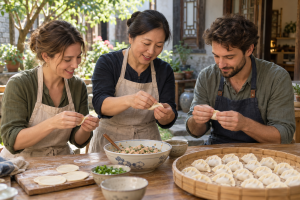
Define each visitor’s role: preparation, shared station, stove work or watching. A finished-dish photograph in an apron does not establish participation. Learning a technique and enjoying museum context with a meal need different arrangements.
A September 2026 Chuan Guan report documents foreign visitors learning dishes including mapo tofu and kung pao chicken during a holiday programme. It is evidence of ordinary international visitors taking part, rather than a standing menu for every date. The report’s mooncake making, spice challenges and performances belonged to that particular programme.
Ask the host for the current menu. If selected, mapo tofu can explore seasoning and sauce-tofu relationships, while kung pao chicken can explore preparation and ingredient order. These are potential learning questions, not guaranteed dishes or universal recipes.
Confirm whether ingredients are prepared in advance, how long you spend participating and who helps when a step needs speed or heat control. Ask whether recipes or notes are available in a language you can use. A session can be worthwhile without promising a professional qualification, a certificate, a master chef or private tuition.
Language, children and standing time
Specify the instructor’s language and any interpreter separately. An English-language booking exchange, an English-speaking driver and an English-led cooking session are different services. Ask who explains specialist food terms and who stays with the group during the practical work.
For children, give ages and ask about knives, heat, counter height, accompanying adults and tasks they can perform. An adult must understand the venue’s supervision arrangement before a child joins. A family-friendly visit does not establish childcare or participation in every step.
For older travellers or anyone who finds prolonged standing uncomfortable, request the actual walking and standing pattern, a chair during explanation and the approach to the cooking area. The museum setting may combine indoor rooms and outdoor links. Confirm thresholds, steps, seating and the toilets you will use, rather than inferring accessibility from the existence of a parking area.
A complete day from your Chengdu hotel
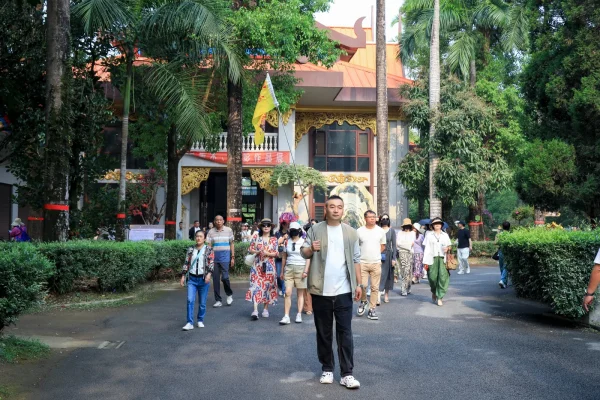
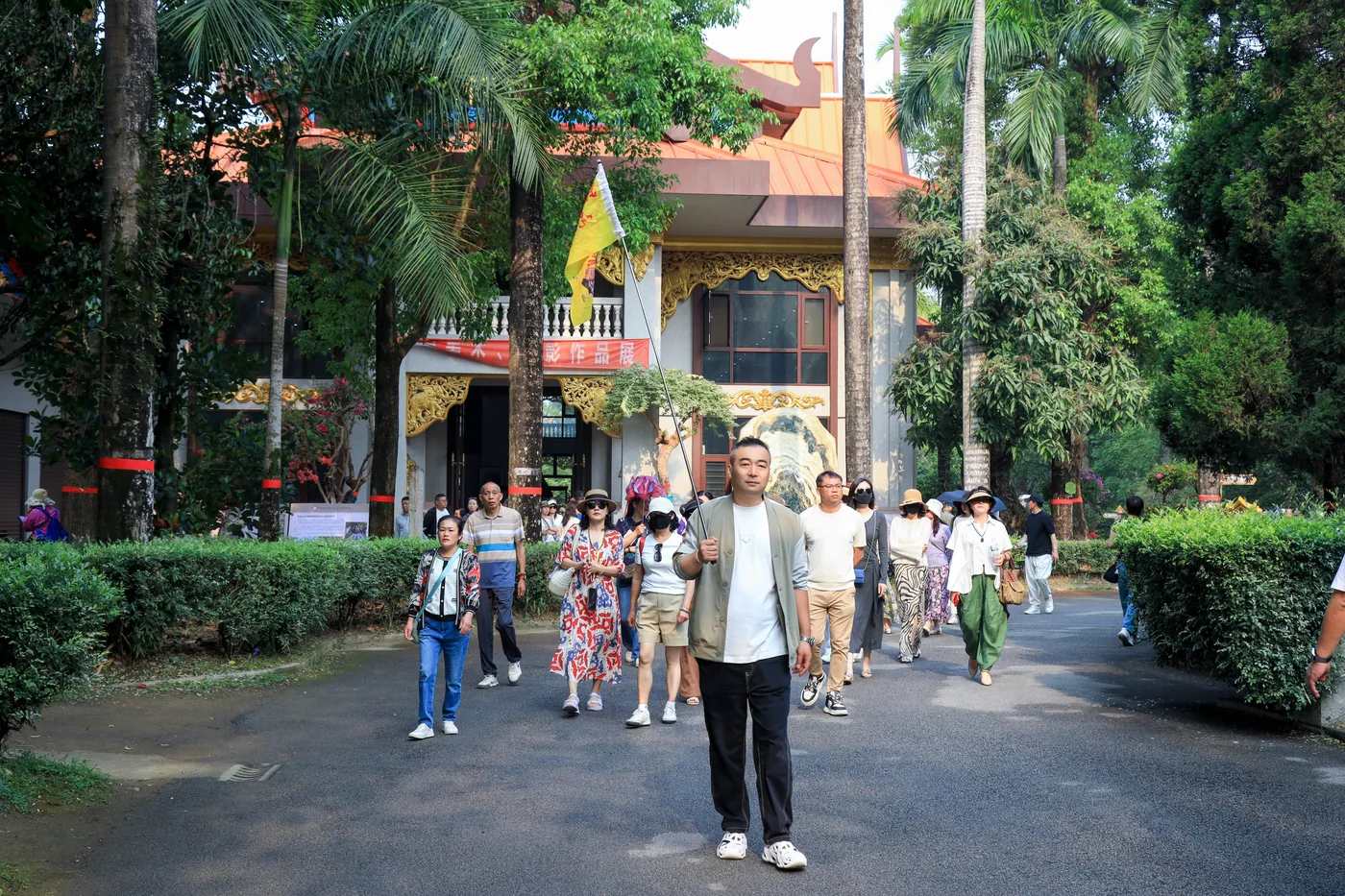
Start with breakfast and a confirmed outward journey. Save the museum’s Chinese name, the host’s meeting instructions and the point where your vehicle can stop. If a cooking session is the priority, arrange arrival around its confirmed start, including time to find the entrance, check in and put away belongings.
Use the opening block for a few gallery objects and one condiment, unless the accepted lesson requires another order. Do not rush every display to meet an appointment. Keep extra courts or exhibitions secondary to the main purpose.
Give lunch a clear place. If eating the food from a class is part of the accepted booking, establish portions, drinks and the meal arrangements for non-cooking companions. Otherwise, agree a seated lunch separately. Snack tastings, admission vouchers and dishes prepared for demonstration do not automatically provide a complete meal.
After the meal or practical session, allow time to finish questions, collect bags, wash up and rejoin the vehicle. Return to the same Chengdu hotel or another exact address identified in advance. Waiting, parking, a late lesson finish and the complete final hotel leg belong in the written transport plan.
A market visit is another substantial block. The Ministry of Culture and Tourism’s February 2026 coverage describes a market, cooking and tasting format associated with the museum. Do not assume every admission or class includes a market. Confirm its location, walking, opening of relevant stalls and the transfer before adding it.
Keep a practical base and count the nights
Retain one Chengdu hotel for a city stay with a museum excursion. This keeps bags, dinners and other cultural days simple. Use the Chengdu planning guide to decide which separate day deserves pandas, a central museum or a neighbourhood walk.
| Stay | Full days between travel dates | Suggested balance |
|---|---|---|
| 3 days / 2 nights | One. | Use it for the museum and cooking only if food learning is the priority. |
| 4 days / 3 nights | Two. | One museum-food day and one different city priority. |
| 5 days / 4 nights | Three. | Keep the substantial lesson separate from other major outings. |
For a three-day, two-night stay, arrival on Day 1 and departure on Day 3 leave one full day between them. Choose the cuisine museum as that day’s main purpose only if it matters more to you than another headline visit. A late arrival or early departure should not be counted as another complete activity day.
With four days and three nights, keep one full day for this visit and one for a different city priority. Five days and four nights give three full days between travel dates, allowing a dedicated food-cultural day without compressing every other visit.
The existing eight-day Chengdu, Chongqing and Wulong itinerary places the Sichuan Cuisine Museum on Day 3 after Dujiangyan, followed by several Chengdu city stops. That is a busy returning sightseeing day. Request a simpler day when a substantial cooking lesson is essential; the museum mention does not establish a reserved class, current menu or included meal.
Food requirements must be settled before the kitchen
Send exact dietary requirements before confirming the venue and menu. Distinguish a preference for less chilli from an allergy, intolerance, vegetarian requirement or religious preparation standard. Ask about stocks, cooking fats, condiments and shared preparation, not just the main ingredient named in a dish.
For a dish you avoid, ask whether a suitable alternative is actually available and what part of the shared lesson would change. Removing a visible garnish does not establish the contents of a prepared sauce. A vegetarian-looking plate or a beef dish does not prove a kitchen meets every requirement.
Have the person responsible for the food explain the arrangement in terms you understand. If the venue cannot meet an essential need, choose a museum-only visit with a suitable meal elsewhere or another activity. This guide does not certify a kitchen or promise an allergy-safe or halal class.
For a separate shared-pot restaurant evening, use the Chengdu hotpot guide. A lesson and a hotpot dinner need not sit next to each other in the schedule; leave space between substantial meals and tastings.
Road travel, bags and a wet-day version
Check the complete route from your actual hotel. A metro or rail journey towards Pidu still needs the final connection to the museum. This guide does not quote a current bus timetable, station exit, fare or universal drive time. Verify the service and last return before choosing public transport around a fixed appointment.
For arranged transport, specify the return address, party size and bags as well as the museum name. Leave large cases only under an agreed hotel-storage arrangement and take essentials in a small bag. Ask whether the venue can store your particular item rather than bringing a suitcase to a practical lesson on assumption.
In ordinary rain, prioritise the confirmed indoor gallery and session, shortening outdoor links where possible. An indoor class does not make every approach sheltered or eliminate transport disruption. Agree change terms before paying, especially if a market or outdoor ingredient activity is part of the proposal.
On departure day, include collection of stored cases and the correct station or airport. Chengdu East, Shuangliu Airport and Tianfu Airport are different destinations. Choose another session or retain a final Chengdu night when a museum outing would leave too little room for the onward journey.
Passports, costs and the written day plan
The September report establishes foreign tourist participation in the museum’s activities. It does not test each passport field, payment method or booking platform today. Confirm the actual admission and lesson process for your original passport and travel date before paying. The museum’s collection page is not a reservation held in your name.
| Part | Written detail | Keep distinct |
|---|---|---|
| Admission and exhibits | Date, original-passport process, current gallery and any booked demonstration. | General admission and every possible hands-on activity. |
| Lesson and food | Actual menu, personal participation, language, dietary answer and meal portions. | Watching, cooking, snack tasting and a complete lunch. |
| Journey and belongings | Hotel, meeting point, cases, waiting and complete final return. | A one-way transfer and a full hotel-to-hotel service. |
Price on request. A Verotrip proposal must identify admission, the named session, participation, language, meal basis and transport separately. Optional purchases, extra dishes and any take-home result should be explicit. This guide confirms no available departure, ticket, English instructor, vehicle, meal, hotel or insurance inclusion.
Compare a complete experience rather than the lowest headline admission price. Find out whether a companion pays differently, whether the group is public or private, and what happens if the instructor or chosen menu changes. Use the China food-and-culture planning guide for the wider choice between a market walk, tasting and hands-on lesson.
Questions before booking
Does museum admission include cooking?
Do not assume so. Ask for the exact admission or programme name and whether it provides a demonstration, tasting or personal participation. Establish the lesson, instructor language and meal in the accepted booking.
Will the holiday activities run on my date?
A dated festival report is not a year-round timetable. Mooncake making, performances, spice games and particular dishes need current confirmation. Choose the activity because the actual session suits you, rather than relying on an old photograph.
Can someone join without cooking?
Ask for the accompanying arrangement, gallery access, seating and food. A companion place may differ from an active lesson place, and children have their own supervision and participation requirements.
Should I combine it with Dujiangyan?
Only after comparing the real route and available visiting time. For a substantial class with a meal and gallery interpretation, a dedicated day is usually a more comfortable planning choice. A brief museum stop in a wider sightseeing route is a different experience.
Plan a cooking visit with a complete return
Use Plan My Trip to send Verotrip your dates, hotel, group size, children’s ages, dietary requirements and walking or standing limits. Say whether the main aim is objects and food history, a demonstration or active cooking. A travel consultant can assess a dated plan with the actual language support, meal and full return clearly identified.