Reviewed 31 October 2026 · National directory · 三环四横五纵
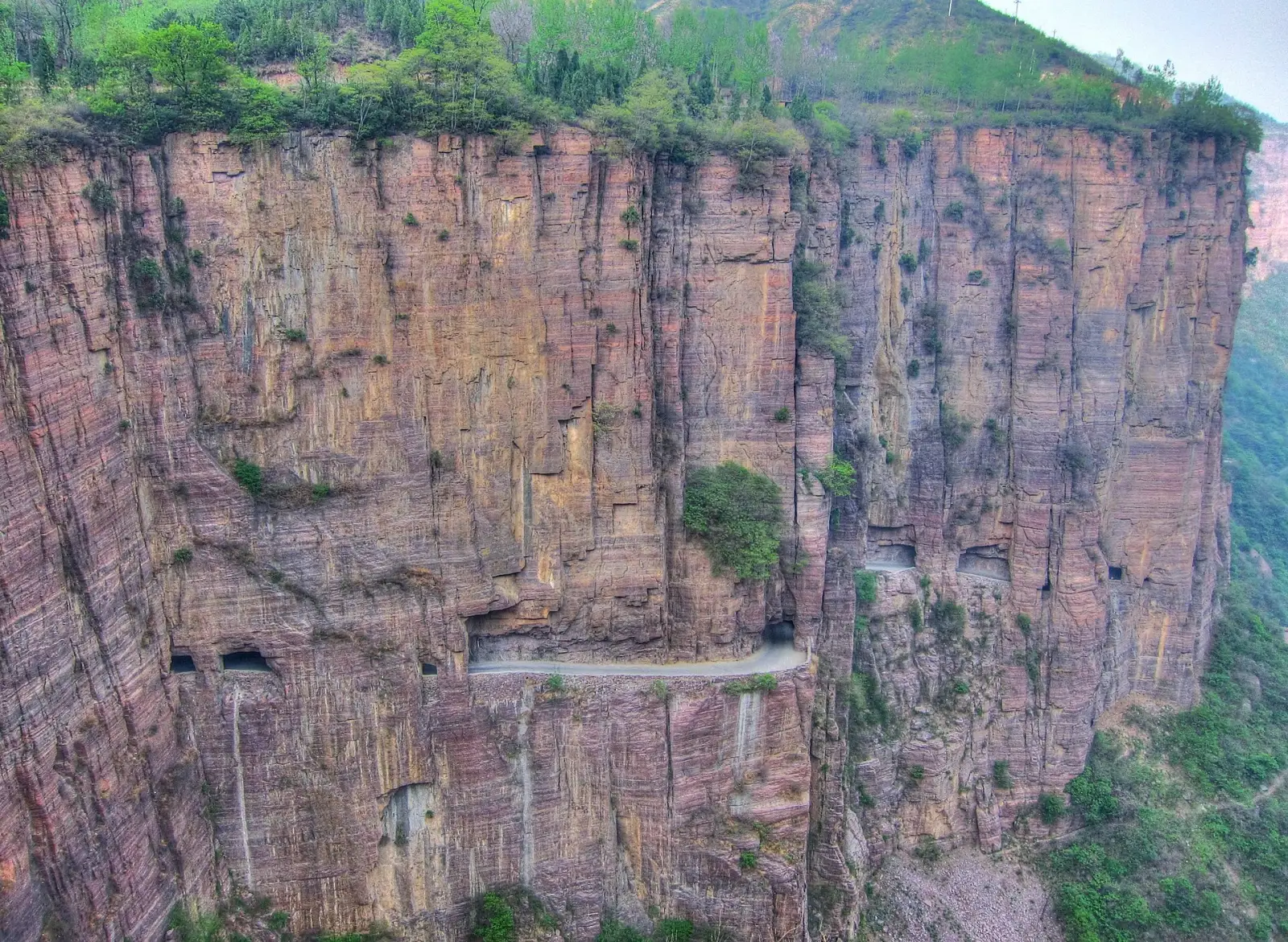
The Guoliang tunnel road in the Taihang Mountains. Photograph: FANG Chen from Beijing, China, 2011-04-29 17:23. CC BY 2.0. Downsized thumbnail and WebP conversion only. No scene alteration. Archival view of the named place, not current road access, the entire corridor, included services or a Vero Trip group.
China’s Three Loops, Four Horizontals and Five Verticals provide twelve national-scale themes for planning a road-based holiday. Start with one region and the experiences you want, rather than treating the whole network as a single holiday or a checklist. You can enjoy these themes with a qualified local driver, an appropriate rental arrangement, or rail between regional road excursions.
In August 2026, the Ministry of Transport described a scenic-road backbone of about 60,000 kilometres. Its implementation framework sets development goals for 2030 and 2035. These are plans for a connected tourism-road system, not a statement that every route, service area, campsite or visitor facility is already complete.
What “three loops, four horizontals and five verticals” means
The loops describe three broad circular themes. The horizontal routes follow four east–west cultural or landscape ideas. The vertical routes connect five north–south themes. Their Chinese names are useful when comparing official information; the English labels below are travel-oriented explanations.
The national framework largely uses existing ordinary national roads and connected resources. It is different from China’s expressway numbering system. You do not need to avoid a suitable expressway or rail connection to build a holiday around a cultural corridor, and the national theme does not grant access to a restricted road or protected site.
| Planning stage | Overnight or focus | How to use the time |
|---|---|---|
| Loop 1 · 沿边沿海环线 | Border and Coastal Corridor | Choose a regional coastal or northern block; no unrestricted full-border drive is assumed. |
| Loop 2 · 首都都市圈环线 | Capital-Region Loop | Select Chengde, Datong or a separately planned grassland section. |
| Loop 3 · 青甘环线 | Existing Qinghai–Gansu route | Reuse the established regional itinerary and choose actual lake and corridor stops. |
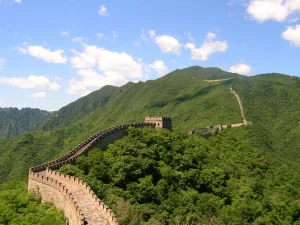
| Horizontal 1 · 长城文化 | Great Wall Cultural Corridor | Connect selected northern and Gansu heritage blocks, with regional transfers. |
| Horizontal 2 · 黄河文化 | Existing Yellow River and Shanxi road trip | Use the actual overnight route; it is a regional expression of the wider theme. |
| Horizontal 3 · 长江文化 | Yangtze Cultural Corridor | Choose road, rail or a cruise before assigning the days. |
| Horizontal 4 · 西部雪域天路 | Existing G318 planning and comparison | Use the established guide and resolve the approved journey before committing. |
| Vertical 1 · 大运河文化 | Grand Canal Cultural Corridor | Select canal cities and public waterfront visits; a road trip is not a through cruise. |
| Vertical 2 · 华东世界遗产 | East China Heritage Corridor | Choose a mountain or heritage pairing with usable days between transfers. |
| Vertical 3 · 中部锦绣山岳 | Central Mountain Corridor | Select connected public visitor areas and preserve realistic mountain-road stages. |
| Vertical 4 · 长征文化 | Long March Cultural Corridor | Choose a regional historical chapter rather than an unverified end-to-end retracing. |
| Vertical 5 · 古道秘境 | G214 Ancient Roads Corridor | Compare separate Qinghai and Yunnan blocks with the right entry and driving arrangements. |
How to choose your first section
For a compact cultural holiday, consider the capital-region or Grand Canal choices. Choose a public visitor route, two or three useful bases and time to understand the places between road stages. A short holiday should not be made longer on the map simply to claim another province.
For a landscape journey, compare Qinghai–Gansu with a selected central or eastern mountain block. The overnight environment, walking and transfer demands differ. A cable car, scenic shuttle or paved viewpoint does not automatically make the full day step-free or suitable for every traveller.
For history, compare the Great Wall, Yellow River and Long March themes. Choose the particular period or cultural question that interests you, then identify the museums, protected buildings and public sites that explain it. A cultural corridor contains many possible holidays; it is not one universal entrance ticket.
For the border, G318 and G214 themes, settle the exact permitted route before reserving an extended drive. Choose verified regional sections and retain the ability to change a sensitive or weather-affected stage. A national road designation should never be used as evidence of foreign-visitor entry permission.
Self-drive, local driver or rail with road days?
Overseas visitors who want to drive need the appropriate Chinese driving authorisation as well as rental-company acceptance. Shanghai’s published traffic-police guidance explains temporary driving permits and the relevant small-car categories. Confirm the actual application process at your intended location; an overseas licence or an International Driving Permit alone is not the complete mainland driving arrangement.
If driving is not your main interest, compare a driver-led itinerary. Specify whether you also need an English-speaking guide. For cities and distant regional blocks, a rail journey with local cars can protect sightseeing time and reduce one-way rental complications. Keep the actual stations, luggage handovers and final hotel in the plan.
| Item | Confirm in the proposal | Planning boundary |
|---|---|---|
| Self-drive rental | Chinese driving authorisation, rental acceptance, insurance and return branch | Resolve the driver and vehicle separately from destination admission. |
| Driver-led road holiday | Legal vehicle, driver duties, luggage, working hours and overnight charges | Guiding language and a separate interpreter must be stated when needed. |
| Rail plus local road days | Dated trains, stations, hotel transfers and local vehicle days | A train ticket does not include the transfer from the station to a distant attraction. |
What a realistic route proposal should show
Request a day-by-day sequence with every overnight base. Ask which days are mainly transfers, which visits need timed entry and how much walking remains after any ride. Name the collection and return points rather than relying on a destination title alone.
The proposal should separate accommodation, admission, visitor transport, guiding, meals and optional activities. A national scenic-road title does not mean any of those services are included. Price on request is more useful than an old package price attached to an unconfirmed route.
Ask for an alternative when an exposed attraction or road stage cannot operate. A useful alternative preserves a lawful visitor area and a comfortable finish. It should not depend on an unofficial track, a closed viewpoint or a long night drive to rescue an overfilled schedule.
Frequently asked questions
Are these twelve new highways? No. They are national tourism-road themes and a development backbone, primarily drawing on ordinary national roads and connected resources. Individual road conditions and visitor services still need dated checks.
Does “national” mean every part is open to foreign visitors? No. Driving documents, rental acceptance, road controls and destination-entry requirements are separate matters. This directory points to regional planning choices rather than promising unrestricted passage.
Must I drive the whole corridor? No. Most visitors will get more from a selected regional block with time in the places that interest them. A rail connection between two blocks does not diminish a road-based holiday.
Where should I start if I have already chosen a region? Use the linked regional itinerary or destination guide. This directory organises the national themes; the existing detailed pages remain the place for their particular routes.
Plan with Vero Trip
Use Plan My Trip to share your dates, arrival and departure cities, usable nights, party size, luggage and walking needs. Say whether you want to drive or travel as a passenger, and name the two experiences that matter most. The dated written proposal should identify the actual road sections, stops, services, inclusions and changes.
For a broader comparison beyond this particular national framework, use the existing China regional road-trip guide. It compares holiday families; the directory here explains the twelve named national themes.
Route framework and visitor information reviewed on 31 October 2026: Ministry of Transport: the national scenic-road framework; CCTV route introduction, republished by Hangzhou Net; Shanghai traffic-police guidance: temporary driving permits. Independent travel examples above are planning suggestions, not official turn-by-turn alignments or confirmed departures. Check current local notices and dated visitor arrangements.
The Guoliang tunnel road in the Taihang Mountains. Photograph: FANG Chen from Beijing, China, 2011-04-29 17:23. CC BY 2.0. Downsized thumbnail and WebP conversion only. No scene alteration. Archival view of the named place, not current road access, the entire corridor, included services or a Vero Trip group.