Reviewed 31 October 2026 · Vertical 2 · 华东世界遗产
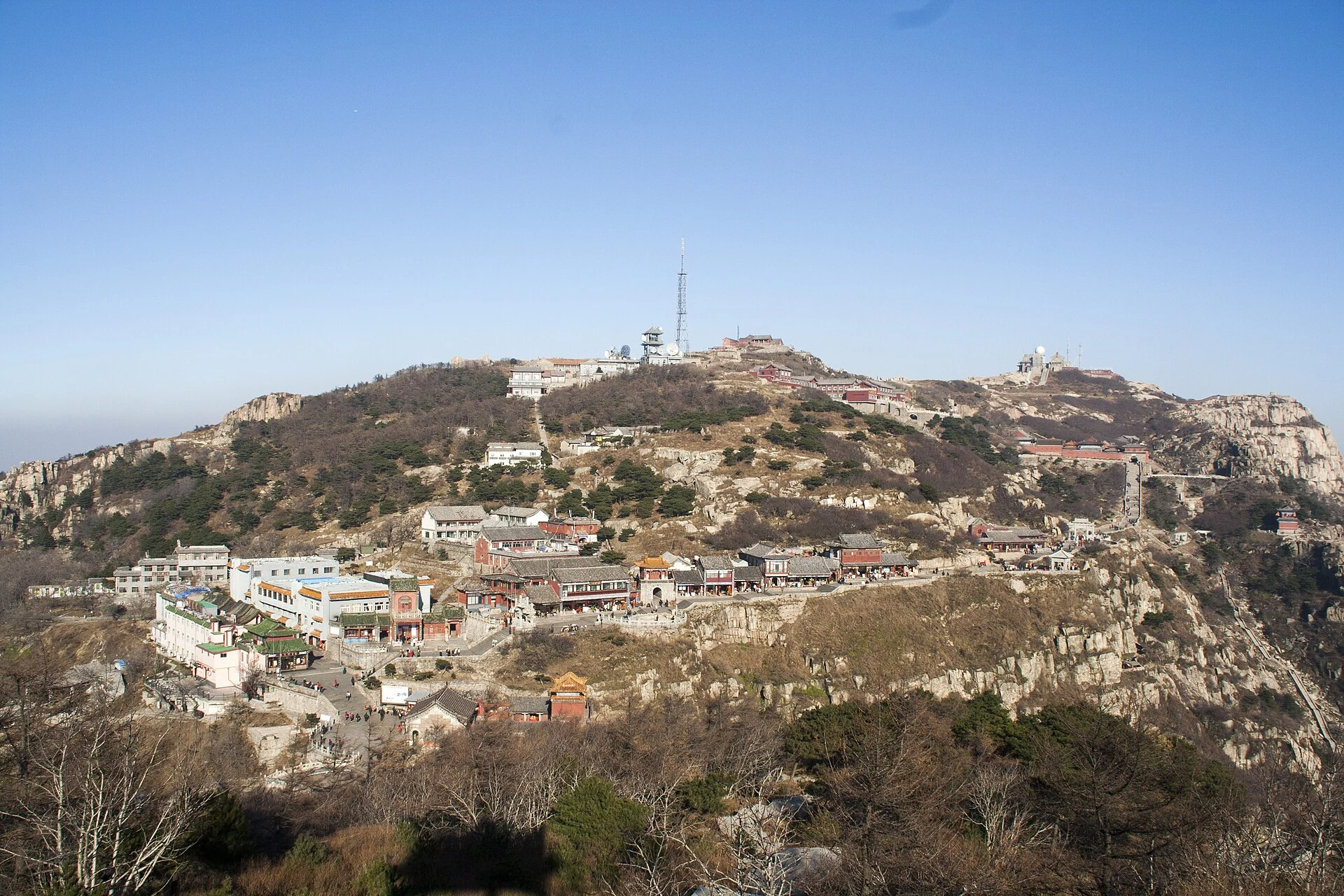
The upper mountain landscape of Mount Tai in Shandong. Photograph: ╬ಠ益ಠ), 2007-11-02 02:11:36. CC0. Downsized thumbnail and WebP conversion only. No scene alteration. Archival view of the named place, not current road access, the entire corridor, included services or a Vero Trip group.
Choose two or three heritage areas for an East China road trip instead of treating every famous mountain as a consecutive driving-day stop. Taishan and Qufu offer one northern pairing; Huangshan and Wuyi offer a very different landscape-and-culture journey farther south. Allow full sightseeing days between the transfers.
华东世界遗产 is the second north–south national road-tourism theme. Its published introduction names Qufu, Taishan, Jiuhua, Huangshan, Sanqing, Longhu and Wuyi among the resources along the corridor. That list is not a single ticket, and it does not mean every named stop is a separately inscribed UNESCO property.
Choose the character of the holiday
Taishan’s UNESCO description emphasises its cultural and sacred-mountain importance as well as the landscape. Pair it with Qufu when you want architecture, ideas and history to shape the trip. Do not equate a mountain ascent with a simple garden stroll; choose your actual walking route before deciding how much else fits.
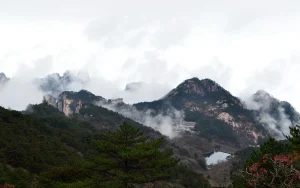
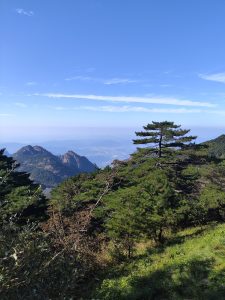
Huangshan’s UNESCO profile centres on its granite mountain landscape and its significance in Chinese art. Give the mountain a usable day and avoid promising particular cloud or sunrise conditions. A cable car can reduce an ascent without removing all steps at the top.
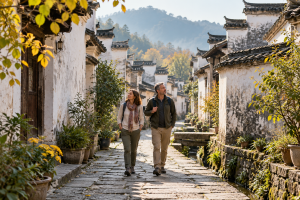
Wuyi adds a different combination of gorge landscape and cultural history. UNESCO’s description links the area with biodiversity and neo-Confucian traditions. A general visitor itinerary should use authorised scenic areas, not infer permission to enter protected forest or research zones.
An eight-day Huangshan and Wuyi planning example
This is an independent two-area journey within the wider theme. It does not complete the entire corridor from Shandong to Fujian. Choose the transfer mode according to the actual date and how much continuous road time your group wants.
| Planning stage | Overnight or focus | How to use the time |
|---|---|---|
| Day 1 / Huangshan gateway | Gateway hotel | Arrive and agree the next day’s entrance and baggage plan. |
| Day 2 / Huangshan | Gateway hotel or a specifically booked mountain hotel | Use the permitted mountain route suited to the group; choose the overnight before admission. |
| Day 3 / Huangshan area | Gateway hotel | Keep a village, cultural or rest day rather than requiring a second full mountain ascent. |
| Day 4 / transfer to Wuyishan | Wuyishan | Use the selected road or rail connection and keep arrival sightseeing light. |
| Days 5–6 / Wuyi | Wuyishan | Choose authorised landscape visits, cultural interpretation and time for tea interests. |
| Day 7 / flexible local day | Wuyishan | Retain time for weather changes or a slower visit, not an automatic distant addition. |
| Day 8 / departure | No hotel night | Return the vehicle or transfer to the confirmed station or airport. |
Settle the Huangshan overnight first
A mountain hotel changes luggage, walking distance and the following morning. Confirm where the room is relative to the chosen cable-car or walking route. Do not reserve an early departure from the city the morning after a mountain overnight without checking the descent and transfer.
If you prefer a valley-base hotel, keep the mountain day within the operating transport and last-return arrangements. Use the existing Huangshan routes and overnight guide for the detailed choice. The itinerary above does not promise that a particular peak, cable car or walking section will be open.
Keep optional activities separate
A Wuyi tea appointment needs a named host, language and agreed time. A scenic boat or raft activity needs its own operating confirmation and suitability check. Neither is automatically included because an itinerary mentions Wuyi or a tea landscape.
For Sanqing, Longhu or Jiuhua, add a separate block only when that particular place matters. Different mountain gates and nearby railway stations can add substantial logistics. Do not buy a sequence of non-refundable tickets before establishing the road or rail connection between them.
| Item | Confirm in the proposal | Planning boundary |
|---|---|---|
| Mountain admission and transport | Named gate, rides, shuttles and chosen walking route | An entrance ticket does not include every optional ride. |
| Hotels | Gateway or mountain location, baggage and stairs | The room’s location matters as much as its category. |
| Hosted or water activity | Actual provider, language, suitability and change terms | Tea tasting, a lesson and a scenic ride are separate purchases. |
Who should shorten this itinerary?
Shorten the number of areas when stairs, regular hotel changes or several transfer days would dominate the holiday. Keep one full mountain day and a cultural day nearby. Adding a rest day is often more useful than adding another famous peak.
For families, arrange a clear return point if some travellers choose a shorter route. For mobility needs, ask about the entire circuit, including shuttle boarding and thresholds, rather than only whether a cable car exists. Check weather and operator notices close to the visit; photographs do not establish current access.
Continue with the existing destination pages
Use the Huangshan and Anhui planning guide for the gateway stay and local alternatives. This corridor guide handles the cross-region choice; it does not replace the detailed destination owner.
If the northern pairing is your priority, plan Taishan and Qufu as their own holiday. A long transfer south just to add a third UNESCO name can reduce the time available for the sites that first interested you.
Driving documents and a dated proposal
If you will drive yourself, resolve Chinese driving authorisation, rental acceptance, insurance and the permitted route before taking the wheel. Read the foreign-driver planning guide. A driver-led version is a separate arrangement and does not automatically include an English-speaking guide.
Send Vero Trip your dates, starting and finishing places, usable nights, party size, luggage and walking preferences through Plan My Trip. Say who wants to drive and which experience matters most. Price on request; the written proposal should state the actual vehicle, visits, rooms, meals, guiding, inclusions and change terms.
Compare all twelve themes in the China national scenic-road route directory.
Route framework and visitor information reviewed on 31 October 2026: Ministry of Transport: the national scenic-road framework; CCTV route introduction, republished by Hangzhou Net; UNESCO: Mount Taishan; UNESCO: Mount Huangshan; UNESCO: Mount Wuyi. Independent travel examples above are planning suggestions, not official turn-by-turn alignments or confirmed departures. Check current local notices and dated visitor arrangements.
The upper mountain landscape of Mount Tai in Shandong. Photograph: ╬ಠ益ಠ), 2007-11-02 02:11:36. CC0. Downsized thumbnail and WebP conversion only. No scene alteration. Archival view of the named place, not current road access, the entire corridor, included services or a Vero Trip group.
A Regional Itinerary to Compare
The existing 2-Day Anhui Huangshan Mountain Overnight Group Tour covers one regional starting point. It does not include the full corridor described above. Ask Vero Trip for a revised programme if you want to connect other mountain areas, with the extra road time and hotel nights shown clearly.