Visit Wild Elephant Valley for a forest-and-elephant learning day, with a possible wild sighting rather than a guaranteed encounter. Choose the open observation route that suits your walking level, leave time for the museum or interpretation, and agree your exit and return pickup before entering. Do not make a particular elephant appearance the condition for enjoying the visit.
Wild Elephant Valley (野象谷) is in the Mengyang area of Jinghong, Xishuangbanna. The scenic area combines forest observation with managed visitor and educational spaces. This guide explains the differences, the walking and cableway decisions, family restrictions and practical transport questions.
Wild elephants, managed displays and learning activities are different
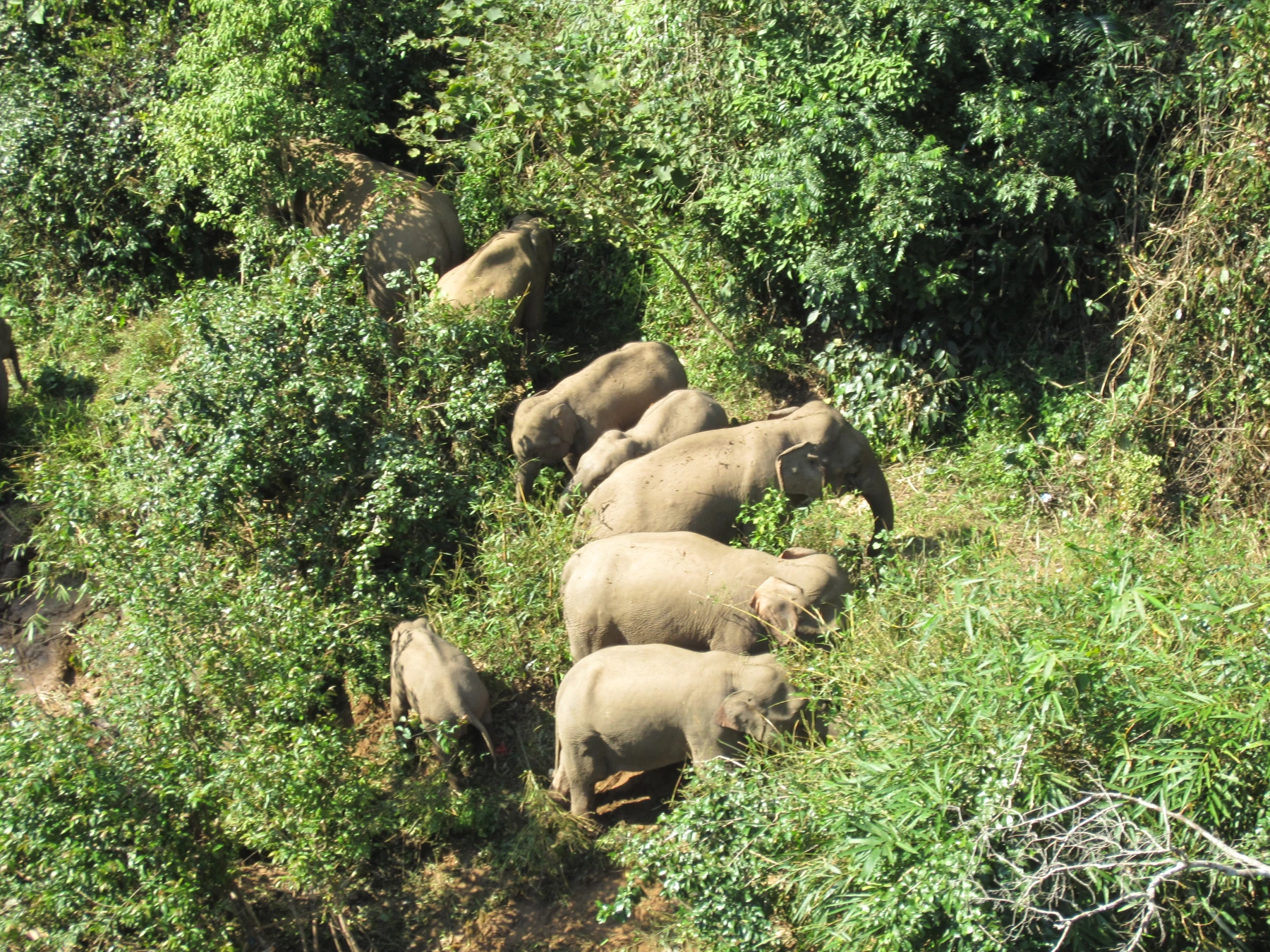
The operator’s introduction places the valley in the Mengyang section of Xishuangbanna National Nature Reserve and identifies it as part of the landscape used by wild Asian elephants. It also lists an elephant science park, a museum and visitor activities. Seeing an elephant in a managed area is a different experience from observing a free-ranging group in the forest.
Ask what an advertised “elephant experience” actually means. The answer might be an observation walk, a natural-behaviour presentation, a talk or a separately arranged activity. Do not infer a wild encounter, private guiding or a particular conservation programme from a photograph of an elephant.
| Experience | What you are choosing | What it does not establish |
|---|---|---|
| Forest observation | A permitted visitor route with the possibility of seeing free-ranging elephants | A fixed appearance time, a sighting probability or permission to approach |
| Managed elephant presentation | An activity in the visitor or science-park setting | That the animals are a wild group you have just discovered |
| Museum and interpretation | Time learning about elephants and conservation | Automatic English guiding or entry to research and care areas |
| A separate hands-on programme | Only the specific activity, eligibility and conditions the operator confirms | Inclusion in general admission or suitability for every child |
An observation-focused visit does not need to include touching, feeding or a staged photograph. Choose the activities that match your interests and the operator’s rules. Do not describe every elephant on site as rescued or every managed activity as a wild observation; those are different claims that require specific evidence.
Can you predict when wild elephants will appear?
Plan for uncertainty. The operator’s observation-trail description makes viewing conditional on elephants being present. A recent photograph, an exciting video or somebody else’s successful visit cannot reserve the same view for your date.
At arrival, ask staff which viewing areas are open and whether there are instructions affecting the route. Follow their directions rather than chasing a report from another visitor. If animals are hidden by vegetation or away from the permitted viewing area, continue with the forest and interpretation plan.
A useful photograph may show only part of an elephant between leaves. Watch patiently from the permitted place and use your camera’s zoom instead of moving closer. Let children know in advance that the forest visit is worthwhile even if no wild group appears. Avoid promising them an encounter that neither you nor a guide can control.
How much walking is involved?
The operator describes the elevated patrol and observation trail as 2,280 metres. That is a description of a facility, not the total distance between your vehicle, entrance, selected attractions and exit. Ask staff how much is currently open and what your chosen circuit adds.
A raised walkway is still a walking activity. Check approaches, stairs, gradients, resting opportunities and the route back before committing to a longer section. A person who is comfortable on a flat city pavement may need a different plan for a humid forest route with steps.
| Route choice | Useful when | Confirm first |
|---|---|---|
| Walking observation route | You want forest time and can manage the actual terrain | Open sections, steps, total circuit and where to shorten it |
| Cableway plus walking | You actively want the elevated forest view and the combination suits your group | Boarding, eligibility, direction, queues, last boarding and remaining walking |
| Shorter interpretation-focused visit | A long forest walk is unsuitable or time is limited | The accessible open spaces, museum entry and return to the agreed gate |
If wheelchair or stroller access is essential, ask about the continuous route, including toilets, rather than only whether equipment can enter the gate. A cableway or shuttle does not establish step-free travel throughout the attraction. Choose another plan if the required access cannot be confirmed.
Should you use the cableway?
Choose it for the view and the route it enables. The operator presents the cableway as a way to look across the forest; it is not a guaranteed elephant-viewing seat or an express replacement for the entire walk.
Ask where you will board and leave, what remains on foot and whether a one-way or return ticket fits your plan. Check the current final boarding for your direction, which can differ from the attraction’s closing time. Include waiting and boarding in the day, not only the ride itself.
Read the posted participation restrictions before buying. If heights, boarding or the remaining walk would be unsuitable, discuss an alternative with staff. Do not rely on the cableway as the only way to finish a route if its operation is essential and uncertain.
A useful plan when you do not see wild elephants
The Asian Elephant Museum is described by the operator as a joint project with the nature-reserve management body, focused on elephant knowledge, conservation and human-elephant coexistence. It gives the visit a purpose beyond waiting at a viewpoint. Confirm which spaces are open and what your ticket covers.
Use a few questions to guide the visit: what do elephants need from their habitat, how do people share a landscape with them, and how does an observation route help separate visitors from animals? If the explanation is in Chinese, ask in advance about language support rather than assuming a scheduled English talk will be available.
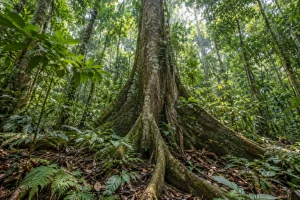
On the forest walk, look at vegetation layers, roots and the way the walkway sits above the ground. Ask a guide to explain animal signs from the permitted route. Do not leave the walkway to inspect a footprint or search for a closer view.
Families: check the interaction rules before booking
The operator’s visitor safety notice tells minors not to participate in interactive activities in the elephant science park. A general family photograph in an advertisement does not override that instruction. Ask the operator to identify the activities appropriate for your children’s ages before making a separate purchase.
A straightforward family visit can centre on observation, a manageable forest section and interpretation. Keep an adult with each child who needs supervision and choose a meeting point before the group separates. Explain that quiet watching is part of the activity, not a pause before everyone gets closer to the animals.
Protect a meal and rest break. Tired children may find a long queue or an extended wait at a viewpoint difficult, so agree in advance when you will move on. A shorter successful outing can be a better result than completing every available activity.
Safety instructions that affect the route
The operator warns that routes may close temporarily when wild elephants are active. Stay on open visitor paths, respect barriers and follow staff instructions. Do not approach, feed, frighten or call to wild animals; keep voices low and do not use flash when elephants are present.
Its notice also prohibits private camping and pets, and requires permission before bringing a drone into the reserve attraction. Keep these restrictions in mind when arranging transport or a photography day. A closed visitor route is not an invitation to continue through the forest by another path.
Wear shoes with grip, carry water and protect yourself from sun, insects and rain. Keep documents and electronics dry. Shorten the walk when conditions or the group’s energy change, and follow any weather-related closure rather than treating rain gear as a reason to continue.
Jinghong transport: agree the gate and the return
Use 野象谷景区 and the confirmed entrance pin in transport messages. Check whether your ticket or transport plan uses the South Gate (南门) or North Gate (北门), and where the vehicle can actually stop. Entry, parking and the eventual pickup are related decisions, not interchangeable labels.
The operator’s transport guide describes tourist through-buses and arranged road transfers from Jinghong. For a bus, obtain the exact meeting point, departure and return arrangements for your date. Establish whether the purchase includes only transport or also admission and other services.
For an arranged vehicle, confirm whether the quote covers both journeys, waiting and any road charges. For a one-way taxi, reserve a workable return instead of assuming another car will be waiting at your chosen exit. Save a contact method you can use in China and your hotel address in Chinese.
If a gate-to-gate or car-park shuttle is needed, confirm its present boarding points, conditions and final service directly. Do not build the route around an unconfirmed free transfer. Your driver needs to know the agreed finish point before you enter the forest.
A visit sequence with a clear finishing point
Allow a substantial part of the day once road travel, entry and rest are included. The sequence below is a flexible planning framework; use the current visitor map and staff directions to choose the actual order.
| Stage | What to establish or do | When to change the plan |
|---|---|---|
| Arrival | Check open routes, the walking level, cableway conditions and pickup gate | Resolve any closure or access problem before starting a longer circuit |
| Forest and observation | Follow the selected route and staff guidance; pause where permitted | Move to the shorter version if the route or group condition requires it |
| Museum or interpretation | Leave time for elephant and habitat learning | Use it as part of the visit rather than waiting indefinitely for a sighting |
| Finish and return | Eat, collect belongings and meet at the agreed point | Protect the final connection instead of adding another activity |
Before starting the longer section, agree a finishing time with your companions and driver. If you have an onward flight or train, make the connection the fixed part of the day. A possible wildlife appearance should not decide whether you catch it.
Tickets, passports and what is included
Check the visit date, entry conditions and exact components before payment. Admission, cableway travel, transport, guiding, meals and separate programmes should each be identified. A ticket showing an elephant photograph does not mean every advertised experience is included.
For overseas visitors, confirm the passport booking and entry process. The operator’s website provides booking forms with identity and contact fields, but that alone does not establish that every overseas document or phone number works in every channel. Ask the operator which channel to use; do not enter made-up Chinese ID details.
For meals, identify the actual arrangement and any dietary requirement in advance. A scenic-area restaurant or a vegetarian-looking dish is not confirmation of halal preparation or allergy accommodation. Use the Xishuangbanna food guide for useful ingredient questions.
Is this the right nature outing for your trip?
Choose Wild Elephant Valley when elephant habitat, observation and interpretation are your priorities. Choose Wangtianshu for a dedicated rainforest outing with a canopy-walk choice near Mengla, or the Menglun botanical garden for plant collections and botanical interpretation.
The Primeval Forest Park guide explains a different mix of forest walking, peacock displays and cultural programming. On a short stay, choose the nature experience you care about most rather than visiting several parks without a distinct reason for each.
Questions before visiting Wild Elephant Valley
Does buying a cableway ticket improve the guarantee of seeing elephants?
No ticket reserves a wild sighting. Choose the cableway for the forest view and route that suit you, with a plan for the visit even if elephants are not visible.
Can children join all the elephant activities?
No. Read the operator’s restrictions, including its instruction about minors and science-park interactions. Confirm the exact activity before booking rather than relying on a general family label.
Should I wait until closing if I have not seen a wild group?
Keep to your agreed route and finishing time. Current access, transport and staff instructions control the visit; waiting longer is not a promise of a better result.
Plan an observation-focused visit with Vero Trip
Use the Xishuangbanna attraction guide to place the visit in your wider stay. Through Plan My Trip, send your dates, hotel, group size, children’s ages, walking needs and onward connections. Say whether you want forest observation and interpretation, and ask for the entry gate, finish point, guiding language and separate service components to be stated in the written proposal.
Related Journeys to Compare
These existing routes offer starting points for the region or travel interests discussed above. Read the full daily itinerary to see what is included. A visit described in this guide, a specialist session or an international border crossing is added only when confirmed in your own programme.