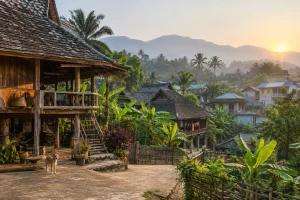
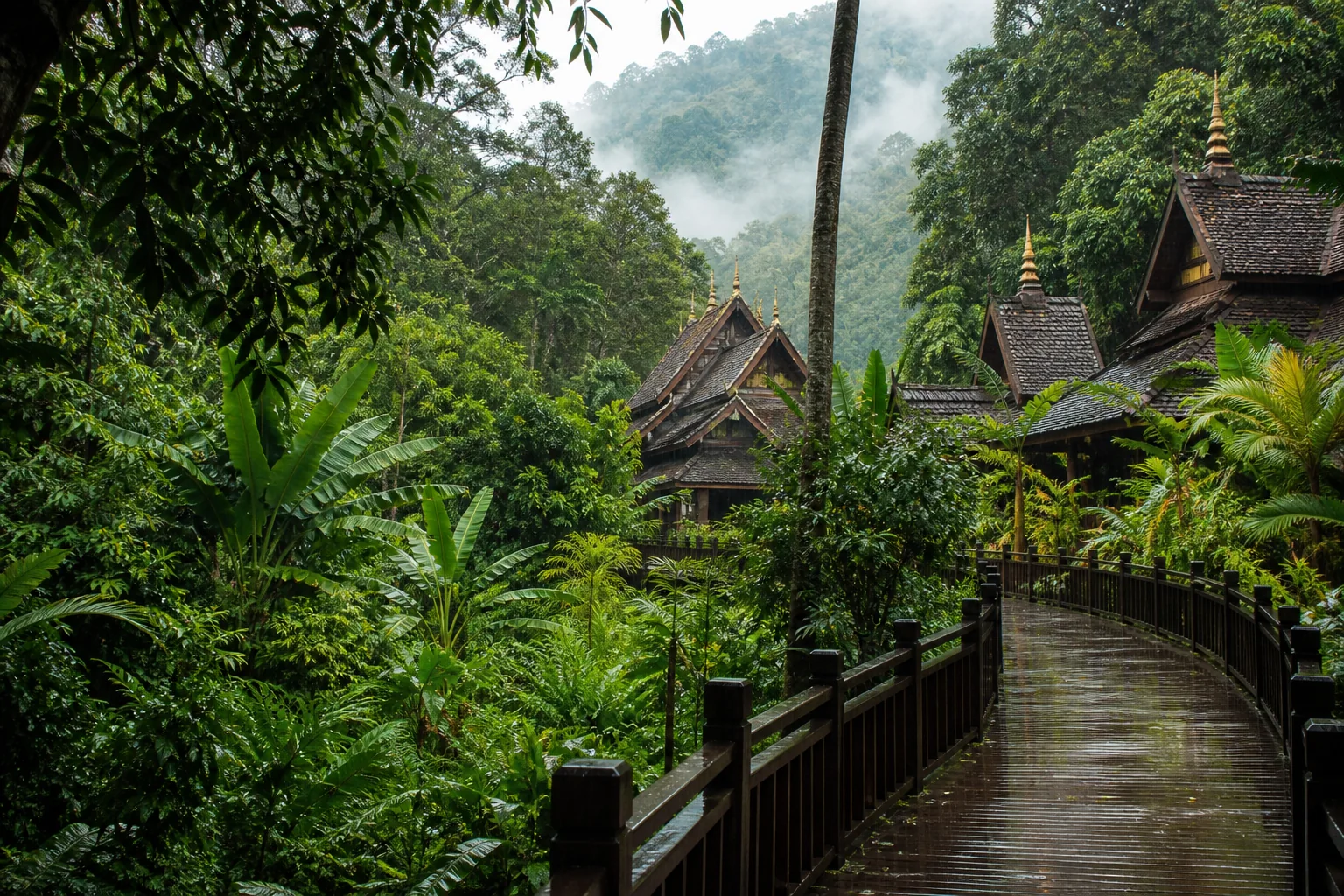
Xishuangbanna Travel Guide Xishuangbanna is warmer, greener and culturally different from the Kunming–Dali–Lijiang corridor. Jinghong is the transport base, while the strongest day trips lead to rainforest, Dai communities and tea-growing areas. Four nights gives enough room to avoid spending every day in a vehicle.
Quick comparison
| Season | Conditions | Who it suits |
|---|---|---|
| November–February | Drier and comfortable | Outdoor days and first visits |
| March–May | Hotter; major festival dates can be busy | Culture-focused travellers |
| June–October | Green, humid and rainy | Rainforest scenery with flexible plans |
Things to do in Xishuangbanna
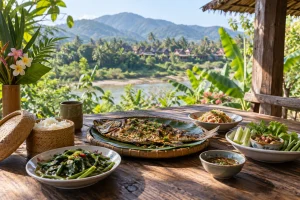
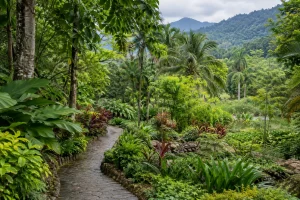
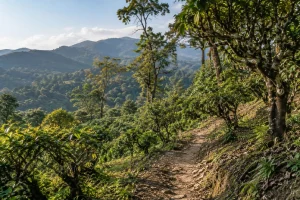
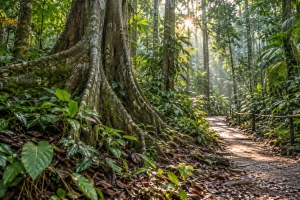
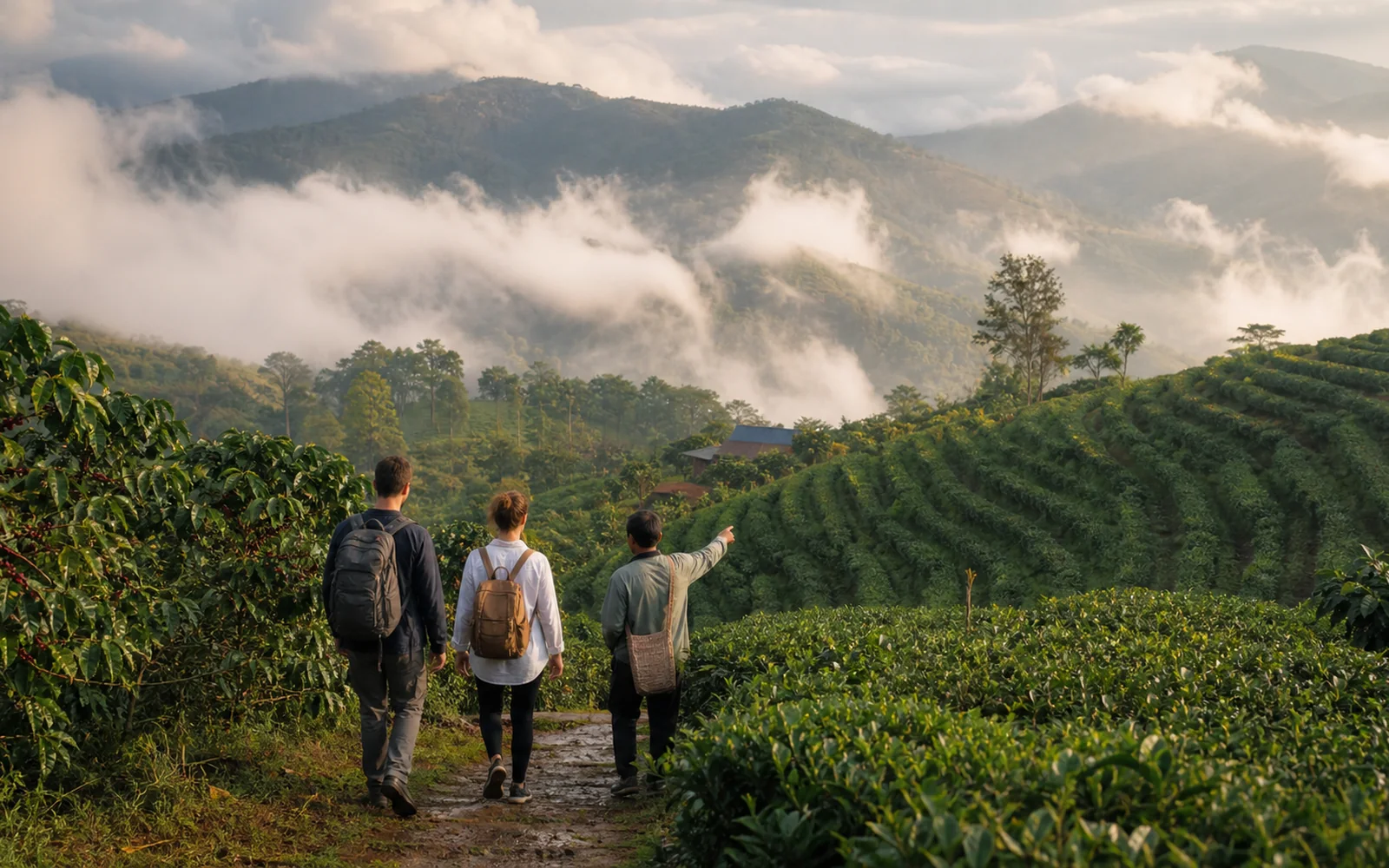
Use one day for Jinghong and its evening food scene, one for a genuine rainforest walk and one for a tea or village route. Large commercial parks can be convenient but should not replace all community and landscape experiences. Choose sites by interest and road time rather than collecting every attraction name.
Dai culture and village visits
Dress respectfully at Buddhist sites, remove hats where requested and ask before photographing residents. Village workshops should be agreed with the host. A useful guide explains food, architecture and religious practice without turning the visit into a staged costume stop.
Transport and base
High-speed rail links Jinghong with Kunming and Pu’er, but journey times and train numbers change. Xishuangbanna Gasa Airport is useful for direct domestic connections. Stay in Jinghong for restaurants and transport; choose a countryside lodge only when the property provides dependable transfers.
A workable plan
| Day | Focus | Base |
|---|---|---|
| 1 | Jinghong arrival and food walk | Jinghong |
| 2 | Rainforest and nature interpretation | Jinghong |
| 3 | Dai community and Buddhist culture | Jinghong |
| 4 | Menghai or Nannuo tea route | Jinghong |
Questions travellers ask
What is the best time to visit Xishuangbanna?
November to February is the easiest period for most visitors. The rainy season is greener but needs flexible outdoor plans.
How many days?
Four nights works for Jinghong plus three focused day routes.
Related routes
Local Planner Notes
Base planning on geography rather than a list of attractions. Jinghong is useful for transport and evening food, while rainforest, tea and village visits require time outside the city. Choose wildlife experiences carefully and avoid venues that depend on forced animal contact. Midday heat and seasonal rain can change the order of a day, so keep outdoor walks flexible and place indoor cultural stops where they provide a genuine alternative.
Frequently Asked Questions
How many nights are enough for Xishuangbanna?
Two to three nights give time for Jinghong, one main rainforest or riverside day and a cultural or food visit without rushing. Add more nights when you also want Menghai, Jingmai or a slower tea-focused extension.
How do I reach Xishuangbanna?
Jinghong is the practical base, with flight and rail connections depending on your starting city and date. The final itinerary should allow for station or airport transfers and should not schedule a distant rainforest or village visit immediately after a long arrival.
Can I visit a Dai village and a rainforest on the same day?
Sometimes, but it depends on distances, heat, rain and the kind of visit you want. It is usually better to choose one main outdoor experience and pair it with a nearby cultural or food stop than to move quickly between far-apart sites.
What is the weather like?
Expect a warmer, more tropical climate than northern Yunnan. Rain, humidity and heat affect walking and road timing, so pack light layers, rain protection and suitable shoes, then keep the outdoor sequence flexible for current conditions.
Are tea visits available all year?
Tastings and hosted visits can often be arranged, while harvest or processing work is seasonal. Confirm the producer, village or workshop and the exact activity before the route is finalised rather than assuming a particular farm task will be underway.
Related Planning
- compare China food and culture tours
- read the regional China food guide
- explore Chengdu
- explore Kunming
Turn the Idea Into a Workable Route
Share your dates, arrival and departure cities, preferred pace and the experience that matters most through Plan My Trip. VeroTrip can compare the practical route options and prepare a written proposal with confirmed inclusions and limitations.
Continue Planning Your Yunnan Trip
Use these Yunnan resources to compare route length, season, transport, budget and private travel options before fixing the daily sequence.
Find your route and plan the details
Choose a private journey for your available time, or explore the practical guides below before deciding where to stay.
- 7-Day Xishuangbanna Tea Mountains & Botanical Journey
- 5-Day Xishuangbanna Botanical Garden & Forest Tour
- 4-Day Xishuangbanna Family Nature & Craft Tour
- 3-Day Jinghong Dai Food & Culture Tour
- 2-Day Jinghong Tropical Landscape & Village Photography
- Xishuangbanna Botanical Garden: Plan a Comfortable Visit
- Nannuo or Jingmai? Choosing a Yunnan Tea-Mountain Visit
- Jinghong or Menglun? Where to Stay in Xishuangbanna
- Dai Village Visits in Xishuangbanna: What to Expect
- Xishuangbanna in Rainy Season: Plan Around Heat and Showers