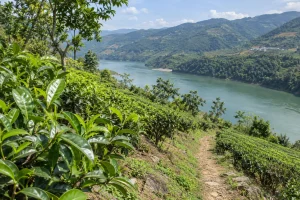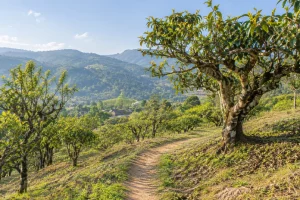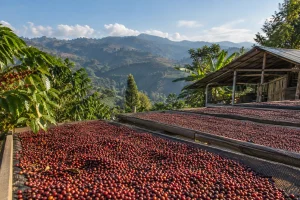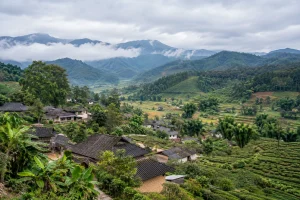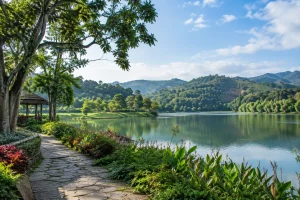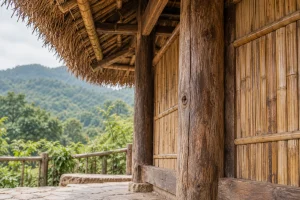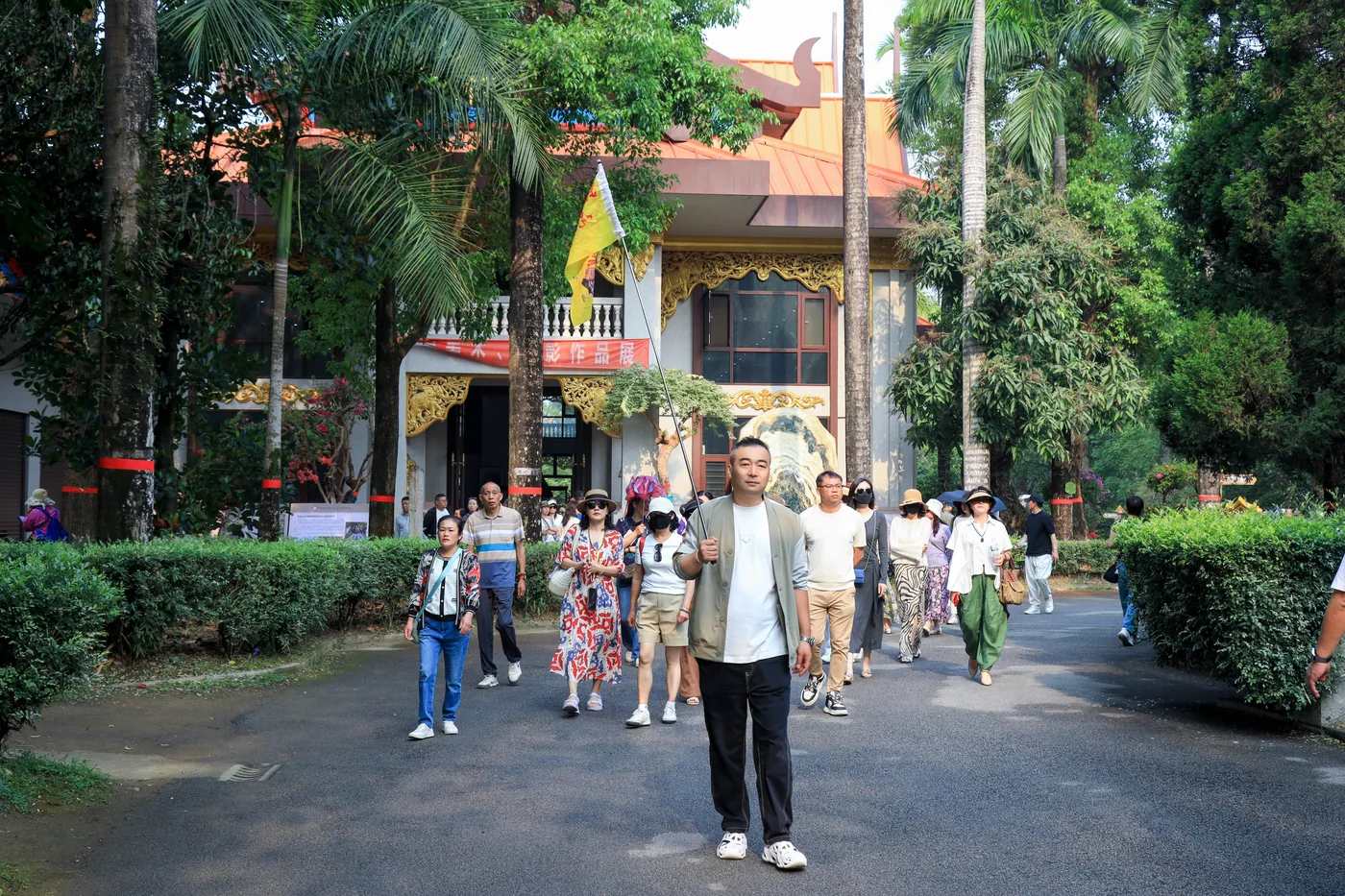
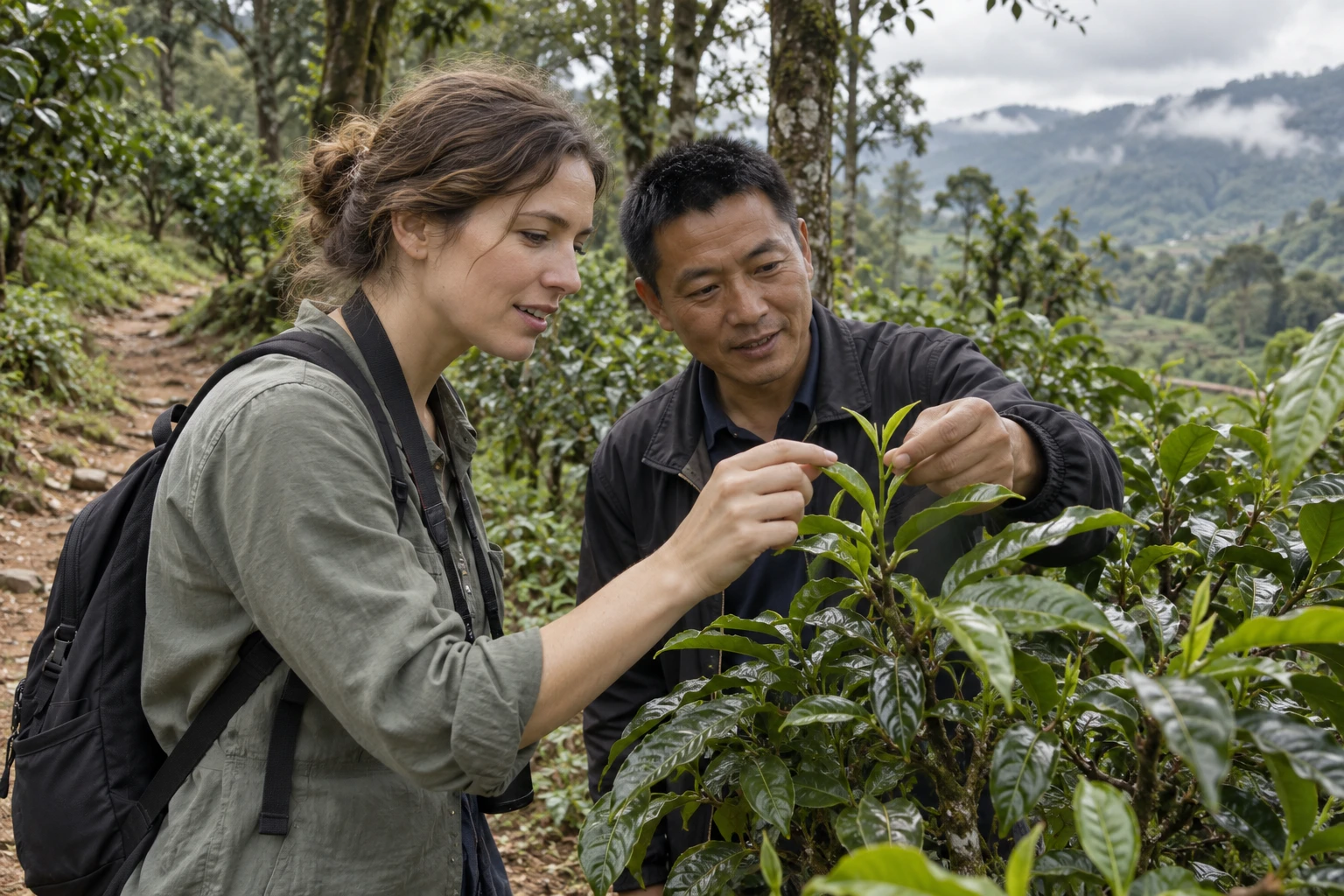
Updated 7 October 2026. Cover and tea-travel scenes are illustrations.
Choose the Lincang area that matches your tea or coffee interest: Fengqing for Dianhong, Bangdong/Xigui for an outing from Lincang city, or Mengku in Shuangjiang for a focused Pu’er-tea stay. Combining them adds road stages. The wider region and city share a name, so establish the hotel base.
Which base fits your interest?
| Base or area | Main reason to choose it | Planning consequence |
|---|---|---|
| Lincang city / Linxiang | A practical city base for coffee and Bangdong/Xigui visits | Arrange the rural return; a cafe and a farm appointment differ |
| Fengqing | Dianhong black-tea context, Anshi and tea heritage | Stay locally for a full tea day |
| Mengku / Shuangjiang | Village and origin questions around Pu’er tea | Name the actual host and village before booking |
| Lushi extension | Tea-caravan heritage and lived-in old streets | Allow separate road time and suitable lodging |
For a short Lincang stay, give one countryside appointment enough time. For a black-tea focus, build around Fengqing and its gateway journey. Experienced tea travellers may prefer a longer producer conversation to several shop stops.
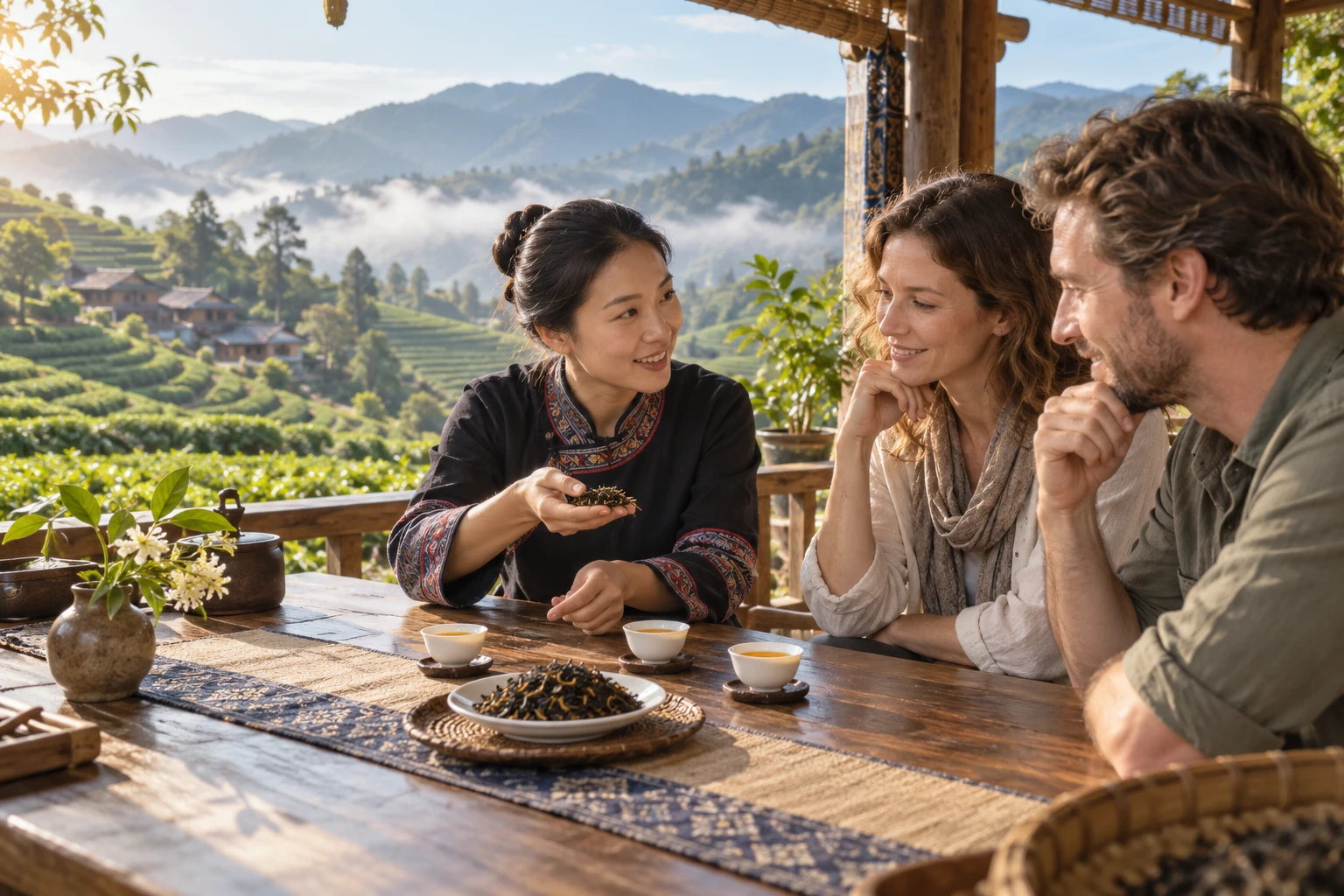
A sensible length for each style of visit
| Available time | Useful shape | Avoid |
|---|---|---|
| One local day | A single Bangdong/Xigui focus from Lincang | Trying to add Fengqing or Mengku |
| Three days | One origin base, with arrival and departure space | Treating all three days as full touring days |
| Four to six days | Two origins with a proper transfer stage | Evening road travel after a long producer visit |
| A week or longer | A broader one-way journey with transit nights | A chain of one-night stays and compulsory tastings |
Confirm the actual arrival gateway after checking travel-date flights or trains. A Fengqing hotel, Lincang airport and Yunxian station are separate places. Put the full pickup location in the booking rather than relying on a general Lincang collection.
Decide what an origin visit means to you
Choose a cafe, farm walk, processing discussion or hands-on session deliberately. A field visit needs the host and permitted area; a practical session also needs materials, supervision and time. Processing can be explained while equipment is idle. Ask for the components you want instead of assuming an estate offers all of them.
Compare the drinks and hosts you actually meet. For tea, request available origin, harvest, processing and storage information. For coffee, note the growing origin, process and roast. Those details support a useful discussion without declaring one entire region better than another.
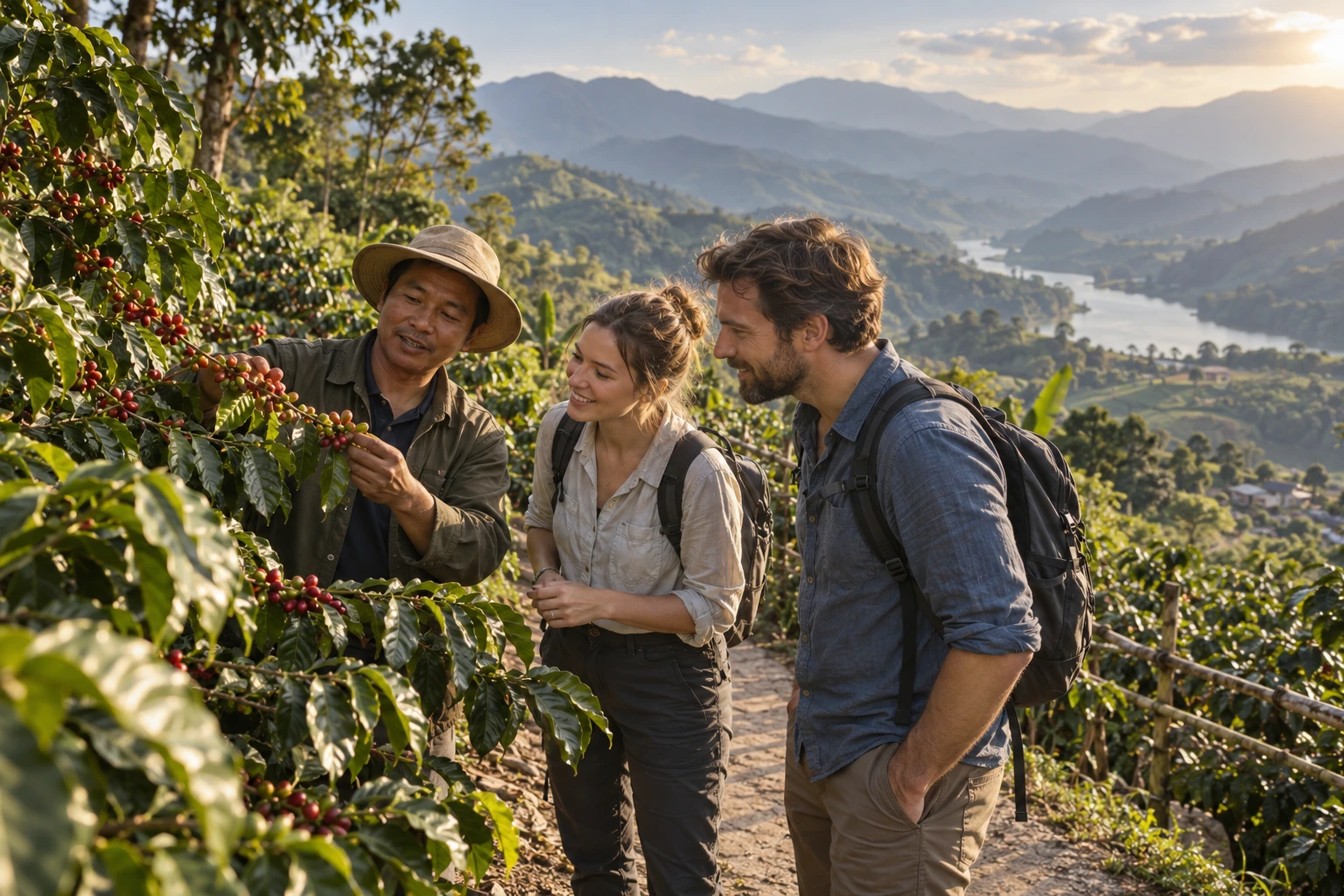
Food, language and accommodation
Arrange the person who will interpret the visit. A knowledgeable producer may need language assistance, while a road transfer does not include a guide’s explanation. Send technical topics beforehand so the host and interpreter can prepare.
Check the property, bathroom, stairs, road access and breakfast before a rural overnight. Explain allergies, vegetarian or halal needs while choosing the base. Arrange lunch and water separately from tasting appointments; a producer may not offer meals.
Season and weather: retain a worthwhile alternative
Choose the host’s available work for your dates. Picking and active processing follow the crop and production schedule. Tastings and explanations remain useful outside those periods, while rain may favour a shorter path or indoor session.
Buying tea or coffee without pressure
Decide your budget before tasting and ask whether purchases are separate from the visit fee. Keep labels and receipts, and record the product rather than relying on a famous place name. A visitor tour is not an authentication service, professional training certificate or export arrangement. Commercial buyers should request a separate appointment with the relevant documentation needs.
Keep border-area travel separate
This guide’s core routes focus on Lincang city, Fengqing and the Mengku area. A plan extending to a border-area destination needs its own current access and accommodation checks for your nationality. A domestic tea journey does not include crossing an international border or permission to bring a foreign-registered vehicle into China.
Once you have chosen the tea area, use the Lincang transport and hotel guide to turn that choice into a pickup and overnight plan. Send the actual airport or station, hotel map pin, host appointment and departure time together; a booking in one part of the region does not settle the transfer from another.
Build your route with Verotrip
Send your main tea or coffee interest, available days, arrival hub, nationality for accommodation planning, and preferred language support. Send your dates and preferences. We can shape a written proposal around available hosts and transport. The quotation lists the services, dates, booking terms and alternatives you accept before payment.
Further reading
Yunnan agriculture: Lincang coffee · Lincang tea destinations
Matching routes
1-Day Xigui Tea and Coffee Tour from Lincang · 6-Day Fengqing and Mengku Tea Comparison Tour · 8-Day Lincang to Pu’er Tea and Coffee Journey
Still choosing the region? The Yunnan tea-and-coffee planning guide compares Lincang with Pu’er, Jingmai and Baoshan, with appointment questions and hotel-night examples. This regional guide develops the Lincang choices after that decision.
Frequently asked questions
What entry or document arrangements need checking first?
This guide’s core routes focus on Lincang city, Fengqing and the Mengku area. A plan extending to a border-area destination needs its own current access and accommodation checks for your nationality. A domestic tea journey does not include crossing an international border or permission to bring a foreign-registered vehicle into China.
Where should I stay to make the daily journeys easier?
For rooms, confirm the exact property, bathroom arrangement, stairs, vehicle access and breakfast. State food allergies, vegetarian or halal needs before choosing a rural base. A tea or coffee producer is not automatically a meal provider.
How should I plan meals and dietary requirements?
State food allergies, vegetarian or halal needs before choosing a rural base. A tea or coffee producer is not automatically a meal provider. Keep a lunch plan and water even on an appointment-led day; tasting several caffeinated drinks should not replace a meal.