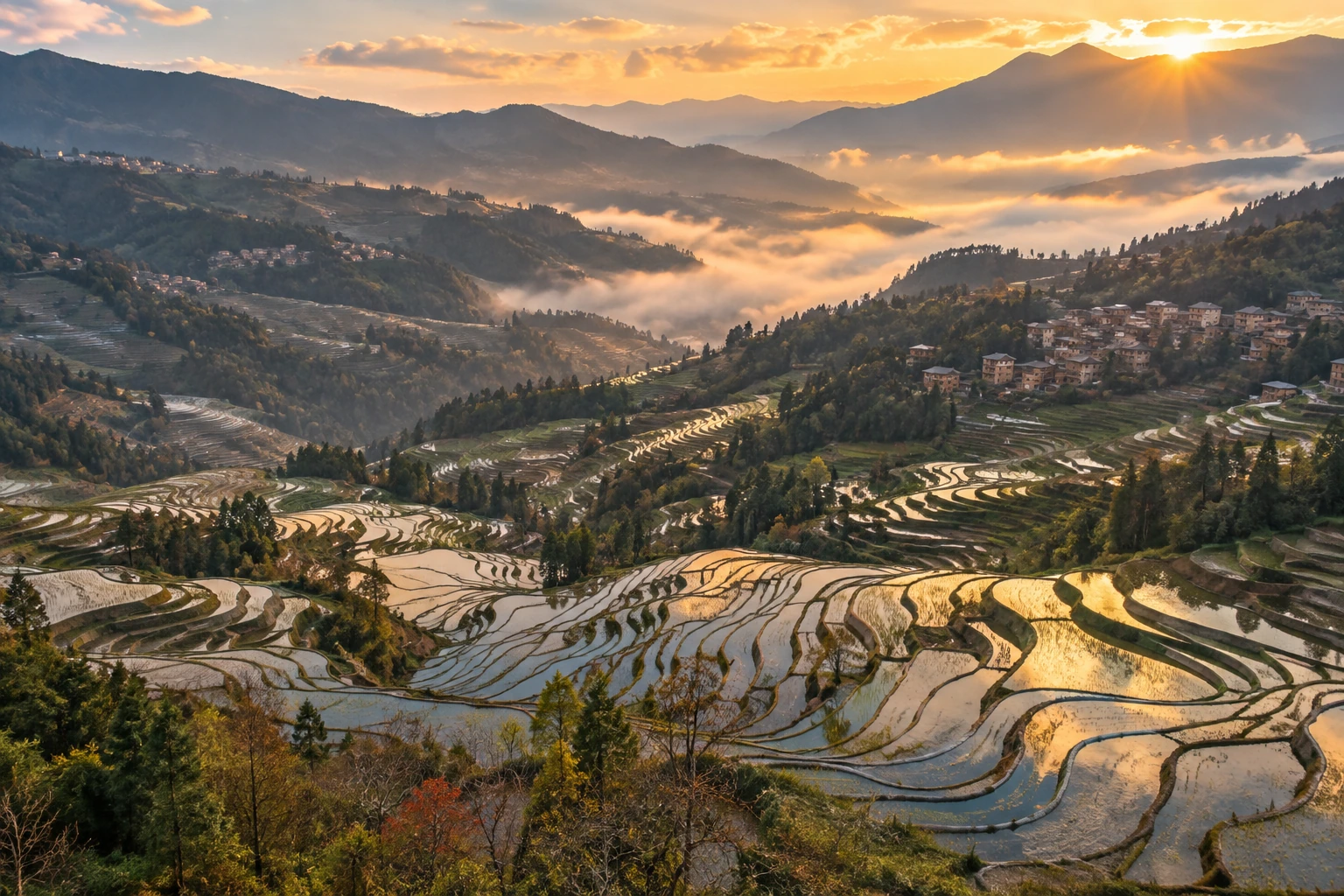
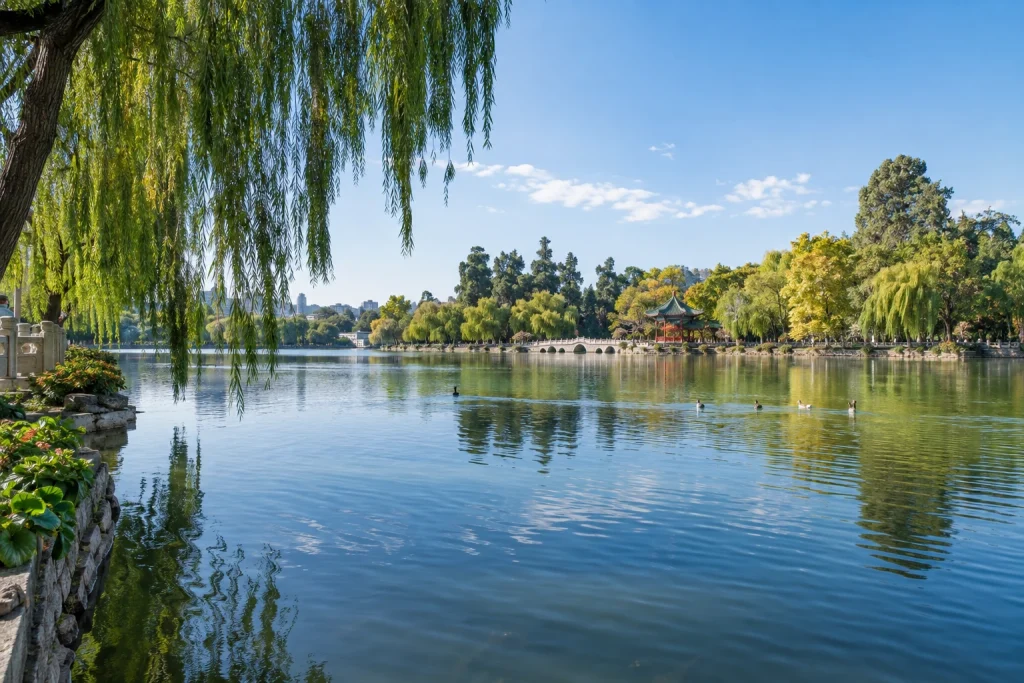
Give a photography journey one main subject and enough time to return to it. A terrace landscape, village street, tea forest and mountain view need different bases and rhythms. Choose the photographs you enjoy making, then compare routes that leave room for changing light, visibility and a second attempt.
Choose a subject region before a province-wide circuit
Landscape photography rewards flexible local time. A cultural journey can include photographs without becoming a specialist workshop; guiding, camera tuition, a portrait session and a dedicated photography leader are separate services. Tell us which support you need, rather than assuming the word photography establishes an instructor.
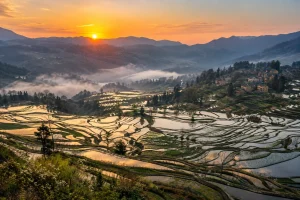
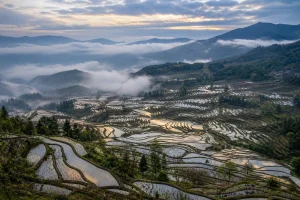
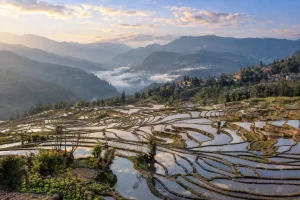
UNESCO describes the Honghe Hani terraces as a connected landscape of forests, villages, irrigated fields and water management. That offers subjects beyond one sunrise: field patterns, buildings and everyday cultivation, approached through permitted visitor routes and willing hosts. A resident’s work is part of a living place, not an arranged performance.
| Subject | Region to compare | The route decision |
|---|---|---|
| Terraces and farming patterns | Yuanyang / Honghe | Spend consecutive nights near selected permitted views; keep another dawn available. |
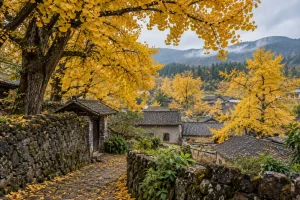
| Seasonal colour and old-town detail | Tengchong | Choose a base and actual crop or leaf conditions; a calendar date cannot guarantee colour. |
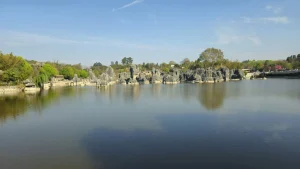
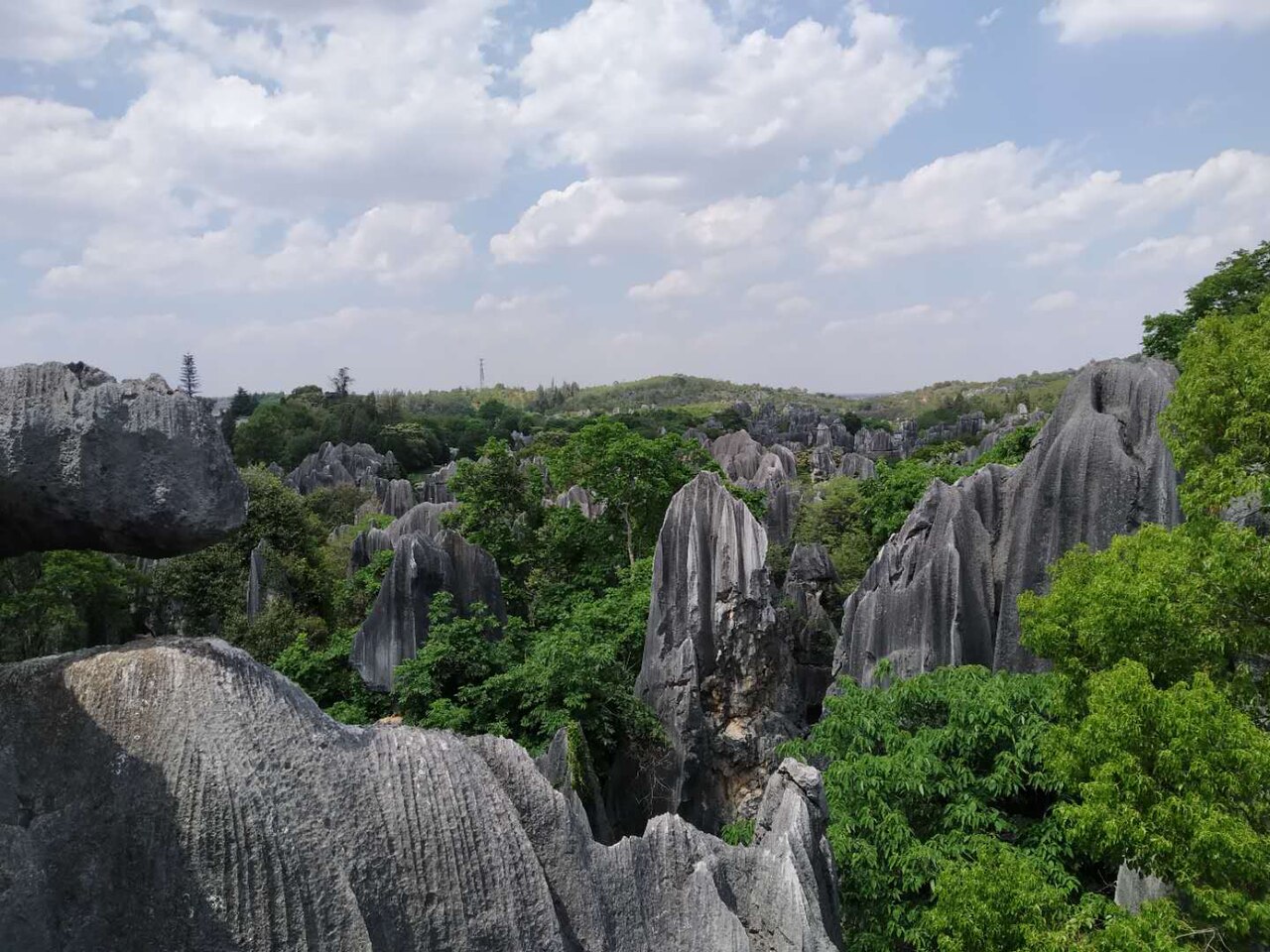
| Limestone formations | Shilin near Kunming | Give a selected walking route time; use an easier alternative for wet footing. |
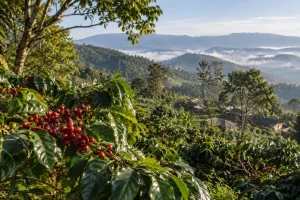
| Tea and coffee landscapes | Pu’er, Jingmai or a separately chosen western coffee region | Arrange the actual host and working-area permission. These are different road corridors. |
| Tropical landscapes and village settings | Jinghong / Xishuangbanna | Match walking, shade and access to the party, then allow a slower local session. |
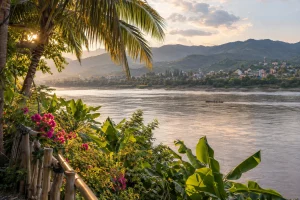
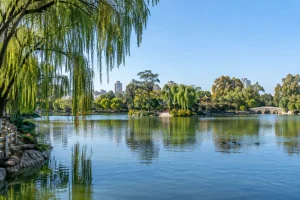
| Lake, old-town or mountain interests | Dali or Lijiang region | Choose the actual setting and a suitable day; specialist portraits and mountain access need separate arrangements. |
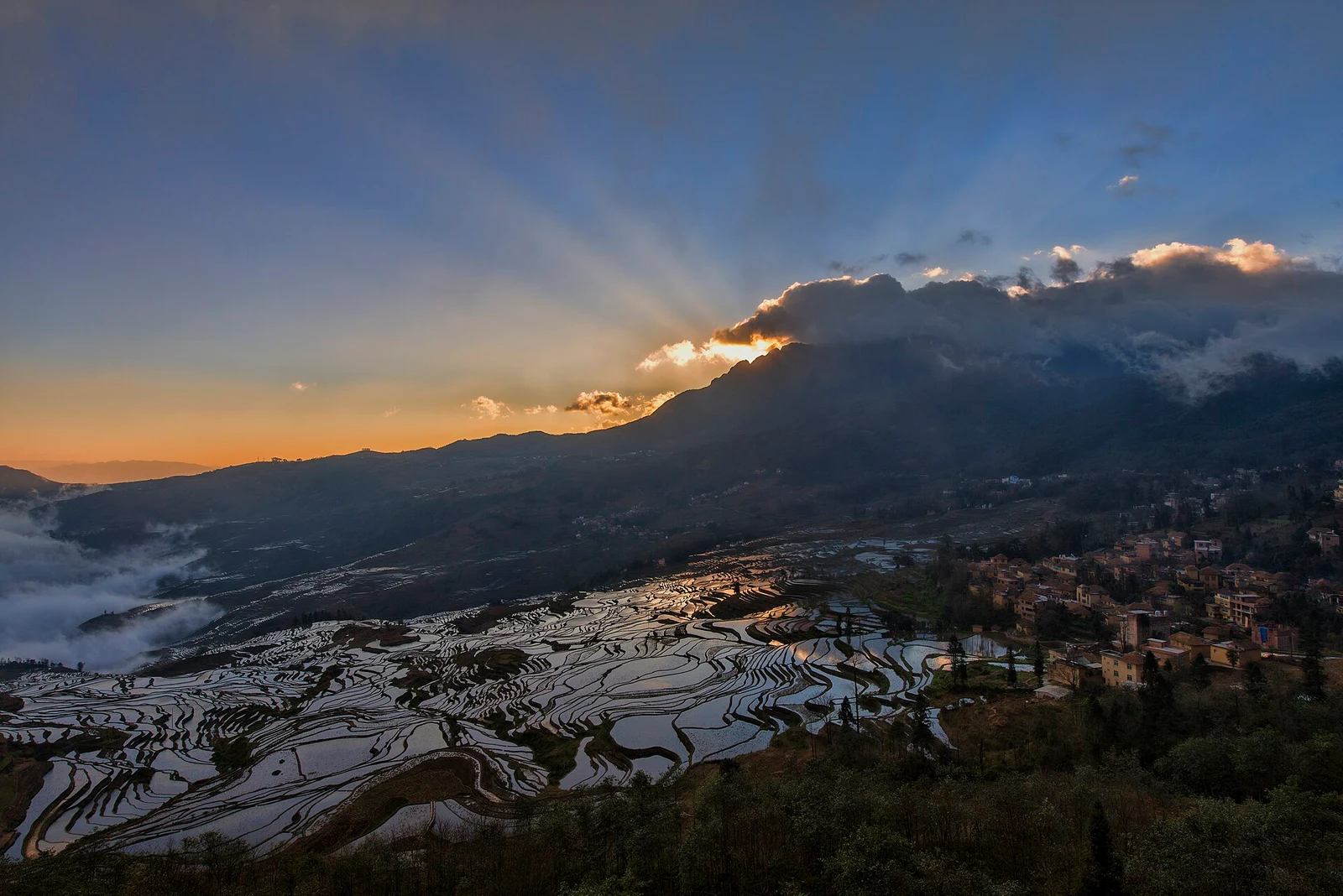
Duoyishu rice terraces at dawn. Photo by chensiyuan; source and original, CC BY-SA 4.0. Resized and converted to WebP. This adaptation remains available under the same licence. Historical image, not current conditions.
A five-day, four-night terrace-focused planning example
This example uses Kunming for the gateway nights and two consecutive Yuanyang nights. It gives two possible terrace mornings, including one followed by the return transfer. It is a planning framework, rather than a statement that every published five-day tour follows the same sequence.
| Day | Main purpose | Night and practical limit |
|---|---|---|
| 1 | Arrive in Kunming, check equipment and settle in. | Kunming. A late arrival remains an arrival evening. |
| 2 | Road journey to the agreed Yuanyang base; a local afternoon only if arrival allows. | Yuanyang, first night. Avoid promising a full photography day as well as the transfer. |
| 3 | A selected dawn, breakfast and rest, then a village or another permitted landscape session. | Same Yuanyang base, second night. Keep a flexible middle of the day. |
| 4 | A second morning opportunity, then a measured return to Kunming. | Kunming. This is not a second full local day. |
| 5 | Depart from the actual station or airport on the booking. | No final night. Add one if the connection requires it. |
What an extra night changes
Add a third terrace night when it creates two completely local days and eases departure after the second dawn. That can provide more opportunity than a distant extra subject. For a shorter two-day excursion, check how much daylight remains after the approach and when the return starts.
Keep cloud, fog, water and planting changes in the photography plan. A later landscape period, architectural detail, seated host conversation or earlier rest can remain worthwhile. Agree the alternative without promising a cloud sea, reflection or clear mountain view. A photograph from a previous visit illustrates a subject, not a forecast.
For a mixed-interest party, make the early starts optional where logistics permit. Specify where companions can stay, when breakfast is available and how everyone reunites. One vehicle cannot simultaneously stay with a distant dawn group and provide unrestricted transport for companions elsewhere.
Equipment, walking and room location
Tell the planner about tripods, camera bags, backup equipment and the amount you can carry. A room with a scenic name does not establish the distance to the viewpoint, vehicle access or the final steps with luggage. Ask for the actual property, pickup point and walking surface.
Prepare weather protection and a method for keeping equipment dry between sessions. Leave a useful rest and charging window rather than scheduling repeated dawn-to-night days. Check the room’s practical charging and storage arrangements when they matter to your equipment. A remote village stay should be chosen for its actual facilities as well as its atmosphere.
Ask before making a close portrait, entering a home or photographing a working area. An invitation to a tasting does not grant a portrait session. Drone flying requires its own current permissions; a ground itinerary or hotel booking does not include them. Keep an ordinary photography holiday workable without drone access.
Compare the existing photography itineraries
Use the daily programmes to compare gateways, hotel nights and subjects. A local two-day programme may start in the region, while a longer version includes the road approach from Kunming. Check the actual start before treating them as equivalent.
- 10-Day Honghe Heritage & Yuanyang Terrace Journey
- 5-Day Yuanyang Photography Tour from Kunming
- 2-Day Yuanyang Sunrise & Village Tour
- 2-Day Pu’er Coffee Country Photography Tour
- 2-Day Jinghong Tropical Landscape & Village Photography
- 6-Day Tengchong Autumn & Ginkgo Photography Tour
- 8-Day Luoping & Yuanyang Seasonal Photography Tour
- 3-Day Yuanyang Rice Terraces Tour from Kunming
For the wider planning choices, read the Yunnan photography planning guide and the Yuanyang terrace guide. The UNESCO terrace description explains the cultural landscape behind the viewpoints.
Questions before choosing
Do I need professional camera equipment?
No. Explain whether you use a phone, a compact camera or a larger system, and whether you want instruction. The route should fit the way you take photographs.
Is a photography instructor automatically included?
No. Ask for the named service, language, session format and level of support. General destination guiding does not establish photographic tuition.
Can I combine landscape and pre-wedding photographs?
A portrait production has its own photographer, clothing, styling, locations and weather plan. Compare the separate Yunnan pre-wedding collection before combining the two purposes.
How should I choose between a short and longer route?
Count local mornings and full local days, then subtract transfers. Add time where it improves the main subject rather than simply increasing the number of places.
Plan your journey with Verotrip
Send your dates, actual arrival and departure, party size, room needs and main subjects, early-start tolerance, equipment and the photographic support you want through Plan My Trip. The written proposal identifies the selected visits, transport, language support, meals, admissions and activities, together with the arrangements for changes. Published routes are starting points for an enquiry; date-specific availability needs confirmation.