6-Day Pu’er and Xishuangbanna Tea, Coffee & Nature Study Tour
Overview
Quick answer: A six-day Yunnan educational tour that connects coffee cultivation, the Tea Horse Road, tropical botany, rainforest ecology and Dai craft traditions between Pu’er and Xishuangbanna.
Your Route Map
Route at a Glance
| Duration | 6 days / 5 nights |
|---|---|
| Route | Pu’er – Jinghong – Xishuangbanna |
| Format | Private, date-specific educational program |
| Best for | University groups, senior secondary students, food-system programs and families with older children who want field learning rather than a sightseeing-only route. |
| Working language | English, with local interpretation where required |
Why This Route Works
The route follows a clear ecological and cultural gradient from Pu’er’s coffee and tea hills to the tropical landscapes of Xishuangbanna. Each full day has one main learning question, enough field time and a short reflection period, while the two travel days remain light.
Learning and Visit Highlights
- Trace coffee from ripe cherry to cup in Pu’er
- Compare tea farming and Tea Horse Road trade
- Join guided day and evening observation in tropical habitats
- Learn a Dai craft directly from a community practitioner
Daily Program
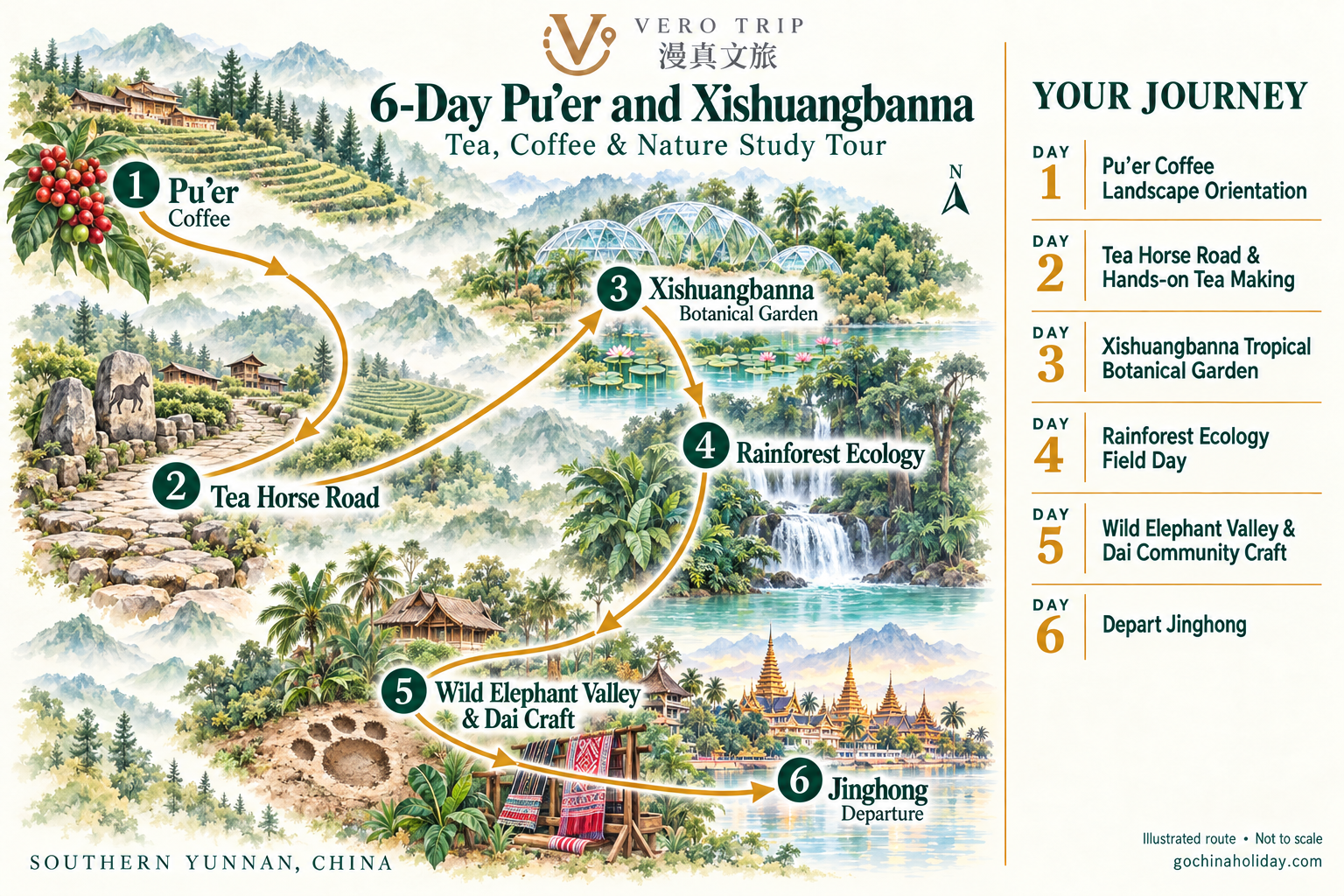
- Day 1: Arrive in Pu’er and Coffee Landscape Orientation
- Day 2: Tea Horse Road and Hands-on Tea Making
- Day 3: Xishuangbanna Tropical Botanical Garden
- Day 4: Rainforest Ecology Field Day
- Day 5: Wild Elephant Valley and Dai Community Craft
- Day 6: Depart Jinghong
How Company, School and Community Access Works
Visits are arranged for the specific group and date. The final proposal names the host, visitor route, discussion topic, group size, photography rules and any age or identification requirement. If a requested host cannot receive the group, we discuss a relevant alternative before the itinerary is issued.
Pace, Transport and Supervision
Each full day uses one main visit or two compatible half-day sessions. Road, rail and meal time are included in the working schedule. Student groups must provide participant ages, staff ratios, accessibility needs, allergies and emergency contacts before services are finalized.
What Is Included
- Private ground transport listed in the final program
- English-speaking local coordination and subject specialists as confirmed
- Admission and scheduled learning activities named in the final quotation
- Selected accommodation with breakfast for multi-day programs
What Is Not Included
- International and domestic flights or trains unless specifically quoted
- China entry documents, travel insurance and personal purchases
- Meals, talks, workshops or site access not named in the final quotation
- Optional activities and schedule changes requested during the trip
Frequently Asked Questions
Is this Yunnan study tour suitable for secondary-school students?
Yes, when walking distance, workshop depth and evening activity are adjusted to the group. Share ages, staff ratio and learning goals before the program is priced.
Will we definitely see wild elephants?
No. The visit explains habitat and conservation, but elephants move freely and sightings cannot be scheduled.
Can the coffee and tea workshops run year-round?
Core visits can often operate year-round, but harvest work is seasonal. The host confirms which farm tasks are meaningful for your dates.
How strenuous is the rainforest day?
The standard route uses established paths at a moderate pace. A shorter accessible route can be requested, while longer fieldwork needs suitable footwear and weather planning.
Can the program include a formal learning assignment?
Yes. We can align observation sheets, short presentations and discussion prompts with ecology, geography, food systems or cultural studies.
Plan This Program
Send the travel window, participant ages or professional roles, group size, learning goals and preferred accommodation through Plan My Trip. Compare related programs in China Educational Study Tours.
Daily Itinerary
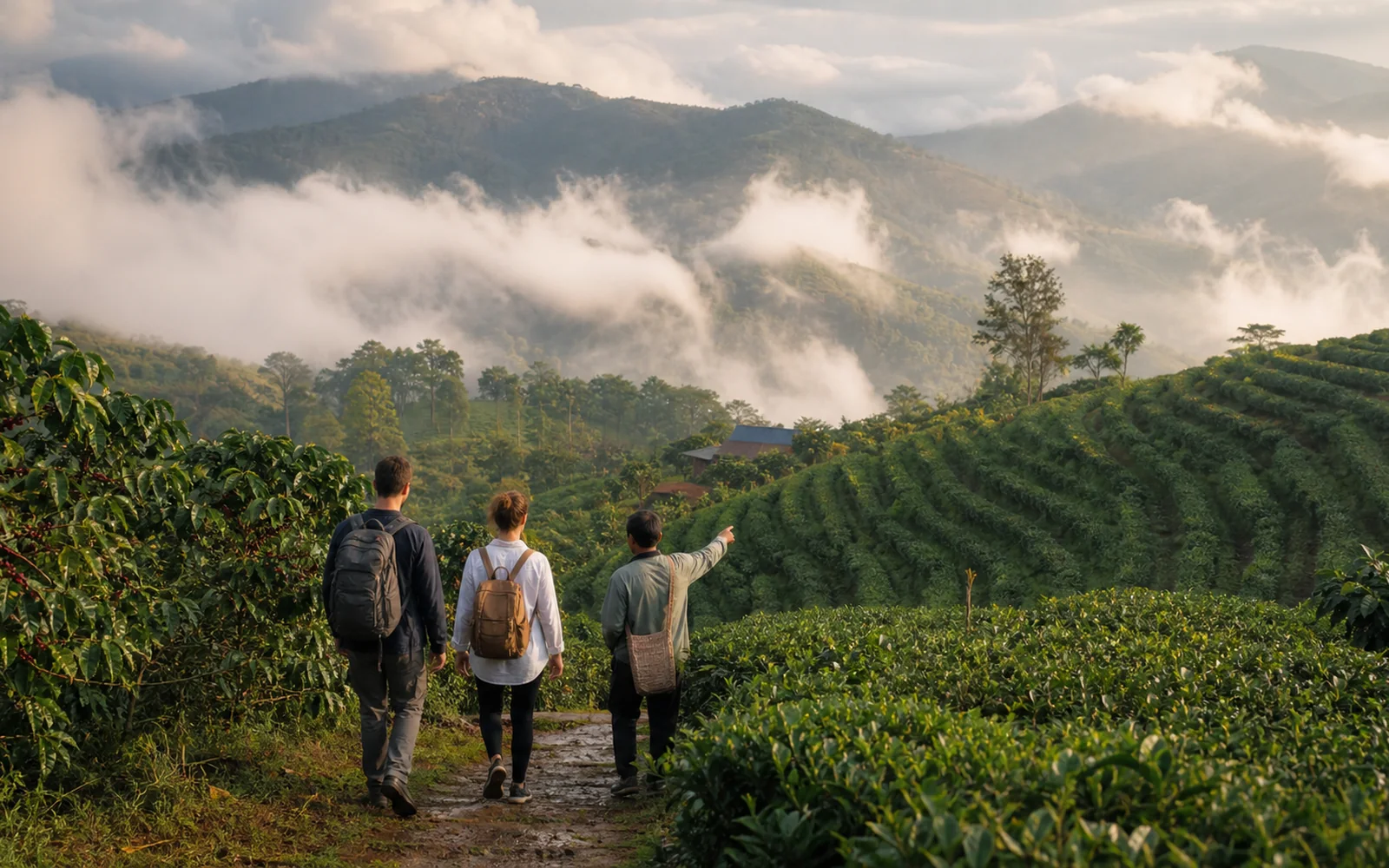
Meet the group in Pu'er, transfer to the hotel and visit a coffee-growing landscape if arrival time permits. A local host introduces altitude, shade, harvest season and the difference between seeing a farm and joining a scheduled processing activity.
Learning focus: Trace coffee from ripe cherry to cup in Pu'er.
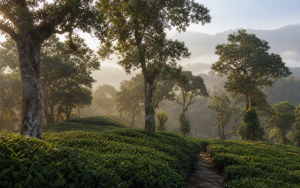
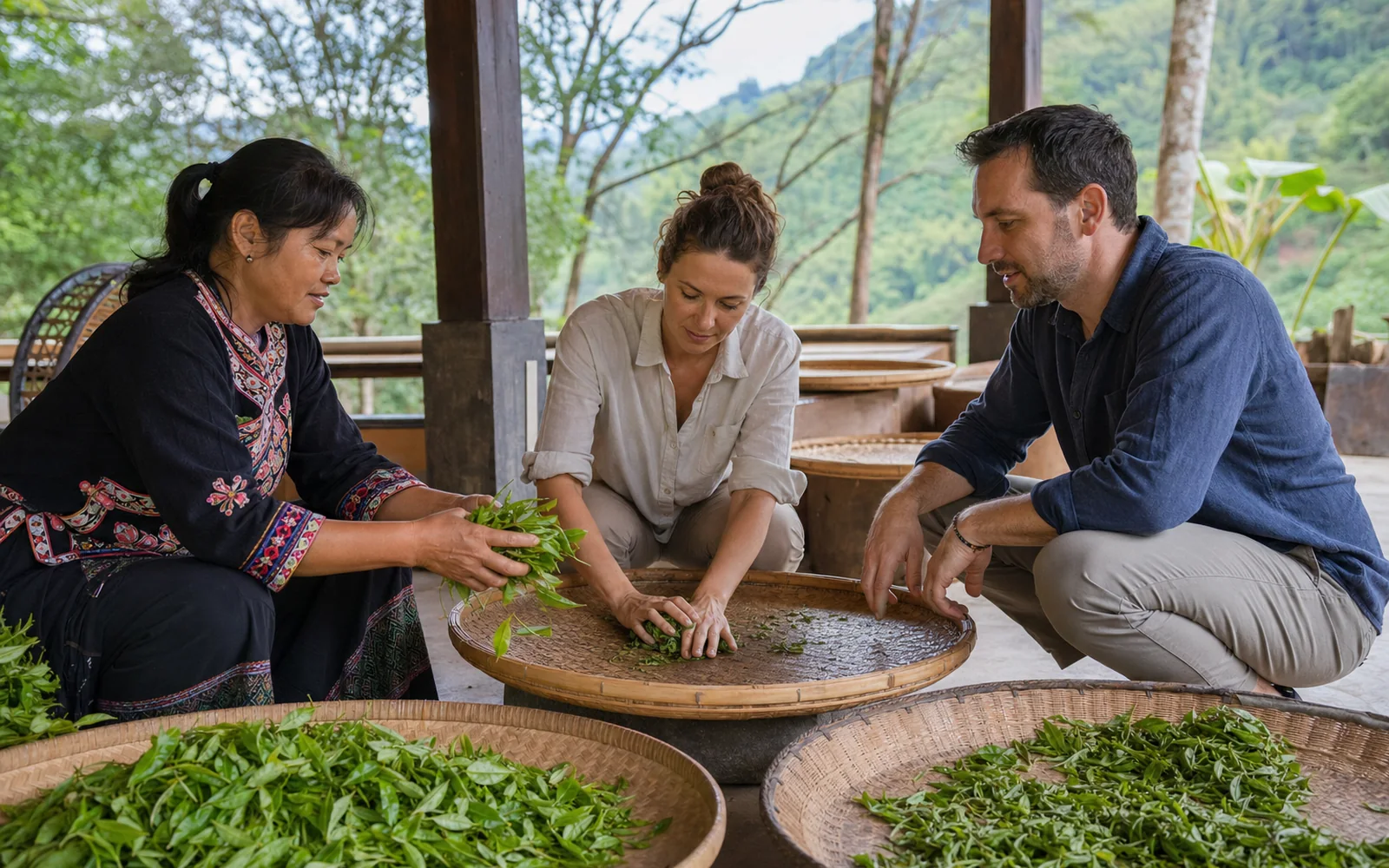
Walk a manageable section linked to the Tea Horse Road, then meet a tea producer for leaf identification, hand rolling and tasting. The guide connects farming choices with trade history and leaves enough time for safe travel rather than adding a second distant site.
Learning focus: Compare tea farming and Tea Horse Road trade.

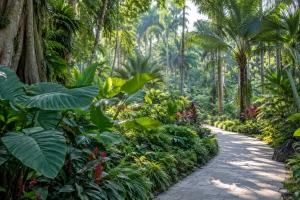
Travel toward Xishuangbanna and use the botanical garden as a living classroom for plant adaptation, useful species and conservation. When available, an evening nature walk focuses on observation methods and low-impact behavior.
Learning focus: Observe plant diversity and adaptations at the tropical botanical garden.
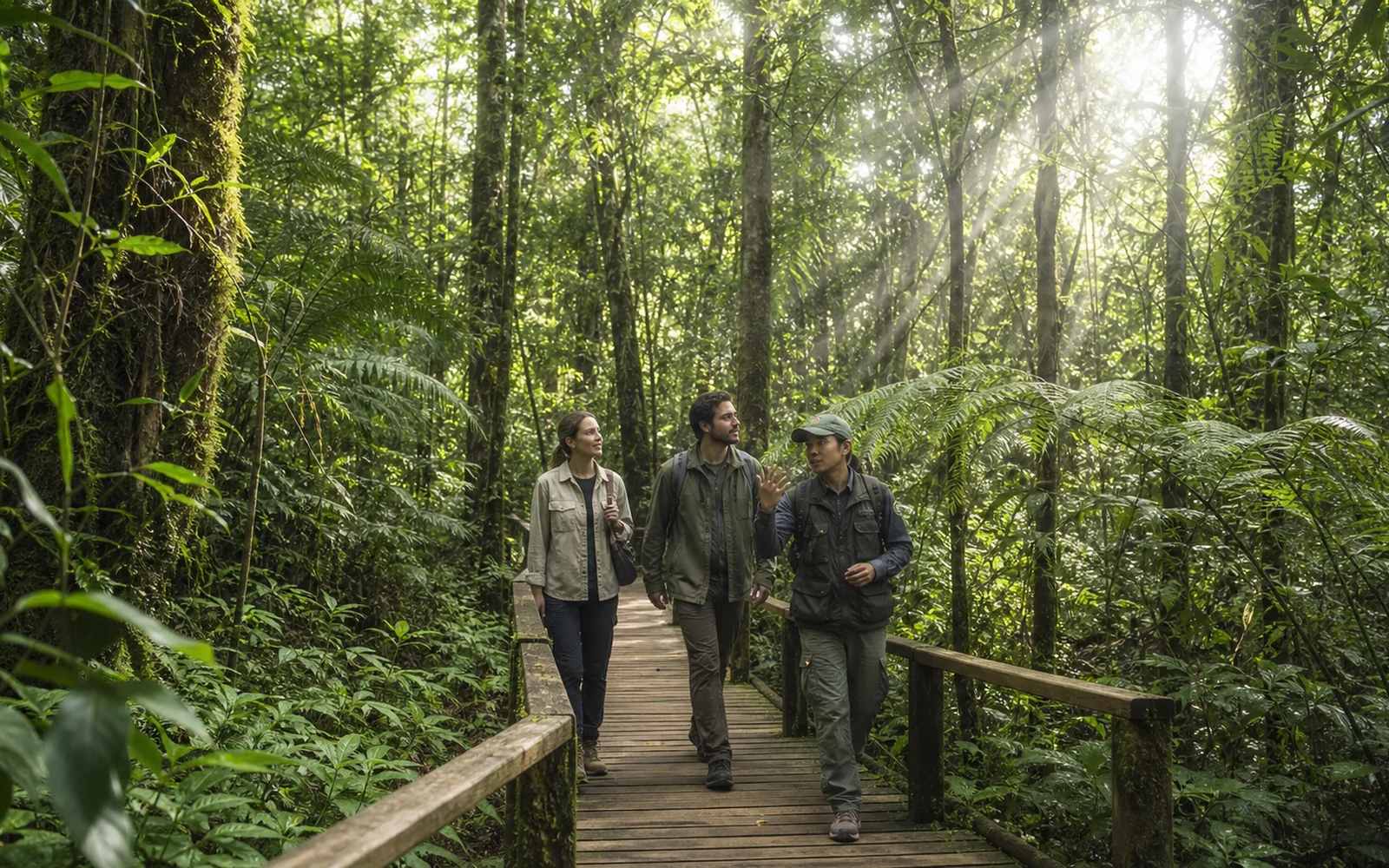
Follow a guided rainforest route suited to the group’s age and fitness. Participants record canopy structure, water movement and species relationships, then complete a cooperative outdoor task without collecting plants or disturbing wildlife.
Learning focus: Use guided observation to compare layers and relationships in a rainforest habitat.
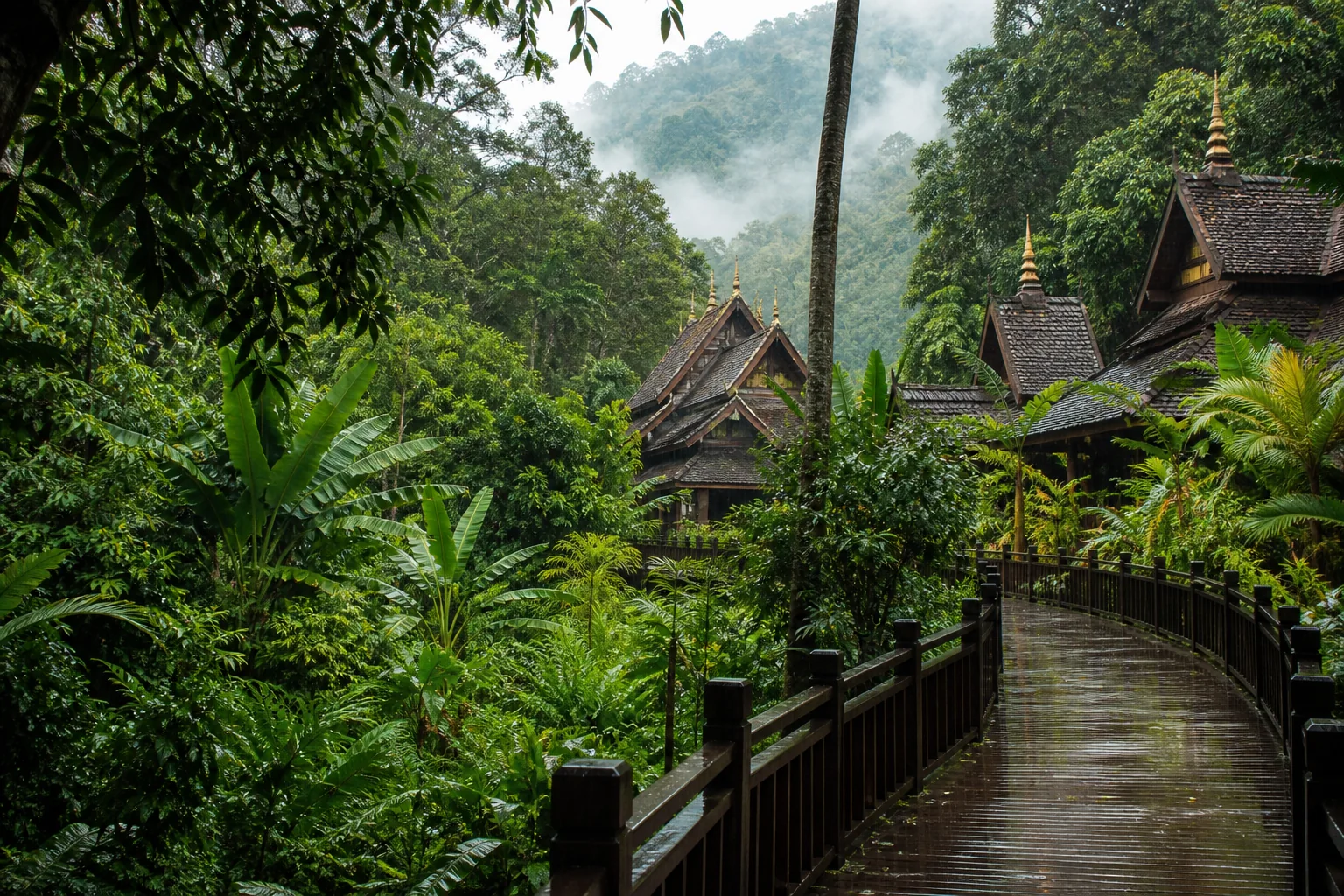
Visit the protected-area visitor route to learn about Asian elephant habitat and human-wildlife coexistence; sightings are never promised. Continue to a Dai community workshop for an agreed paper, weaving or plant-based craft activity and close with a group presentation.
Learning focus: Connect elephant-habitat interpretation with a community-led Dai craft.
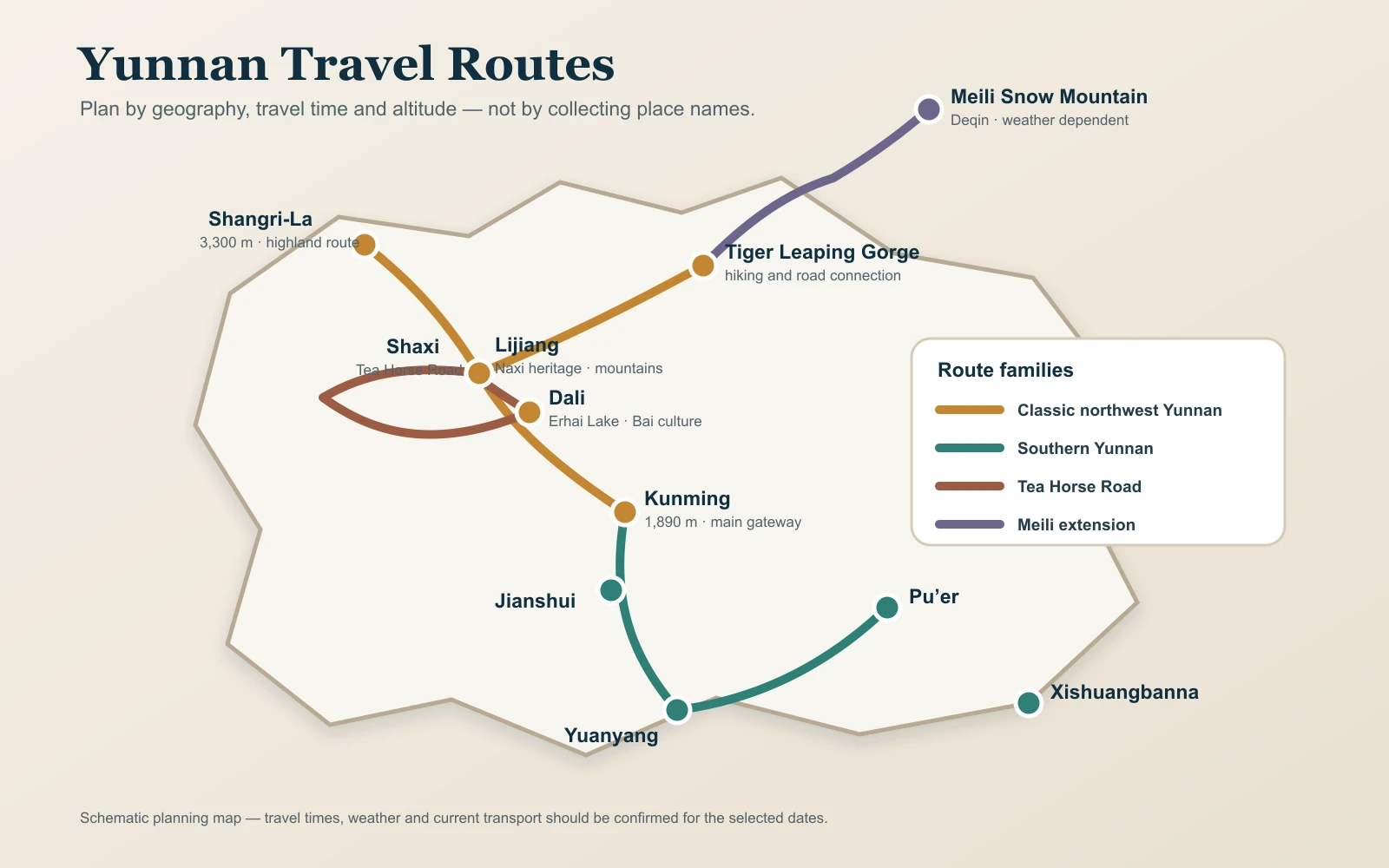
Transfer to Xishuangbanna Gasa International Airport or the agreed station. Departure timing includes city traffic, group luggage and the carrier’s check-in requirement.
Learning focus: Review the journey from coffee and tea landscapes to tropical ecology before departure.