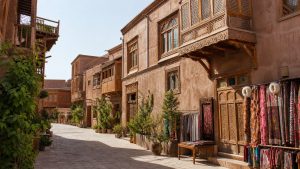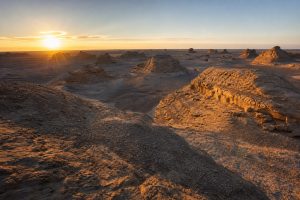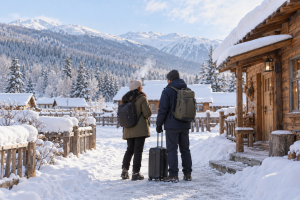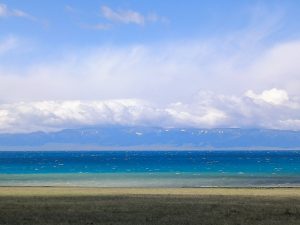
For a first trip to Xinjiang, choose one main region: Altay for Kanas and Hemu, Ili for lake-and-valley landscapes, or Kashgar and a carefully arranged southern extension for city culture and the Pamirs. Combine north and south only when you can protect several substantial visiting days in each and the connection between them. A map showing both places does not make them a convenient single driving loop.
Xinjiang (新疆) is in northwestern China. The Tian Shan mountain system separates northern and southern Xinjiang; the northern side itself contains distinct destinations. Altay and the Ili Valley are different journeys, with different gateways, hotel sequences and seasonal decisions. Urumqi is a useful gateway to compare, rather than a compulsory starting point for every holiday.
Updated 24 October 2026.
North, south or both: decide what the trip is for
Begin with the experience you would most regret missing. A short holiday works better with one landscape area and time to enjoy it than with a list of airports and overnight stops. The regional forestry authority’s geographical overview explains the mountain-and-basin setting; it does not imply a single visitor route through every region.
| Your main interest | Region to develop first | What changes the decision |
|---|---|---|
| Kanas, Hemu and an Altay landscape stay | Northern Xinjiang: compare an Altay-area gateway and the actual sequence of villages and nights. | Seasonal road controls, scenic transport and heating can change the workable overnight plan. |
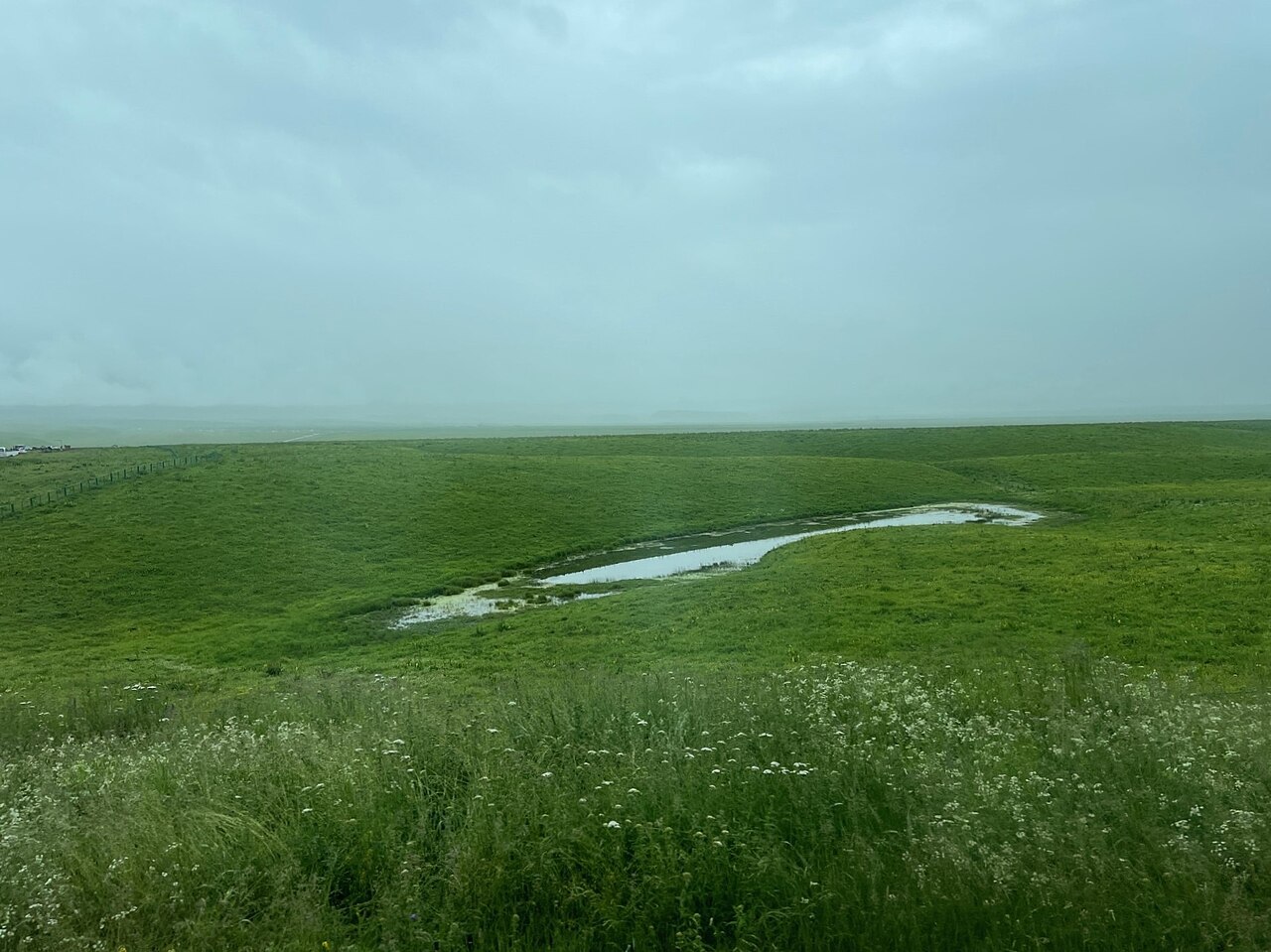
| Sayram Lake and Ili valley landscapes | An Ili-centred journey, often developed around Yining and the chosen lake or valley nights. | The greener landscape in summer photographs is not a promise for another month. |
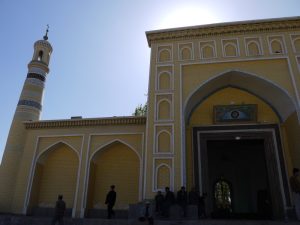
| Old-city streets, markets and architecture | Start with Kashgar; decide separately whether to add the Pamirs. | A city visit and a high mountain road journey require different time and access checks. |
| A broad first overview of Xinjiang | Select one northern area plus one southern base, with a protected connecting day. | If the transport consumes the visiting time, remove a region or extend the holiday. |
Use the Altay, Kanas and Hemu guide, Ili Valley planner and Kashgar planning guide to develop your chosen area. This comparison helps choose between them; it is not a suggestion to combine all three on a short first visit.
How many days are enough?
Count full usable days after reaching the region. A late flight, a long transfer to a village and a final return to the airport are part of the holiday, but are not three interchangeable sightseeing days. Add the actual dates of your arrival and departure before judging whether a proposed plan feels relaxed.
| Time available | A realistic planning direction | Protect these parts |
|---|---|---|
| About five to seven days including travel | Develop one main area, with a city or gateway stop when it genuinely fits. | Arrival, the longest road sector, meals, check-in and one flexible period. |
| Around eight to ten days | Give one area more depth, or compare a very selective second area if the dated connection is practical. | A second region must add worthwhile visiting time, rather than mostly another transfer. |
| Around twelve to fifteen days | Compare one northern journey and one southern journey, with a clear connection between them. | Keep both regional stays meaningful and leave a recovery or disruption allowance. |
| Longer than two weeks | Consider an additional region only when its season and your interests justify it. | More days also allow fewer hotel changes, longer city visits and shorter walks. |
These are planning choices, not minimum entry rules or fixed tour durations. Someone focused on photography may want repeated mornings in one place; a family may gain more from a second night in the same room. A traveller with only six days can still make a worthwhile trip by narrowing the region.
If Kashgar and Kanas are both essential, compare flights or rail connections for the actual dates before fixing hotel nights. Do not assume there is a convenient direct flight every day, or describe the gap as a short scenic drive. A connection through Urumqi can be useful, but its airport and hotel transfers need their own time.
Choose the season for the place you will actually visit
“Best time for Xinjiang” is too broad to book against. A grassland holiday, an autumn lake visit, a winter village stay and a Kashgar city break have different requirements. Choose the landscape first, then ask for recent dated conditions and the operating arrangements for that place.
For Ili, distinguish a greener-season valley journey from a colder-season lake-and-village trip. A June meadow photograph does not show October grass, a winter road or the room’s heating. If a particular valley is central to the plan, check its visitor access and transport separately instead of treating every named landscape as a roadside stop.
In Altay, first snowfall is different from lasting snow cover. A winter-looking photograph does not establish that your transfer can run or that a specific hotel is ready for guests. Ask for the current road notice, the driver’s legal route, the scenic transport arrangement and the consequences for the next night if access is suspended.
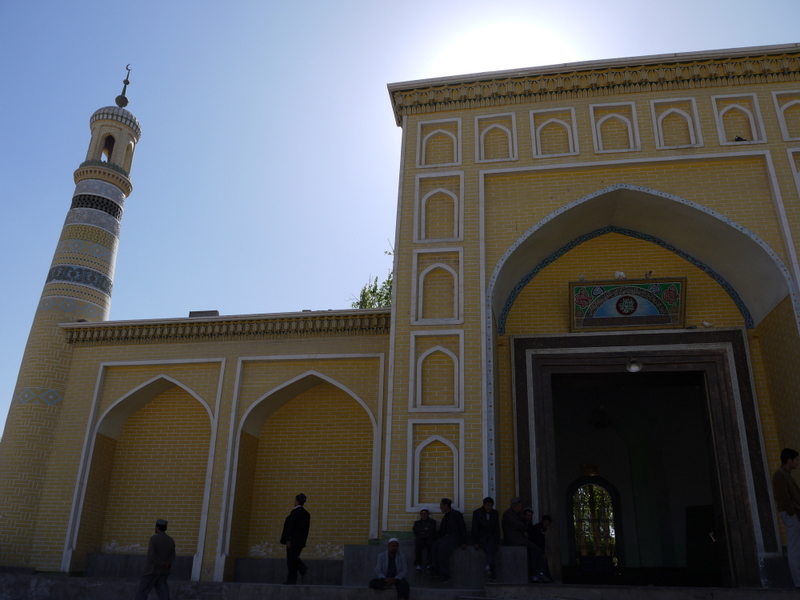
For Kashgar, plan city walking around the actual weather and your group’s comfort. Wind and dust can change an outdoor afternoon. Mountain conditions on a Pamir extension are a separate decision from the weather outside a Kashgar hotel. Keep a useful city alternative instead of treating a clear morning as permission to drive anywhere.
The Duku Highway is closed for the current winter period
The Dushanzi government notice of 8 October 2026 states that the Duku Highway’s winter closure began at 20:00 that day and that social vehicles may not enter. It says the 2027 reopening will be announced separately according to weather and road clearance. Do not build a late-October or winter itinerary around crossing it, or buy a 2027 plan on the assumption of a guaranteed reopening date.
If a proposed north–south itinerary depends on Duku, ask the organiser to redraw the actual route before you pay. Compare a suitable flight or rail connection, or keep to one side of the mountains. A driver’s vehicle type, confidence or previous summer journey does not cancel the closure.
Build the journey in two regional pieces
A north-and-south holiday is easier to assess when each section works independently. The example below is a sequence to develop after transport and permissions are confirmed, not a prebooked package or a promise that every transfer operates.
| Stage | Choose the nights before adding stops | Decision to settle |
|---|---|---|
| Northern section | Use either an Ili sequence or an Altay sequence, with the room nights needed for its actual road transfers. | Which lake, valley or village is essential, and what happens if its access changes? |
| Connection | Reserve enough time for the dated journey to the southern base, including pickup, baggage and check-in. | Is a flight, rail journey or another legal route the best fit? |
| Kashgar section | Keep usable city time before deciding how much of the remaining stay belongs outside Kashgar. | Would another city day be more rewarding than a rushed mountain extension? |
| Pamir extension, if suitable | Arrange its route, room nights, access conditions and return independently. | Can every traveller use that route on those dates, and does the whole group want the mountain journey? |
| Departure | Return in time for the real onward connection; add a gateway night where needed. | Which earlier activity will you drop if the road or transport is disrupted? |
Keeping an optional section removable makes the rest of the holiday more resilient. It also makes a quote easier to compare: you can see which nights, vehicles and admissions belong to the added journey. Ask for a revised day-by-day plan when changing regions; simply adding a flight to a tightly filled loop can leave no time to recover from it.
Hotels, passports and border-area access are separate checks
Send the accommodation your passport nationality, dates, party size and room requirements before paying. Confirm the exact property, room category, bathroom, heating and reception arrangements. A warm room described in one traveller’s review does not establish the facilities in every building or bed category.
The National Immigration Administration’s accommodation guidance distinguishes hotel registration from stays outside hotels. Hotels handle the accommodation registration; for a non-hotel stay, the traveller or host must arrange registration within 24 hours. Discuss the actual address and process with the host in advance. This requirement does not establish permission to camp or stay in a restricted place.
For a border-area outing, ask which permission applies to each traveller, destination and date. The NIA’s April 2026 border-permit announcement says foreign nationals must apply in person at a county-level or higher public-security exit-entry administration or a designated police station. The online process described for eligible mainland residents does not establish the same process for a foreign passport. The NIA service number is 12367.
A scenic-area ticket, a vehicle entry arrangement and a traveller’s border permission answer different questions. Do not assume that buying one grants the others, or that a permit guarantees every road and attraction along a proposed extension. Ask the receiving operator for the route-specific process before making non-refundable onward bookings.
Driver, guide, luggage and everyday comfort
Agree the actual vehicle, passenger and luggage capacity, daily sequence and driver responsibilities. A private driver is not automatically an English-speaking guide, and a road vehicle does not automatically replace an attraction’s visitor transport. Specify the guide language and any interpretation needed for ticket windows, hotels or food discussions.
For older travellers, children or anyone with limited walking, ask where the vehicle can legally drop off, how far the room is from that point, and whether there are steps or slippery outdoor approaches. Keep a seated meal and a warm indoor break when the weather demands it. A more comfortable plan can mean fewer stops and another night, rather than a larger vehicle alone.
On a mountain extension, seek appropriate medical advice about personal suitability before committing. Do not rely on a tour title, oxygen bottle, sweet drink or another visitor’s experience as a guarantee against altitude illness. The Kashgar guide keeps the city stay distinct from the Pamir decision so you can omit the latter without losing the whole holiday.
For food and prayer needs, confirm specific arrangements along the actual route. A region’s Muslim population does not establish the ingredients, preparation or opening of every restaurant. Discuss halal requirements, allergies, alcohol and shared preparation with each provider. Ask separately about a practical prayer break and suitable space; an architectural mosque visit and access for prayer are different arrangements.
Compare proposals by what happens if the plan changes
| Item in the proposal | What to compare | Question worth asking |
|---|---|---|
| Hotels and rooms | Named property, room category, heating, bathroom and access from the drop-off. | Is the quoted room the one described, and what changes if access to its village stops? |
| Road and attraction transport | Vehicle capacity, bags, driver, legal route and any separate scenic shuttle. | Which journeys are included and which require another ticket or vehicle? |
| Language and admissions | Guide language, ticket responsibility, documents and permissions. | Who handles each booking and assists if the passport cannot use the usual channel? |
| Changes and extra nights | Cancellation, delayed connection, substitute hotel and transfer costs. | Who decides the replacement and who pays for it? |
Before paying, ask for a written itinerary naming the hotel and room category, vehicle and guide, admissions and visitor transport, meals, permissions, cancellation rules and responsibility for extra nights. Check whether a quoted connection is ticketed or merely suggested. If access is suspended, the replacement should state the new road, overnight place and cost consequences.
For northern seasonal ideas, compare the Xinjiang autumn and winter collection. For a broader cultural journey, use the Xinjiang Silk Road collection. Their listed trips have their own scopes; places discussed here are not automatic inclusions. If you are combining Gansu and Xinjiang, start with the separate China Silk Road planning guide.
Send Vero Trip your travel details: dates, actual arrival and departure points, passport nationalities, ages, luggage, preferred regions, walking limits, room expectations and food or prayer needs. State your one essential experience and whether you prefer another night in one place to another destination. Those details make it possible to compare a workable regional plan with a longer north-and-south proposal.
If Turpan is part of your chosen region, develop the local stay with the Turpan Trip Planning: Jiaohe, Karez and How Many Nights.
For your gateway or city section, compare museum visits, terminals, hotel nights and excursions in the Urumqi Trip Planning: Museums, Gateways and Useful Nights.
If Xinjiang forms a proposed connection between Kazakhstan and Mongolia, compare the exit and regional-stay choices in the Kazakhstan to Mongolia via China: Takeshiken or Erenhot?.
For a proposed arrival from western Tibet through the highland road corridor to Kashgar, use the Lhasa to Kashgar via G219: Route, Kailash and Altitude.
For the mountain road beyond Kashgar, compare a day return with a Taxkorgan overnight in the China Pamir and Karakoram Highway: Day Trip or Overnight?.
For the cave-art and oasis-town section beyond the usual gateway choices, compare the Southern Xinjiang: Planning Kuqa, Aksu and Hotan.
Related Journeys to Compare
These existing routes offer starting points for the region or travel interests discussed above. Read the full daily itinerary to see what is included. A visit described in this guide, a specialist session or an international border crossing is added only when confirmed in your own programme.