Do not book a Nepal–Tibet motorcycle round trip on the assumption that you can ride through Gyirong, visit Lhasa and return through the same port. Current affected-road restrictions, Tibet arrangements, the rider’s Chinese entitlement and the motorcycle’s entry and return formalities must all support that exact project. An accepted departure for your own bike has not been established here.
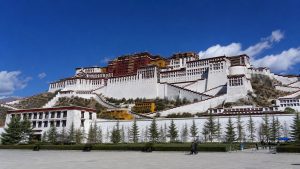
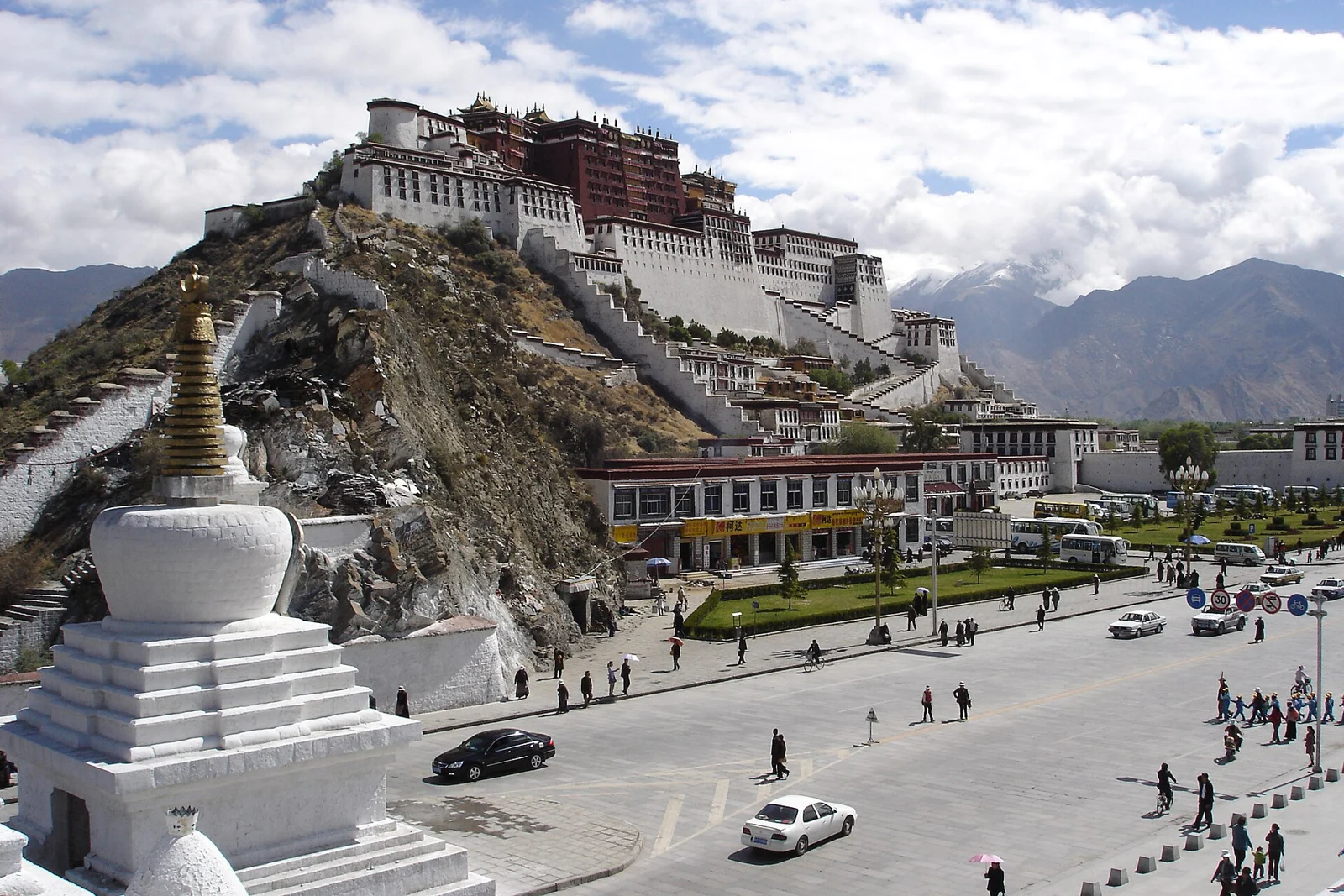
Lead photograph: Potala Palace in Lhasa, photographed by Ondřej Žváček on 23 May 2006, CC BY 2.5. The existing photograph was resized and converted to WebP; responsive display crops may apply. It illustrates the Lhasa visit, not current border access, an approved motorcycle route, real customers or a Vero Trip departure.
This guide addresses a particular question: bringing your overseas-registered motorcycle from Nepal into Tibet and taking the same bike back to Nepal. It explains the decisions a future accepted project would need and an alternative passenger visit. It does not provide a rideable day-by-day route through an affected border area.
Updated 5 November 2026.
What prevents an assumed Gyirong return ride now
Canada’s China travel advice, updated 3 November 2026, identifies continuing closures and restrictions on the affected G216 section between Gyirong Town and Gyirong Port and surrounding areas following the August flooding and mudslides. It advises against non-essential travel there. That is specific affected-area guidance; it does not say that every Tibet destination is closed.
The National Immigration Administration notice effective 28 August separately suspends electronic border-area permits for Shigatse and tells affected holders not to travel there, with restoration to be announced. An electronic border-area permit is not the entire foreign visitor Tibet permission framework. Do not treat a different document, a historical photograph or somebody else’s crossing as proof that the damaged approach is usable.
Foreign visitors need an arranged Tibet programme; UK Tibet travel guidance describes specialist agency permission and an organised tour, with possible changes. Permission to visit Lhasa does not establish permission to bring a motorcycle, ride a particular road or reach a border.
If the purpose is a same-bike return, postpone the border-riding project until current route and case-specific acceptance can be substantiated. Do not investigate an unapproved village track around a closure. If visiting Tibet matters more than riding, assess the passenger alternative below on its own documents and transport.
The same port still means two border movements
Returning to Nepal does not make the outward journey a domestic excursion. The future proposal would need the actual Nepal exit and China entry, then China exit and Nepal readmission for both people and motorcycle. The rider’s nationality, motorcycle registration country and country of departure may all be different. Record them separately.
| Decision stage | What the written plan must resolve | Reason to stop or revise |
|---|---|---|
| Before leaving Nepal | Lawful bike custody or departure, accepted China receiving arrangement and a documented way back to Nepal. | The return depends on a port, road or vehicle admission that has not been accepted. |
| China entry and preparation | Actual customs handover, vehicle documents, motorcycle-category rider authorisation and the receiving appointment. | Passengers are admitted but the motorcycle cannot be released or lawfully ridden. |
| Outward riding sectors | Only accepted roads and overnight bases, with time for documents, rest and riding conditions. | A sightseeing list requires an unapproved road or a rushed highland stage. |
| Before turning back | Remaining permitted time, usable return approach and Nepal-side reception for that bike and party. | A closure or delay would leave no accepted return solution. |
| After leaving China | Proof that the vehicle’s temporary-entry obligations have been resolved and any security dealt with. | The party has departed but the bike or its entry file remains unresolved. |
The frequently discussed Gyirong–Everest-area–Lhasa–Gyirong concept is a planning question, not a confirmed current route. A return leg cannot be created by reversing an old single-direction itinerary. It needs its own usable roads, overnight stops, reception and time within the authorised period.
Do not add an Everest or Rongbuk visit merely because it appears in the old Kathmandu–Lhasa group programme. Any such component needs its own accepted access, visitor arrangements and suitability assessment. It is omitted from the alternative here. This guide establishes no current road access or foreign-motorcycle admission for that highland extension.
Match the motorcycle category before discussing riding days
The Beijing traffic authority’s January 2026 temporary-driving guidance states that the category must match the overseas licence and, for a temporarily imported vehicle, the vehicle itself. Its ordinary temporary permission for rented Chinese vehicles covers C1/C2 cars. A temporary car permit is not a solution for riding a rental motorcycle. The Beijing procedure is a reference, not a Gyirong appointment or an assurance that your case is accepted.
The official republication of the temporary vehicle and driver rules distinguishes the motorcycle’s temporary plates and road-use document from the rider’s permission. Vehicle registration, customs entry evidence and compulsory liability insurance are among the separate requirements. The permitted route and validity matter as well. Obtain the current case-specific requirements; this older republication does not supply a border timetable or a blanket present-day deadline.
Use the existing bringing your own motorcycle into China guide for the broader document checklist. The motorcycle licence and trip-choice guide covers own-bike and local-rental differences. This page adds the Nepal return decision rather than duplicating those general guides.
A pillion passenger also needs a lawful accepted arrangement. Name who will ride, who may share the bike and how a non-rider travels. If someone cannot continue riding, a guide’s vehicle or support truck has seats only if expressly arranged and appropriate. A support vehicle does not authorise an otherwise unapproved motorcycle.
Build a return journey around usable nights and a lawful exit
No fixed number of riding days is justified while the actual movement remains unaccepted. When a future route can be assessed, request a night-by-night programme naming the entry-preparation base, each riding overnight, the Lhasa stay, return bases and final Nepal handover. Show riding stages separately from paperwork and rest. A day spent waiting for documents is not also a full mountain ride.
The turning point is a practical commitment: there must still be enough accepted time for the return, including reasonable disruption. Do not use all available time reaching Lhasa and assume the final border movement will fit. If the dates or receiving arrangements fail, reduce the geographical aim before paying rather than sacrificing the return contingency.
Separate personal immigration dates, the motorcycle’s road-use document and the customs position. One date does not extend the others. The receiving team should identify which deadlines and route conditions apply to this actual bike. A same-port plan may simplify where you intend to finish, but it does not guarantee that the port, road or office will remain usable.
Agree breakdown and custody responsibilities before starting
Record the registration details, identifying numbers, condition, keys and equipment at each custody handover. Specify whether luggage stays with the rider or a vehicle, and what can be accessed at an overnight stop. A pannier on a disabled bike can contain the things you need most urgently; keep essential personal documents accessible.
If the bike cannot continue, distinguish a local tow to an agreed secure place from international recovery. The proposal should identify the decision-maker, authorised custodian, transport limits, storage costs and process for any necessary customs resolution. Do not assume that a support vehicle can carry a damaged motorcycle across the border, or that a passenger flight home discharges the bike’s obligations.
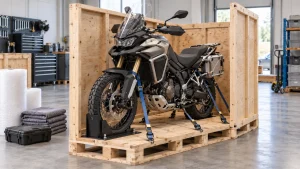
The motorcycle shipping and recovery guide owns the wider freight discussion. Shipping is a separately assessed logistics project, not an automatic substitute for a closed land return. No warehouse, recovery carrier or international transport service is confirmed by this article.
A separate passenger option with four Lhasa nights
If a Tibet visit is independently accepted, consider leaving the motorcycle in lawful, expressly agreed custody in Nepal and travelling as a passenger. Establish the actual custodian, condition record, storage period, charges and collection arrangements before leaving it. Check Nepal readmission and any motorcycle-related obligations for your circumstances. A room reservation is not a bike-storage agreement.
Use four Lhasa hotel nights for an arrival day, three modest usable days and a departure day. This is a regional planning allocation; it excludes Nepal nights, international journeys, additional China gateways and any connection nights. It contains no riding or Everest excursion, and does not establish a direct Kathmandu–Lhasa flight on your dates.
| Day and overnight | Purpose | What to agree |
|---|---|---|
| Day 1: Lhasa, night 1 | Transfer, check-in, a simple meal and rest. | Actual airport or station, permission, property reception and late-arrival needs. |
| Day 2: Lhasa, night 2 | A measured old-city introduction around the accepted Barkhor/Jokhang programme, with seated breaks. | Actual admission and visitor areas; shorten the outing when needed. |
| Day 3: Lhasa, night 3 | One main booked visit, such as Potala, with the remainder kept flexible. | Reservation order, physical demands and a suitable alternative if the visit cannot proceed. |
| Day 4: Lhasa, night 4 | Rest or a separately accepted Norbulingka garden-and-palace visit. | Actual operation and admission; no pressure to fill a recovery day. |
| Day 5: departure | Pack, leave the room and use the agreed transfer. | The onward passenger service and eventual Nepal bike collection remain separate. |
UNESCO’s Lhasa ensemble record distinguishes Potala’s palace complex, Jokhang’s religious setting and Norbulingka’s garden residence. They offer different experiences, rather than three equivalent photo stops. A heritage listing supplies context, not a current ticket or access permission. Let confirmed admissions and your condition determine their order, and omit an optional visit when needed.
The existing four-day Lhasa city programme is a relevant component: arrival, two city days and departure. The four-night alternative above requires an amended programme, an extra hotel night and any separately chosen fourth-day visit. Those additions are not included by the original four-day title. The old Kathmandu–Lhasa overland product is a different, one-way programme and does not supply this motorcycle return.
Tell the organiser about walking limits and ask how the actual room, vehicle approach and daily visits fit them. A comfortable riding history does not settle high-altitude suitability. Obtain individual medical advice before committing if needed; if the visit is unsuitable or permission is unresolved, choose another accepted holiday rather than improvising entry.
Questions before a Nepal–Tibet own-bike return enquiry
Does returning through the same port remove formalities?
No. Both border movements must accept the people and motorcycle, and the vehicle’s China entry obligations still need resolution. The road and appointments must be usable for the return as well as the arrival.
Can I ride on a foreign licence or an international permit alone?
Do not assume so. Establish the correct Chinese motorcycle entitlement, the bike’s documents and the accepted route before riding. A car-only permit or an agreed guide does not replace those requirements.
Is the Lhasa alternative a motorcycle tour?
No riding is part of it. It is a separately arranged passenger visit while the motorcycle remains in an agreed lawful custody arrangement. Storage, flights, Nepal readmission and collection are not provided merely by booking Lhasa sightseeing.
Does an enquiry confirm a future departure?
No. Price on request. Separate document work, guiding language, rooms, transport, admissions, meals, motorcycle support, insurance, storage, recovery and any vehicle security. Identify deposits, cancellation terms and who bears costs if a road or permission becomes unavailable.
Send the return requirement with the first enquiry
Through Vero Trip’s planning enquiry, provide nationalities, dates, Nepal starting and finishing points, registration country, bike class, ownership authority, riders and pillion or non-rider needs. State whether returning with the same bike is essential. Request an evidence-based feasibility response before booking transport. Current affected-road restrictions and unconfirmed motorcycle acceptance remain reasons to keep the riding project conditional.