For a first Suzhou trip, allow two or three days, keep one hotel base, and choose your garden and museum reservations before filling the rest of the itinerary. One day can work for a selected garden and canal neighbourhood. Three days give more room for arrival, a museum visit and a relaxed departure; add a fourth when a separate water town is a priority.
Suzhou (苏州) is a city in Jiangsu, west of Shanghai. Its old town, railway stations and Jinji Lake district are different parts of the journey. This guide concentrates on your Suzhou stay. Use the Shanghai–Suzhou–Hangzhou route comparison when deciding how many regional bases to include.
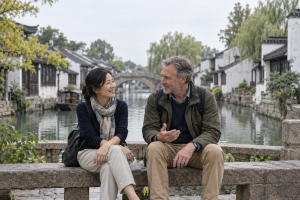
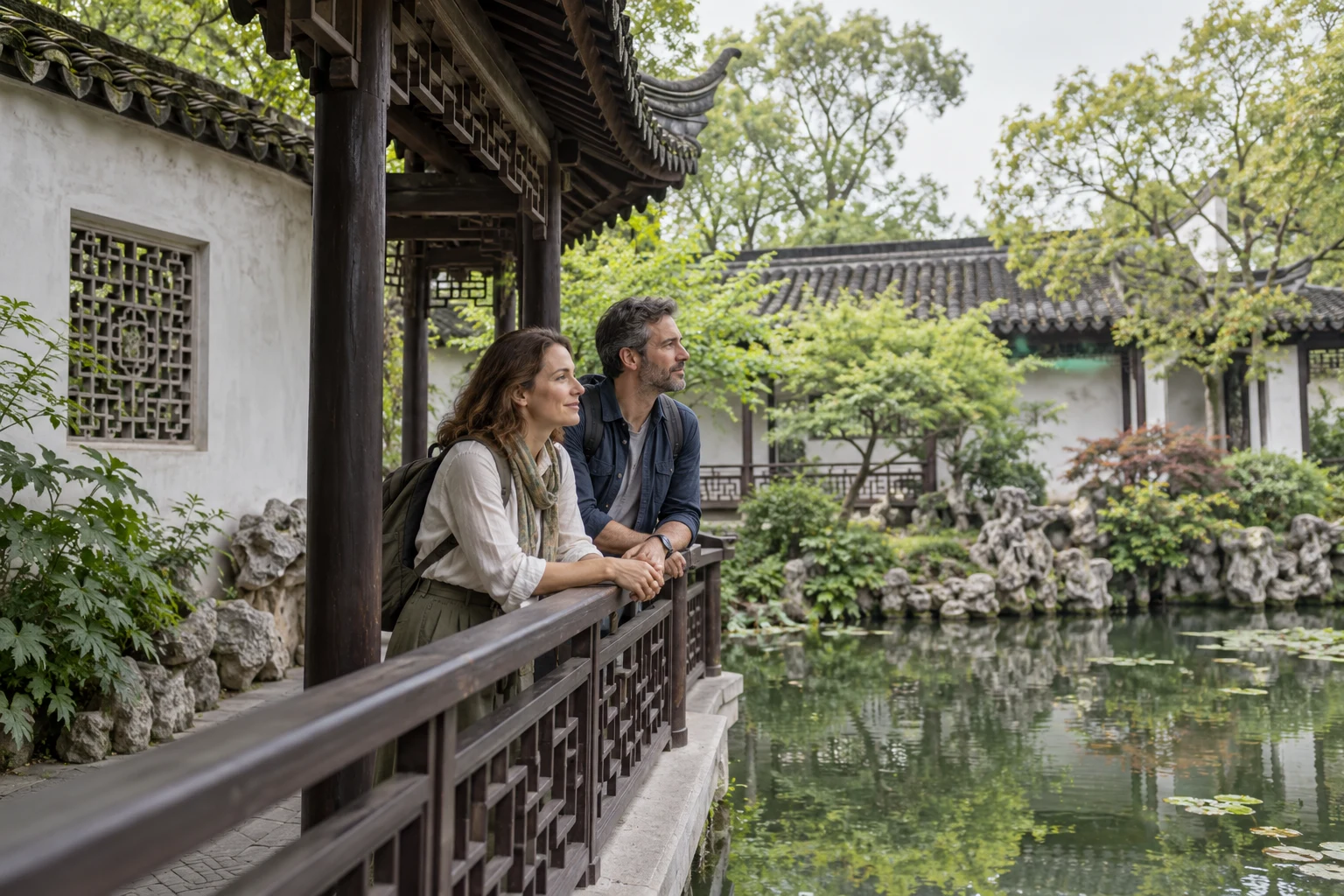
Updated 24 October 2026. The lead image is a garden-travel illustration, not a photograph of a particular garden or actual Vero Trip guests.
How many days should you give Suzhou?
Count usable visiting time rather than hotel nights alone. A late train followed by an early departure leaves an evening, not two sightseeing days. Choose the experience you most want, then protect meals, a seated break and the transfer to your next base.
| Your time | A useful plan | What to leave out |
|---|---|---|
| One full day | One named garden and a selected canal-street walk; return to your original base. | A long sequence of gardens, a museum and a separate water town. |
| Two days, one night | A garden-and-neighbourhood day plus a booked museum or a second distinct local interest. | Assuming arrival and departure can both be late without reducing visits. |
| Three days, two nights | Arrival time, one full local day and a flexible final visit before departure. | Using every spare hour for another admission. |
| Four days, three nights | Keep the city base and add one water-town outing, or spend longer on gardens, crafts and rest. | Adding several towns simply because each appears near Suzhou on a regional map. |
Choose another night if both travel days are largely occupied. For families, two unhurried local days can be more rewarding than extending the attraction list. A garden enthusiast may want several gardens; someone visiting for the first time can understand more by looking closely at one.
Choose a garden, a museum and a neighbourhood for different reasons
The UNESCO description of Suzhou’s classical gardens explains the relationship between water, rocks, planting and buildings within a limited space. Look for framed views, changes in scale and the way a corridor reveals the next courtyard. This is a reason to slow down, rather than collect entrance photographs.
The Humble Administrator’s Garden (拙政园) is a useful starting choice for a first garden visit. Lingering Garden (留园) offers another garden-focused outing in a different part of the city. Choose between them initially; add both only when comparing garden design is a real interest. Lion Grove Garden (狮子林) is another separate admission, not a free continuation of a neighbouring visit.
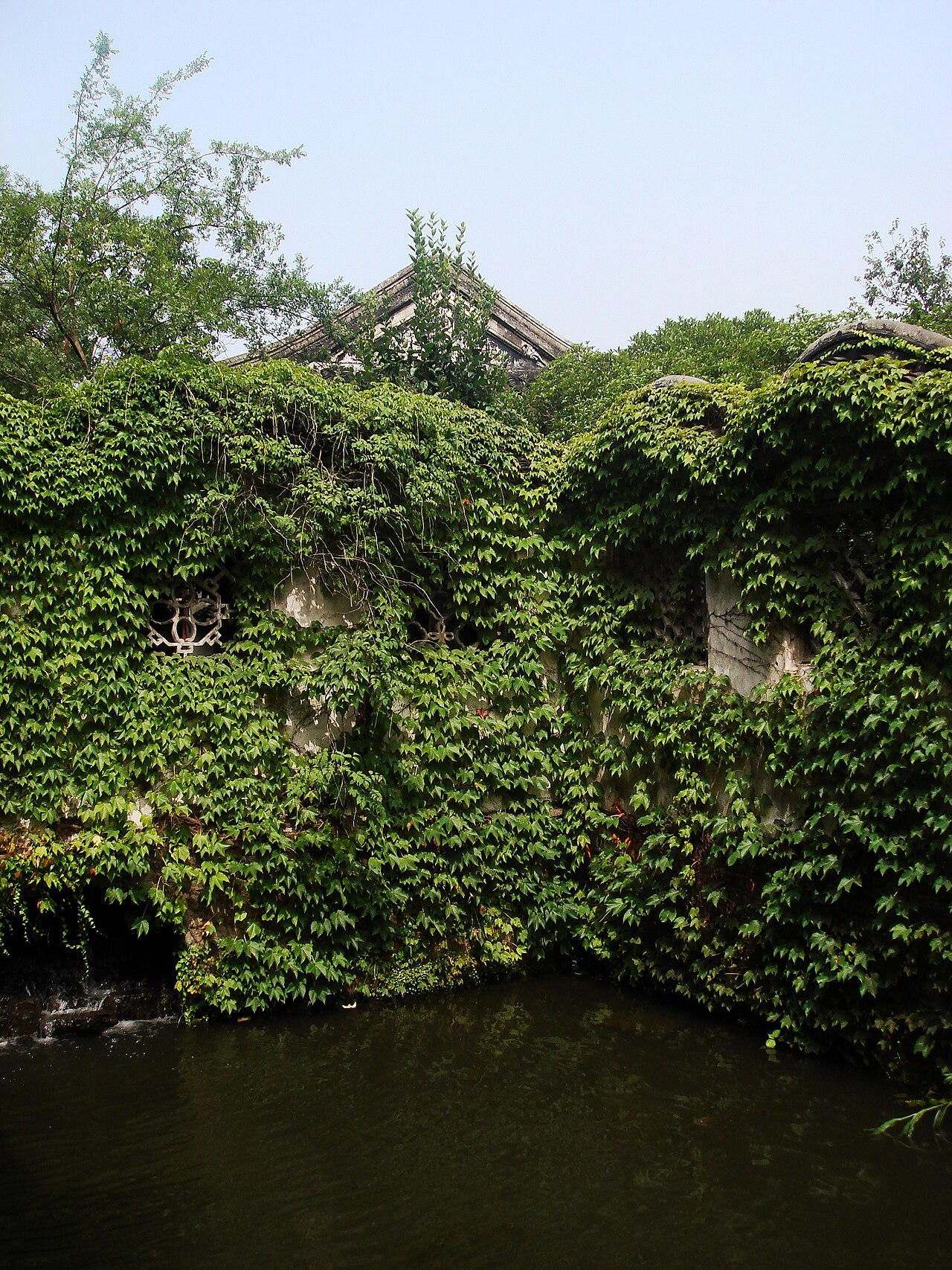
Pingjiang Road (平江路) gives you a canal-street setting for a selected walk, meal or tea break. Shantang Street (山塘街) is another neighbourhood choice, particularly if an evening walk appeals. Neither needs to become a compulsory end-of-day transfer when the group is tired. A boat ride or Pingtan performance requires its own operating and booking check; an attractive street does not guarantee a particular show.
Suzhou Museum’s main building is a different experience from a garden. Reserve it because its collections or architecture interest you, then allow time to look. The main museum and Suzhou Museum West are separate locations. A slot or queue arrangement at one does not establish entry at the other.
Resolve reservations and passport handling before the day
Start with the admission that matters most, rather than buying several tight slots and hoping the walking fits. The city’s June 2026 Humble Administrator’s Garden notice describes timed real-name booking. Its special early-opening period ended on 7 October; use your visit date’s current opening and admission information instead of copying that summer start time.
- Name the venue and date. Distinguish each garden and each museum building. Choose a time compatible with the hotel transfer and your slowest walker, not only the first slot available.
- Use your actual document. Choose the passport option where offered and enter the traveller’s real details. The city’s foreign-visitor guidance describes passport ticketing and service-window assistance. Ask about the current process before travelling if the interface does not support your document or phone; do not borrow another person’s identity.
- Keep the confirmation and a replacement plan. Save the named entrance, document, order and change conditions offline. Carry the original passport used for the reservation. A successful payment and a valid dated admission are different things.
Use the museum’s official website or its published official booking channels for the main building, and check the release calendar for your date. The city’s summer museum notice distinguishes the main museum’s reservation from the West branch’s arrangements. Its extended evening hours applied to July–August, so they are not a promise of an October evening visit.
If your preferred slot is unavailable, choose another available garden, move the museum to a different day, or keep a shorter neighbourhood visit. Do not buy a train connection that works only if you can enter an already full venue. A seller’s promise of priority access needs a clear, legitimate basis.
Where to stay: shorten the journey you will actually make
For a first garden-and-canal stay, an old-town base often reduces repeated transfers. Compare the exact property and access point, rather than choosing solely from a courtyard photograph. Staying by Jinji Lake is a different choice, suited to travellers who want that district as part of their holiday.
| Base to compare | Why choose it? | Ask before paying |
|---|---|---|
| Pingjiang / northeastern old town | A stay centred on canal lanes and the garden-and-museum area. | The legal vehicle drop-off, final walk, stairs, room position and late-evening noise. |
| Guanqian / Leqiao area | A central city base for meals and transport connections. | The actual route to the metro or pickup, lift access and transfer to your booked station. |
| Shantang-side accommodation | Useful when that neighbourhood’s evening is a main interest. | Whether the room is quiet and how bags move through pedestrian areas. |
| Jinji Lake / industrial-park district | Choose for the lake, a resort-style pause or commitments in that part of the city. | The full old-town journey; a lake-view hotel does not remove cross-city transfers. |
Send the hotel your travel dates, party size, children’s ages and passport nationality. Confirm beds, occupancy, bathroom access, lifts and luggage storage for the room you will buy. A traditional-house stay can include steps or a final walk; ask for entrance photographs when mobility or large cases matter.
Keep the same room while exploring the city unless a move has a specific benefit. An old-town hotel and a lake hotel can both appeal, but changing between them during a short stay uses time for packing, transport and check-in.
Choose the correct railway station and the whole transfer
The city’s transport directory lists Suzhou, Suzhou North, Suzhou Yuanqu and Suzhou Xinqu as distinct stations. Match the complete name to the actual ticket and hotel. A brief train segment does not include the journey from your room to the platform or from the arrival station to the next hotel.
| Name on the ticket | How to use it | Keep clear |
|---|---|---|
| Suzhou Station · 苏州站 | Compare it for a Gusu / old-town stay. | Its north square is not Suzhou North Railway Station. |
| Suzhou North · 苏州北站 | Include the road or metro journey from Xiangcheng to your accommodation. | Do not send the driver only the word “Suzhou”. |
| Suzhou Yuanqu · 苏州园区站 | Compare it when the industrial-park / lake district fits your plan. | Check the actual train and the hotel approach. |
| Suzhou Xinqu · 苏州新区站 | Use it only when its location and dated service suit the itinerary. | A cheaper fare can lose its benefit through a less convenient transfer. |
Save the Chinese station name, train details and hotel pin. Specify luggage and any child-seat or mobility requirements for an arranged pickup. For a Shanghai airport connection, distinguish Pudong from Hongqiao and allow for the entire journey; use the Shanghai planning guide for the gateway choices. Keep a suitable Shanghai night before a critical early flight when the alternative depends on several tight connections.
A three-day, two-night outline you can simplify
This example keeps two nights at one Suzhou hotel. It assumes some usable arrival and departure time; change the order around real admission slots. The listed visits are choices to arrange, not a package inclusion list.
| Day and overnight | Main choice | What to protect |
|---|---|---|
| Day 1 · Suzhou | Arrive, leave bags and take a selected Pingjiang-area walk with a proper meal. | Keep an essential timed admission off a late or uncertain arrival. |
| Day 2 · Same Suzhou hotel | Give your chosen garden a substantial visit; use the rest of the day for nearby streets, a meal and rest. | Add a second booked visit only when the complete walking and transfer plan fits. |
| Day 3 · Depart | Use a reserved museum visit or another short local priority if departure timing allows. | Collect bags and leave for the actual station; an early train means omitting the visit. |
If the museum is your main reason for coming, give it the full visiting day and put the garden on another usable date. A second garden, Tiger Hill or an evening in Shantang can replace another outing; they are not hidden additions to every version. Add a fourth day when you want a separate Tongli or Zhouzhuang visit, or remove a city activity deliberately. Do not count a water town as a brief stop that every transfer can absorb.
Weather, food and a comfortable pace
Gardens and old lanes remain outdoor visits even when there are covered corridors. Wear shoes with grip, take a rain layer and keep a shorter loop for wet paving, heat or tired children. An indoor museum is a useful alternative only when the correct building is open and you can enter it; rain does not create a reservation.
Choose one or two meal stops in the area you are already using. Ask about stock, lard, sauces, alcohol and shared preparation when dietary requirements apply. A noodle shop or vegetarian-looking dish is not automatically halal or suitable for an allergy. Agree a specific suitable meal or packed-food alternative, and a practical room break for prayer if needed; this guide does not promise an unconfirmed local prayer facility.
For autumn photographs, ask for a recent dated view of the actual place. Leaf colour changes with weather and the tree, so build a day worth enjoying without a particular colour or sunset. Keep queues and a rest stop in the plan instead of treating a photographer’s list of viewpoints as a compulsory walking route.
Connect Suzhou to a wider journey
The existing seven-day Shanghai, Suzhou and Hangzhou private-tour outline is a fuller three-city programme. Compare its named visits and transfers with the slower choices here; a garden or museum mentioned in this guide is not automatically an inclusion in that tour. The Hangzhou guide helps decide whether your next nights should be for West Lake, culture or tea.
Send Vero Trip your trip details: dates, actual arrival and departure stations or flights, party ages, luggage, preferred hotel area, walking limits and food or prayer needs. State which garden, museum or craft experience matters most. A useful proposal identifies the room, vehicle and pickup, reservation responsibility, guide language, inclusions and change terms before payment.
For a wider food-focused journey, compare the China food and culture collection. State your dietary requirements separately; an interest in local cuisine does not establish suitable ingredients or meal preparation.