Updated 22 October 2026
For a first Shanghai trip, choose one practical hotel base and two or three clear city priorities before adding Suzhou, Hangzhou or a theme-park day. Four or five days can work well when arrival and departure leave enough usable time. Match every transfer to the actual airport, terminal or railway station; “Shanghai” and “Hongqiao” alone are not complete pickup instructions.
A good Shanghai plan combines the riverfront, one area of older streets and a museum or other interest without sending you back and forth across the city all day. The useful details are the full hotel approach, the right venue address, what needs a date-specific booking and a manageable way home after an evening outing.
How many days do you need in Shanghai?
Count hotel nights first, then protect arrival and departure. Three days and two nights often mean just one full day. A late international arrival can leave the next morning better suited to a shorter outing, while an early flight may remove the final day entirely.
| Stay | Full days between arrival and departure | A starting point |
|---|---|---|
| 3 days / 2 nights | Usually one. | Choose a focused city introduction rather than a regional circuit. |
| 4 days / 3 nights | Usually two. | One riverfront/old-city day and one museum or neighbourhood day, with breaks. |
| 5 days / 4 nights | Usually three. | Two city days plus one deliberately chosen theme-park or out-of-city day. |
| A longer regional stay | Depends on the travel stages and nights. | Give Suzhou, Hangzhou or a water town its own place in the route rather than fitting all into one outing. |
For four days and three nights, a workable pattern is arrival, two local days and departure. For five days and four nights, keep two local days and choose one additional priority: more city time, a dedicated theme-park day or a properly arranged excursion. You do not need to fill the third day simply because it is available.
If Shanghai begins or ends a longer China holiday, look at the route as a whole. Adding a regional night can be more pleasant than repeatedly returning to the same hotel after long days away. Conversely, one stable Shanghai base may suit a short stay when packing and moving would add little value.
Choose a hotel around your actual daily routes
People’s Square and the Nanjing Road area are useful starting points for a central stay, but compare the exact property rather than treating a large district as one location. Jing’an, other central neighbourhoods, Lujiazui and Hongqiao can each work for different priorities.
| Area to investigate | Why consider it | Check the practical trade-off |
|---|---|---|
| People’s Square / Nanjing Road area | A central starting point for a first city visit and public-transport choices. | Exact station, exit, room noise and the full walk to the hotel; not every address is beside every metro line. |
| Jing’an / central neighbourhoods west of the river | A base for neighbourhood walking, food and your preferred hotel. | Which streets matter to you and whether the entrance and transport suit your daily routes. |
| Lujiazui / Pudong | A choice for a Pudong hotel, skyline interests or visits on that side. | Cross-river journeys to Puxi; a river view does not create a walking crossing to the Bund. |
| Hongqiao or an airport-focused hotel | Useful when an early departure or late arrival is the main constraint. | The exact terminal or railway station, shuttle if actually offered, and the separate journey to city sights. |
| A resort-area stay | Consider when the theme park is the central purpose of several days. | Actual park tickets, hotel benefits and transfers; do not assume these come with every nearby hotel. |
Ask for the hotel’s Chinese address, reception entrance and a workable vehicle stopping point. Check the nearest suitable station exit, lifts where needed, the luggage walk and how the room is reached inside the property. A short distance shown on a map does not establish easy access while carrying bags.
Confirm the room and bed arrangement for everyone staying, including children, and check passport reception directly for your nationalities. If you expect to arrive early after a long flight, ask about check-in and luggage storage. An early landing does not automatically include immediate room access.
With children or older relatives, a reliable place to rest and eat can matter more than a particular skyline view. The China family planning guide helps work through ages, rooms, luggage and the number of hotel changes before you choose a city pattern.
Separate Pudong, Hongqiao Airport and railway stations
Read the actual flight or rail confirmation before arranging transport. Shanghai Pudong International Airport is PVG; Shanghai Hongqiao International Airport is SHA. A flight terminal, Hongqiao Airport Terminal 2 and Hongqiao Railway Station are related transport locations, not interchangeable meeting points.
For a pickup, send the service number, date, airport or station and terminal where shown. Agree where you meet, how the driver or host contacts you and what happens if the arrival changes. Give the party size, suitcases and child-restraint requirements before a vehicle is selected.
The city’s Airport Link Line guide, updated in March 2026, describes the railway connection between Pudong Airport T1/T2 and Hongqiao Airport Terminal 2. It is a transport option to compare against your final destination, not a door-to-door transfer to every central hotel.
When changing airports or continuing to a train, count arrival formalities, bags, the walk to the connecting service, operating hours and the next departure’s requirements. The advertised railway journey is only part of that interval. Do not buy an essential onward connection solely because the ride between airport stations looks short.
For a very early or late service, check the current operating timetable and a realistic alternative. Decide in advance whether you need a nearby hotel or an arranged road transfer. A public-transport route that works during the day may not solve the same journey after its last departure.
Group riverfront and neighbourhood visits sensibly
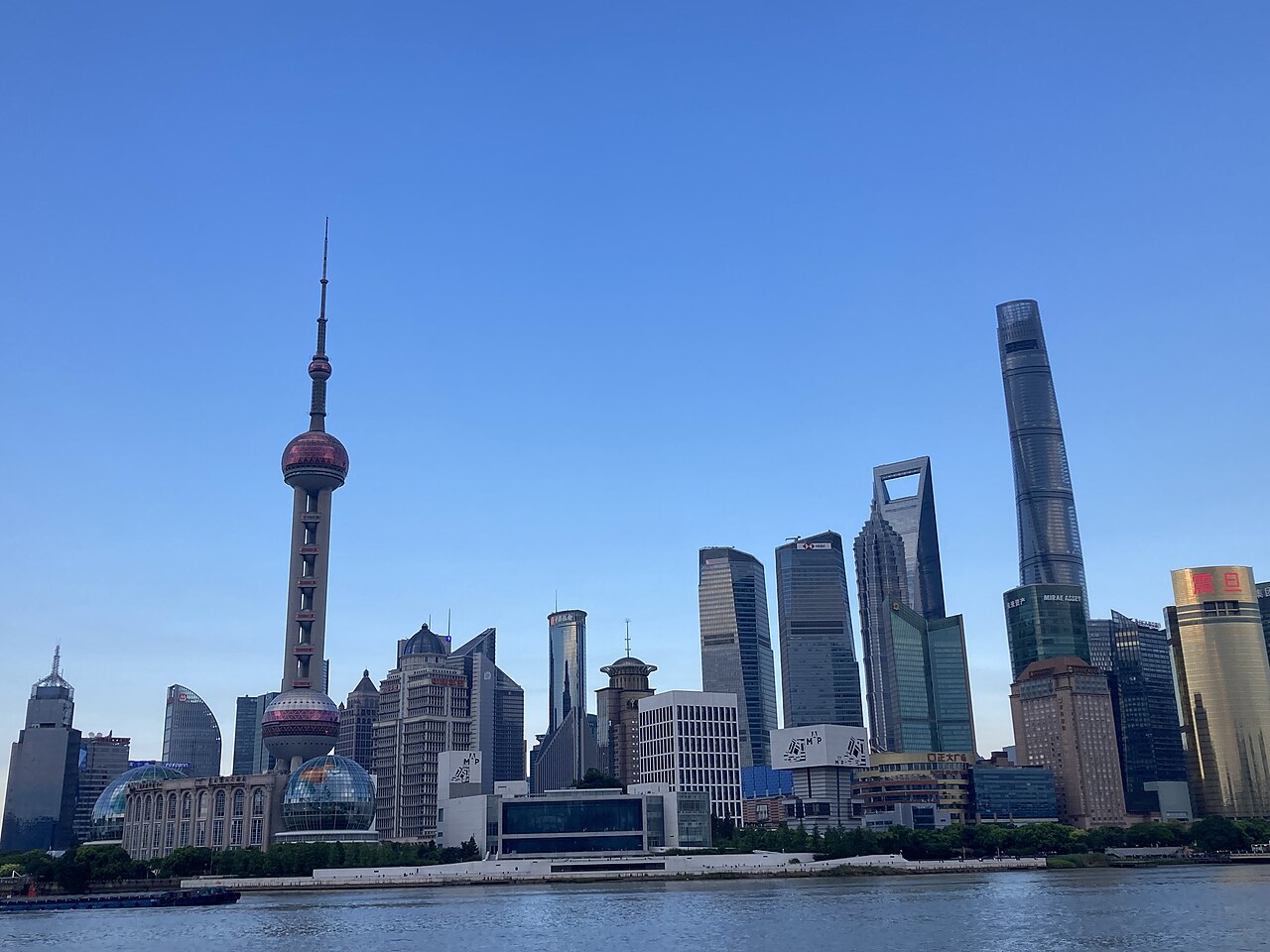
Choose a main area for each part of the day, with a meal or seated break. The Bund is a riverfront experience on the Puxi side; Lujiazui is across the Huangpu River. Viewing one from the other is different from visiting an observation deck or making a crossing.
Give a paid observation deck or river cruise its own booking, approach and return. Check the boarding point and actual service if you choose a boat. A public ferry, an evening sightseeing cruise and a skyline viewpoint are different experiences with different arrangements.
Recent city-walk lists sometimes combine People’s Square, Nanjing Road, Wukang Road, Jing’an, Yuyuan and Lujiazui into one day. A reader’s comment questioned whether the stops even belonged on the same route. Treat that as a reason to split the areas, rather than copying every line into an exhausting checklist.
For a neighbourhood day, select a shorter sequence with time to look around. A local account of repeated walks along Yongjia, Yongkang and Xiangyang South roads described small shops, cafés and a pocket-park pause. The transferable idea is to enjoy a coherent area; individual café openings, queues and taste judgments need not become promises in your itinerary.
Distinguish the Yuyuan area from a garden ticket
Decide whether your priority is the surrounding old-city shopping and street setting, a visit inside Yu Garden, a temple visit or an organised evening experience. They are not one single admission. Ask which entrance, ticket and session cover the visit you want.
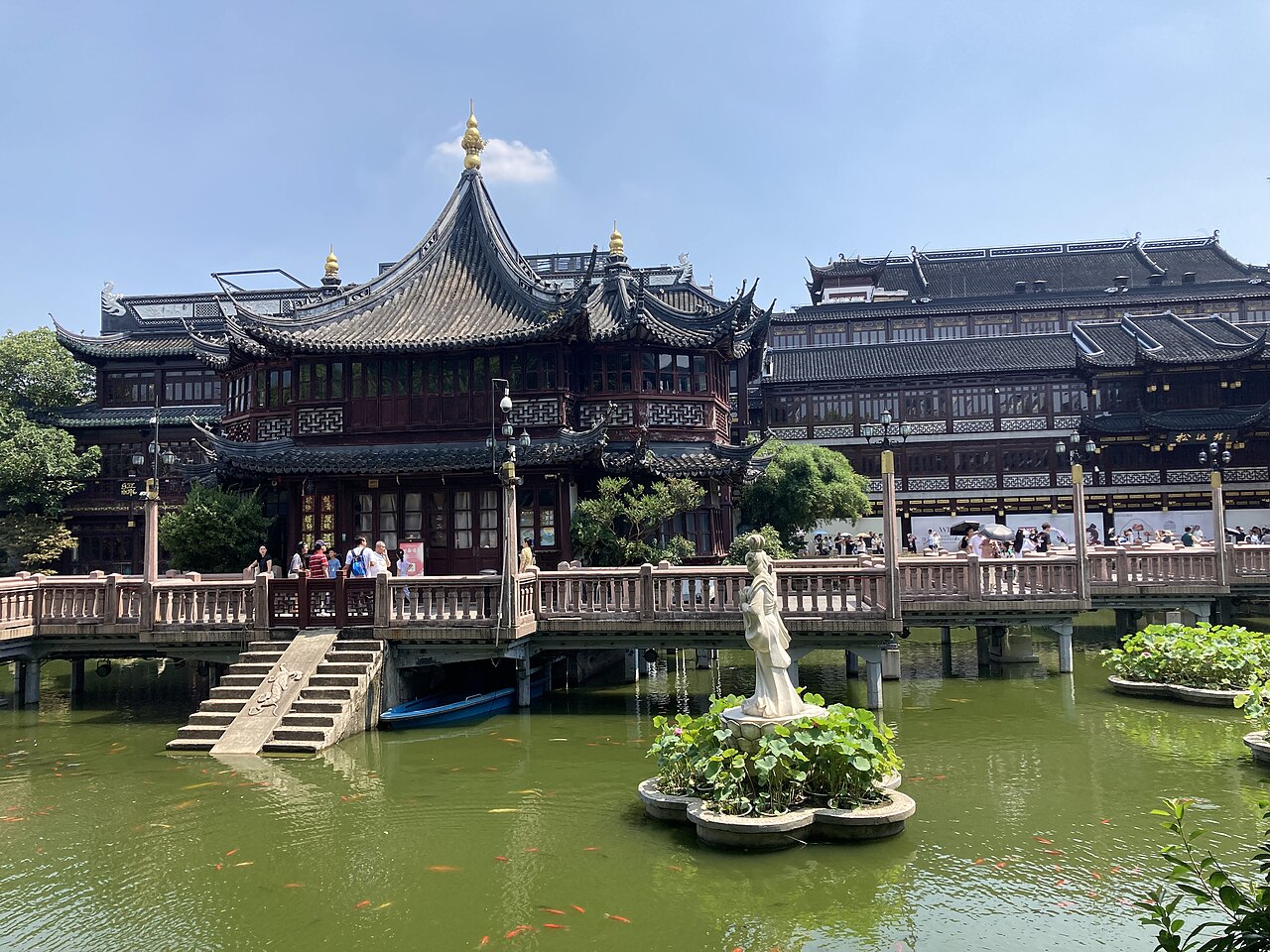
Keep time for walking and a meal without assuming every crowded lane is a convenient place to regroup. Agree the pickup point outside any area vehicles cannot enter. For a stroller or mobility equipment, check the actual path and steps before committing to a full circuit.
Do not infer current garden opening, evening admission or a festival programme from a dated visitor photo. A special night experience can have a separate reservation from ordinary daytime entry. If you mainly want a short neighbourhood walk, say that clearly rather than buying a package for an activity you did not intend.
Choose the museum building before choosing the day
Shanghai Museum has two buildings with different current roles. For the permanent collections, the official East Museum visit page directs you to 1952 Century Avenue in Pudong. The People’s Square visit page explains the dedicated Americas exhibition during its announced 2026–2027 run.
| Venue | Current distinction | Before you go |
|---|---|---|
| Shanghai Museum East, 1952 Century Avenue | The place for the museum’s permanent displays; regular closure is Tuesday, except national holidays. | Individual general admission currently needs no reservation; bring original valid ID. Interactive spaces and ticketed exhibitions have separate arrangements. |
| Shanghai Museum on People’s Square, 201 Renmin Avenue | The Ancient Civilizations of the Americas exhibition occupies this building during its announced run, 9 July 2026–14 November 2027. | Use this exhibition’s ticket process; regular closure is Monday, except national holidays. It is not the permanent-collection alternative to East during that run. |
| Natural History / Science and Technology / Astronomy museums | Different museums, addresses and programmes. | Check the particular museum’s calendar and ticket channel. Do not apply one venue’s rules to all museums. |
At East, individual visitors currently do not need a general-entry reservation, but interactive spaces and ticketed exhibitions have their own arrangements. Bring original valid identification, and ask staff for help if your passport cannot use an automatic reader. Do not assume the rule for a small individual party applies to an organised group.
At People’s Square, choose the exhibition deliberately and follow its booking process. The museum’s current English page identifies Trip.com as a booking option for overseas visitors. Carry the original document used and check any dated session information. An older statement that no reservation is needed everywhere does not describe the current exhibition arrangement.
The Natural History Museum, Science and Technology Museum and Astronomy Museum are also different venues. The operator’s 2026 notice changed Natural History’s regular closure day to Tuesday from March. Check each venue’s current calendar, rather than applying a remembered Monday closure or a claim that every museum requires the same booking.
Choose one main museum interest and allow time inside it. If you want a guided visit, establish who provides it, the language and any venue permission required. Admission, an audio guide, a private guide and a separately booked interactive activity are different services.
Give Shanghai Disneyland its own place in the trip
If Disneyland is a priority, protect a dedicated day or longer according to what your party wants, with meals, walking and the return included. A recent family account moved to a resort hotel and used more than one park session. That was their arrangement, not proof that a single rushed visit suits every family.
Use the official Shanghai Disney Resort channel to check the dated ticket, guest documents, activities and change terms. Confirm park admission separately from accommodation. Early entry, an additional afternoon, a particular show or paid access product applies only when the actual booking says so.
Do not make a child’s important visit depend on completing an arrival transfer at exactly the expected time. Keep an agreed way to rest or leave early, and check the correct resort-area pickup. Staying nearby can reduce one journey while adding a hotel change; compare the whole arrangement before deciding.
Choose Suzhou, Hangzhou or one water town
For a short Shanghai stay, choose one excursion that matches a real interest. Suzhou’s gardens, Hangzhou’s West Lake and tea settings, and a Jiangnan water town need different local routes. A fast train can make a journey possible without making every surrounding visit part of the same day.
| Choice | What to give it | Do not assume |
|---|---|---|
| Suzhou | A focused garden or neighbourhood plan, with exact rail stations and local transfers. | A fast train means the whole day has no travel overhead or that all gardens fit. |
| Hangzhou | A selected West Lake, cultural or tea interest with time between visits. | One lakeside photo covers a full Hangzhou visit or that it combines comfortably with Suzhou in the same short day. |
| One Jiangnan water town | The named town, entrance, walking, boat if chosen and return or overnight. | Water towns are interchangeable or that every boat and evening activity is included in admission. |
| Shanghai Disneyland | A dedicated day or longer according to your priorities, with suitable rest and transfers. | A hotel reservation includes park admission, early entry, a particular show or every ride. |
Compare the whole trip from your hotel and back: correct departure station, entry and boarding, the arrival exit, local transfer, visits, meals and the return. Select the actual garden, lake section or town before buying a package described only as a regional highlights tour.
If both Suzhou and Hangzhou matter, consider staying in the region instead of trying to see both on one short outing. The published seven-day Shanghai, Suzhou and Hangzhou outline illustrates a multi-base sequence; the dated proposal must confirm its actual nights, visits, transport and activities.
A water-town overnight should serve a purpose, such as time after the day visitors leave, rather than create another rushed check-in. Ask about the luggage approach, room facilities, evening meals and the exact boat or craft activity you want. A town admission does not automatically reserve a workshop or guarantee that a boat will operate.
Build a rain, heat and fatigue alternative
Keep the longer outdoor walking block flexible. In heat, allow a meal and indoor break rather than extending the route from one landmark to the next. In rain, shorten slippery or exposed sections and use a suitable prearranged indoor visit or a quieter afternoon.
A museum is only a useful alternative when the right building is open and its admission works. A river cruise, observation deck or distant drive also needs current conditions and booking terms. Changing the name of an activity does not remove its transport or access demands.
For older relatives and children, assess the full walking day, including station passages, queues and the return to the room. Ask where you can sit, which visits can end early and how the group stays in contact if it splits. A list labelled easy or family friendly still needs that detail.
Make meals, luggage and the last day practical
Tell the planner about food allergies, halal preparation, vegetarian ingredients and prayer needs. Explain sauces, broths, cooking fats and shared utensils where relevant. Less spice and no pork are not complete substitutes for those requirements, and a popular restaurant name does not establish suitability.
On a departure day, establish checkout, luggage storage and collection before adding a final outing. Leave time to return for the bags and reach the correct terminal or station. Confirm the latest suitable pickup with the actual departure; do not use a generic city-to-airport estimate as a guarantee.
Keep the hotel address, important booking details and a reachable contact accessible offline. If you plan independent public transport, check the complete route and any lift you need. If you use a private vehicle, confirm passenger and luggage space, waiting, parking and any additional hours.
Request a Shanghai proposal that explains the choices
Send Vero Trip your dates, flight or train details, nationalities, group size, children’s ages, hotel preference, luggage and walking limits. Name your main interests, including whether the museum collection, a particular exhibition, Disneyland or a regional extension matters most.
Use the Shanghai destination collection to compare published outlines, then request the actual daily sequence, hotel nights, transport, guiding language, admissions and activity arrangements. Ask what changes if a ticket is unavailable or weather alters the day. The proposal should show how the city experiences fit together, with time for the people travelling.
For the wider route, use the Shanghai, Suzhou and Hangzhou planning guide to choose city order, hotel nights, luggage transfers and one water town before fixing the gateways.
If you extend the journey beyond Shanghai, use the Nanjing planning guide to allow proper time for its museums and landscape areas rather than treating it as a quick extra stop.