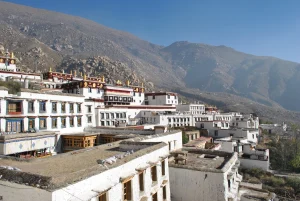
Give Shigatse enough time to be a city and cultural visit, rather than only the room before another long drive. Tashilhunpo Monastery is a substantial reason to stop. The arrival route, hotel check-in, a proper meal and the next morning’s departure determine how much attention you can give it. A brief transit night and a settled visit are different itinerary choices.
Decide what the Shigatse stay is for
You may be arriving from Lhasa through the lake-and-Gyantse corridor, using rail within an approved programme or stopping on a longer western journey. Put the actual arrival and departure beside the hotel night. An arrival late in the day should not be described as a full afternoon at the monastery without checking all the intervening steps.
For foreign visitors, the city, route and any onward border-area travel need the relevant arrangements through the Tibet organiser. Do not copy a domestic traveller’s document routine or assume a city hotel booking authorises the next regional stage. The organiser should explain the documents and approval relevant to your particular programme.
| Reason for the stay | What to protect | What to ask the organiser |
|---|---|---|
| A cultural visit to Shigatse | An unhurried monastery period and seated lunch | Can the visit be on a settled morning rather than after a late drive? |
| A westbound through journey | Room, food and manageable departure | Which visit remains realistic after the arrival stage? |
| Return from the Everest area | Rest and a meaningful visit if appropriate | Can timing adapt to road conditions and symptoms? |
| A rail-linked programme | Station transfer, luggage and real check-in | How much usable city time remains? |
Tashilhunpo deserves interpretation
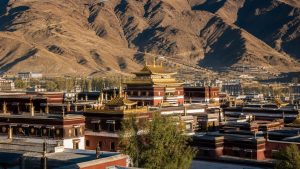
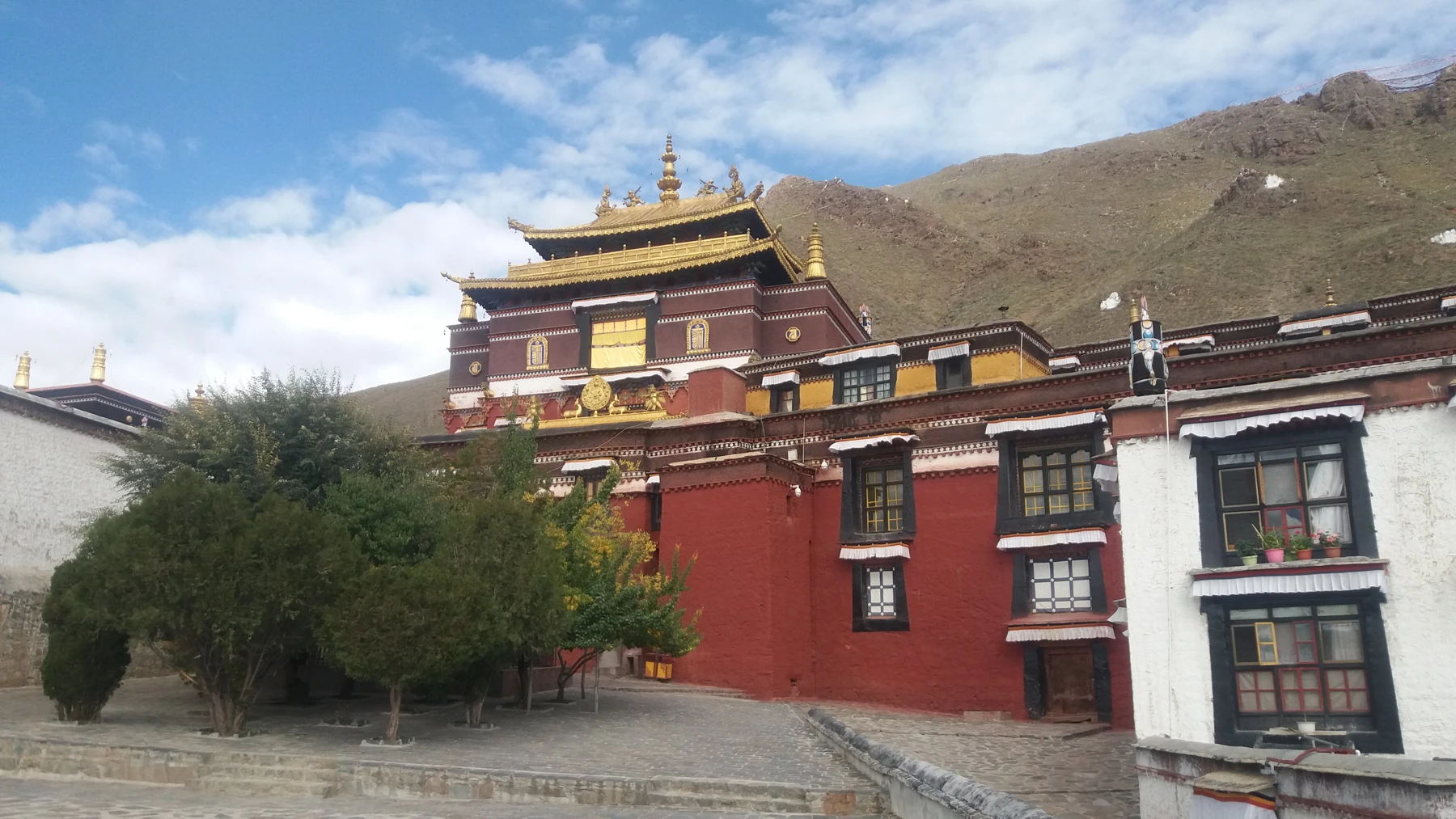
The Ministry of Culture and Tourism’s attraction record identifies Tashilhunpo’s foundation in 1447, its relationship with the Panchen Lamas and major religious buildings, including Maitreya and stupa halls. These facts give a framework for understanding the visit. You do not need to turn the day into a test of every name and date.
Ask the guide to explain how the courtyards and halls relate, which spaces are currently open to visitors and why the complex matters in the region. Looking at the arrangement of buildings can be as valuable as moving rapidly through interiors. Pause in suitable places for the explanation rather than blocking a narrow doorway or circulation route.
Religious activity and visitor access may affect what you see. Follow current instructions on dress, hats and photographs. Do not infer interior photography permission from an online image. Ask before photographing people, and do not touch murals, objects or religious furnishings to examine them more closely.
Separate the main visit from an extra hill walk
Some social diaries combine a monastery stop with an outside circuit or a climb. Those are additional activities with their own effort, time and access requirements. Ask what the actual guided programme includes and whether there is a shorter option. Do not make an unverified rear-hill route part of the visit because someone else used it.
A recent fast-arrival diary described headache while attempting an extra walk in Shigatse and then continuing higher. This is not a suitable model to reproduce. Tell the guide about symptoms and obtain appropriate advice. A lower-effort city activity may still be inappropriate if it delays needed rest or medical help.
Give the hotel practical work to do
Confirm the actual property, registration arrangements, room category, heating, bathroom and access from the vehicle. A hotel marketed with the monastery’s name may still have a different entrance-to-entrance distance from what you expect. Ask whether there are stairs and where luggage is stored before check-in or after checkout.
Social reviews describe very different oxygen equipment, parking and meal arrangements at individual hotels. Use those reports to form questions, not to promise facilities or health outcomes. “Oxygen available” needs clarification about the actual room, device, hours, charges and assistance process. A good night’s rest does not establish readiness for a higher overnight.
If arriving late, ask about a realistic dinner and staff reception. If leaving early, establish breakfast or an agreed alternative. These are small details, but they often decide whether a transit stop is comfortable or another hurried part of the road journey.
Plan a meal that suits the next stage
Choose a modest meal with enough time to sit. Ask about portions, meat, stock, dairy and chilli; a regional restaurant label does not settle dietary requirements. If you have halal needs or an allergy, have the organiser confirm suitable preparation and a fallback in advance. Do not depend on one named shop remaining open because it appeared in an older post.
Keep time for the bill, toilet and return to the vehicle. A lunch stop listed as half an activity can conceal a rushed meal between long drives. If the day’s main purpose is the monastery, protect both the explanation and a proper lunch rather than substituting snacks to preserve extra photo stops.
Read the border-document news within its scope
The National Immigration Administration’s 28 August 2026 notice suspended issuance of electronic border-area permits for travel to Shigatse following disruption at the Nepal side of the Gyirong crossing. It should not be rewritten as a blanket statement that every foreign visitor is banned from Shigatse city. Foreign travel approvals and the actual route require their own confirmation.
Equally, a completed domestic trip or a report that a city hotel accepted guests does not establish that an onward Everest or western itinerary is currently approved. Ask the Tibet organiser about the exact places, dates and passport nationalities in your proposal. Do not pay for an unchangeable border-area extension on the assumption that documents will be solved after arrival.
| Practical uncertainty | Useful confirmation | Avoid this inference |
|---|---|---|
| A city visit | Actual approved programme and hotel | All regional restrictions are identical |
| An onward border-area stage | Route-specific current permissions | A city stay authorises every onward road |
| A railway arrival | Issued ticket, station and transfer | A ticket replaces Tibet or regional documents |
| A route change | Approved alternative and cost effect | Any nearby road can be substituted spontaneously |
Place Shigatse within a manageable wider journey
If returning to Lhasa after the visit, compare the drive or rail arrangement, hotel arrival and next day’s plans. Do not treat the return as empty space that can absorb every delayed activity. If continuing toward Tingri or another western stage, look at the full sleeping sequence and medical support rather than only the road distance.
Our six-day Lhasa and Shigatse route is a different proposition from the longer Everest-area itinerary. Read each actual day-by-day description and request the permitted version for your dates. Optional walks, added meals, private transfers or additional room nights must be itemised; this guide does not add them to a package automatically.
What makes the stay worthwhile
Keep a clear purpose: understand Tashilhunpo, have time for the actual visit and leave room to eat and rest. Confirm the reservation or admission process, guide language, walking, pickup, room and departure before travel. Shigatse becomes more than a road stop when the programme gives it usable time and responds honestly to your condition and the onward route.
Continue planning this journey
Use our Tibet route-planning guide to place this topic within the whole trip. The railway, Samye and Namtso planning guide explains how arrival and separate outings fit together.
Compare 6-day Lhasa and Shigatse tour, 8-day Lhasa, Everest-area and Namtso tour. These are existing route descriptions, not confirmation of a departure, present access or every optional stop discussed above. Ask for the exact permitted programme, accommodation, guiding language and itemised services for your dates.
Sources and research notes
Reviewed 29 October 2026. Practical perspectives were compared with original Xiaohongshu note bodies and initially visible comments: 西藏日喀则封路,阿里小环线受阻,启动planB; 📝珠峰大本营三日游攻略|含高反清单; 扎什伦布寺和桑耶. These individual experiences mainly concern domestic travellers; they are not evidence of foreign-visitor eligibility, present prices or medical safety.
China regional risks: Tibet; CDC Yellow Book: High-Altitude Travel and Altitude Illness; NIA Shigatse electronic border permit suspension, 28 August 2026; Ministry of Culture and Tourism: Tashilhunpo Monastery attraction record. Confirm operating notices and passport arrangements for the actual travel date.