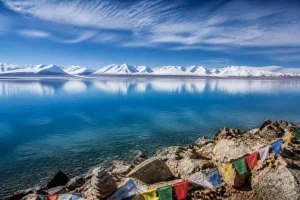
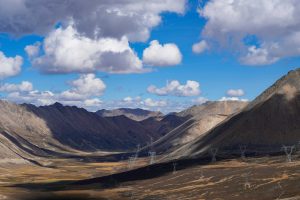
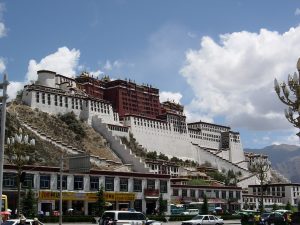
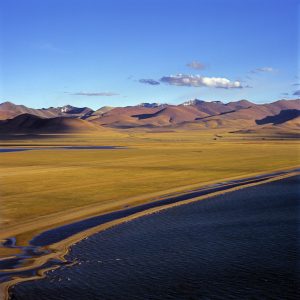
Plan Namtso as a substantial northern excursion, with the visitor area named clearly. The lake’s southern Tashi Peninsula and photographs associated with the northern Holy Elephant Gate should not be treated as the same stop or ticket. Decide what the programme actually reaches, how long you spend there and how the return fits the following day.
Put the lake in geographical perspective
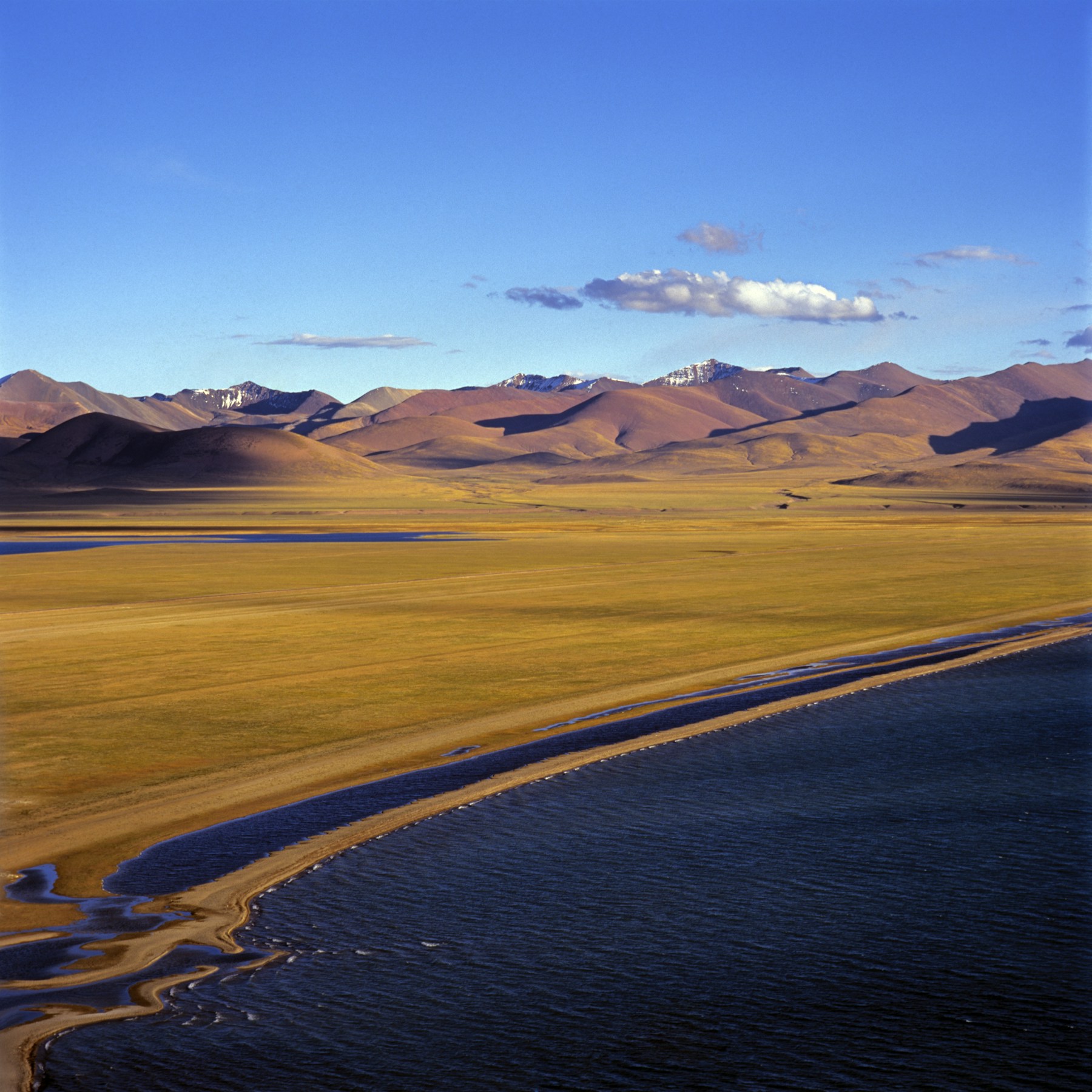
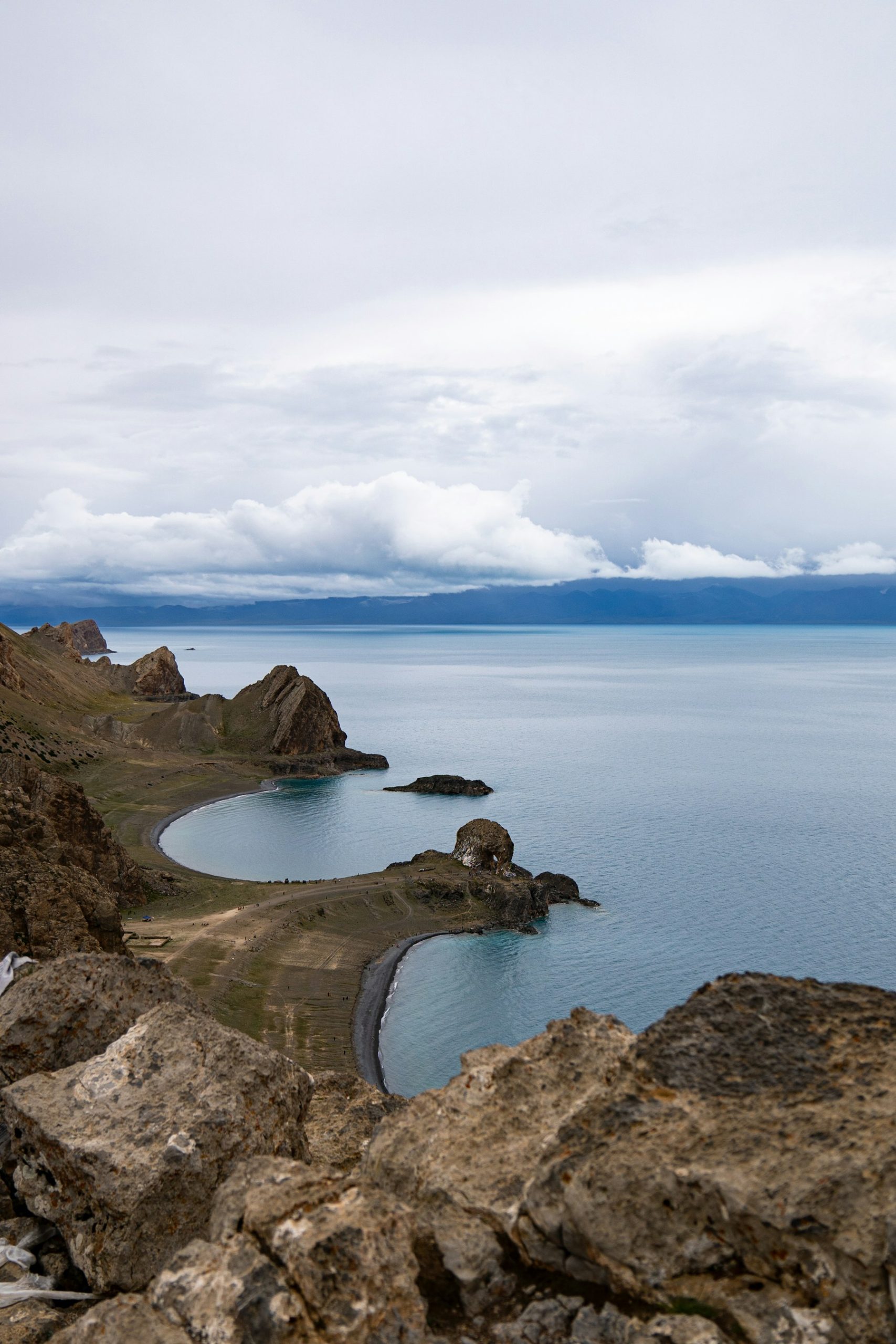
Damxung County’s official introduction places Namtso between Damxung and Baingoin and gives the lake elevation as 4,718 metres. It identifies Tashi Peninsula as a core visitor area and the Nyenchen Tanglha mountains to the south. That geographical introduction helps explain the setting; it does not confirm present road opening, a particular shore’s admission or your foreign-visitor permission.
Namtso is a high plateau lake, rather than a casual low-elevation extension of a Lhasa city walk. Its exposure and the full day’s travel deserve attention even when the planned shoreline walk is short. For foreign visitors, have the exact route, guide and current access confirmed within the organised Tibet arrangements.
| Name or phrase in a proposal | What it needs to identify | What not to assume |
|---|---|---|
| Namtso Lake | Exact visitor area and approach | Every shore is visited |
| Tashi or Zhaxi Peninsula | The developed stop and actual walking route | A northern-shore photograph describes this view |
| Holy Elephant Gate | Its own current status, permissions and logistics | General Namtso admission or opening covers it |
| Lake day tour | Hotel-to-hotel plan and usable lake time | Most of the day is spent at the water |
This guide does not recommend an unconfirmed northern-shore extension. If a named area cannot be confirmed as open and available for your party, leave it out and evaluate the actual permitted outing on its own merits.
Ask for time at the lake, not only a return time
Request the expected outward journey, any visitor-transport changes, the duration at the main stop, lunch and the return window. A tour that leaves early and returns late may still allow a relatively short lake visit. Ask whether the quoted stop duration includes queueing, toilets, ticketing and moving between vehicles.
A recent first-person two-lake diary described a very late return from a northern-shore outing, followed by fatigue the next day. That does not establish today’s road time or shuttle rules. It does show why naming the shore, understanding transfer stages and protecting the return matter more than copying a headline itinerary.
If the road takes longer than expected, the response should be an agreed adjustment. Do not solve every delay by removing meals, shortening all breaks or driving later into the night. Ask which optional stop is dropped and when the group decides whether to turn back.
Place Namtso later in the trip only if you are well
Allow time for appropriate acclimatisation before a high excursion, and discuss the actual itinerary with your clinician where needed. A particular day number is not a guarantee of readiness. Tell the guide about headache, nausea, unusual fatigue or other symptoms before departure, rather than waiting to see whether a lake view improves the day.
Do not ascend to a higher sleeping place with altitude symptoms. Worsening symptoms or severe signs require appropriate medical help and descent, not simply another photograph or a longer oxygen break. A vehicle or hotel advertising oxygen does not make the lake day suitable for everyone.
One social author who described an attractive Lhasa-and-Nyingchi journey later reported symptoms after Namtso in the comments. Read such additions as a reminder that the highlight list may leave out the harder part of the experience. Your own condition should determine whether the outing proceeds.
Treat wind and weather as part of the visit
The lake can feel very different from a sheltered city street. Prepare for the forecast along the whole approach and at the visitor area, including cold wind and precipitation where expected. Keep warm gloves, a hat and the outer layer accessible before leaving the vehicle. A clear Lhasa morning is not a complete forecast for Namtso.
Visibility can change while you are travelling. A photograph of turquoise water and snow peaks does not guarantee either on the day. Ask how the operator checks road and scenic-area notices and who makes the decision if conditions deteriorate. A short closure notice from an earlier month is not proof of today’s status, whether open or closed.
Avoid making a distant onward flight depend on an exact lake-day return. Include a suitable buffer in the overall itinerary and discuss the effect of changes on rooms, guiding and tickets. A contingency is useful only if it is feasible within the approved route and service arrangements.
Plan the short walk honestly
Ask about the actual path, distance from parking, steps, uneven ground and a shorter option. Even a modest walk at this elevation can feel demanding. Keep the group together according to the guide’s instructions and do not turn an optional shoreline view into a competitive circuit.
Stay within developed and authorised visitor areas. Do not use off-road tracks, walk into unapproved protected shore areas or cross a barrier to recreate an image. Keep clear of animals and avoid feeding wildlife. Sacred and ecological values apply even where a shore looks empty.
Meals, toilets and the next morning
| Practical need | Agree before leaving | Useful fallback |
|---|---|---|
| Breakfast | Hotel service time or an arranged alternative | Suitable food available before departure |
| Lunch | Expected stop, dietary suitability and included scope | Agreed snacks for delay, not a permanently skipped meal |
| Toilets | Main planned facilities and likely long gaps | Carry ordinary hygiene supplies |
| Warmth | Accessible layers and current forecast | Shorter exposure or an adjusted visit |
| Returning late | Dinner and hotel arrival arrangements | A low-commitment following morning |
Protect the next day’s energy. If the lake day ends late, reconsider an early departure or another demanding outing. A settled Lhasa day can be useful space for an already-approved activity, a changed reservation or rest. Do not assume a second remote excursion remains sensible merely because it was paid for.
Compare Namtso with other lake choices
Yamdrok offers a different route and set of viewpoints; Basum Tso belongs to an eastern forest-and-lake programme. Compare how each fits the nights and direction of the holiday. They should not be ranked only by a water colour or a social-media popularity score.
If your main purpose is Lhasa’s culture, adding one distant lake may be enough. If plateau scenery is central, ask for enough usable time at the chosen shore and a complete approach-and-return plan. More lake names do not necessarily create a richer journey when all the time is spent in transit.
Confirm the exact outing
Ask for the visitor area, current access check, foreign-passport arrangements, transport stages, guiding language, admissions, meal scope, walking and return window. Confirm what changes if the road, weather or your condition prevents the visit. With those details settled, you can judge the actual Namtso day rather than the photograph used to advertise it.
Continue planning this journey
Use our Tibet route-planning guide to place this topic within the whole trip. The railway, Samye and Namtso planning guide explains how arrival and separate outings fit together.
Compare 5-day Lhasa and Namtso tour, 8-day Lhasa, Nyingchi and lakes tour. These are existing route descriptions, not confirmation of a departure, present access or every optional stop discussed above. Ask for the exact permitted programme, accommodation, guiding language and itemised services for your dates.
Sources and research notes
Reviewed 29 October 2026. Practical perspectives were compared with original Xiaohongshu note bodies and initially visible comments: 西藏|纳木措&羊卓雍措攻略; 南宁出发一个人去拉萨; 西藏8天7晚|拉萨+林芝,真的太适合去放空了. These individual experiences mainly concern domestic travellers; they are not evidence of foreign-visitor eligibility, present prices or medical safety.
China regional risks: Tibet; CDC Yellow Book: High-Altitude Travel and Altitude Illness; Damxung County tourism bureau: Namtso geographical introduction. Confirm operating notices and passport arrangements for the actual travel date.