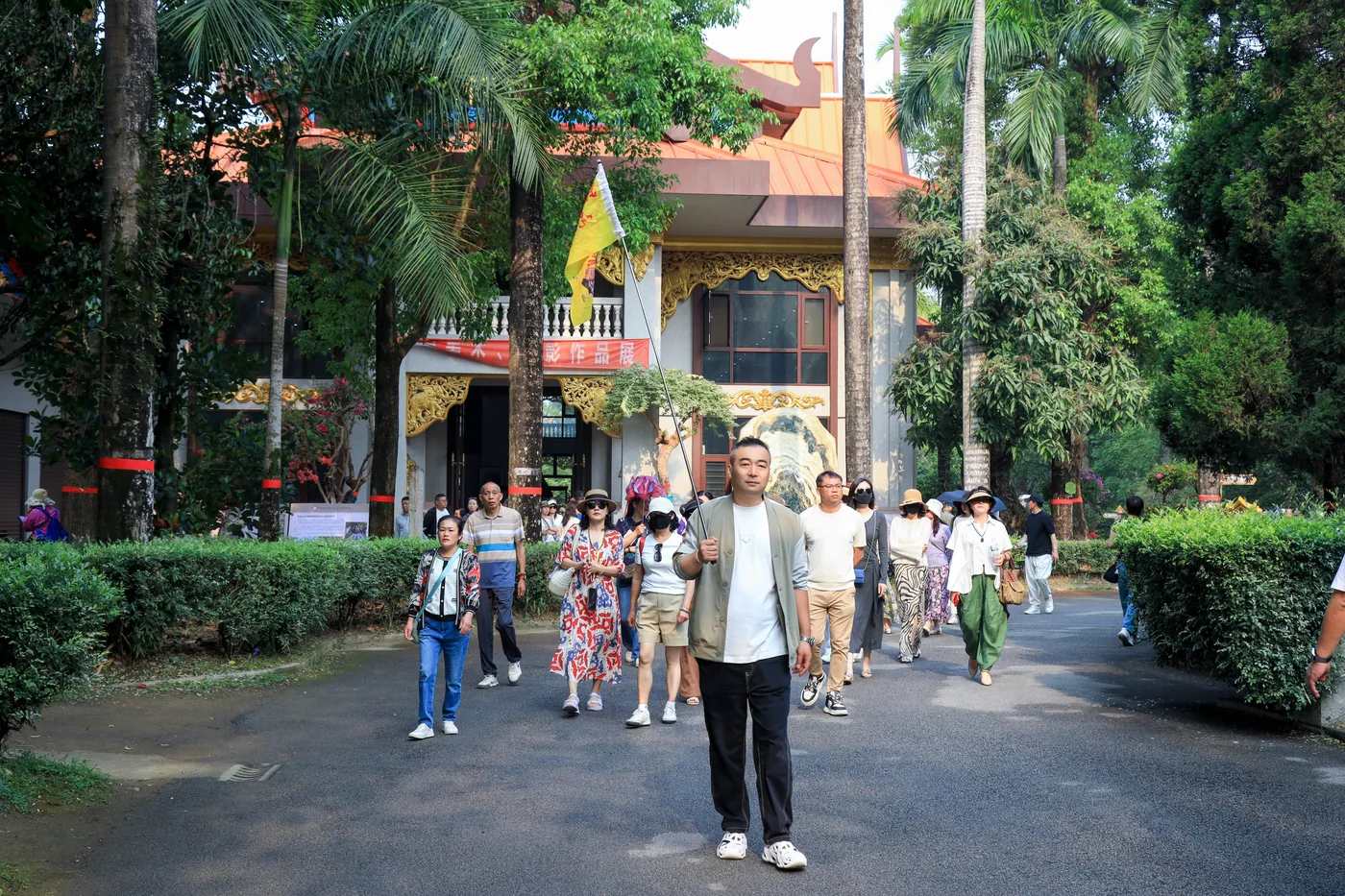
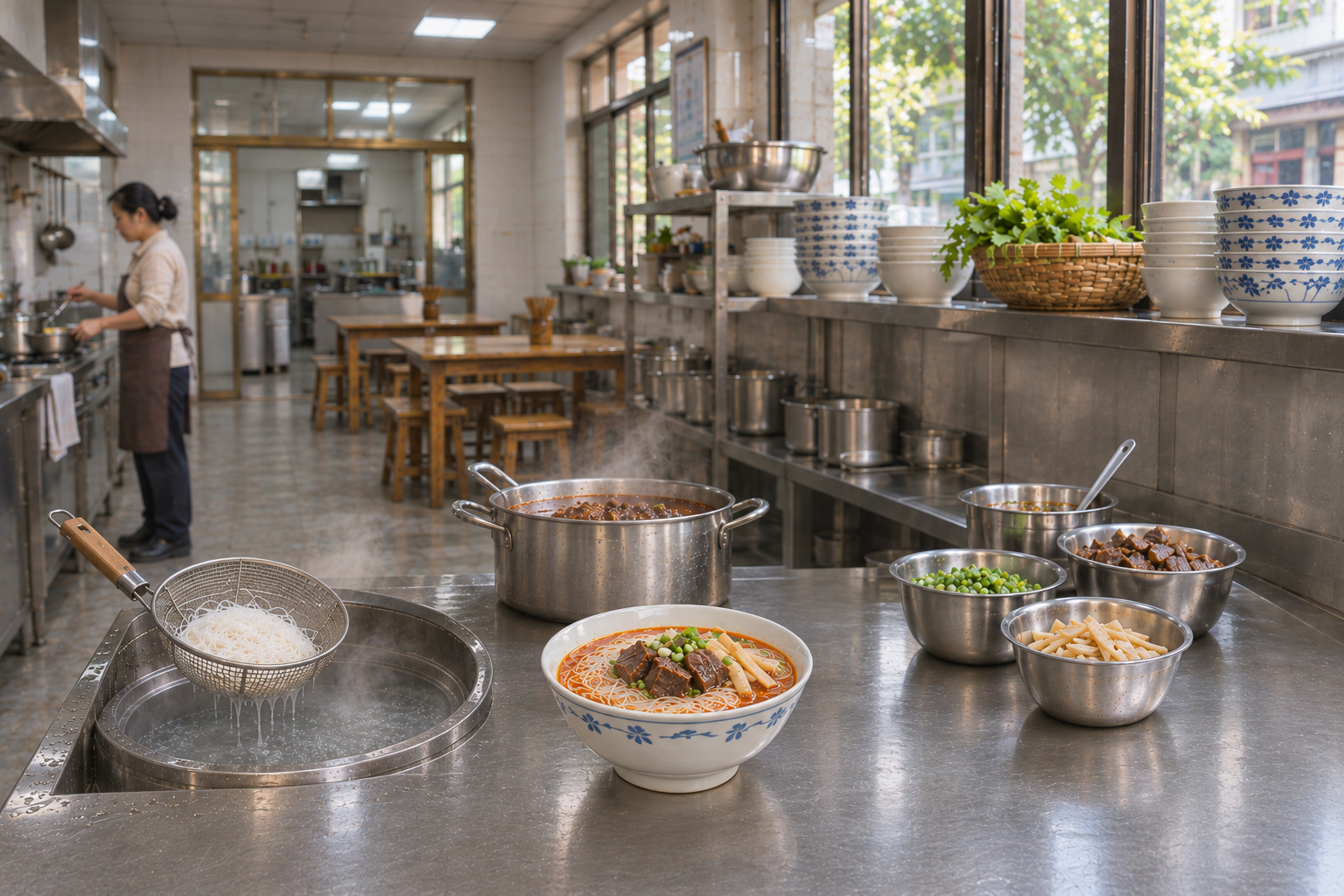
Make Mianyang rice noodles a proper breakfast stop, then give the rest of the day one clear focus. Stay in the city the night before if the morning meal matters to you. Choose the soup, topping and portion before ordering; follow it with a short city outing, a separate lunch and a comfortable return to your hotel.
This is a useful addition to a Sichuan trip for travellers who enjoy everyday food and want time to understand what they are eating. A single bowl can be the experience. You do not need to turn breakfast into a competition between several distant shops or combine it with every landmark in the region.
Understand the bowl before choosing the shop
Mianyang mifen, 绵阳米粉, uses very fine rice noodles. The broth and cooked topping give the bowl its character. A local writer’s first-person breakfast account describes clear soup, red soup and a mixture of the two, with different meat and vegetable toppings. It is a helpful introduction to ordering, rather than a current list of restaurant opening hours.
Watch the sequence from the customer side of the counter: the noodles, the soup, the topping, then any final garnish. Looking at those separate choices makes a busy menu easier to understand. Ask before photographing a person at work, and keep the serving area clear while others collect their food.
The bowl also offers a good way to slow a city visit down. Notice the fine strands, the balance between broth and topping, and the contrast between the soft noodles and anything firmer in the bowl. You can enjoy those details without knowing a long origin story or judging which shop is the city’s definitive best.
Choose the broth, then the topping
Qingtang means clear soup; hongtang means red soup; duijiao means combining them. Clear soup is often chicken-based. Red soup brings a stronger seasoned, chilli-led flavour. Mixing the two changes the balance, but does not give a reliable measure of heat. Tell the server how much chilli you want before the bowl is assembled.
| Choice | Useful starting preference | Ask before ordering |
|---|---|---|
| Clear soup — 清汤 | A starting point when you prefer a gentler flavour. | What is the stock made from, and is any chilli already in the topping? |
| Red soup — 红汤 | For a fuller seasoned bowl when you want chilli flavour. | Can the kitchen adjust the heat before assembling the meal? |
| Mixed soup — 清红对浇 | For comparing the two broth styles in one bowl. | What balance does this shop use? Mixing does not guarantee mildness. |
Beef, pork intestine, bamboo shoots and peas appear in Sichuan Online’s report on a Mianyang commerce-bureau food event. Feichang, 肥肠, means intestine; it is a distinct choice, rather than another name for beef. Vegetable toppings can add texture, but their presence says nothing by itself about the broth or cooking fat.
For a first order, choose one topping you recognise and one broth preference. If two people want to compare bowls, changing just the broth makes the comparison easier to understand. Ordering several full meals immediately can leave little appetite for lunch and make the rest of the day uncomfortable.
A menu may use liang, 两, for portion choices. Ask the shop to show its smallest and regular bowl instead of treating the number as the finished weight of everything served. Soup and toppings make the completed meal different from a quantity of uncooked noodles.
A short ordering conversation
Save a few phrases on your phone before leaving the hotel. Start with the dish name, then the broth, topping and portion. Pointing to the actual menu helps connect the written words with what that kitchen is serving that morning.
- 我想要一碗米粉。 I would like a bowl of rice noodles.
- 请问有清汤吗? Do you have clear soup?
- 请少放辣椒。 Please use less chilli.
- 不要香菜。 No coriander, please.
- 这个里面有什么? What is in this?
- 小份多少钱? How much is the small portion?
Check the final order and total before paying. Find out where to collect the bowl and where you can sit; the queue for ordering may serve a different purpose from the area where finished food is handed over. A translation app is useful for a simple exchange, but a long conversation about ingredients is easier before a rush.
Keep garnishes separate when comparing flavours. Taste the bowl first, then decide whether you want any of the condiments offered. Ask whether a drink, egg or extra topping costs more. A drink included at one shop or in an older account should not be assumed to accompany every order.
Food preferences need a separate conversation
A rice-noodle name is not an ingredient guarantee for the complete meal. If you avoid meat, ask about the stock, cooking fat and topping preparation, rather than simply requesting vegetables. If you need halal food, establish that the actual restaurant and meal meet your requirements; choosing beef alone does not establish this.
For an allergy or another strict dietary requirement, bring a clear written explanation in Chinese and ask about both ingredients and preparation. If the kitchen cannot establish what is in the meal, choose an alternative whose ingredients can be clarified. This guide does not certify any restaurant or dish for a particular diet.
Someone who does not want noodles should have a real breakfast alternative in the plan. That can be a meal at the hotel or another suitable nearby restaurant. The group can still meet for the city visit afterwards without requiring every traveller to eat the same dish.
Choose a breakfast stop that fits the day
Begin with the hotel location and the morning you actually have available. Ask for a nearby shop currently serving the style you want, then confirm its address, seating and opening that day. A convenient, enjoyable breakfast is often a better start than a long cross-city journey to chase an old online ranking.
Choose a morning slot for this breakfast-focused visit, allowing time to order and sit down. Do not attach a fixed closing time to every noodle shop. A dated report about early sell-outs describes that account, and does not establish today’s hours for an entire city.
If there is a queue, decide whether standing is worthwhile for your party before joining it. A traveller with limited stamina may prefer an alternative with confirmed seating. Take only a small day bag to the meal; a rolling suitcase is awkward around narrow tables, stools and a serving queue.
Keep factory visits, cooking lessons and food festivals separate from an ordinary restaurant meal. A December 2024 government report describes employment training in noodle preparation in Jiangyou. It does not advertise a visitor cooking class. Only include a practical session after its provider, date, language and participation terms have been confirmed.
Build a city day around breakfast
Start at your Mianyang hotel. Have the restaurant name and return address saved in Chinese. Walk only if the actual route suits your party; otherwise arrange a vehicle to a lawful drop-off point. Breakfast is the first planned stop, rather than an uncertain snack squeezed between station arrival and a timed attraction.
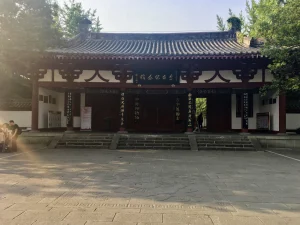
After the meal, choose one main outing. Our Yuewang Tower guide suits an interest in poetry, exhibitions and city views. It explains the distinction between the historical tower and the modern building. Give the chosen visit its own arrival and admission arrangements instead of assuming that a breakfast outing includes entry.
For travellers who prefer a wooded walk and Three Kingdoms stories, use the Fule Mountain guide. Select an open public section and a turnaround that leaves energy for the descent. This is a different physical outing from a meal followed by a short city stroll; stairs and hills should be a deliberate choice.
Make lunch a separate seated break. Choose a restaurant that suits the group’s appetite and dietary needs rather than insisting on another noodle tasting. A smaller lunch can be reasonable after a substantial breakfast, but it still needs a place and time. Confirm whether you order and pay directly or whether a defined meal is included in a written proposal.
Keep the afternoon adjustable. Return to the hotel for a rest, or take a short open riverside section if conditions and energy suit. Set the end point before leaving and allow the full transfer back. Dinner near the hotel keeps the day manageable after a morning of ordering, standing and sightseeing.
Jiangyou is a separate excursion. Travellers interested in poetry can use our Li Bai Memorial Museum guide when allocating another day. It identifies the city museum separately from the Qinglian former residence. Neither should become an unplanned extra simply because a map labels a wide region as Mianyang.
Choose the overnight base before the route
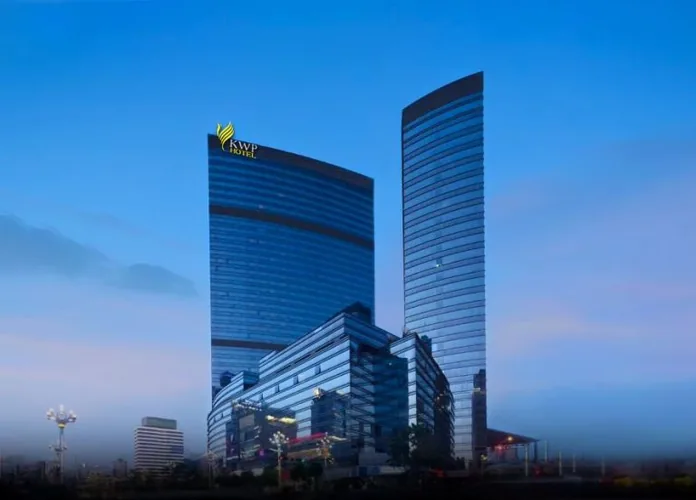
For a food-led city stay, compare central Mianyang hotels with a practical route to your chosen breakfast and main sight. A room described as central still needs its exact entrance, collection point and surrounding walking route checked. Quiet sleep, usable lifts and easy luggage access may matter more than a broad neighbourhood label.
A station-side stay can suit an early departure, while a city base can suit two relaxed mornings. Compare the full journeys, including traffic, station access and the walk with bags. Do not book a remote resort solely for its room photograph if your main plan is breakfast and city sightseeing.
Confirm the named property’s arrangements for your passport and dates, room configuration, breakfast and arrival time. Do not assume every room rate includes food, or that an early arrival guarantees access to the room. Arrange luggage storage explicitly if you want to explore before check-in or after checkout.
| Length | Suggested sequence | Nights and main trade-off |
|---|---|---|
| 3 days / 2 nights | Day 1: arrive in Mianyang, transfer to the hotel and have dinner. Day 2: noodle breakfast, one city sight, seated lunch and same-hotel return. Day 3: breakfast, collect bags and depart. | Mianyang 2 nights. One complete local day; arrival travel is separate from sightseeing. |
| 4 days / 3 nights | Day 1: Chengdu arrival and hotel. Day 2: travel to Mianyang, transfer to the hotel, lunch and a short orientation. Day 3: noodle breakfast, one sight, lunch, collect bags and travel back to a Chengdu hotel. Day 4: checkout and departure. | Chengdu 1 + Mianyang 1 + Chengdu 1. The final Mianyang afternoon is a transfer, so keep sightseeing selective. |
| 5 days / 4 nights | Day 1: arrive in Chengdu and stay overnight. Day 2: transfer to Mianyang, check in and eat locally. Day 3: breakfast and a relaxed city day with lunch and hotel return. Day 4: optional short local time, lunch, collect bags and return to Chengdu. Day 5: departure transfer. | Chengdu 1 + Mianyang 2 + Chengdu 1. A complete local day allows more room for rest or weather changes. |
These are planning sequences. Rail services, road transfers and hotel availability must fit the actual dates. A same-day trip from Chengdu can work for a city introduction, but an early noodle breakfast is easier when you already slept in Mianyang. On a day trip, do not make the whole visit depend on an unverified shop still serving after your train arrives.
Arrival, bags, weather and the final journey
Copy the exact station or airport from your booking into the transfer plan. Allow time to leave the arrival area, meet the driver and reach the hotel before beginning a food visit. An intercity ticket covers a different part of the journey from a city transfer; include both when comparing the effort of a day trip and an overnight stay.
On departure day, breakfast should leave a generous margin for collecting stored bags and reaching the correct terminal. Agree whether the vehicle waits during the meal or whether a separate collection is booked. A ride to the first shop does not establish transport for the rest of the day.
In ordinary rain, shorten exposed walking and favour a seated meal with a convenient transfer. A restaurant stop can remain enjoyable when a viewpoint is disappointing. If weather warnings or closures affect the planned outing, follow the local instructions and revise the day; do not replace a closed path with an unassessed route.
For mixed walking abilities, count the queue, steps at a restaurant entrance, attraction interiors and the final hotel walk. Mention these needs before a route is fixed. A vehicle cannot remove all standing, and an ordinary small restaurant may not have the same access or facilities as your hotel.
What a Verotrip proposal should specify
Price on request. Tell a travel consultant whether breakfast is a short local stop, the focus of a city morning, or part of a longer Sichuan journey. A proposal should identify the actual restaurant arrangement, language support and complete return. The suggested sequences above do not establish a scheduled departure or services already included.
| Part of the day | Specify in writing | Separate unless agreed |
|---|---|---|
| Breakfast | Restaurant or selection method, portion basis, dietary communication and payment arrangement. | Extra toppings, drinks and additional tasting stops. |
| Transport and return | Hotel pickup, lawful collection points, waiting, luggage and final hotel or station. | Overtime, extra districts and a different return city. |
| Sightseeing and language | Named public attraction, current access, any admission procedure using the original passport, and agreed English support. | Cooking classes, factory access, special events and all-day accompaniment. |
| Lunch and overnight stay | Lunch basis, exact hotel nights, room type, cancellation terms and any insurance arrangement. | A sample schedule does not confirm availability or an insurance policy. |
English help should have a defined role: ordering and dietary communication, cultural explanation during sightseeing, or accompaniment throughout the day. An English message before travel does not mean that every restaurant employee or driver speaks English. Decide what support the party needs where the conversation will happen.
Questions about Mianyang rice noodles
Is a food stop worth adding to a short Mianyang stay?
Yes, if breakfast interests you and the stop fits the hotel location and day’s main outing. One enjoyable meal is sufficient. An overnight stay makes the morning easier; a rushed arrival followed by several tastings and distant sights is a less comfortable choice.
Can I order a milder bowl?
Discuss your preference before the meal is assembled, and ask what the kitchen can prepare. Soup names alone do not guarantee a particular level of heat. If your requirements are strict, confirm ingredients and preparation rather than relying on colour or a photograph.
Should I visit several famous shops in one morning?
Usually one is enough for a first visit. If comparison is your main interest, choose modest portions and nearby stops, with time to sit and an adjustable lunch. There is no need to finish several full bowls to appreciate the dish.
Does this include a cooking lesson or factory visit?
No such activity is established by a breakfast plan. It needs a named provider and a confirmed session, including language, access and what participants actually do. A historical event or employment-training report is not a bookable visitor programme.
Plan breakfast as part of a complete stay
Use Plan My Trip to send your dates, arrival and departure details, party size and preferred hotel base. Add food preferences, walking limits and whether you want poetry, a park walk or a slower city day afterwards. Verotrip can assess a proposal that connects the meal with the rest of your journey.