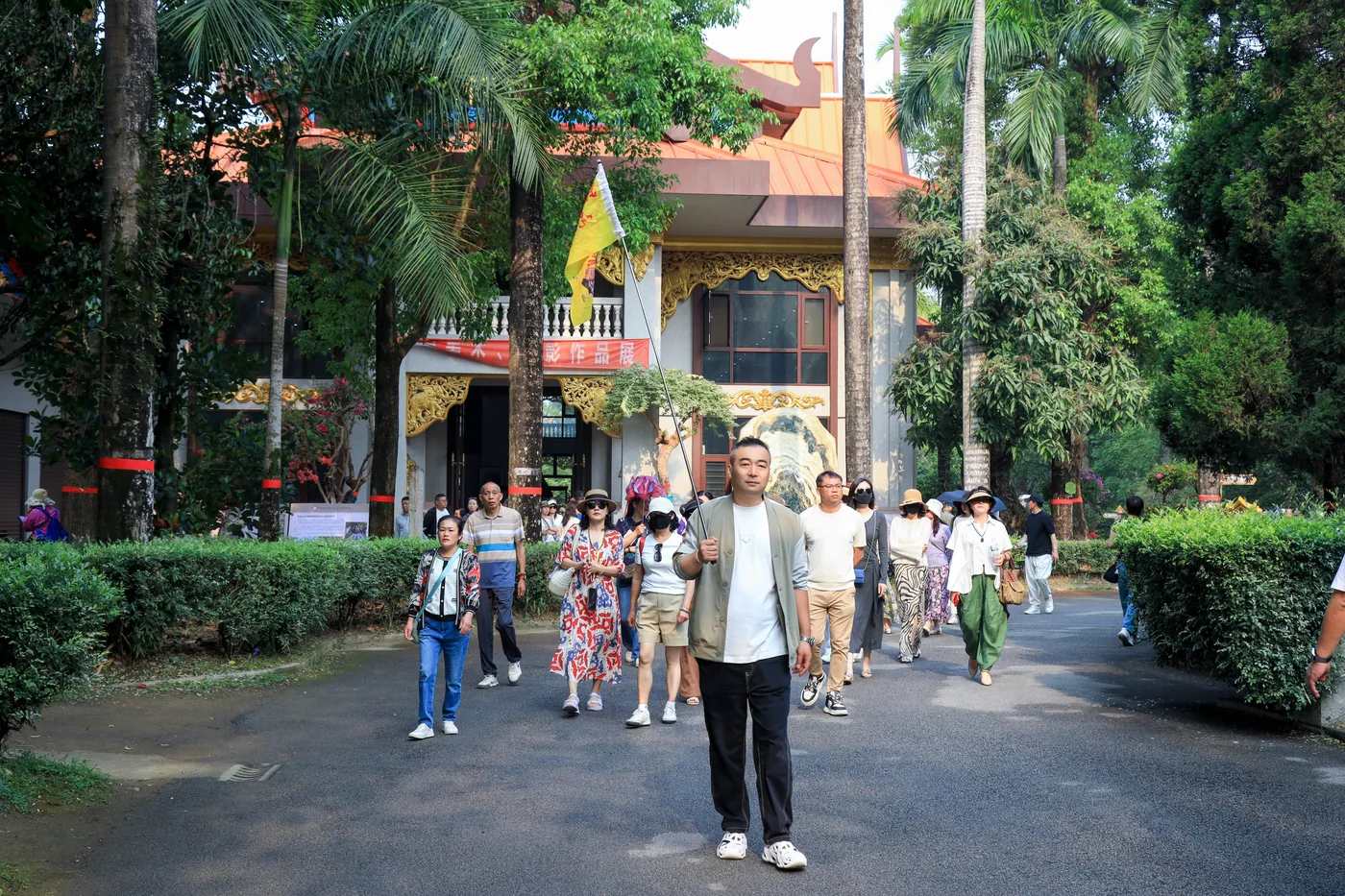
Which theme appeals more: Luodai’s Hakka guild halls or Huanglongxi’s river-town lanes? The former gives an architectural street walk a cultural thread; the latter invites bridge views, browsing and lunch. Give either a full Chengdu excursion day, comparing the actual hotel journey as well as what you will do there.
Neither choice needs a hotel change for an ordinary return visit. Start with one town, one manageable walking plan and a definite collection point. If both places matter to you, separate them into two outings instead of making the day depend on crossing between them.
The choice at a glance
| Your priority | Luodai | Huanglongxi |
|---|---|---|
| A cultural focus | Hakka migration, regional guild halls and the relationship between the main street and side lanes. | The connection between a trading town, river edges, bridges and streets. |
| A selective walk | One or two hall frontages, Jiangxi Lane and a seated pause; Boke Building is a separate extension. | A short street section, an available Jinguan Bridge or river viewpoint, then lunch and the return walk. |
| A Chengdu base | Longquanyi, on the eastern side of the city region; compare the approach from your hotel. | Shuangliu, south of the central city; the name does not mean every airport connection is convenient. |
| What should drive the decision | Choose it when someone wants to understand the buildings and Hakka story. | Choose it when a waterside town atmosphere matters more than visiting a set of interiors. |
Compare experiences rather than awarding authenticity or quietness. Both towns have visitor businesses. Food, shops and photographs can complement the day when they leave time for the buildings or riverside setting that made you choose it.
Luodai: choose the guild halls before the extras
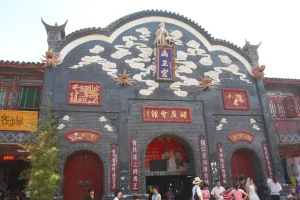
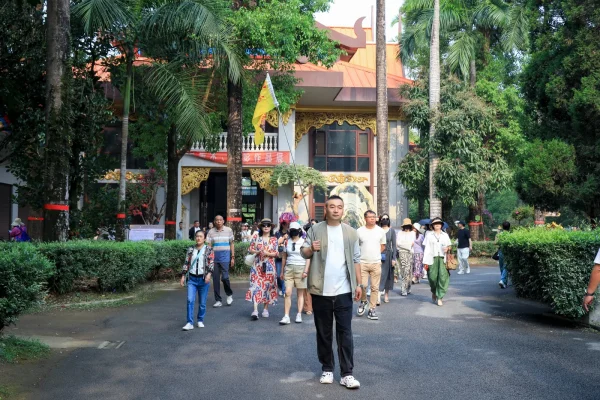
Luodai Ancient Town, 洛带古镇, is in Longquanyi District. GoChengdu identifies its four regional guild halls as Guangdong, Jiangxi, Huguang and Chuanbei. That gives an architecture-focused party a practical theme: compare the spaces communities created, rather than treating every shopfront as a separate attraction.
Make two guild halls the architectural focus, perhaps Guangdong and Jiangxi. Look at rooflines, gateways and admitted courtyard space. Public access to the old street does not establish an open hall or exhibition; settle any essential interior before arranging the drive.
Jiangxi Lane, 江西巷, is useful for orientation. A Longquanyi Civil Affairs account of the street names connects it with Jiangxi Guild Hall and the division between the upper and lower street. Use the current visitor map to find a compact first section, then add one side-lane branch if everyone is comfortable.
For a shorter Luodai outing, one hall frontage, Jiangxi Lane and a seated meal can be enough. A browser may continue towards Beixiangzi (北巷子) while a companion rests, using an agreed reunion and the known walk back to transport.
Boke Building, 博客楼, is an optional second focus. The district government account describes its modern construction in 2010–2012 using the Hakka enclosed-building form. It should not be mistaken for an ancient surviving Fujian tulou. An exterior look, a museum visit and a booked activity are different choices; confirm the desired part separately. The full Luodai guide develops the town walk and road-day details.
Huanglongxi: choose the street-and-river rhythm
Huanglongxi Ancient Town, 黄龙溪古镇, is in Shuangliu. It is a different destination from Huanglong scenic area in northern Sichuan. Use the full Chinese town name when discussing a vehicle or saving a navigation destination.
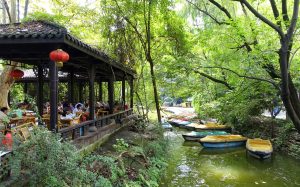
The Japanese Consulate-General in Chongqing describes Huanglongxi as a developed visitor town at the meeting of two rivers. Its account also identifies Jinguan Bridge, 锦官桥, and the older wharf, temple and residential setting beyond. Those features support a waterside walking theme; the older description does not guarantee access to every building today.
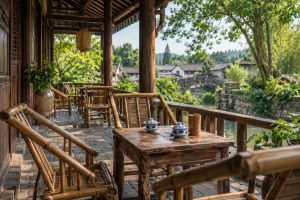
In Huanglongxi, begin with a selected main street and check the open way towards bridge and river. Stop where the view makes the setting clear, then choose between another short section and lunch. The meal is part of the rhythm, not a prize after reaching the farthest point.
Choose the river town when water, browsing and seated time matter more than a collection of interiors. Keep a purposeful route nevertheless. Following every interesting shop can take a tired companion a long way from the return point.
Keep the visit on admitted public paths. A photograph of summer water play or an old boat programme is not a reason to enter a channel, river or closed bank. This comparison proposes an on-land town visit. Use the full Huanglongxi guide for its separate road, street and return-day decisions.
Which works better for your walking pace?
For less walking, choose the shorter actual route rather than a winning town name. Luodai can focus on one building and nearby lunch; Huanglongxi can use a modest out-and-back street-and-river walk. Turn before fatigue and retain energy for the final transport connection.
Stone paving, thresholds, bridge approaches and individual steps can affect either visit. For a wheelchair, stroller or limited stair tolerance, check the specific entrance and route you actually want. The description “old town” does not establish a continuous step-free circuit. An outdoor frontage may be a worthwhile alternative when a building entrance is unsuitable.
With children, begin with one walk, lunch and an optional extension. Enjoying a short section does not require all four guild halls, every lane or another distant attraction. Adults browsing separately also need an agreed reunion before they leave each other.
Keep one Chengdu hotel and count the full days
Three Chengdu hotel nights leave two full days: one city day and one town outing. Four nights add a usable day for slower city time, weather flexibility or the second town if both truly matter. Arrival and departure remain travel days.
| Stay length | A workable sequence | Main trade-off |
|---|---|---|
| 2 nights / 3 days | Arrive and settle; one chosen town day; depart. | The town uses the only complete local day, leaving city visits to limited arrival or departure time. |
| 3 nights / 4 days | Arrival; a Chengdu city day; Luodai or Huanglongxi; departure. | A balanced short break with one town rather than two. |
| 4 nights / 5 days | Arrival; city day; chosen town; flexible day or the other town; departure. | The extra night pays for a usable day and more freedom, not a rushed second stop on the first road day. |
A central hotel around your preferred meals and city walks can be more useful than moving to a town for a single outing. Compare the specific address, room access, lift, street noise and luggage arrangements. An eastern-city hotel can change the Luodai approach, but a district label alone does not prove a faster journey. Use the Chengdu planning guide to choose the wider city stay.
An overnight in either town is a separate preference for someone who wants more local time. Confirm the named property, room, original-document registration and the final approach with bags. A booking description saying “inside the ancient town” may still mean a walk from the permitted vehicle stop. Give that extra night a clear purpose before changing hotels.
Arrange the whole return, including the last walk
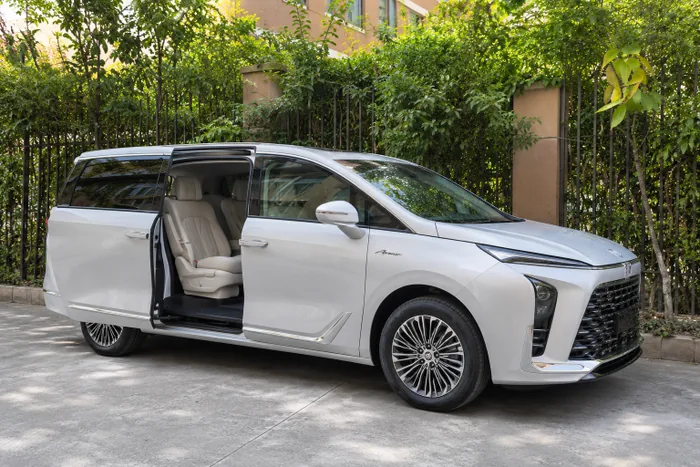
For a vehicle-with-driver enquiry, name the hotel pickup, permitted town arrival point, waiting allowance, collection point and final Chengdu destination. Passenger seats and luggage space both matter. The person driving, an English-speaking guide and remote language assistance are different services and should be described separately in the accepted offer.
A public-transport plan needs the same complete outline: the current connection from the hotel, the final section into the town and a return you understand before leaving. Do not assume a metro station elsewhere in Longquanyi or Shuangliu is at the old-street entrance. Check the actual dated service instead of relying on an old route number or an isolated screenshot.
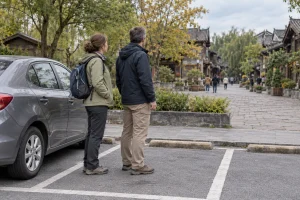
For self-drive, settle the required driving documents and the rental agreement first. At the town, follow current controls and authorised parking. Save the car-park name and the walking route back. A shop or hall pin can point toward a pedestrian area, so choose the vehicle destination independently from the sightseeing destination.
Leave large cases at the Chengdu hotel under an agreed storage arrangement when possible. If you check out first, decide whether the bags remain there or travel in the vehicle. A return for stored cases adds another journey segment. Chengdu East station, Shuangliu Airport and Tianfu Airport require different final transfers; provide the exact departure and move the town visit to another day if the margin is poor.
Meals, weather and optional spending
Choose a seated meal when the party needs rest as well as sightseeing. Establish dishes, portions, ingredients and chilli before ordering. A town’s named food need not be compulsory, and several small standing purchases should not become the lunch by default.
In light rain, shorten the outdoor section and use an available meal or tea stop. Neither town automatically solves a wet-weather day: covered seating and individual interiors must actually be available. During a severe-weather warning or an instruction affecting the route, change the outing. Huanglongxi’s river setting particularly calls for respecting barriers and water-edge restrictions.
If photos, costume rental, an exhibition or a performance are the main reason for choosing a town, establish the actual provider, date, language and scope beforehand. A past festival article does not supply a daily schedule. Compare the ordinary town visit first, then decide whether a separately arranged activity is worth its time and cost.
| Budget item | Useful comparison | Settle in writing |
|---|---|---|
| Road journey | Hotel to the chosen town and the complete return. | Vehicle, waiting, tolls, parking, collection, overtime and final destination. |
| Interpretation and entries | The particular hall, exhibition or activity that matters. | Current admission or document method, guide language and any separate booking. |
| Meals and optional purchases | Seated lunch, tea and discretionary shopping. | Self-paid items, any meal allowance, portion basis and optional activity charges. |
| Changes | A shorter walk, changed weather or a different finish. | Cancellation, revised services and the cost of an additional station or airport transfer. |
Questions when choosing between the towns
Can ordinary international tourists visit both towns?
A January 2026 Red Star News report, published by National Business Daily, includes both Luodai and Huanglongxi among places enjoyed by Thai visitors. That is evidence of ordinary inbound sightseeing, rather than confirmation of every venue’s current admission method. Carry the original passport for any separately required check and settle an individual ticket, activity or hotel registration with its provider.
Can I visit both in one day?
Treat that as a different, fuller road plan. This guide recommends choosing one town for a relaxed outing with a meal and a complete return. If both cultural themes matter, use two days; a short appearance in each town is not equivalent to two unhurried visits.
Which is the better choice if I want less walking?
Neither wins automatically. Choose a compact Luodai hall-and-lane section or a short Huanglongxi street-and-river return walk. Confirm the actual surfaces, thresholds, rest point and collection distance before deciding.
Should I use an airport departure day?
Only after the full route, luggage retrieval and required airport arrival are worked out. Being on the southern side of Chengdu does not make Huanglongxi interchangeable with either airport. With a tight departure, keep the day in the city and put the town on a complete local day.
Choose the theme, then request the actual day
Price on request. Send Verotrip your dates, Chengdu hotel, party size, walking limits and final return requirements through Plan My Trip. Say whether Hakka halls or a river-town walk is the priority. Request a dated written proposal identifying the actual vehicle, ticket or document arrangements, language support, meals, optional activities, price and exclusions.
Use Sichuan culture and food tours for a wider cultural journey, while checking each route’s actual stops. A collection page or this comparison does not confirm that a town visit is included in an existing tour. A specific excursion must appear in the agreed itinerary.
Updated 6 November 2026. Background sources include GoChengdu’s 2022 town introduction, Longquanyi Civil Affairs’ 2025 lane account, the district’s 2022 Boke Building introduction, the Japanese consulate’s 2021 Huanglongxi account and the January 2026 inbound-visitor report. Their dated descriptions are not current opening, price, performance or service guarantees.