A Laos–China–Pakistan overland trip needs a complete China crossing and an agreed Pakistan reception, not just permission to enter at Mohan. A planning corridor runs from Boten–Mohan through Yunnan and the selected inland provinces to Xinjiang, then from the Kashgar–Taxkorgan area towards Khunjerab and Sost. Arrange the exit, onward vehicle admission and high-altitude stages before committing to the first border date.
This is a substantial road journey between tropical southern China and the western mountains. Choose it when the intermediate regions are part of the holiday and you can allow for changing conditions. If you mainly want a short Yunnan trip or a quick connection to Pakistan, compare a shorter China visit and separate onward transport instead.
Updated 24 October 2026.
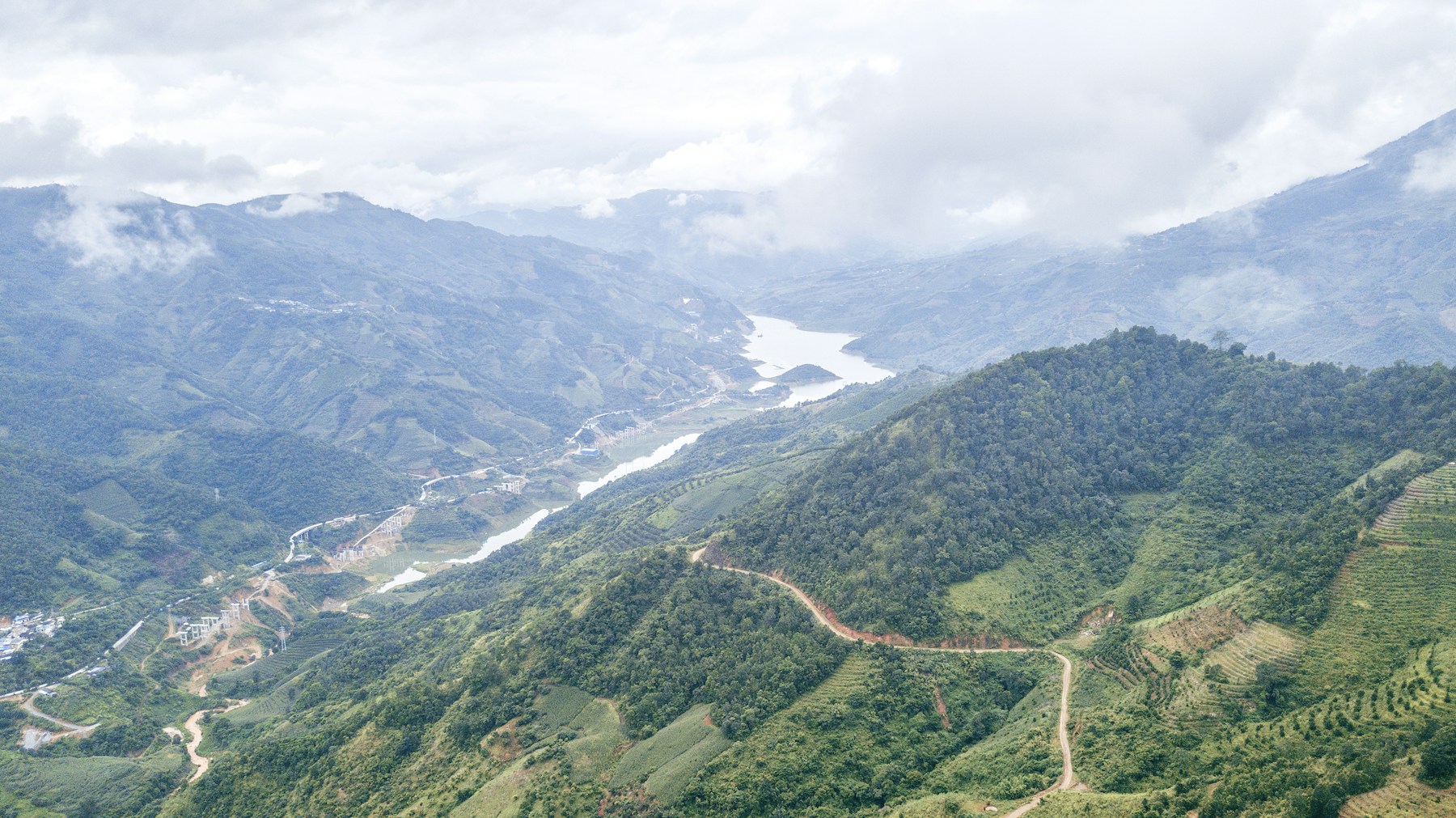
The opening photograph shows Lancang in the wider Pu’er area. Visiting that valley is an optional detour, not the main through-road or a border scene.
Choose the complete corridor before choosing sightseeing
Start with a map of the accepted entry and exit, the vehicle arrangement and your total time. Then choose the places that justify the long drive. The following stages describe geographical planning blocks, not individual driving days or an approved overnight list.
| Planning block | Route relationship | Decision before fixing nights |
|---|---|---|
| Boten–Mohan | Leave Laos and enter southern Yunnan by the agreed road channel. | Both sides’ passenger and vehicle procedures, reporting points and a delay response. |
| Xishuangbanna–Pu’er–Kunming | The Yunnan approach from the south towards an inland crossing. | Which regional stays justify time, and which are only transit nights. |
| Selected Sichuan and Gansu corridor | An inland route towards Xinjiang, distinct from adding Tibet. | Actual provinces, roads, nights and any changes to the authorised vehicle plan. |
| Xinjiang–Kashgar area | The long western approach and preparation for the final mountains. | Sightseeing, document appointments, vehicle condition and onward reception. |
| Taxkorgan–Khunjerab–Sost | The high-country exit from China and entry to Pakistan. | Sleeping-altitude sequence, dated access, customs obligations and the first Pakistan night. |
The China–Laos border-port agreement and annex identify Mohan–Boten as a passenger-and-cargo road crossing. Save the road reporting location, not the international railway station. A train timetable or railway ticket does not settle how an overseas car reports to customs.
For the western end, the Xinjiang transport authority’s port inventory identifies the China–Pakistan pair as Khunjerab–Sost. Border names establish the corridor; they do not establish your nationality’s admission, the vehicle’s acceptance or a particular day’s operation. Have the responsible parties confirm those matters for the actual journey.
Inland China or an additional Tibet journey?
An inland route through selected parts of Sichuan and Gansu is a different project from adding Tibet. Do not let a short line on a map quietly introduce a region requiring separate foreign-visitor arrangements, a different high-altitude plan and more time. Ask the planner to name the actual provinces and roads in the written itinerary.
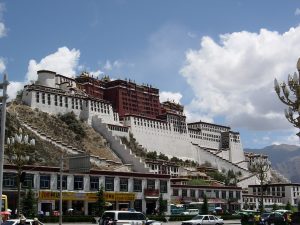
If Tibet is essential, develop it as a separate route decision with the necessary admission and itinerary arrangements before combining it with the through journey. The Tibet trip-planning guide explains why Lhasa, western Tibet and a Kailash visit cannot be treated as interchangeable additions. A general China vehicle plan does not approve every detour.
If the priority is Yunnan, compare the Yunnan overland route from Laos. Returning towards Laos and continuing internationally by a separately arranged method can be a more comfortable holiday than compressing a full China crossing. The vehicle’s lawful exit and customs obligations still need to be completed.
One car throughout or separate transport services?
State whether you are bringing your own car, campervan or motorcycle across all three countries. Registration country, vehicle class, dimensions, ownership and the names of actual drivers affect the preparation. A borrowed vehicle or trailer should be declared at the first enquiry, rather than added after a standard-car quotation.
For a driver-led China section, agree both handovers and the transport on each side. A Chinese rental car or sightseeing vehicle is not automatically permitted to continue into Pakistan. Ask who holds the vehicle, who moves the luggage and how the group crosses when people and vehicles use different procedures.
| File | What to establish | Do not substitute |
|---|---|---|
| People | China and Pakistan entry basis for each nationality, dates and actual ports. | A through-route title or the driver’s immigration status. |
| China vehicle | Customs method, temporary road documents, insurance, approved itinerary and exit discharge. | The traveller’s visa, a foreign number plate or a carnet used elsewhere. |
| Drivers | Appropriate Chinese driving permission for the actual vehicle, plus onward country requirements. | A foreign licence alone or an assumed course/rental entitlement. |
| Pakistan vehicle | Receiving customs method, guarantee/carnet conditions, insurance and re-export obligations. | The fact that the same car was accepted by China. |
| Travel services | Named receiving parties, language support, border handovers and incident contacts. | One generic contact described as covering every service in every country. |
The Chinese temporary-entry vehicle checklist distinguishes registration, customs evidence, insurance and relevant receiving-plan documents. The procedure described is for Beijing; it is not a Mohan appointment or a guaranteed processing time. Request the actual border procedure and responsibility for originals, translations, inspection and document validity.
Ask who closes the Chinese vehicle-admission record at the western exit and what evidence you keep afterwards. A traveller leaving by air because the road changes does not automatically discharge the car’s obligations. Agree how a breakdown, changed exit or vehicle left behind would be handled lawfully before beginning the journey.
Settle Pakistan reception before entering China
Establish the entry basis for every traveller and ask the Pakistan receiving party about the exact road arrival. Nationality, visa category and the permitted entry route need to agree. A visa and a customs-admitted vehicle remain separate requirements; do not assume one application covers both.
Pakistan’s Federal Board of Revenue SRO 1965 of 2024 sets out conditions for temporary import of tourists’ vehicles under a carnet or bank guarantee, including re-export obligations. Its separate escorted-transit provisions are not unrestricted sightseeing permission. Ask the receiving customs party which current method applies to this vehicle and whether later changes affect your dates.
Confirm the receiving contact, reporting point, customs documents, road insurance, any required escort or regional arrangement, and the first usable overnight after Sost. Discuss onward travel towards your actual Pakistan destination, not only the fact that the border exists. If reception cannot be established, postpone or redesign before setting off from Laos.
Keep departure from Laos equally clear. Ask the relevant authority how the vehicle’s existing admission is closed and what is required if a delayed China entry forces a return. A nominally flexible date is useful only if the people, vehicle and animal documents, if applicable, can move together.
Build the schedule from real nights, not a minimum transit number
Request a night-by-night route with the actual hotel bases, driving sectors, rest stops and border appointments. A long China crossing needs room for administration, ordinary rest and the places you want to visit. A route total derived from uninterrupted driving is not a holiday schedule.
Separate full local days from transfer days. A Kunming arrival evening does not provide a full city visit; a Kashgar paperwork day should not also promise every old-town sight. Ask what will be removed first if a border, road or document appointment moves. A shorter list of worthwhile visits is preferable to driving faster to preserve an overfilled plan.
Choose hotels with actual parking, luggage access and room arrangements for the vehicle and party. For a campervan, do not assume every hotel allows the vehicle in its car park or that sleeping in it is lawful at every stop. Agree approved overnight arrangements rather than treating an empty map area as a camping site.
Approach Khunjerab as a high-country journey
The final mountains change the planning problem. A comfortable stay in lowland Yunnan does not prepare the body for a later high sleeping altitude. Give a qualified clinician the proposed sleeping-altitude sequence, previous altitude experience and medical history before committing to the highland section.
The CDC’s altitude guidance emphasises gradual ascent and explains that fitness does not remove the risk of altitude illness. Do not move to a higher sleeping altitude with symptoms; worsening symptoms despite rest require descent. Agree a practical way to stop, change the route and seek help rather than relying on an oxygen bottle or a fixed border appointment.
Ask for the exact Chinese and Pakistan overnight locations, road conditions, medical-help contacts and communication arrangements. A border travel day can combine a high crossing with long administrative waits. Arrival at the frontier is not the end of the day: reception, onward road and a suitable place to rest must still work.
Border areas and scenic stops are separate permissions
The Xinjiang border-management regulation distinguishes through entry or exit from other visits in a border-management area. Adding a village, lake or side road can change what is required. Provide the complete sightseeing list and ask about the exact stops rather than assuming a through crossing permits every nearby visit.
The May 2026 Khunjerab controlled-area notice describes port inspection and approach boundaries. It is not a tourist itinerary or permission to enter the controlled area independently. Follow the reporting instructions and keep photography to places where it is allowed.
Food, language and a useful change plan
Tell the planner who speaks English, who handles border interpretation and how provincial teams hand over the trip. A driver, a sightseeing guide and a customs representative perform different roles. Keep a contact for out-of-hours delays and ask who authorises extra hotel or recovery costs.
Discuss road lunches, allergies, halal requirements, prayer breaks and washroom stops along the actual sectors. Regional cuisine or a meat dish alone does not establish suitable preparation. Carry agreed backup food where lawful, with drinking water and personal essentials accessible without unloading the vehicle.
| Problem | Choose a practical response | Move together |
|---|---|---|
| Pakistan reception cannot be confirmed | Postpone the full crossing or retain a shorter China journey. | People’s entry, vehicle exit, onward transport and cancellation terms. |
| A China sector becomes unsuitable | Stop lawfully and have the responsible team arrange an acceptable revision. | Road plan, hotels, document dates and western border meeting. |
| Health or weather prevents ascent | Follow clinical/local instructions and use the agreed lower or earlier alternative. | Accommodation, medical help, vehicle obligations and receiving contacts. |
| The car cannot complete the route | Ask the responsible customs and vehicle parties for a lawful recovery or exit solution. | Vehicle custody and discharge obligations as well as the travellers’ departure. |
Send Vero Trip dates, nationality and entry basis, vehicle registration and class, ownership, driver licences, party ages, luggage and onward Pakistan destination through Plan My Trip. State the places worth keeping and your comfortable pace. Share sensitive document copies only through the agreed secure process.
Use the China overland route comparison to frame the enquiry and the self-drive collection to compare travel styles. Request a written feasibility response covering both borders, vehicle responsibilities, actual route, receiving parties and changes. An informational route or enquiry does not reserve a crossing or confirm a three-country service.
Related Journeys to Compare
These existing routes offer starting points for the region or travel interests discussed above. Read the full daily itinerary to see what is included. A visit described in this guide, a specialist session or an international border crossing is added only when confirmed in your own programme.