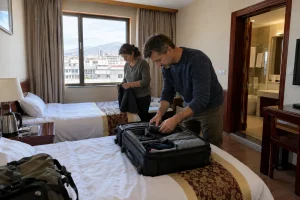
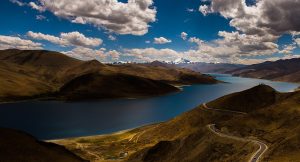
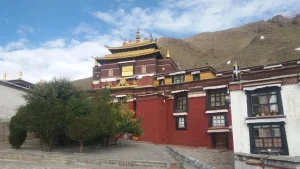
Gyantse (江孜) deserves a decision before you reach it: is it a brief point on the road from Lhasa to Shigatse, or a place where you want time for Pelkor Chode Monastery and its Kumbum? The difference affects the entire day. After lake viewpoints, mountain roads and meal stops, an unplanned temple visit can become a race against admission arrangements and the onward journey.
Pelkor Chode is also written Palcho or Palkhor Chode, and its Chinese name is 白居寺. The Kumbum, known in Chinese as 十万佛塔, belongs to that monastery complex. Using both names helps avoid confusion when comparing itineraries. This guide focuses on a thoughtful cultural visit and an optional overnight structure, subject to the confirmed visitor arrangements.
International visitors require Tibet permits and organised travel through a specialist agency; access can change. Have the operator confirm Gyantse, the monastery and any overnight stay in the permitted programme. A domestic self-drive story does not establish foreign-visitor arrangements.
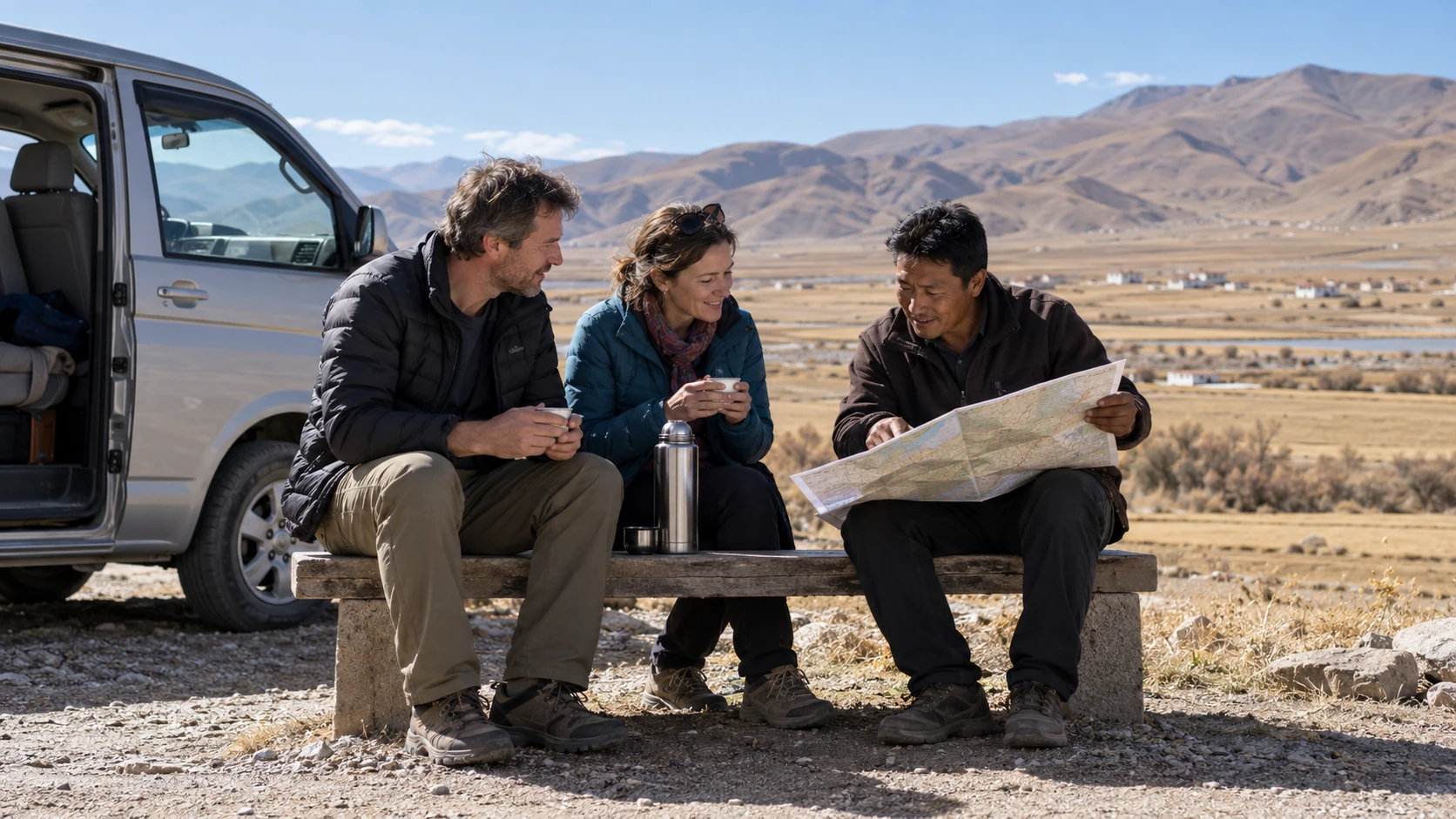
A road stop and a monastery visit are different products
The site’s existing 6-day Lhasa and Shigatse group tour travels via Yamdrok Lake, Karola and Gyantse. Its day description mentions the Gyantse farmland stop; it does not explicitly include Pelkor Chode or Kumbum admission. Read that distinction before booking. This article does not add those services to an existing shared departure.
If the monastery is a priority, ask for a proposal that names it, provides a realistic visit allowance and states where the party sleeps afterwards. If you mainly want the journey through the valley, a shorter stop may be entirely appropriate. The key is to choose openly rather than assume every itinerary with “Gyantse” in the title includes the same experience.
| Way of including Gyantse | What it gives you | What to verify |
|---|---|---|
| Brief stop on a longer drive | A pause and an introduction to the town or valley | Exact stopping place; it may not include monastery admission |
| Planned monastery block before Shigatse | Time for selected open halls and Kumbum areas | Entry, walking, latest suitable arrival and the remaining road day |
| One night in Gyantse | Room to separate the cultural visit from part of the drive | Suitable accommodation for the party, permitted route and revised next-day timing |
None is a guaranteed departure or ready-made additional tour. The written confirmation should identify admissions, guide language, accommodation, transport and meals. A longer visit has value only when the rest of the itinerary can genuinely accommodate it.
Why Pelkor Chode is worth looking at slowly
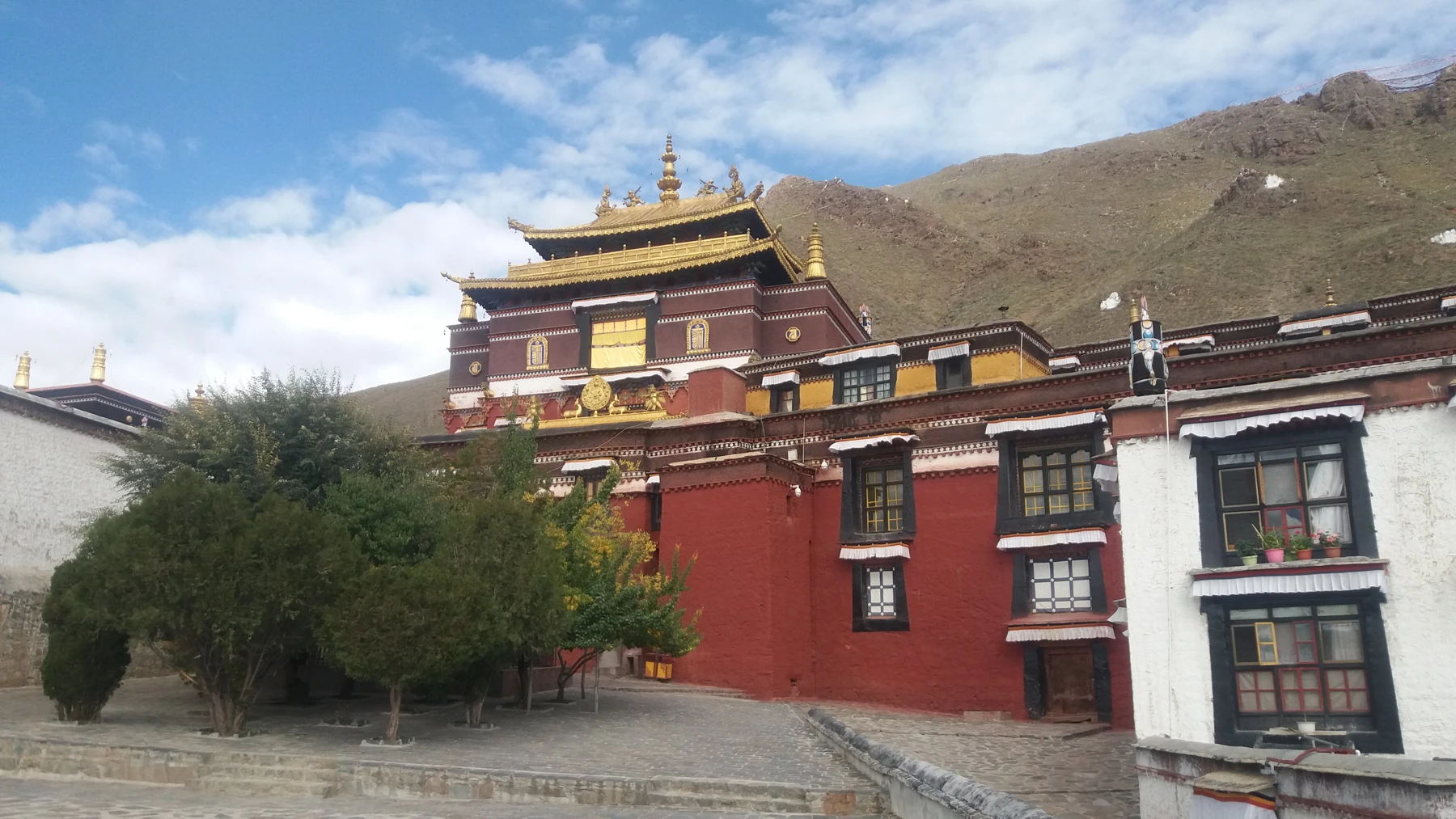
The Palace Museum’s 2019 fieldwork report identifies the monastery’s enclosure, religious buildings and multi-doored tower, and discusses the artistic importance of its paintings and sculpture. Its researchers describe the absorption and reinterpretation of artistic influences from India, Nepal and the Chinese interior. This is a useful starting point for looking, rather than reducing the site to the number of images associated with its Chinese nickname.
That research report is evidence about art and architecture, not a public-access notice. The rooms visited by researchers, the permissions they received and the photographs they took do not establish what a present-day tourist may enter or photograph.
A Xiaohongshu note we read focused on the site’s multiple religious traditions, while a separate town account valued food and the agricultural setting. Treat the first as a prompt for your guide to explain local history, and the second as a reminder that the journey need not end at the monastery gate. Neither is a basis for guaranteeing cheap meals, current access or a particular view.
A coherent first-visit sequence
Begin in an open visitor area where you can understand the relationship between the main hall and the Kumbum. Ask the guide to orient you before choosing what to enter. The tower and the larger monastery are related, but they are not interchangeable experiences: looking at the tower’s shape is different from spending time with paintings or sculpture inside an open religious space.
| Stage | Suggested planning allowance | What makes it useful |
|---|---|---|
| Admission and orientation | 15–20 minutes | Confirm what is open, what the ticket covers and the appropriate route |
| Main hall and context | 35–50 minutes | Understand one or two subjects with the guide, following room permissions |
| Kumbum visit where permitted | 40–60 minutes | Take time with selected spaces; do not make reaching a high point the objective |
| Exterior, questions and return | 20–30 minutes | Put the parts of the complex together and return without rushing |
These are our suggested allowances, not official hours or a promise that any particular level is open. Roughly two to three hours can give a first visit a clear shape when local arrangements permit. Add ticket handling, the approach and the onward journey separately if they fall outside that block.
When the party has less time, select fewer spaces. One well-explained hall and a careful exterior view can be more satisfying than hurrying between closed doors. Ask which part best matches your interest before spending limited energy on additional steps.
How to look at the art without turning it into a checklist
Choose a single painting or group of figures that your guide can explain clearly. Ask who is represented, what identifies them and how the composition is arranged. Then compare it with a second example. You will learn more from a specific relationship than from hearing a long sequence of unfamiliar deity names.
Keep visual observations separate from interpretation. Colour, placement and repeated forms are things you can notice; a figure’s identity or a symbolic reading should be explained with appropriate context. If a detail cannot be identified confidently, leave it as a question rather than inventing a story.
Follow the restrictions in each space. Do not touch painted surfaces, lean on walls or use extra phone light to improve an image. Ask about cameras and flash before taking a photograph, even if an old travel account mentions a photography fee. A payment mentioned online is not present permission.
The Kumbum is often described through its many chapels and layered form. You do not need to enter every space, count every doorway or reach the highest visitor area for the visit to be meaningful. Use the open route, watch the footing and let other visitors pass in narrow sections.
Walking, pace and a shorter alternative
Discuss steps and enclosed spaces before buying into a long interior circuit. A person comfortable walking in an open courtyard may have different needs on stairs or in a narrow passage. Keep hands free, avoid carrying a large day bag and pause where the group will not obstruct others.
For a shorter route, agree on the main religious space or exterior setting that matters most, then return directly to the meeting point. Do not send a tired person to wait alone at an unfamiliar exit. A guide should know who is on each version of the route and how they will reunite.
Tell the guide if you feel unwell and stop adding activity. If symptoms are severe, seek medical help rather than continuing to climb for a photograph. The Tibet altitude and arrival-planning guide discusses preparation; it cannot determine personal suitability for this visit.
What an overnight stay changes
An overnight can create a better cultural block, but it is not automatically a more comfortable altitude choice or a confirmed accommodation service. Ask about the specific property, check-in arrangements for your party, heating when relevant, room access and the next day’s road programme. Confirm the route before booking rooms independently of the operator.
| Proposed sequence | Planning benefit | Important limit |
|---|---|---|
| Arrive, eat and rest; visit the next suitable morning | Separates a major visit from a long transfer | Next-day access and onward timing must work |
| Visit in a confirmed afternoon block, then stay locally | Removes the immediate pressure of driving onward after the visit | Do not arrive late assuming interior access continues until the site’s general closing time |
| Continue to Shigatse after a selected visit | Fits some existing touring routes | Protect the meal break and remaining driving time |
These are itinerary structures to discuss, not a driving timetable. Lake stops, weather, road conditions and the group’s pace all affect the arrival. If the road day runs late, the operator should explain the workable adjustment rather than rush the monastery visit or promise access that has not been checked.
Town life, food and the fortress in the landscape
Leave room for a simple meal and an ordinary look at the town from permitted public areas. Ask before photographing people, homes or work in the fields. A field is not a public footpath, and a domestic visitor’s account of a warm welcome does not authorise entering somebody’s property.
The town’s fortress is an important visual landmark, but current interior access is not established here. A Xiaohongshu account and a later comment gave conflicting access experiences, so this guide does not recommend a fortress ascent or add it to the proposed programme. Ask about any lawful public exterior viewpoint separately, and accept a closed route without looking for another way in.
For food, choose a current venue with your guide, confirm the order and explain dietary requirements. A low bill in a post is a personal transaction, not a reliable present budget. Keep a comfortable lunch block even if the group wants to devote most of its time to art.
Fit Gyantse into the wider journey
Use the Yamdrok Lake guide to understand the lake outing before deciding how much to combine with Gyantse. The Shigatse and Tashilhunpo guide helps distinguish the next cultural visit, rather than treating the two monasteries as substitutes.
Does the six-day group route include Kumbum? Its checked description does not explicitly promise that admission. Request a dated programme if it matters to you.
Is a private overnight necessary? No. It is one way to make space for a longer visit, subject to permission and suitable arrangements. A well-timed shorter selection can work on an onward touring day.
What should I settle first? Decide whether your priority is the monastery, the tower’s art and spaces, or a broader road journey. Then use the Tibet trip-planning guide to give that priority a realistic place in the permitted itinerary.
Sources and research notes
Reviewed 30 October 2026. Original Xiaohongshu note bodies and initially visible comments informed the practical angles: 去了白居寺才懂的事(一); 这趟西藏旅途被江孜县惊艳了. Individual experiences and photographic preferences are anecdotal; they do not confirm current prices, operating arrangements or foreign-visitor eligibility. No Xiaohongshu photographs have been reproduced.
UK FCDO: China regional risks, Tibet; Palace Museum: 2019 Tibet fieldwork report; CDC Yellow Book 2026: High-altitude travel and altitude illness. Check dated visitor notices before travelling.