Choose how to reach Lhasa by comparing the complete journey and the days after it. A flight can save travel time but involves rapid arrival at high altitude. A sleeper train can be a memorable part of the holiday but may involve several travel days and interrupted sleep. Neither option removes the need for Tibet permission, a realistic arrival programme and an appropriate response to symptoms.
Put Tibet arrangements before the transport purchase
Foreign-passport visitors should arrange Tibet entry and the organised programme through a specialist Chinese travel agency. Ask which documents are needed for the chosen entry route, who arranges them, when they can be issued and what the carrier requires at boarding. The practical document format can depend on the route; do not assume a photograph on your phone will satisfy every check.
Permission to enter China, permission to visit Tibet and a transport ticket are separate matters. A booking platform accepting a passport or selling a seat does not confirm the whole trip is ready. If entering from Nepal, ask about that route’s distinct documents and current border operation before choosing flights or hotels on either side.
| Arrival option | Why you might choose it | What to include in the comparison |
|---|---|---|
| Flight to Lhasa | Preserve more holiday days in the destination | Origin transfer, checks, possible changes and airport-to-hotel journey |
| Long sleeper train | Make the railway journey part of the experience | Actual days aboard, berth class, sleep, food and arrival recovery |
| A rail connection via another city | Include a city you want to visit or a practical connection | Different stations, a hotel if needed and all luggage movements |
| Another Tibet gateway in an approved route | Match the journey to an eastern-Tibet programme | Actual airport, onward drive and sleeping sequence, not a health guarantee |
Compare door to door, not fare to fare
Begin with your previous hotel and finish at the Lhasa room. Add the origin transfer, recommended terminal arrival, check-in, the service itself, baggage collection, meeting the transfer, road time and hotel registration. Then add any overnight stay needed for a connection. This is the time that comes out of the holiday, even when only part appears on the airline or railway ticket.
Repeat the calculation for cost: ticket, baggage or berth category, transfers, extra hotel nights, food during travel and any change fee. A low headline fare from someone else’s departure city may not exist for your dates or origin. Use it as a reminder to compare real options, not as a price target an organiser must reproduce.
Choosing a flight
Check the actual airport and departure city, connection protection, baggage allowance and whether a delayed incoming flight would affect the onward service. Avoid an unprotected connection that only works if the first flight is exactly on time. Have the organiser explain the effect of a missed arrival on the first hotel night and reserved visits.
Keep required documents and personal essentials in your accessible bag, subject to carrier rules. Share the confirmed flight details with the transfer arranger and agree how they monitor changes. Know the meeting instructions and contact method before take-off. If the service changes, tell the organiser rather than assuming every connected booking updates automatically.
Rapid arrival at Lhasa’s altitude is a health consideration independent of travel convenience. Ask a clinician about your personal circumstances before travel, and protect an easy first period in the city. A faster journey is not a reason to pack the first afternoon with a hill climb and several landmarks.
Choosing the train
Find the exact train on the intended date through official railway information or the authorised booking arrangement. Confirm departure and arrival stations, dates, journey duration, berth class and whether a reservation is issued or merely requested. Do not rely on a screenshot from another year for the timetable, boarding process or seat availability.
China Railway’s English FAQ describes real-name tickets using valid foreign passports and carrying the document used for the booking. Make sure the name and passport details match. Tibet-document checks remain separate. Ask the organiser what must be presented for this particular journey and when it will be available.
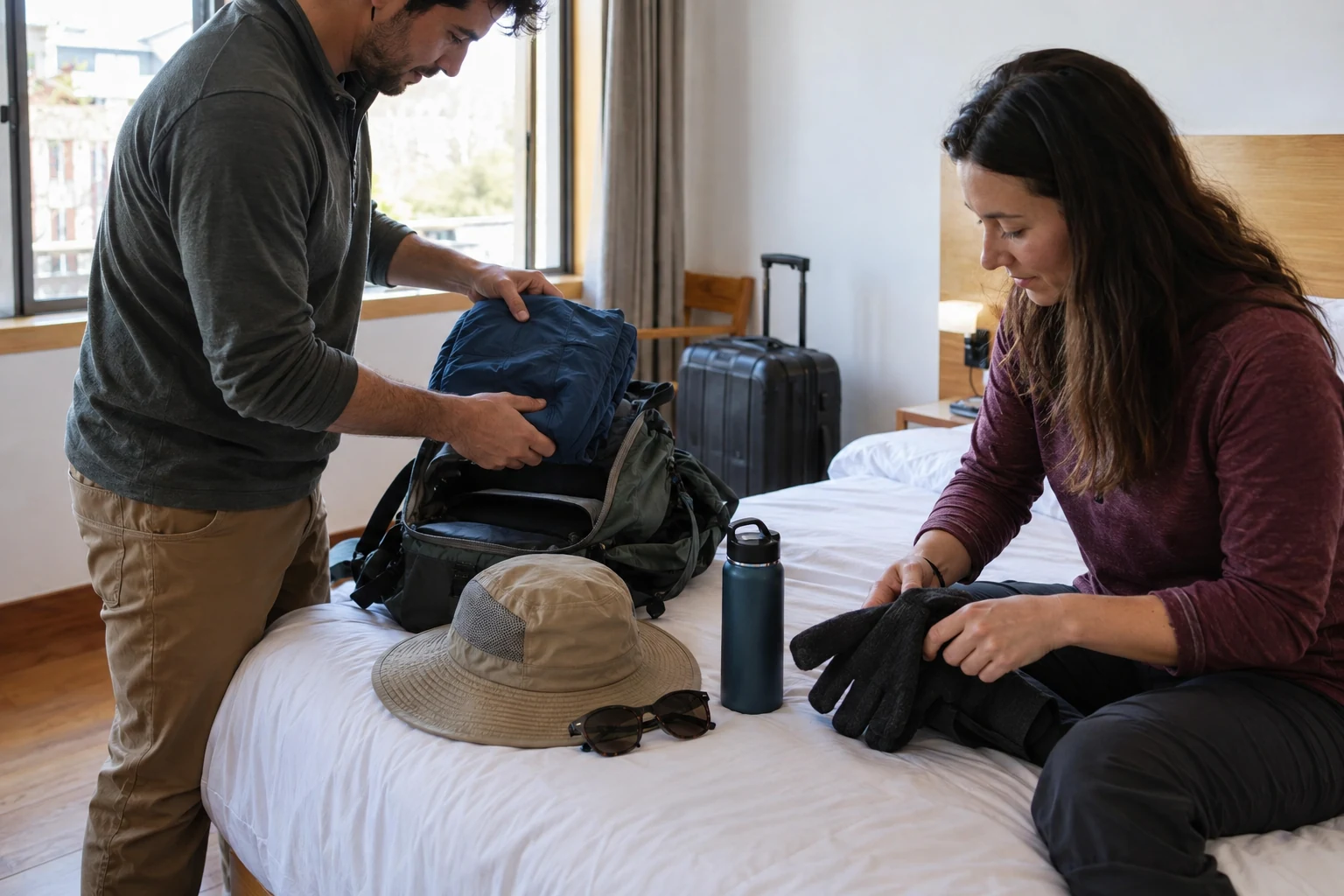
Think about a berth as a shared sleeping environment. Keep toiletries, a layer, snacks, water and personal essentials accessible without opening the large case repeatedly. Consider your tolerance for interrupted sleep, shared washrooms and extended periods seated. Onboard oxygen is not a certificate of acclimatisation or a substitute for medical advice.
Changing stations deserves its own transfer plan
One Xiaohongshu traveller’s long journey included a change between Xi’an North and Xi’an stations. The important point is not that everyone should travel through Xi’an. It is that two services described as being in one city may not use the same station. Compare the full Chinese and English station names, not only the city label.
Allow for getting off the first service, leaving the station, moving luggage, crossing the city, security and boarding the next service. If the connection is uncomfortable, compare a different routing or an overnight stay. A detour makes more sense when the stop itself interests you than when it exists only to chase a small fare difference.
Arrival day: do the least that helps you settle
Arrange the actual pickup point, the hotel and an uncomplicated meal. Ask whether the room will be available at your expected arrival. If not, agree a suitable rest arrangement rather than assuming a sightseeing excursion fills the gap. Keep a contact method available in case you and the transfer staff cannot immediately find each other.
A recent first-day diary described a long photo walk, a missed viewpoint and confusion over return transport. That is a useful warning about overfilling arrival day. If you feel well enough for a modest nearby outing, set a turning point and return plan with the guide. Do not make the whole party complete an ambitious walk because one person feels energetic.
| Before leaving the arrival point | Have this settled | If something changes |
|---|---|---|
| Meeting the transfer | Named meeting point and contact instructions | Contact the organiser before taking an unplanned alternative |
| Reaching the hotel | Actual property and document arrangements | Confirm a replacement fits the approved programme |
| Early arrival | Room access or a comfortable waiting option | Shorten optional activities rather than turn waiting into exertion |
| Symptoms | Tell the guide early and obtain appropriate help | Do not continue a higher-altitude programme by default |
Keep the return connection realistic
Do not place a remote lake day immediately before an essential departure without considering delays and fatigue. Ask what buffer the organiser recommends for the particular itinerary and season. A spare afternoon may not solve both a road disruption and a need for rest. Consider the financial effect of changing the onward ticket as part of the booking decision.
Compare refundable or changeable conditions for major connections, and keep the booking references accessible offline. If illness interrupts a train journey, ask railway staff about the applicable procedure; if a flight changes, use the carrier’s current rules. Do not assume all parts of a package share the same cancellation policy.
A useful arrival brief
Send the organiser your proposed route, exact dates, passport nationalities, party size, room needs and the first activity you most want to protect. Request a calendar showing transport, hotel nights and genuinely full sightseeing days. The best arrival choice is the one that fits the whole holiday, with a manageable transfer and room to respond to altitude and travel changes.
Continue planning this journey
Use our Tibet route-planning guide to place this topic within the whole trip. The railway, Samye and Namtso planning guide explains how arrival and separate outings fit together.
Compare 4-day Lhasa city tour. These are existing route descriptions, not confirmation of a departure, present access or every optional stop discussed above. Ask for the exact permitted programme, accommodation, guiding language and itemised services for your dates.
Sources and research notes
Reviewed 29 October 2026. Practical perspectives were compared with original Xiaohongshu note bodies and initially visible comments: 519元,冬游西藏第一天; 南宁出发一个人去拉萨; 📝珠峰大本营三日游攻略|含高反清单. These individual experiences mainly concern domestic travellers; they are not evidence of foreign-visitor eligibility, present prices or medical safety.
China regional risks: Tibet; CDC Yellow Book: High-Altitude Travel and Altitude Illness; China Railway 12306 English FAQ. Confirm operating notices and passport arrangements for the actual travel date.